
The Number Mazda Wants You to See vs the One That Matters
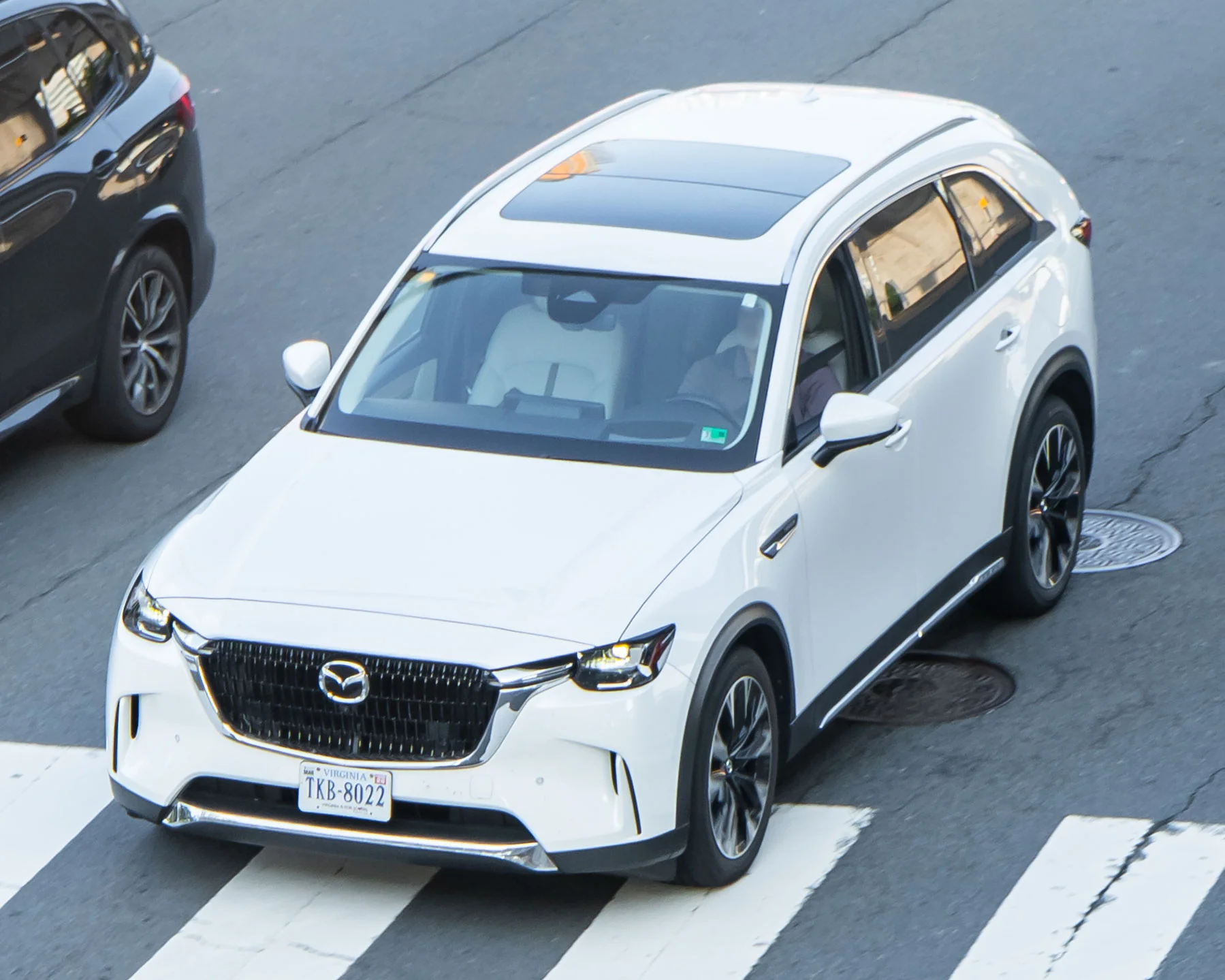
Look at a CX-90 with all its seats up and the cargo spec reads 14.9 cubic feet. That is the number a shopper sees first, and for anyone thinking about sleeping in the vehicle it is almost meaningless. The number that decides whether the CX-90 works as a bed is the one you get by folding everything flat, and it is five times larger: up to 75.2 cubic feet. The gap between those two figures is the whole story.
This is worth calling out because cargo specs are quoted selectively. The seats-up figure sells a family SUV's daily practicality; the seats-folded figure sells its camping potential. They describe the same vehicle in completely different states, and a camper who reads the wrong one either underestimates the CX-90 badly or, worse, overestimates a smaller number and assumes it will not work.
The CX-90 is one of the larger vehicles Mazda builds, and that size is the reason the folded number is genuinely camper-relevant. At about 201.6 inches long, it has the footprint to offer real flat sleeping length, not just volume — which, as any honest look at SUV sleeping shows, is the spec that actually matters.
So the plan here is to separate the marketing numbers from the sleeping numbers. What each seating configuration really gives, what the folded 75.2 cubic feet means for lying down, and why the CX-90's length is the quiet advantage that a cubic-foot figure alone never reveals.
The Three Seating Configurations, Decoded
The CX-90's cargo space triples depending on which seats are folded, and each state has a clear purpose. All three rows up gives 14.9 cubic feet (eight-passenger) or 15.9 (two-person third row) — the everyday, full-of-people configuration. It carries groceries and a few bags behind a full load of passengers, and it is not a sleeping or serious-gear space.
Fold the third row and the space behind the second row jumps to 40.1 cubic feet (eight-passenger) or 40.0 (two-person third row). This is the weekend configuration: five people and a genuine load of luggage or camping gear. For a family that sleeps in tents or cabins but hauls its equipment in the CX-90, this is the useful number.
Fold both rear rows and the CX-90 opens to its full 74.2 cubic feet (eight-passenger) or up to 75.2 (two-person third row) behind the first row. This is the sleeping configuration — the long flat floor from the front seatbacks to the tailgate — and it is the only one relevant to turning the CX-90 into a bed.
The lesson is that a single cargo number tells you nothing without the configuration attached. A CX-90 is a 14.9-cubic-foot vehicle and a 75.2-cubic-foot vehicle depending entirely on the seats, and a camper cares only about the folded-flat state. Read the number with its configuration or the number is marketing, not information.
What the Two-Person Third Row Buys You
One CX-90 detail rewards a skeptic's attention: the choice between the eight-passenger (three-person third row) and the two-person third-row setups changes the cargo numbers, and the two-person version is slightly more generous. It offers 15.9 versus 14.9 cubic feet seats-up, and up to 75.2 versus 74.2 cubic feet fully folded.
The differences are modest in isolation — roughly a cubic foot at each configuration — but they point to a real packaging distinction, and for a camper the fully-folded figure is the one to weigh. The two-person third-row CX-90 gives marginally more maximum cargo volume, which at the margin is more sleeping-adjacent storage and a slightly more accommodating load floor.
The honest read is that this is not a make-or-break difference for sleeping. A cubic foot either way does not change whether an adult fits on the flat floor; the length and width dominate that. But for a buyer choosing between configurations with camping in mind, the two-person setup gives a little more of everything cargo-related and loses a third-row seat that a two-adult sleeping setup was never going to use anyway.
So if the choice is open and passenger count allows, the two-person third row is the mild camping-favorable pick — a touch more cargo volume, one fewer seat you do not need for sleeping. It is a small optimization, not a headline, and worth knowing precisely because the spec sheet presents the two configurations as near-equal when their intent differs.
Why 201.6 Inches of Length Is the Real Advantage
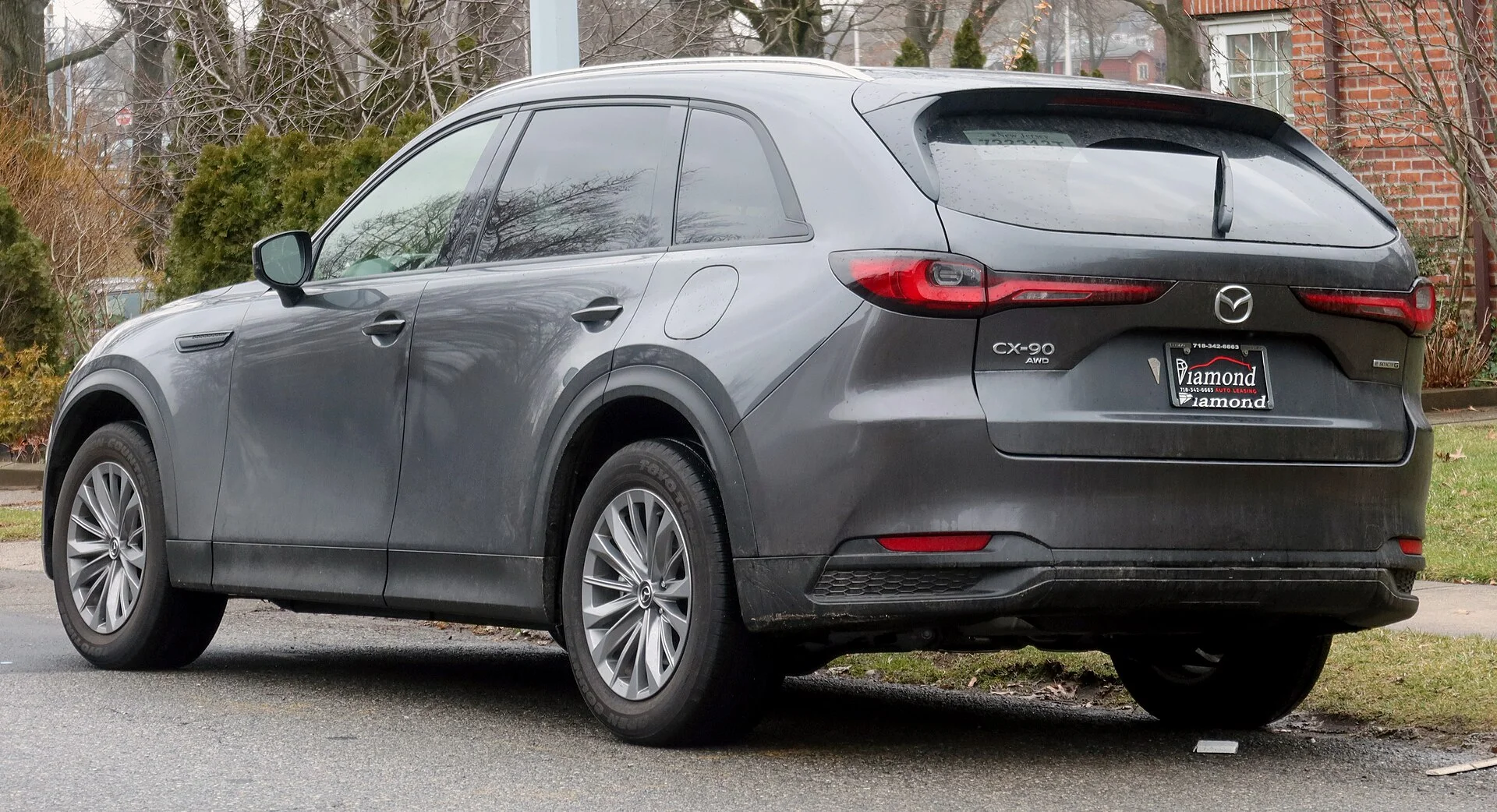
Here is where the CX-90 separates itself from smaller SUVs for sleeping, and it is not the cubic-foot figure. At about 201.6 inches overall, the CX-90 is a genuinely large three-row, and that length translates into a flat load floor with the extension a taller sleeper needs — the dimension that a volume number never reveals.
Cubic feet can be identical between two vehicles with very different sleepability, because volume rewards height and width that a lying person cannot use. Length is what lets an adult stretch out straight, and a longer exterior almost always means a longer flat floor behind folded seats. The CX-90's size is therefore a direct sleeping advantage, not just a hauling one.
Compared to a compact crossover or even a shorter midsize three-row, the CX-90's extra length is the difference between a flat floor that accommodates a taller sleeper straight and one that forces a diagonal or a platform extension. For anyone above average height, that length is worth more than a few extra cubic feet of volume ever would be.
This is exactly the kind of spec that gets lost when SUVs are compared on cargo volume alone. Two vehicles can both claim mid-70s cubic feet, but the longer one sleeps taller people better. The CX-90's 201.6-inch length is its honest camping credential, and it is the number a sleeping-focused buyer should weigh above the volume figure.
Turning the Folded Floor Into a Flat Bed
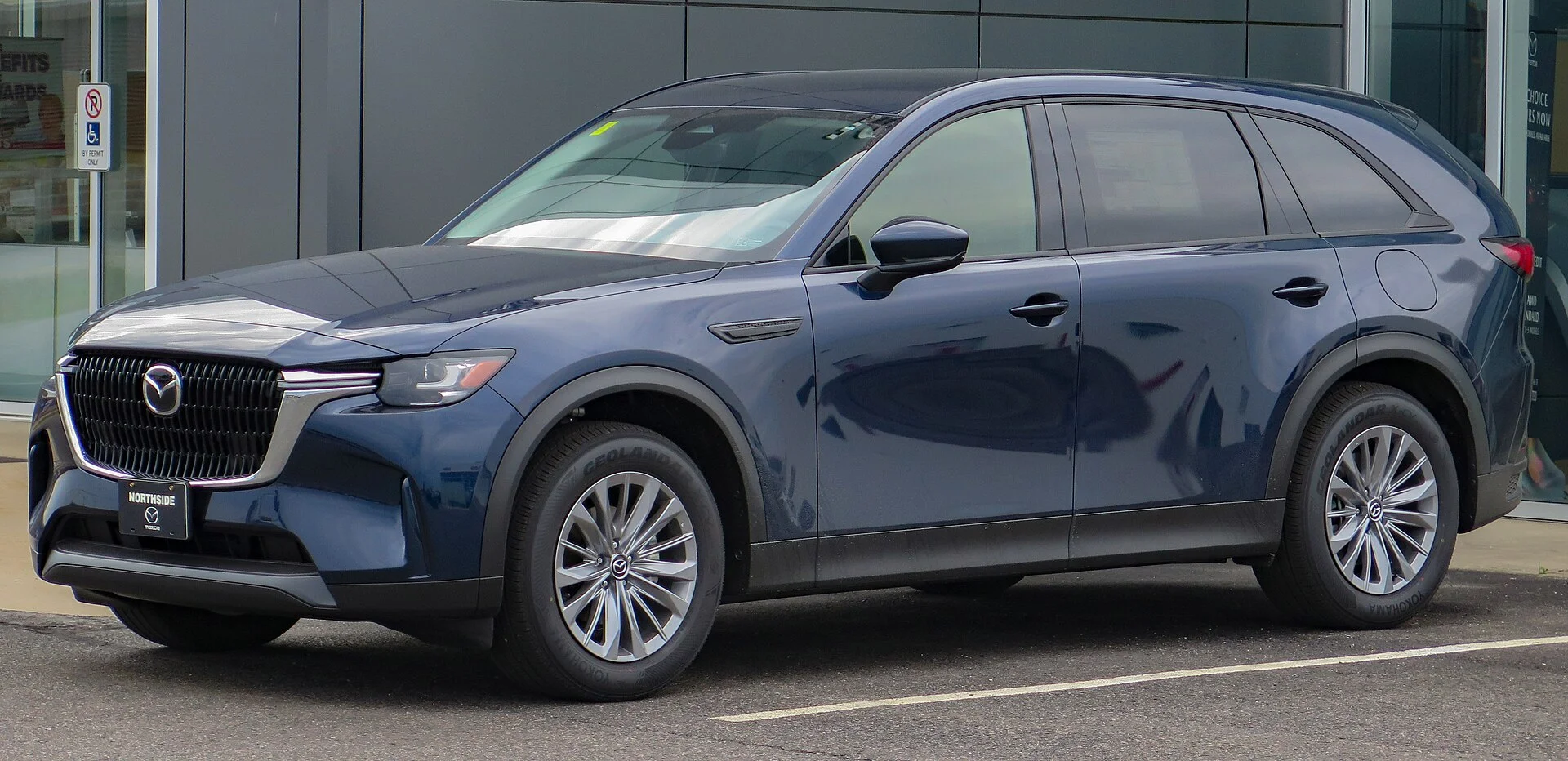
The full 75.2 cubic feet behind the first row is the raw material; a comfortable bed still requires leveling it. Like nearly every SUV, the CX-90's folded seats do not sit perfectly flush with the cargo floor — there is typically a step or a gentle angle between the seatbacks and the floor that has to be smoothed for real sleep.
The reliable fix is a sleeping platform sized to bridge that step, creating a continuous flat surface and, as a bonus, storage space beneath. The CX-90's generous length and volume make a platform practical: there is room to build a proper flat deck and still stow gear under it, which a smaller SUV cannot always manage.
For those who prefer not to build, a firm mattress or dense foam pad cut to the load floor works, as long as it spans the seat-to-floor step without collapsing into it. A mattress that sags into the gap recreates the ridge you were trying to eliminate, so firmness and correct sizing matter more than thickness.
The principle is simple: the folded floor gives you the space, and leveling gives you the comfort. A CX-90 with a properly flat sleeping surface uses its length advantage fully; one where you sleep across an unlevelled step wastes it. Level the floor first, and the vehicle's size does the rest.
Does the CX-90 Really Sleep Two Adults?
The claim worth testing is whether the CX-90 genuinely sleeps two adults comfortably, and here the size pays off more than in most SUVs. The width across the folded cargo area accommodates two people side by side, and the length — courtesy of the 201.6-inch footprint — gives both the extension that shorter vehicles deny.
That combination is what a two-adult setup actually needs: enough width for two bodies and enough length for both to lie straight. Smaller three-rows deliver the width but pinch the length, forcing compromises; the CX-90's larger footprint eases the length constraint that is usually the limiting factor. For two average-height adults, it is a comfortable fit; for two taller adults, it is workable in a way many midsize SUVs are not.
The honest caveat is that no unmodified SUV cargo floor is a queen bed, and two adults in a CX-90 sleep close, not spaciously. The vehicle enables the setup; it does not make it luxurious. Expect a snug but genuinely flat two-person arrangement rather than a roomy one, and the reality matches the expectation.
Weighed against its class, the CX-90 is one of the better factory two-adult sleepers precisely because it does not run short on length. The cargo volume is competitive, but the length is the differentiator, and it is what lets the CX-90 back up the two-adult claim that smaller SUVs make on paper and struggle to deliver in practice.
Storing Gear When the Floor Is the Bed
Sleeping in the CX-90 means the 75.2-cubic-foot floor becomes the mattress, so the gear needs another home — and the vehicle's size gives good options. A platform build is the cleanest, putting the bed on a raised deck and the gear in the volume underneath, which the CX-90's height and length readily accommodate.
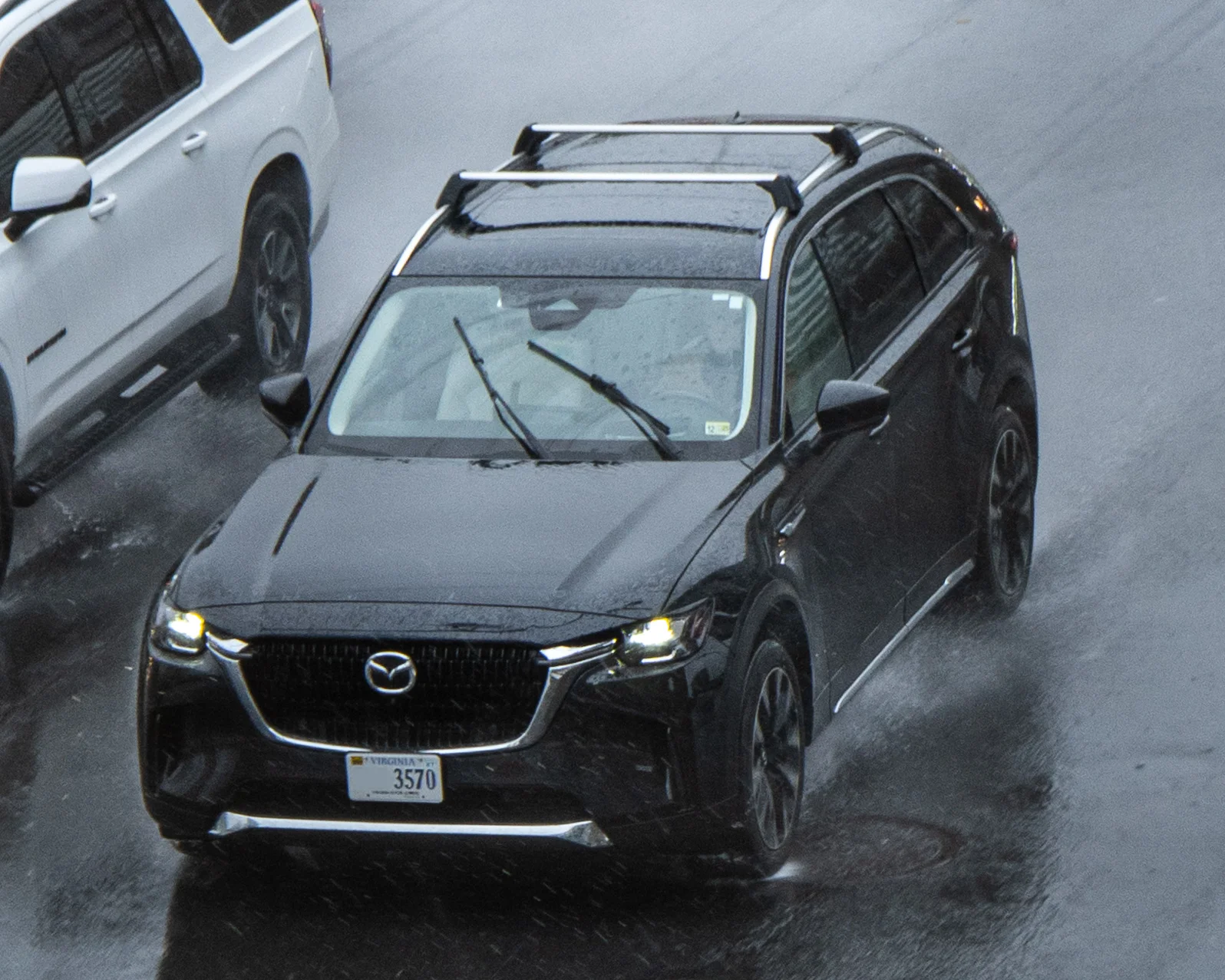
Without a platform, gear distributes to the cabin margins and the roof. The front seats hold soft bags, the footwells take bins, and a roof box carries the bulky, light items — camp chairs, an awning, spare bedding. The CX-90's long roofline is well-suited to a cargo box, and keeping bulky gear up top preserves the flat floor for sleeping.
Because the CX-90 already offers real sleeping length, it is less dependent on external storage than a compact SUV — there is room to keep some gear inside without stealing the bed's length. That is a comfort advantage: fewer trips to the roof box in the dark, more gear within reach. A modest SUV cargo organizer keeps the footwell and under-platform bins tidy.
The organizing idea is to exploit the CX-90's size rather than fight it. Store below the bed, in the generous cabin margins, and on the roof, and the long flat floor stays clear for sleeping. In a large SUV like this, good organization turns abundant volume into a genuinely livable overnight space rather than a cluttered one.
Where the CX-90 Lands Against Smaller Three-Rows
Set the CX-90 beside a compact or shorter midsize three-row and the differences that matter for sleeping come into focus. On maximum cargo volume, many three-rows cluster in the mid-70s cubic feet, so the CX-90's up-to-75.2 figure is competitive rather than dominant. Judged on volume alone, it looks like just another roomy SUV.
The separation shows up in length. A shorter three-row can post a similar cubic-foot number while offering a meaningfully shorter flat floor, because volume can be made up in height and width that a sleeper cannot use. The CX-90's roughly 201.6-inch footprint converts directly into flat floor length, which is the dimension that decides whether a taller adult lies straight or folds up.
This is precisely the trap of shopping SUVs on cargo volume. Two vehicles advertising comparable cubic feet can sleep very differently, and the only way to know is to compare length and to lie down in the actual load floor. The CX-90 tends to win that real-world comparison against smaller three-rows despite similar volume figures, because its length is genuine.
The trade, as always, is size for maneuverability. The smaller three-row parks easier and sips less fuel; the CX-90 sleeps better. For a buyer whose priority is a comfortable flat bed, the CX-90's length advantage is worth the larger footprint, and it is the honest reason to choose it over a shorter rival that merely matches it on paper volume.
Who Should Actually Sleep in a CX-90
The CX-90 makes the most sense as a sleeper for campers who want a large, comfortable two-adult setup without moving up to a full-size body-on-frame SUV. Its 75.2 cubic feet and 201.6-inch length give couples a genuinely flat, adequately long bed, which is the CX-90's core strength.
It also fits a solo camper who wants room to spread out and organize gear inside rather than juggling a tight space. One person in a CX-90 has abundant width and length, and the option to keep gear in the cabin without compromising the bed — a comfortable, low-stress solo setup.
It fits families for gear-hauling and part-of-the-family sleeping: the CX-90 carries a full load of camping equipment behind five seated passengers in the 40-cubic-foot second-row configuration, then converts to sleep one or two in the cargo area at camp. It is a versatile base for a family that mixes tent and vehicle sleeping.
Where it is overkill is for a minimalist solo camper who wants efficiency and easy parking — the CX-90's size, an advantage for sleeping, is a liability for maneuverability and fuel. But for anyone whose priority is a roomy, genuinely two-adult-capable flat bed in a refined SUV, the CX-90 is one of the stronger non-full-size choices, and its length is the reason.
The Verdict: A Big Number, Backed by Real Length
The Mazda CX-90's cargo spec ranges from 14.9 cubic feet with all seats up to as much as 75.2 cubic feet with both rear rows folded, and only the folded figure matters for sleeping. Reading the seats-up number and judging the vehicle's camping potential from it is the mistake the spec sheet invites; the folded number is five times larger and tells the real story.
What sets the CX-90 apart is not the cubic-foot figure, which is merely competitive, but the length behind it. At about 201.6 inches overall, the CX-90 offers the flat sleeping length that lets two adults lie straight — the dimension a volume number hides and the one that actually decides comfort. That length is its honest camping credential.
Realizing that potential takes the usual craft: fold to the full configuration, level the seat-to-floor step into a flat surface, and store gear below the bed, in the cabin margins, or on the roof. Do that, and the CX-90's size becomes a livable, comfortable overnight space rather than just a big number.
As a large three-row that genuinely sleeps two adults without moving up to a full-size truck-based SUV, the CX-90 is a strong, refined choice. Weigh it on its length, not just its volume, and it earns its place as one of the more comfortable factory sleepers in its class — a big cargo number that, unusually, is backed by the flat length to use it.