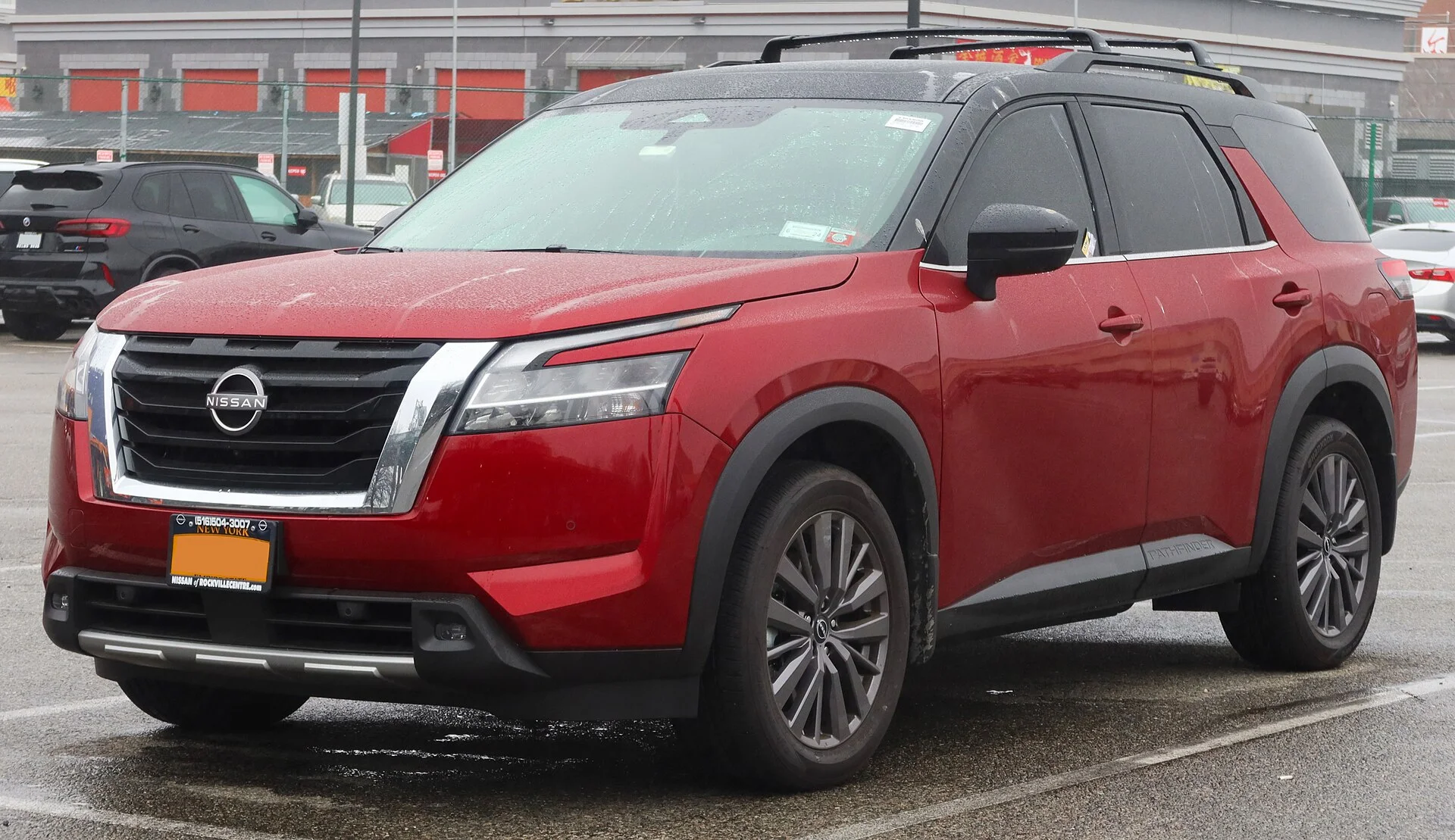
Most idled nights were never hot enough to need it
The decision to run a Pathfinder's engine all night is almost never made calmly. It is made at eleven o'clock by somebody lying in a cabin that has been collecting heat since noon, who is uncomfortable now, and whose only available lever at that hour is the key.
Made four hours earlier, with a forecast and the ability to park somewhere else, the same night usually resolves differently. That is the entire argument here. The question is not whether idling is safe - it is whether the night actually required it, and a surprising proportion of them did not.
So this page is about reading the night in advance. Which numbers matter, which ones mislead, and what each of them is worth in degrees. The vehicle side of sleeping in one is covered in our Pathfinder mattress fit guide; this is the part you do before you arrive.
The number that decides it is the overnight low
Almost everyone plans off the afternoon high, because it is the number forecasts lead with and it is the temperature you experience while deciding anything. It is close to useless for this purpose.
A ninety-degree afternoon in dry country can be followed by a low in the fifties, which is a night you will want a sleeping bag for rather than air conditioning. The same afternoon high in a humid coastal region can be followed by a low in the high seventies, which is genuinely difficult. The highs are identical and the nights are not comparable.
Look up the overnight low for the specific location, not the region. The spread between daily high and overnight low - the diurnal range - is the single most useful figure for planning a night in a vehicle, and it varies enormously with geography in ways the headline forecast never surfaces.
Dew point is why the same temperature feels different
Temperature alone still does not settle it, because the body does not cool itself by conduction. It cools by evaporating sweat, and evaporation depends on how much moisture the air is already carrying.
Dew point is the direct measure of that, and it is a better guide than relative humidity because it does not move around as the temperature changes. As a rough working scale for sleeping:
- Below about 55 - comfortable. Airflow works, sweat evaporates, a cracked window and a fan are plenty.
- Around 60 to 65 - noticeable. Sleepable with good airflow, unpleasant without it.
- Above about 70 - genuinely oppressive. Moving air stops helping much, because there is nowhere for the moisture to go.
This is why a seventy-five-degree night in the mountain west is fine and a seventy-five-degree night on the Gulf coast is not. Same thermometer, different problem entirely.
Clear skies dump heat; clouds hold it
The third variable is the one people never check and it is worth several degrees. A site loses heat overnight by radiating it to the sky, and how well it does that depends on what is between the ground and space.
Under a clear sky, radiational cooling is efficient and a site can drop sharply through the small hours. Under cloud cover, that radiated heat is absorbed and returned, and the temperature flattens out - which is why an overcast night after a hot day frequently stays warm until dawn.
A clear forecast is a cooling forecast. An overcast one is a warning that the day's heat is staying with you.
The practical use is simple. Two nights with the same predicted low are not equally reliable; the clear one will likely undershoot and the cloudy one will likely hold near its high. If the forecast is marginal, cloud cover is the tiebreaker.
Elevation and wind are free degrees
Two more variables are visible on a map, which makes them plannable rather than merely observable.
Elevation is the reliable one. Air cools predictably with height, and a campsite a few thousand feet above the valley you drove through can be a categorically different night rather than a marginally better one. In much of the western United States, driving up is the cooling strategy, and it costs an hour rather than a tank of fuel.
Wind is the other. Even a light breeze transforms a warm night in a parked vehicle, because the limiting factor is almost always air exchange rather than air temperature. A site on a ridge, a saddle or an open shoreline gets airflow that a sheltered hollow does not - and sheltered hollows are precisely where people instinctively park, because they feel cosy at sunset.
The pre-dawn trough, and the hour that actually matters
Nights are not uniform, and the shape of them explains a mistake people make repeatedly. Temperature falls steadily through the night and reaches its minimum shortly before sunrise, not at midnight.
Which means the hardest part of the night is the first part - the hours between about ten and one, when the cabin is still shedding the day's heat and the outside air has not yet fallen far. That is exactly when people give up and reach for the key, and it is the point at which conditions are about to improve on their own for the next five hours.
Knowing that changes behaviour more than any equipment does. If the forecast low is comfortable, the discomfort at eleven o'clock is temporary and the correct response is a fan and patience. Starting the engine at the worst hour commits you to running it through the five hours that did not need it.
What the cabin is doing while the outside air falls
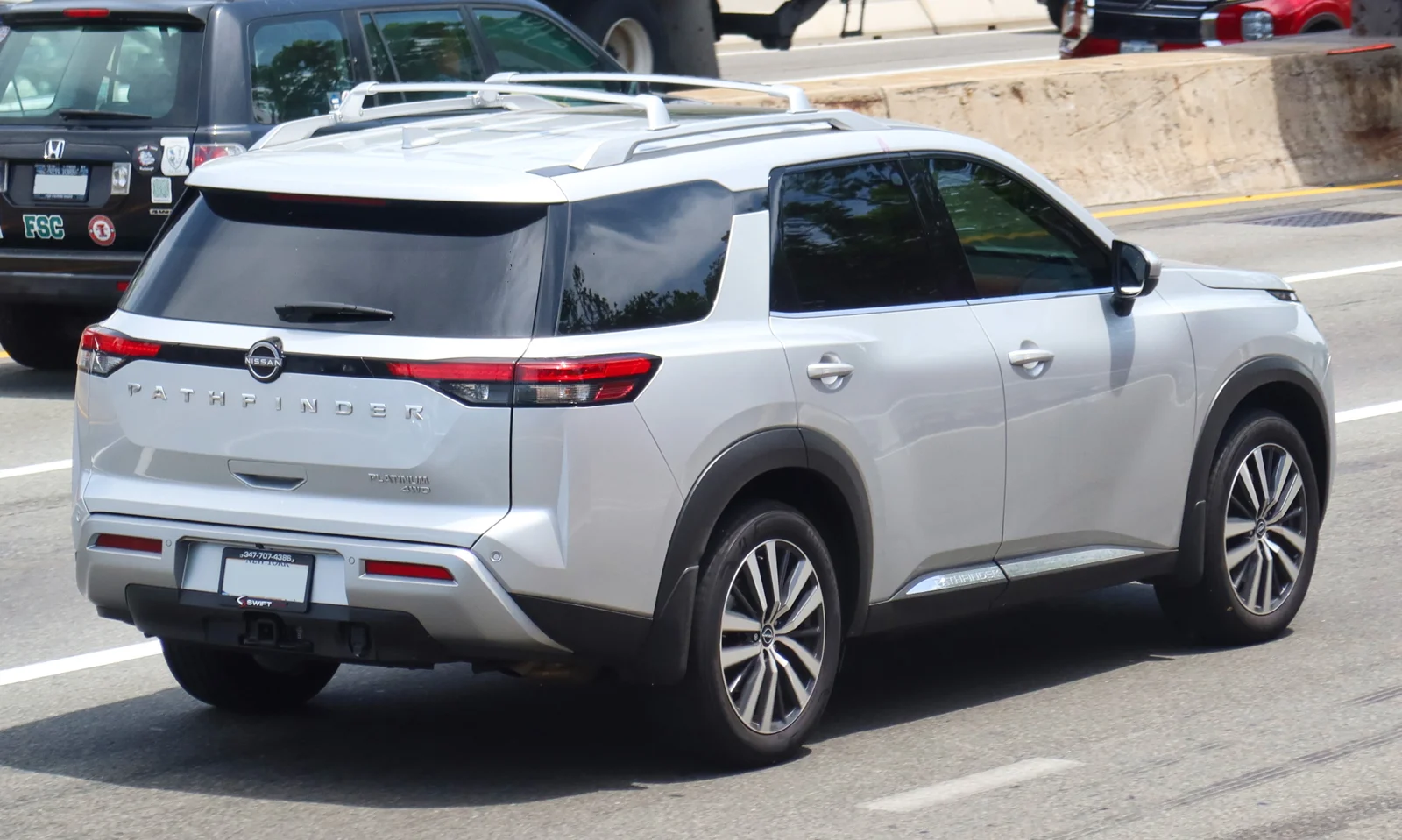
The vehicle lags the air around it, and that lag is the other half of the explanation. Glass, trim, seats and structure absorb heat all afternoon and release it slowly, so a Pathfinder parked in sun until six is still warmer than the air outside it at ten.
This is why ventilation matters more than refrigeration on most nights. The job is not to chill the cabin below ambient; it is to stop the cabin sitting above ambient, which airflow does perfectly well once the outside air has begun to fall.
It is also why the afternoon decision is worth so much. A vehicle parked in shade from four o'clock onward arrives at bedtime with far less stored heat to shed, and needs less of everything thereafter. Shade before sunset is worth more than any amount of effort after dark.
Reading the forecast at four in the afternoon
Put together, the pre-dark check takes about two minutes and covers five figures for the site you are actually going to:
- Overnight low - the number that decides it. Not the high.
- Dew point - whether airflow will do any good.
- Cloud cover - whether the low is likely to be undershot or missed.
- Wind - anything above still is a meaningful improvement.
- Elevation - whether a better night is a short drive away.
Four in the afternoon is the deadline, because that is the last point at which all the options are still open. You can still drive somewhere higher, still choose a site with airflow, still park in shade for the remaining hours of sun. At eleven, none of those are available.
Measure one night and every forecast after it gets better
Every figure in that list comes from the nearest reporting station, and the nearest reporting station can be twenty miles away and a thousand feet lower than the ground the vehicle is parked on. The forecast is still the right input. It is just an input with an offset you do not know yet, and the only way to learn the offset is to measure a night.
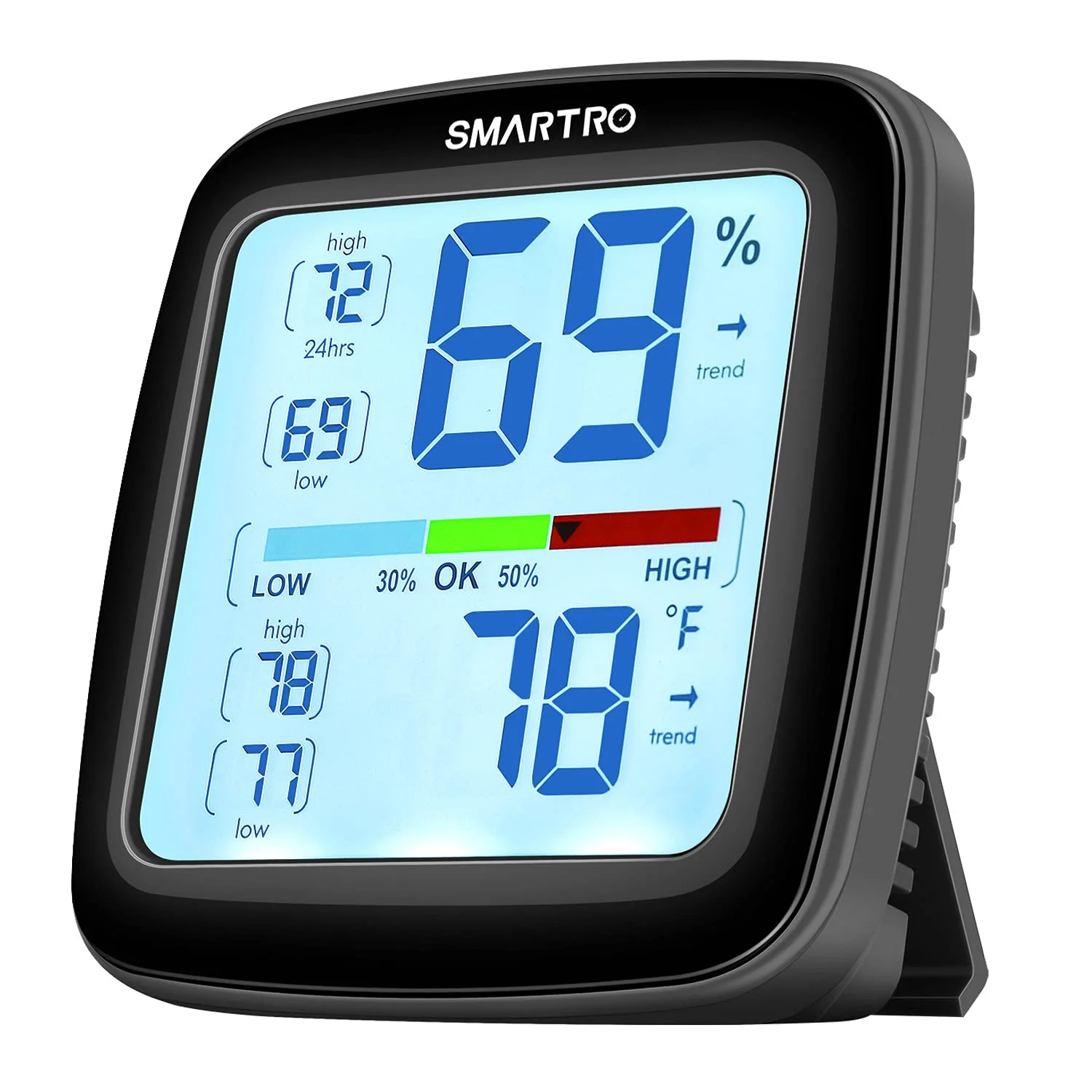
A min-max thermometer-hygrometer does that while you sleep. It sits on the dash, and in the morning it is still holding the lowest temperature and the lowest humidity the cabin reached overnight. Set that against what the forecast promised and you have your number. Two or three nights on the kind of ground you usually park on and the four-o'clock check stops being a guess. The SMARTRO SC42 Digital Hygrometer and Room Thermometer is the cheap way to do it: its listing claims a 24-hour and an all-time high and low for both temperature and humidity, readings that refresh every ten seconds, and manual calibration for when where you put it skews them. It has a retractable stand, two magnets and a wall-mount hole, and it runs on two AAA batteries that are not in the box.
It reads relative humidity rather than dew point, so that conversion is still yours to do. For this purpose it does not matter much - the overnight low is the figure the whole decision turns on, and this is the cheapest honest way to find out whether your sites run colder or warmer than the forecast written for them.
The nights the forecast says yes
Some nights genuinely fail the check. A dew point in the seventies, an overnight low that barely moves, overcast, no wind, low elevation - that is a night airflow will not fix, and it is fair to say so rather than pretending a fan solves everything.