Three numbers decide this fight - so let's score them
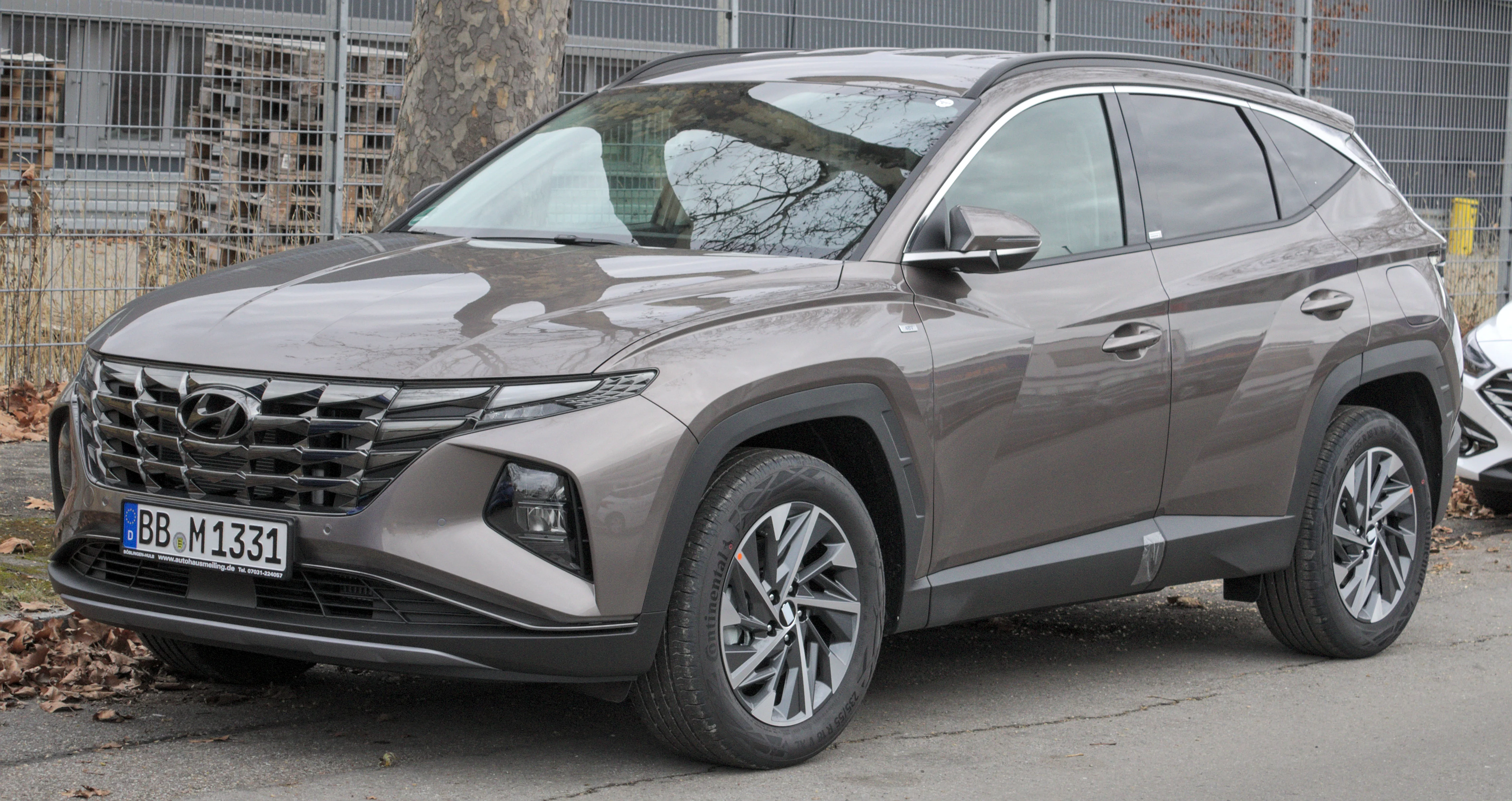
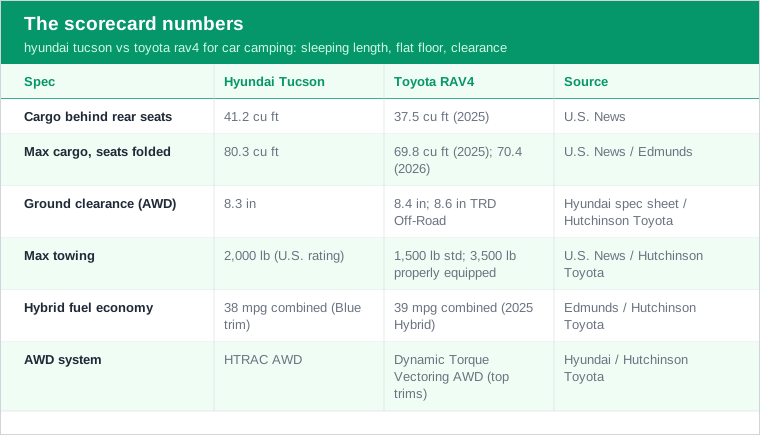
A compact-crossover camping night gets decided by about three measurements, and here they are up front: the Hyundai Tucson folds out an 80.3-cubic-foot bay to the Toyota RAV4's 69.8, per U.S. News, while the RAV4 answers with 8.4 inches of ground clearance to the Tucson's 8.3, per Hutchinson Toyota's spec sheet and Hyundai's own. Add towing - a properly equipped RAV4 pulls 3,500 pounds to the Tucson's U.S.-rated 2,000, per Hutchinson Toyota and U.S. News - and you already know more than most 3,000-word trim-chart comparisons will tell you. These are America's two best-selling compact crossovers, and for camping they genuinely disagree, which makes this a real fight rather than a badge-preference poll.
So this comparison runs a scorecard instead of a spec dump. Three deal-breakers, each scored head-to-head on sourced numbers: first, sleeping room in the folded bay; second, how flat and usable that folded floor actually is; third, the clearance-and-AWD hardware that decides whether you reach the good campsite at the end of the rough road. Win a category, take the point.
One methodology note before the opening bell: neither Hyundai nor Toyota publishes a load-floor length spec, so the sleeping-room round leans on the published volume and dimension numbers rather than an invented tape measurement. Where a claim comes from a reviewer's description rather than a spec sheet, it's labeled that way. Scores are only as honest as their sources.
Deal-breaker 1: sleeping room in the folded bay
Round one is the one you feel at 2 a.m.: how much bedroom the thing folds out. The Tucson is the segment's cargo outlier - 41.2 cubic feet behind the rear seats and 80.3 cubic feet with them folded, per U.S. News, numbers that crowd some midsize SUVs. The 2025 RAV4 posts 37.5 cubic feet seats-up and 69.8 folded, per Edmunds, and the redesigned 2026 RAV4 lands close by at 37.8 and 70.4, per U.S. News.
What a 10-cubic-foot gap means when the bay becomes a bed:
- Width and stack height: the Tucson's extra volume shows up as a wider, taller bay, which is the difference between one sleeper plus a gear wall and two sleepers with the gear moved to the front seats.
- Seats-up buffer: 41.2 versus 37.5 cubic feet, per U.S. News and Edmunds, means the Tucson carries the same camp kit with less Tetris on the drive out.
- The honest caveat: neither maker publishes load-floor length, so diagonal sleeping length is something to verify with your own tape at the dealer - volume strongly favors the Tucson, but volume is not inches.
Score the round for the Hyundai. A 10.5-cubic-foot folded-bay gap (80.3 vs 69.8, per U.S. News and Edmunds) is not a whisker - it's the largest single difference between these two vehicles, and it lands squarely on the measurement a camper cares most about. Tucson 1, RAV4 0.
Deal-breaker 2: how flat is the floor you'll sleep on?
Volume gets you a big bay; flatness makes it a bed. Round two is harder to score because flatness never appears as a spec-sheet line - it lives in reviewer descriptions. On the Toyota side, U.S. News describes the redesigned 2026 RAV4's 70.4-cubic-foot hold as having a nearly flat load floor with the seats folded - meaningful praise, because the outgoing RAV4's folded seatbacks sat with a mild slope. On the Hyundai side, the Tucson's 60/40 rear bench folds close to flush, and the 2026 Tucson Hybrid adds a dual-level cargo floor whose raised position meets the folded seatbacks, per U.S. News and dealer descriptions - a purpose-built way to level the bed platform.
A two-inch step under your hip erases a ten-cubic-foot advantage in about an hour. Flatness is the quiet spec: nobody advertises it, and it decides more camping nights than horsepower ever has.
So who takes the round? Both fold usably flat by compact-SUV standards, and both need a pad to bridge the last contour - no crossover gives you a hardwood floor. But the Tucson's adjustable dual-level floor is a mechanical fix you configure once, while the RAV4's nearly-flat description, per U.S. News, still reads as nearly. Score it a narrow one for the Hyundai, with the note that a decent mattress makes the difference academic in either. Tucson 2, RAV4 0.
Deal-breaker 3: clearance, AWD, and actually reaching the site
Round three is everything that happens before you park: the rutted forest road, the washboard approach, the last quarter mile that separates the good site from the parking lot. Here the Toyota counterpunches. The RAV4 carries 8.4 inches of minimum ground clearance with 8.6 on the TRD Off-Road, per Hutchinson Toyota's spec sheet, while the AWD Tucson sits at 8.3 inches per Hyundai's official specifications - and the front-drive Tucson drops to 7.1. The 2026 RAV4 Woodland holds 8.5 inches with improved approach and departure angles, per Autoblog's redesign coverage.
The hardware behind the numbers:
- Toyota fields Dynamic Torque Vectoring AWD with rear driveline disconnect on its top trims, per Hutchinson Toyota, plus genuinely trail-flavored trims (TRD Off-Road, Woodland) that get their own dampers and all-terrain rubber.
- Hyundai's HTRAC AWD is a competent on-demand system, per Hyundai, but the XRT trim is an appearance-and-AWD package - it gains no clearance over any other AWD Tucson.
- Towing seals it: a properly equipped RAV4 is rated to 3,500 pounds, per Hutchinson Toyota, against the Tucson's 2,000-pound U.S. rating, per U.S. News - the difference between towing a small teardrop and not.
Clearance itself is a tenth-of-an-inch story, but the trims, the AWD sophistication, and a 1,500-pound towing gap make this the Toyota's clearest win. Tucson 2, RAV4 1.
The tally: what 2-1 actually means
Final card: Tucson 2, RAV4 1. The Hyundai takes the two rounds that happen after you park - a folded bay that's 10.5 cubic feet bigger (80.3 vs 69.8, per U.S. News and Edmunds) and a floor that levels a touch better - while the Toyota takes the round that happens on the way in, with 8.4 to 8.6 inches of clearance and up to 3,500 pounds of towing properly equipped, per Hutchinson Toyota.
Read the score by your campsites, not by the total. If you sleep in the vehicle at drive-up sites and trailhead lots, the two bedroom rounds are worth more than the trailhead round. If your sites sit at the end of eight miles of washboard, or a teardrop is in your future, the one round the RAV4 won is the only one that can strand you.
That's the useful honesty a scorecard forces: these two disagree in a way the badge-war framing hides. The Tucson is the better bedroom; the RAV4 is the better approach vehicle. Neither result is close enough to call a wash, and neither vehicle wins both jobs. It's also worth naming what the scorecard deliberately left out: infotainment screens, seat stitching, driver-assist suites, and the forty other rows a trim chart would add. Those matter to ownership; none of them decides whether you sleep well or reach the site. Keep the rounds few and the sources named and the decision stays legible.
The remaining sections cover the tiebreakers - the shared overnight kit, fuel economy, the 2026 RAV4 wrinkle - and then the buyer profiles that turn the score into a decision you can act on.
The overnight kit both bays share
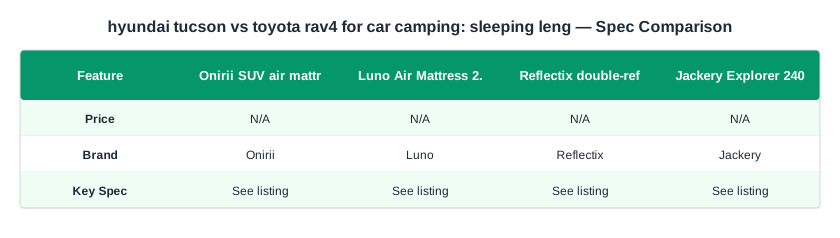
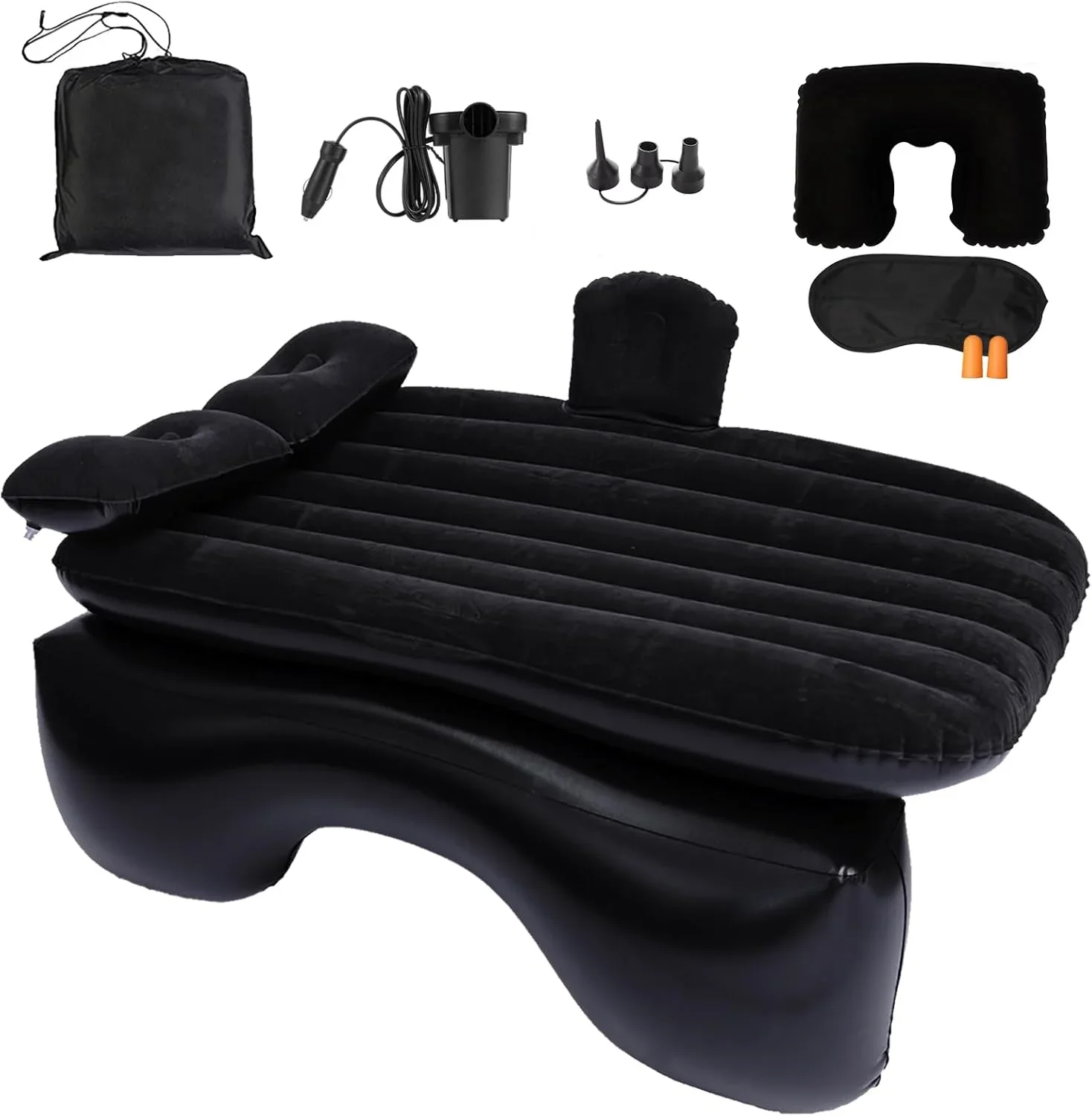
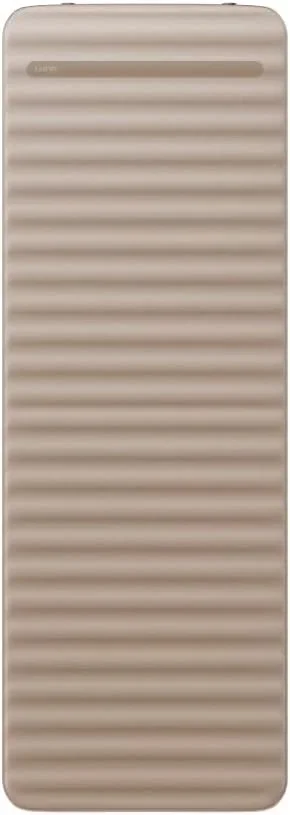
Whichever badge wins your scorecard, the camping build is nearly identical, because both bays have the same two problems: a last bit of contour to level and no household power. The mattress solves the first. An SUV-shaped air mattress like the Onirii SUV air mattress fills either folded bay and bridges the seatback seam in one move - in the Tucson it rides the dual-level floor's raised position, in the RAV4 it erases the nearly-flat qualifier. If you camp monthly rather than once a season, the Luno Air Mattress 2.0 is the buy-once upgrade for the same footprint.
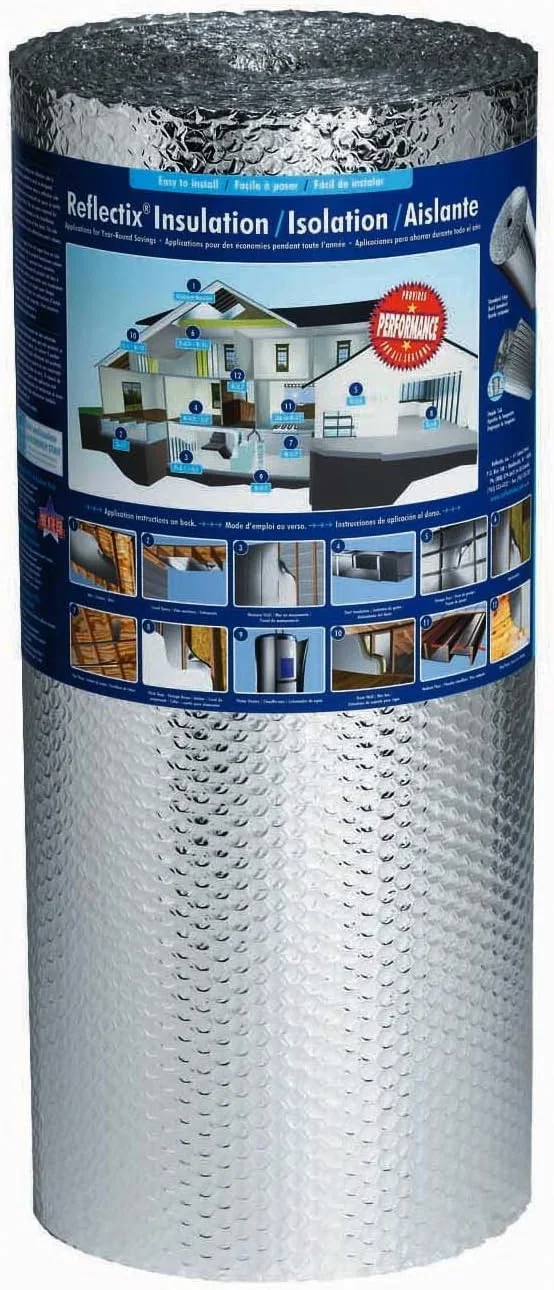
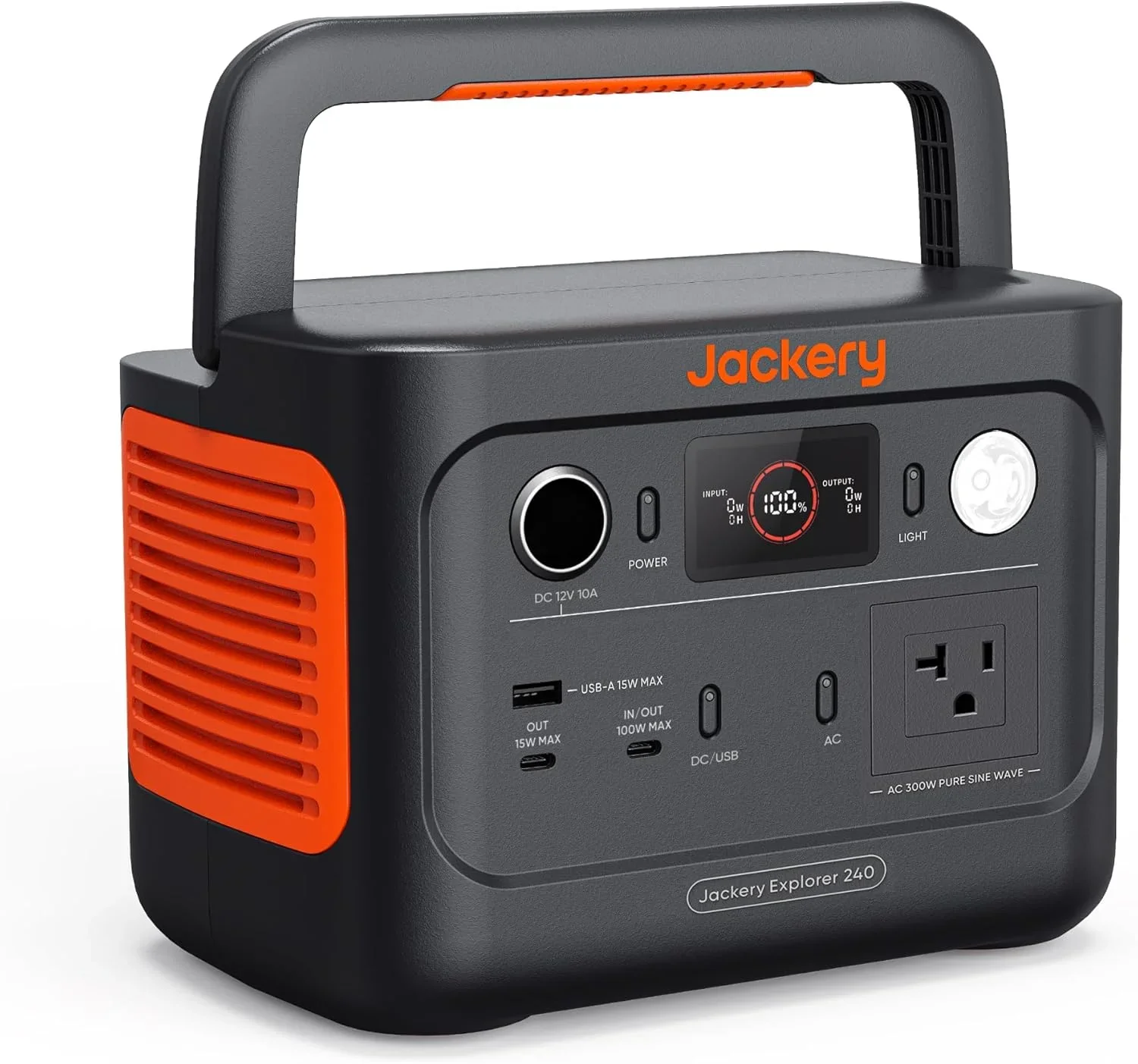
The second problem is electricity. A compact power station such as the Jackery Explorer 240 v2 runs the fan, the lights, and the phone charging without ever asking the starter battery for help, and recharges from the 12-volt socket on the drive between camps. Round it out with window mesh at two opposite openings for cross-flow and panels of Reflectix double-reflective insulation cut to the glass for privacy and insulation.
One packing note the scorecard predicts: in the RAV4's smaller seats-up hold (37.5 cubic feet, per Edmunds), the kit wants harder discipline - soft duffels over rigid bins, and the night gear packed last so it comes out first. The Tucson's 41.2 cubic feet, per U.S. News, forgives sloppier loading. Neither needs a roof box for a weekend; both appreciate one for a week.
Fuel economy: the round nobody scores until the drive home
Camping miles are long miles, and the hybrid math here is close enough to call friendly on both sides. The Tucson Hybrid returns 38 mpg combined in Blue trim with standard AWD, per Edmunds, while the 2025 RAV4 Hybrid posts 39 mpg combined, per Hutchinson Toyota's figures, and the redesigned 2026 RAV4 Hybrid reaches an EPA-rated 41 combined in AWD form, per U.S. News coverage of the redesign.
The gas variants separate a little more. The 2025 RAV4's 2.5-liter runs up to 30 mpg combined front-drive, per Hutchinson Toyota, where the gas Tucson's 2.5-liter lands in the high 20s depending on drivetrain, per Edmunds. Spread over a 600-mile camping loop, the hybrid-versus-gas decision is worth more at the pump than the badge decision - a few mpg either way between brands, but roughly a third fewer fuel stops hybrid-versus-gas.
There's a quieter camping benefit to the hybrids that the mpg line understates: range between stations. At roughly 38 to 41 mpg combined, per Edmunds and Hutchinson Toyota, either hybrid covers a full weekend loop - out, around, and home - on a single tank, which means you fuel in town at town prices and never hand your route planning to a backcountry gas pump. Gas versions work; they just add a stop.
Call the round a draw with an asterisk: if maximum efficiency is the deal-breaker, the 2026 RAV4 Hybrid's 41 combined, per U.S. News, is the segment's headline number - but it arrives attached to the generational wrinkle covered next.
The 2026 wrinkle: the RAV4 you're cross-shopping just changed
A scorecard is only honest if it names its model years, and the RAV4's are in motion. The 2025 RAV4 is the final year of the outgoing generation - gas, hybrid, and plug-in variants, 69.8 cubic feet folded, per Edmunds. The 2026 RAV4 is a ground-up redesign that goes hybrid-only, posts 37.8 and 70.4 cubic feet, and picks up the nearly-flat load floor and the Woodland trim's 8.5 inches of clearance, per U.S. News and Autoblog coverage.
For a camping buyer that cuts two ways. The 2026 car is the better camper on paper - flatter floor, standard electrified drivetrain, up to 3,500 pounds of towing on equipped AWD models, per the redesign coverage. But first-year redesigns carry first-year pricing and first-year unknowns, while outgoing-generation 2025s are where the discounts live, and the used market under them is deep and well-documented.
The Tucson offers no such fork: the current generation carries through 2025 and 2026 with its 80.3-cubic-foot bay intact, per U.S. News, refreshed rather than replaced. If decision simplicity is worth anything to you, the Hyundai's stability is quietly a point in its favor - the vehicle you test-drive is the vehicle the reviews describe, and the used examples behind it share its numbers.
Practical guidance for the scorecard: the rounds above cite the generation that wins each number honestly - the 2025 RAV4's 69.8 cubic feet and the 2026's 70.4 are close enough, per Edmunds and U.S. News, that the sleeping-room verdict holds either way, and the clearance and towing story actually strengthens with the 2026 Woodland. Whichever RAV4 year you shop, confirm the trim-specific figures on the window sticker rather than assuming the family numbers travel.
Buy the Tucson if the campsite is the bedroom
The Tucson buyer sleeps in the vehicle, most nights, on purpose. They camp at drive-up sites, trailhead lots, and highway rest stops on the way to somewhere else, and the measurements that matter to them are the ones the Hyundai wins: 80.3 cubic feet of folded bay and 41.2 seats-up, per U.S. News, plus the hybrid's dual-level floor trick for leveling the platform.
The profile in short:
- Sleeps inside more than ten nights a year - the bay-size rounds dominate everything else.
- Tows nothing, or nothing heavier than a utility trailer inside the 2,000-pound U.S. rating, per U.S. News.
- Reaches camps on maintained gravel, where 8.3 inches of AWD clearance, per Hyundai's spec sheet, is plenty.
If that's you, the deeper dives are on-site: our Tucson car-camping guide builds the full setup, and can you sleep in a Tucson answers the fit question inch by inch. And if the Tucson's bay impresses you but the price doesn't, its corporate cousin runs nearly the same numbers - see our Sportage vs Tucson comparison.
Buy the RAV4 if the road to camp is the hard part - final verdict
The RAV4 buyer's problem isn't the bedroom, it's the driveway - eight miles of it, rutted, with a creek crossing in April. They want the 8.4-to-8.6 inches of clearance and the trail-tuned TRD Off-Road and Woodland trims, per Hutchinson Toyota and Autoblog, the torque-vectoring AWD, and the 3,500-pound properly equipped towing rating that keeps a teardrop or gear trailer on the table. A 69.8-to-70.4-cubic-foot bay, per Edmunds and U.S. News, still sleeps one adult comfortably and two friendly ones with the front seats loaded.
Scorecard verdict: Tucson 2, RAV4 1 - but the rounds aren't equal weights. Sleep-in-the-vehicle campers should follow the score and buy the Hyundai. Rough-road and towing campers should overrule it and buy the Toyota, because no amount of cargo volume gets you up the hill.
The meta-lesson travels beyond these two: score comparisons on the two or three measurements your actual trips exercise, and most vs-battles resolve in a page. This one resolves cleanly - biggest bedroom in the segment versus the toughest approach hardware in the segment - and either way you land in a hybrid-friendly crossover that camps far better than its commuter reputation suggests. For how the Toyota fares against its other rivals, our RAV4 vs CR-V comparison runs the next bout.