The thickness question, answered
Search 'Hyundai Tucson camping mattress' and half the questions are really about thickness: how deep a pad do you need to sleep well on the cargo floor? It is a fair question with a counterintuitive answer. Past a certain point, more thickness does not buy more comfort — it costs you headroom and packed size, and it does nothing to fix the real enemy of a good Tucson night, the unlevel seatback step.
The Tucson is a genuinely good small-SUV camper. With the 60/40 seats folded it opens roughly 5.5 to 6 feet of floor and about 80 cubic feet, enough for one adult to stretch out and two to sleep close. But the folded seats do not sit perfectly flush, and that step plus the gentle slope toward the tailgate is what ruins most first nights — not a lack of cushion. This guide explains the right thickness, why leveling and insulation matter more, and the best Tucson-fit picks at each depth.
It is worth naming who this is for: Tucson owners deciding between a thin packable pad, a plush self-inflating mat and a tall SUV air mattress, who want to sleep flat and warm without wasting money on inches that do not help. Once you see what thickness actually does — and does not — do, the choice gets simple.
What to look for: the buying criteria
Step-leveling comes first, because a flat surface beats raw depth: a contoured shape or enough loft to bridge the seatback step and slope. Insulation (R-value) is next — the cold steel floor pulls heat away, so warmth comes from insulation, not thickness. Comfort thickness follows: a 2-to-4-inch band cushions pressure points without eating headroom.
Packed size and setup round it out: foam deploys instantly but stores bulky; air packs small but needs a pump. We weighted step-leveling and insulation most heavily, because those are what make a Tucson bed actually comfortable and warm, while raw thickness past 4 inches mostly costs you headroom.
- Levels the seatback step and the slope to the tailgate
- R-value (insulation) against the cold cargo floor
- 2 to 4 inches of comfort thickness, not more for its own sake
- Packed size and setup you will actually live with
Our top picks by thickness for the Tucson
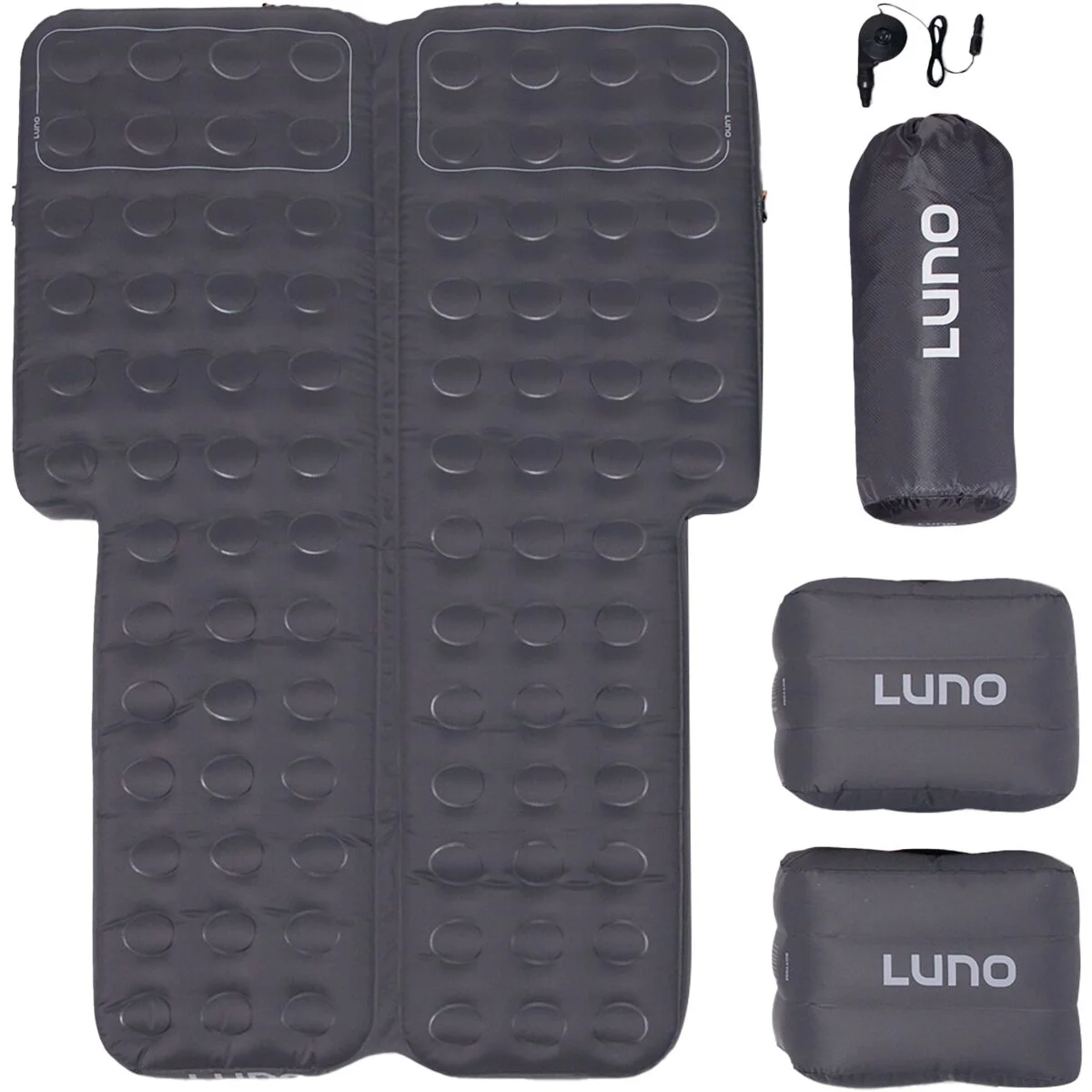
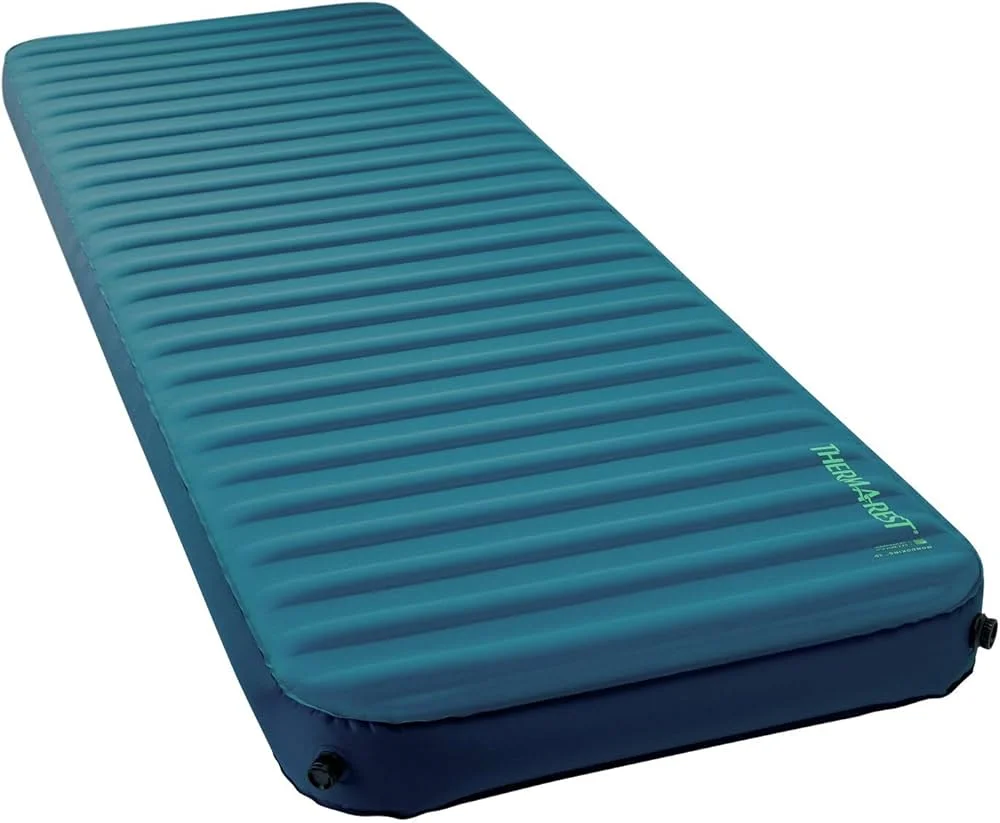
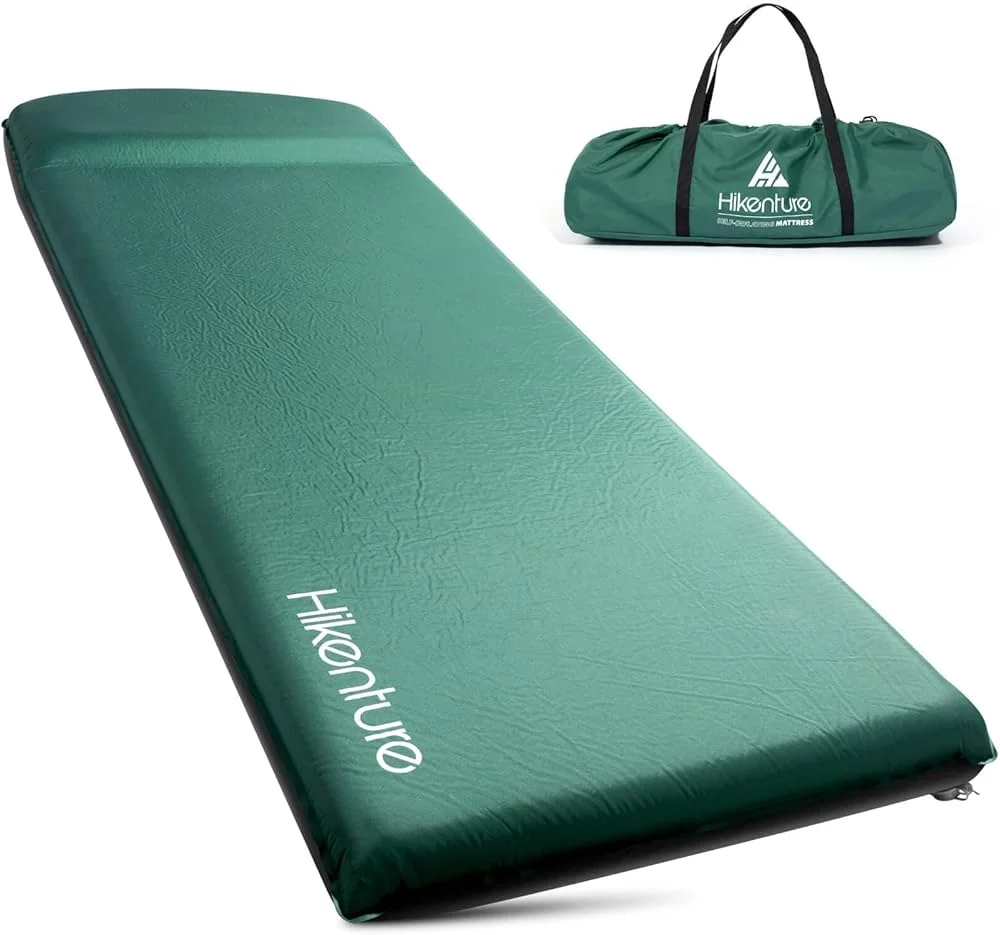
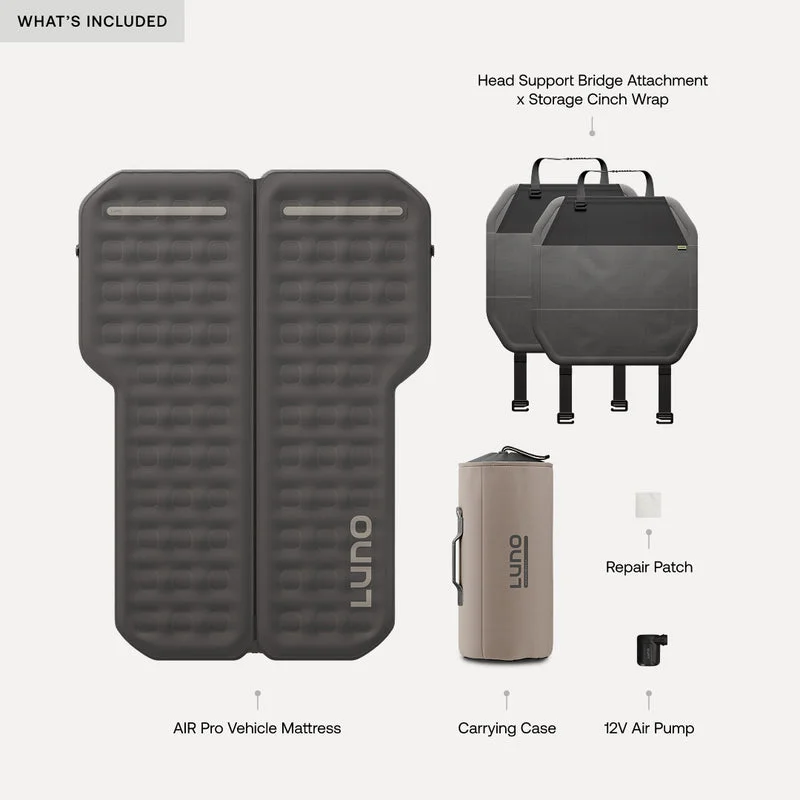
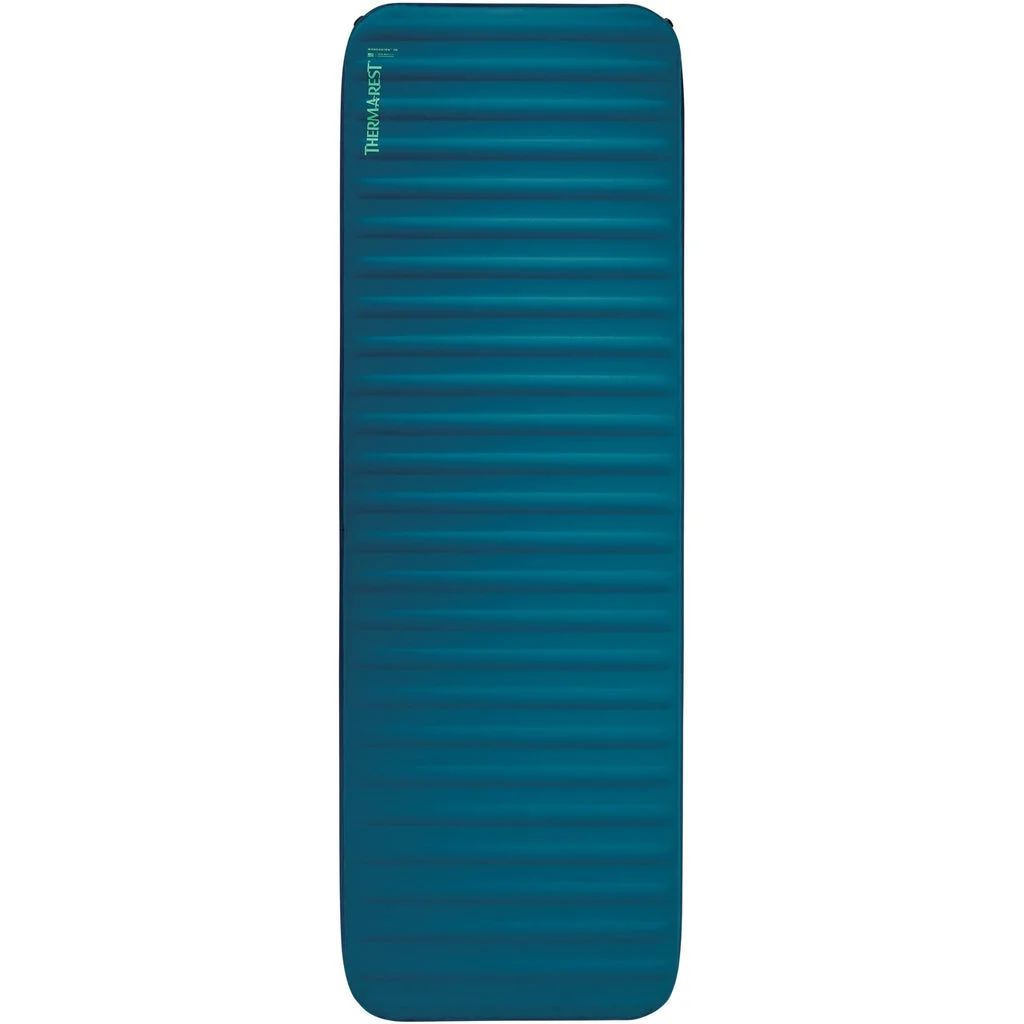
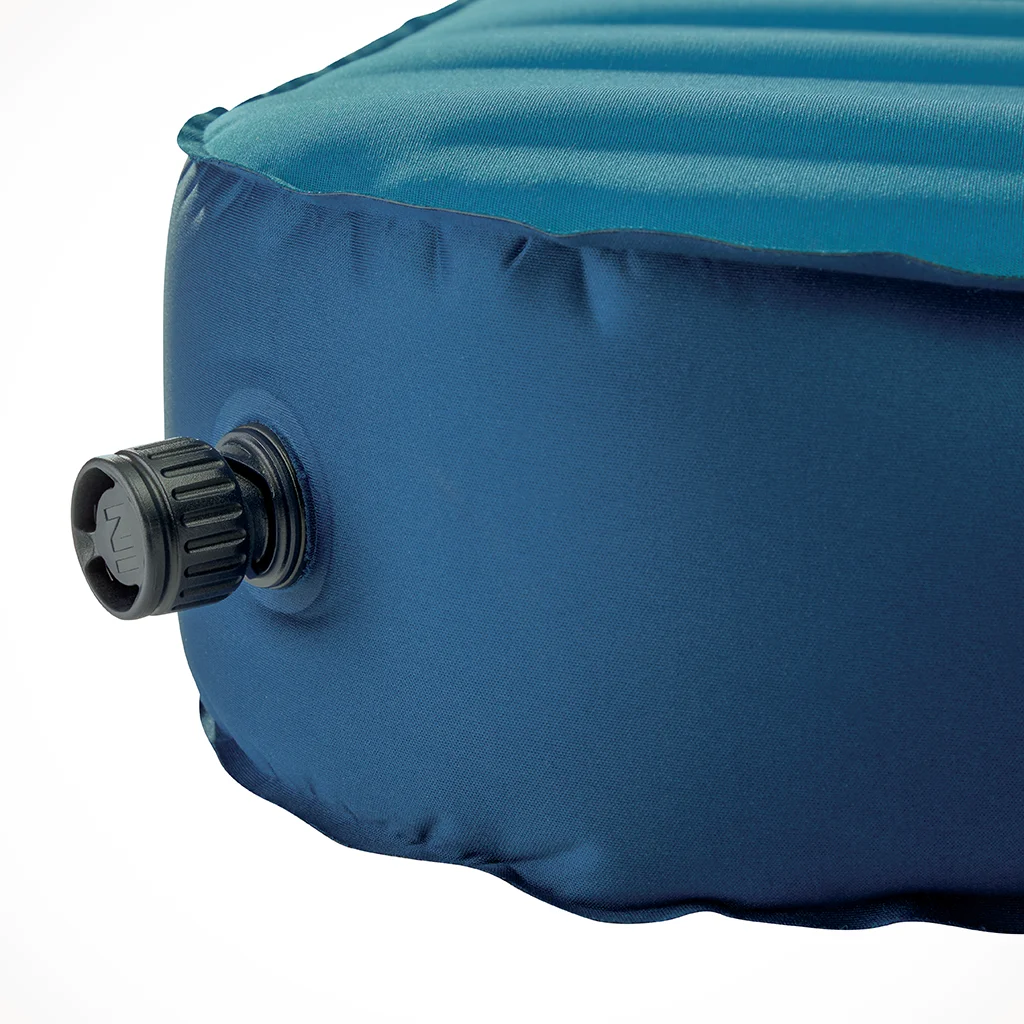
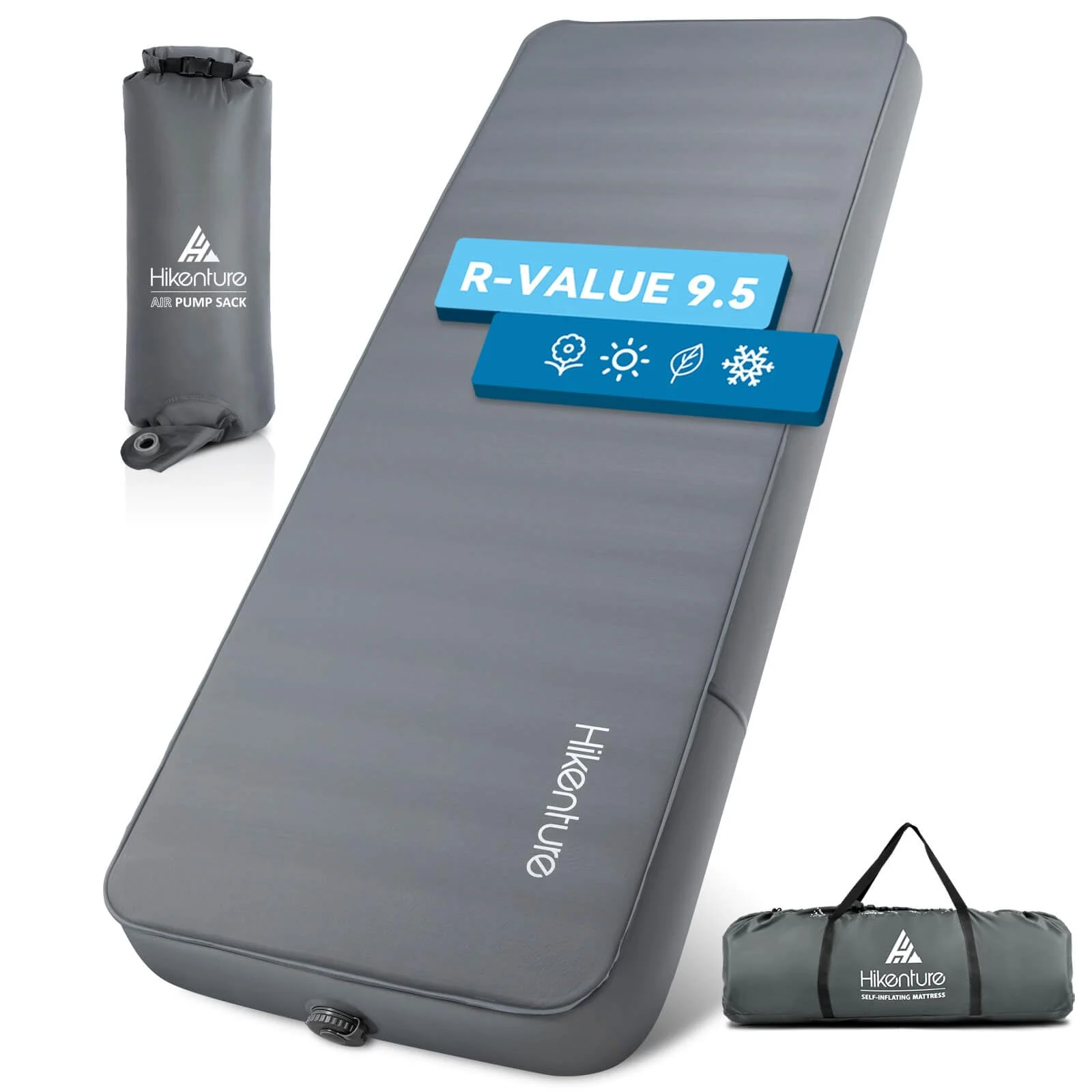
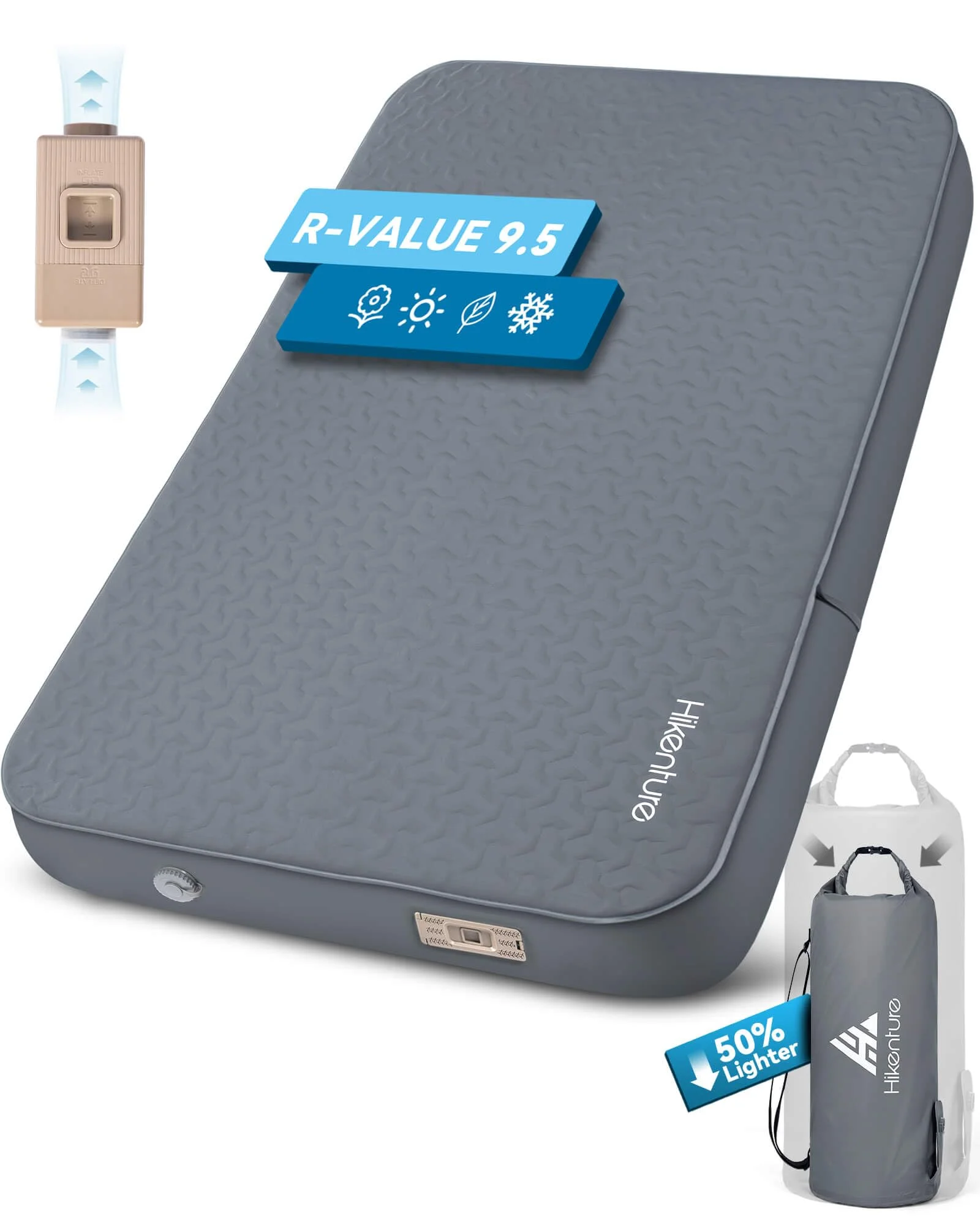
If you want a thinner, packable insulated pad for a solo sleeper, the Therm-a-Rest MondoKing 3D offers thick self-inflating comfort and high R-value for cold trips, while the budget Hikenture Car Camping Mattress is an inflatable SUV mattress with raised side flaps and a 12V pump sized for small-to-mid SUVs like the Tucson. Each is named for the Tucson thickness-and-fit job it does best.
Quick pick: best all-round 4-inch loft, the Exped MegaMat 10; best contoured SUV air, the Luno Air Mattress 2.0; warmest thick self-inflating, the Therm-a-Rest MondoKing 3D; best budget SUV mattress, the Hikenture Car Camping Mattress.
Head-to-head: which thickness for which camper
The Therm-a-Rest MondoKing 3D is the cold-weather and comfort champion, thick and high-R-value for spring and fall, accepting real bulk for warmth. The Hikenture Car Camping Mattress is the value SUV option with side flaps and a pump, trading premium materials for a much lower price. There is no universal best thickness; match it to whether you sleep cold, how much you value plushness, and how much storage you have.
Why leveling beats thickness in a Tucson
Here is the core truth this guide is built around: the single biggest comfort factor in a Tucson is leveling the step where the folded seatbacks meet the cargo floor, plus the slope toward the tailgate — not how thick your mattress is. Lay even a deep mattress over that ridge and you slide toward the hatch all night and feel the hump under your hips.
The order that works: level the seatback step, insulate against the cold floor, then choose a 2-to-4-inch comfort thickness. Skip the first step and no mattress, however thick, sleeps flat.
Insulation and R-value: warmth is not thickness
- Cold trips: prioritize R-value (foam/self-inflating), not inches
- Air mattress in the cold: add a closed-cell foam layer underneath
- Warm nights: a cooler air mattress plus cross-ventilation is fine
The practical rule: in spring, fall and cold climates, a thinner insulated pad sleeps warmer than a thick air mattress, so choose for R-value first. If you already own a contoured air mattress like the Luno Air Mattress 2.0 for its leveling, slip a closed-cell foam pad or a wool blanket underneath to break the cold conduction. Thickness and warmth are different problems; solve warmth with insulation.
Headroom, packed size and living with your choice
Thickness has real costs beyond price, and they show up in daily use. Every inch of mattress is an inch less headroom for sitting up, changing clothes and moving around inside the Tucson. A 2-to-4-inch pad leaves comfortable room; a very tall inflated mattress can leave you stooped. If you are tall or run a sleeping platform that adds its own height, lean toward the thinner end of the comfort band.
Packed size is the other trade-off. A foam or self-inflating pad like the Therm-a-Rest MondoKing 3D deploys instantly and never goes flat at 2 a.m., but it stores bulky. An air mattress like the Luno Air Mattress 2.0 or Hikenture Car Camping Mattress deflates to a small bag but needs a pump and a leak check. Do a driveway dry run: fold the seats, lay the mattress, confirm it lies flat, you fit, and you can sit up. A setup you can deploy and stow in two minutes is one you will actually use; a fiddly one stays home.
Sleeping platform vs mattress-on-the-floor in a Tucson
Thickness is part of a larger question: do you sleep directly on the cargo floor, or build a low platform first? The two approaches change how much mattress thickness you actually need. It needs no build, packs away fast, and keeps total height low for headroom, but it leaves the slope and step for the mattress alone to level.
A low sleeping platform — a plywood or aluminum deck on 6-to-8-inch legs — levels the entire floor, eliminates the seatback step completely, and creates a storage basement underneath for bins, a stove and boots. On a platform you want a thinner pad, because the deck is already flat and every inch on top eats headroom; a 2-to-3-inch self-inflating pad or even a folded foam topper is plenty.
The trade-off is build effort, weight and the height the platform itself adds. For weekenders, mattress-on-the-floor with a leveling pad is the right answer; for owners who camp out of the Tucson often, the platform plus a thin pad is the more comfortable, better-organized long-term setup. Decide which route you are taking before you buy the mattress, because it changes the ideal thickness.
On the floor, you want a thicker leveling pad; on a platform, a thinner pad keeps headroom while the deck does the leveling. The platform wins for frequent campers, the bare-floor pad for occasional weekends.
Matching thickness to the season and your body
The right thickness is not one number — it shifts with the weather and with you. In summer, a thinner 2-to-3-inch pad is comfortable and cooler, and you can prioritize a leveled, breathable surface over deep loft. In spring and fall, lean toward a lofted, higher-R-value pad like the Therm-a-Rest MondoKing 3D that both cushions and insulates against the cold cargo floor, even if it is bulkier to store.
Your body matters too. Back sleepers and lighter campers are well served by a thinner pad and may find a very thick mattress feels unstable. Heavier campers should make sure the pad does not compress flat under their weight — a denser foam or a firmer self-inflating pad holds up better than a soft air mattress. Match the thickness to how you sleep and the season you camp in, not to a generic 'thicker is better' rule, and the Tucson rewards you with genuinely restful nights.
Common mistakes choosing mattress thickness for a Tucson
The third is ignoring packed size and buying a bulky pad you cannot store with the rest of your gear. The fourth is skipping the driveway dry run and discovering the fit or headroom problem at camp after dark. Level the step, insulate, pick a sensible 2-to-4-inch thickness, and test at home, and the Tucson sleeps better than its compact size suggests.
- Chasing max thickness: lost headroom, still sliding on the step
- Confusing thickness with warmth: cold on a thick air mattress
- Ignoring packed size: a pad you cannot store
- No dry run: fit and headroom problems show up at camp
Verdict
Level the step, prioritize R-value for warmth, stay in the 2-to-4-inch comfort band, mind your headroom, and dry-run it in the driveway. Do that and the Tucson sleeps flat and warm; chase raw inches instead and you will lose headroom, blow your budget, and still slide off the step at 3 a.m.