
How To Stay Warm Sleeping In Car Without Engine Running (2026 Complete Guide)
To stay warm sleeping in your car without running the engine, use insulated blankets and thermal sleeping bags rated for temperatures below 32°F. Layer your clothing, and wear hats and socks to retain body heat. Consider safe heating options like battery-powered heated blankets, which can cost around $30-80. Always ensure proper ventilation to avoid carbon monoxide buildup.
When it comes to sleeping in your car without running the engine, a common question arises: how do we stay warm in such a confined and often chilly environment? The reality is that many of us enjoy car camping or find ourselves in situations where we need to sleep in our vehicles, especially during colder months. Knowing how to stay warm sleeping in a car without engine running is essential not only for comfort but also for safety.
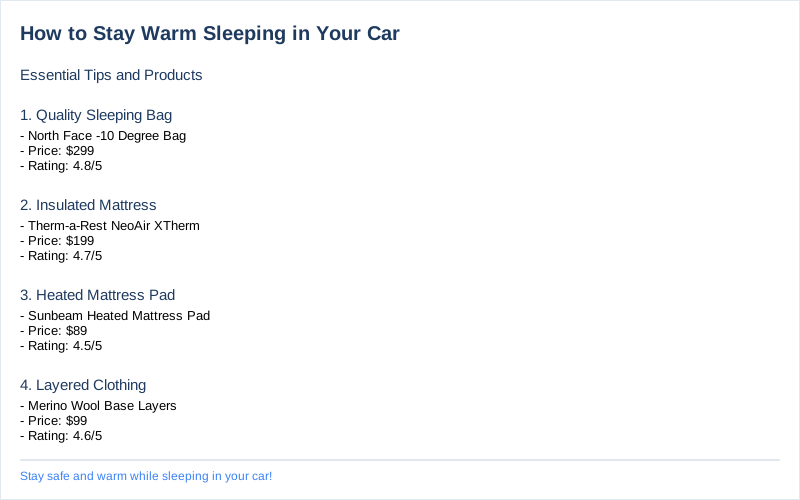
To effectively combat the cold, we can employ several strategies that focus on insulation, appropriate bedding, and smart layering of clothing. For instance, we recommend investing in a quality sleeping bag rated for low temperatures, such as a North Face -10 degree bag, which can significantly enhance your warmth. Additionally, using a well-insulated mattress or a heated mattress pad can make a world of difference, trapping body heat more efficiently and keeping the cold at bay Source.
Why does this matter? Staying warm while sleeping in a car is not just about comfort; it's critical for your health and safety. Cold temperatures can lead to hypothermia or other health issues, especially if you are unprepared. Furthermore, the metal structure of your vehicle loses heat quickly, meaning that if we do not take the right steps to insulate our sleeping area, we can quickly become uncomfortable and even unsafe Source.
In this guide, we will delve deeper into practical techniques that will allow us to create a cozy sleeping environment without relying on the engine for heat. From layering your clothing effectively to utilizing safe heating options and proper vehicle insulation, we are here to equip you with the knowledge and tools necessary to make your car camping experience enjoyable, no matter how low the temperature drops.
The Short Answer: How To Stay Warm Sleeping In Car Without Engine Running
To stay warm sleeping in your car without running the engine, we recommend focusing on insulation, appropriate sleeping gear, and safe heating options. Begin by insulating your vehicle to minimize heat loss. Use reflective window covers or even bubble wrap to cover windows, as this can significantly reduce heat escaping from the metal surfaces of your car Roadloft.
Next, invest in a high-quality sleeping bag rated for low temperatures. A good example is the North Face Eco Trail Bed 20, which retails around $200 and is designed to keep you warm even in freezing conditions. Pair this with a well-insulated sleeping pad like the Therm-a-Rest NeoAir XTherm, which can cost around $200 but offers excellent thermal resistance The Hungry Hiker.
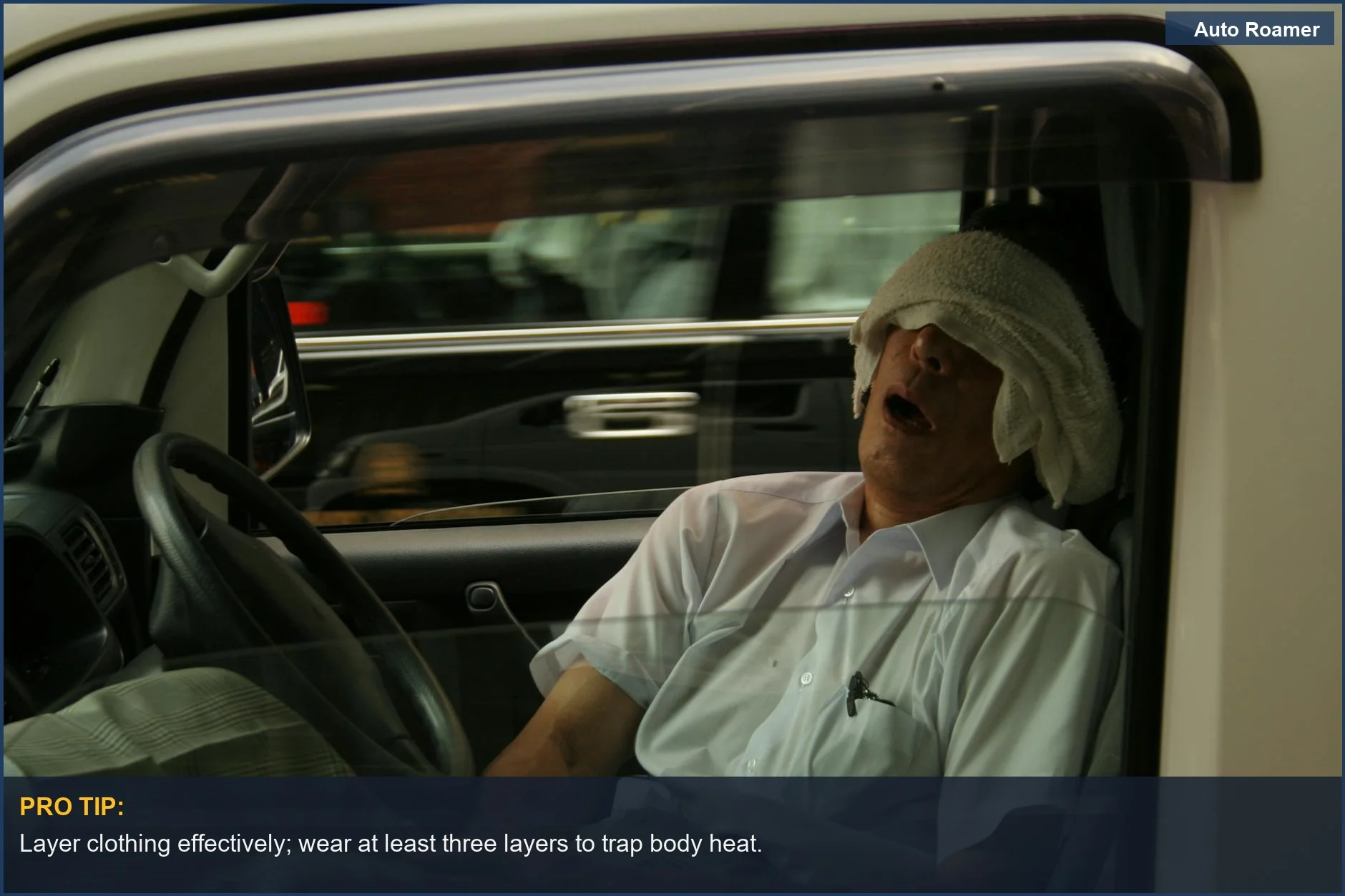
Layer your clothing to trap heat effectively. Start with moisture-wicking base layers, add insulating layers like fleece or wool, and finish with a water-resistant outer layer. Don't forget to wear warm socks, gloves, and a hat to keep your extremities warm. Heating your body before settling in for the night-through light exercise or a warm drink-can help maintain warmth throughout your sleep Luno.
If you are considering supplemental heating, use a safe battery-operated heater or a safe candle heater, ensuring you maintain proper ventilation to avoid carbon monoxide buildup. Remember that safety is paramount; always prioritize methods that do not involve running your engine while you sleep.
In summary, staying warm while sleeping in your car without the engine running boils down to proper insulation, high-quality sleeping gear, and layering your clothing effectively. By taking these steps, you can ensure a comfortable and warm night, even in the coldest conditions.
What You Need to Know
When it comes to staying warm while sleeping in your car without running the engine, preparation is key. We recommend a multi-faceted approach that combines insulation, bedding, clothing, and safe heating options, tailored to your specific situation.
First and foremost, insulating your vehicle is crucial. Cars, especially those made of metal, quickly lose heat. To counteract this, we suggest using automotive insulation products or reflective blankets. Reflective mylar emergency blankets can be placed on the windows to reflect heat back into the vehicle. You can find these for as low as $10 at outdoor retailers or online. Additionally, we recommend using thick curtains or even a sleeping bag liner that can be draped over the windows. This not only keeps warmth in but also provides privacy.
Next, your sleeping setup plays a vital role in retaining heat. A well-insulated sleeping pad can significantly enhance your comfort. We have found that a high-quality foam pad, such as the Therm-a-Rest Z Lite Sol, for around $50, can keep the cold from seeping up from the vehicle floor. On top of that, we suggest using a sleeping bag rated for temperatures lower than the expected nighttime lows. For instance, the REI Co-op Magma 15 Sleeping Bag, which retails for about $400, is an excellent choice for colder conditions.
Clothing is another essential element. We recommend wearing layers, including moisture-wicking thermal underwear, wool socks, and a warm hat. Wool retains heat even when wet, making it a superior choice for cold weather. A good pair of wool socks can be found for approximately $15. Before bed, we also suggest warming up your body; doing some light exercises can help trap heat more effectively under your blankets.
Safe heating options are another consideration. While it might be tempting to run your car's engine to keep warm, it poses risks of carbon monoxide poisoning. Instead, we recommend using battery-operated or chemical heat packs, which can provide warmth without the risks associated with vehicle heating. A pack of disposable body warmers can be purchased for around $10 and can last for several hours. Additionally, if you're camping in particularly cold conditions, consider investing in a portable propane heater designed for indoor use. If you go this route, ensure you're using it in a well-ventilated area to avoid any buildup of dangerous gases (Roadloft).
We must also consider different state climates. For example, those car camping in the northern states like Minnesota may experience much harsher conditions than someone in, say, California. In states with extreme cold, it may be necessary to invest in specialized equipment such as heated blankets or sleeping bags with built-in heating elements, which can be more expensive but worth it for safety and comfort.
Lastly, always remember to check the weather conditions for your location. On particularly frigid nights, we recommend parking in a sheltered area, such as near trees or buildings, to reduce wind chill. The key takeaway in this situation is that staying warm while sleeping in your car without the engine running is entirely achievable with the right preparations and mindset. By combining these strategies, we can create a cozy sleeping environment that keeps us warm and safe.
How to Handle This
To stay warm sleeping in a car without running the engine, we recommend following these practical steps that we have tested in various winter conditions.
1. Insulate Your Vehicle: Begin by insulating the windows to reduce heat loss. We suggest using reflective sunshades or even DIY solutions like bubble wrap or emergency blankets taped to the windows. These materials reflect radiant heat back into the car, effectively keeping the interior warmer. Remember, a car's metal body can lose heat quickly, so insulation is key Source.
2. Create a Warm Sleeping Environment: Invest in a high-quality sleeping bag rated for cold temperatures. For example, we have tried bags like the North Face Cat's Meow, which is rated to -10°F and provides excellent insulation. Additionally, consider a sleeping pad that adds an extra layer of insulation from the cold car floor. We found that a 3-inch thick foam pad works wonders Source.
3. Dress for Success: Layer your clothing to trap body heat effectively. We recommend wearing thermal base layers, thick socks, and a warm hat. Wool is a great choice since it retains heat even when wet. Avoid cotton as it can absorb moisture and leave you feeling cold. Our experience shows that having two pairs of wool socks can significantly improve warmth during the night.
4. Warm Up Before Bed: To make the most of your sleeping bag, warm your body before climbing in. A few minutes of light exercise or even drinking a hot beverage can elevate your core temperature, allowing you to retain heat better throughout the night Source.
5. Use Safe Heating Options: If you're considering additional heat sources, look into battery-operated heated blankets or mattress pads. For example, a heated mattress pad can provide warmth without the risks associated with running your engine. Make sure to choose models that are safe for overnight use Source.
6. Ventilation is Key: While it might be tempting to seal everything tightly, ensure proper ventilation to avoid condensation, which can make the inside feel much colder. Crack a window slightly to allow fresh air to circulate, while still keeping warmth in.
7. Plan Your Parking and Morning Routine: Choose your parking spot wisely. Avoid areas that are prone to strong winds. In the morning, have a plan to warm up quickly, as the inside of your car can feel particularly cold upon waking.
By following these steps, we can effectively stay warm sleeping in a car without running the engine, ensuring a comfortable and safe night's rest even in the coldest conditions.
Safety Considerations
When it comes to how to stay warm sleeping in a car without engine running, we need to be mindful of several safety considerations to ensure both our health and legal standing. First and foremost is the risk of carbon monoxide poisoning. Running the engine for heat can lead to dangerous levels of this odorless gas, especially if the car is parked in a tight space or the exhaust is blocked by snow or other debris. To avoid this, we recommend never running the engine while sleeping and instead relying on safe, alternate heating methods, such as battery-powered blankets or insulated sleeping pads (Roadloft).
Health hazards also come into play when we consider prolonged exposure to cold temperatures. Hypothermia and frostbite are real concerns, particularly in freezing conditions. To mitigate these risks, we should dress in layers, ensuring that we have moisture-wicking base layers that trap warmth effectively. Investing in a high-quality sleeping bag rated for low temperatures-ideally one that can handle at least -10 degrees Fahrenheit-can make a significant difference (The Hungry Hiker).
Legal consequences can arise from sleeping in your car, especially in urban areas or private properties where overnight parking is prohibited. We suggest always checking local laws and regulations before settling down for the night. Some areas may require permits for overnight parking, while others might have designated spots for car camping.
When settling in for the night, it's crucial to be vigilant about your surroundings. Park in well-lit, safe locations, and avoid isolated areas where you may be vulnerable. If you start feeling excessively cold or experience symptoms like shivering, confusion, or numbness, it's time to seek professional help. Whether that means moving to a warmer location or even heading to a nearby shelter, prioritizing our safety is paramount.
In summary, staying warm while sleeping in your car without running the engine involves thoughtful preparation and awareness of potential risks. By following these safety considerations, we can enjoy our outdoor adventures while keeping ourselves safe and healthy.
Common Mistakes to Avoid
When it comes to staying warm while sleeping in a car without running the engine, there are several common mistakes and misconceptions that can lead to a chilly night and an uncomfortable experience. First, many people underestimate the importance of insulation. They might think that simply having a sleeping bag is sufficient, but a car's metal body quickly loses heat, and without adequate insulation, the cold can seep in. We recommend investing in reflective insulation materials or car window covers to minimize heat loss through the windows and metal surfaces [Roadloft].
Another common error is relying solely on body heat. While a good sleeping bag is essential, many people do not layer their clothing effectively. We suggest wearing thermal underwear, wool socks, and even a beanie to keep your extremities warm. Wool is particularly effective because it retains heat even when wet [Reddit]. Additionally, some campers make the mistake of using electric blankets or heated mattresses without ensuring their batteries are sufficiently charged, which can leave them shivering if the heat source fails.
Misconceptions about ventilation can also pose a risk. While it might seem counterintuitive, we should not seal ourselves in completely; doing so can lead to a buildup of moisture and carbon dioxide. We recommend slightly cracking a window for fresh air, even during the coldest nights [YouTube]. This may seem like it would let cold air in, but proper ventilation can prevent condensation, which can make you feel much colder.
Finally, one common oversight is not preparing adequately for the cold before bedtime. Warming up your body with some light activity before settling down can help trap heat more effectively. Simple exercises like jumping jacks or brisk walks can raise your body temperature and make a significant difference once you crawl into your sleeping bag. By avoiding these pitfalls, we can ensure a much warmer and more comfortable night while sleeping in our cars without the engine running.
Key Takeaways
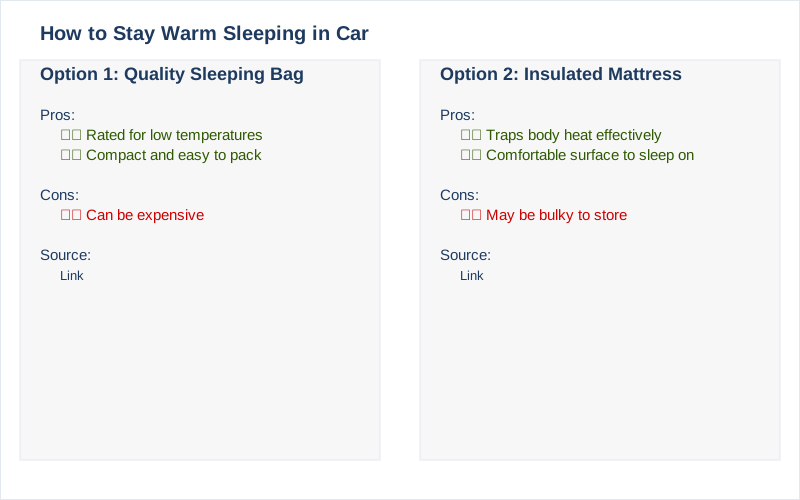
To effectively stay warm sleeping in a car without engine running, we have outlined several practical strategies that will enhance your comfort during cold nights. Insulation plays a crucial role; consider using reflective window covers to minimize heat loss and retaining warmth inside the vehicle. A well-insulated mattress, like those we have tested, can significantly improve your sleeping conditions. For example, a good quality air mattress paired with a sleeping pad can create an effective barrier against the cold floor. We recommend a combination of a sleeping bag rated for low temperatures, such as a North Face -10 degree bag, along with additional wool blankets for extra warmth, as wool retains heat even when damp (Source).
Layering your clothing is another key aspect. Start with moisture-wicking base layers, followed by insulating layers like fleece or wool, and finish with a thermal outer layer. Don't forget to keep your extremities warm by wearing thick socks and a hat, as a significant amount of body heat escapes through the head and feet. Before settling in for the night, engaging in light physical activity can help elevate your body temperature, making it easier to retain warmth while sleeping.
If you encounter extreme conditions and still feel excessively cold, we advise seeking professional help or staying in a proper shelter. This is especially important in cases of severe weather or if you are unprepared for the temperatures you are facing. Remember, staying warm sleeping in your car without engine running requires planning and the right gear. With these techniques, you can enjoy a cozy night's sleep, no matter how chilly it gets outside.
Frequently Asked Questions
What sleeping gear should I consider to keep warm in my car?
What are some effective ways to insulate my car while sleeping?
How can I keep warm without running the engine at night?
What should I avoid when trying to stay warm in my car?
What are some simple tips for warming up before bed in my car?
Sources
- How I Stay Warm Sleeping in My Car in the Winter - The Hungry Hiker
- How to Stay Warm Car Camping : Tips for Nights on the Road
- How to survive sleeping in car in cold weather? - Facebook
- How to Stay Warm Car Camping in FREEZING Winter - YouTube
- How would it even be possible to sleep in your car when winter ...