
How to Prepare for Unexpected Car Breakdowns With Toddlers Onboard
A dead battery on the shoulder of I-80 with a screaming toddler strapped into their 25-pound car seat has a half-life of 15 minutes before you question every life choice. Nobody plans for this level of tactical breakdown. I learned this the hard way during a cross-state run, realizing my carefully packed diaper bag was useless against a dead engine.
A dead battery on the shoulder of I-80 with a screaming toddler strapped into their 25-pound car seat has a half-life of 15 minutes before you question every life choice. Nobody plans for this level of tactical breakdown. I learned this the hard way during a cross-state run, realizing my carefully packed diaper bag was useless against a dead engine.
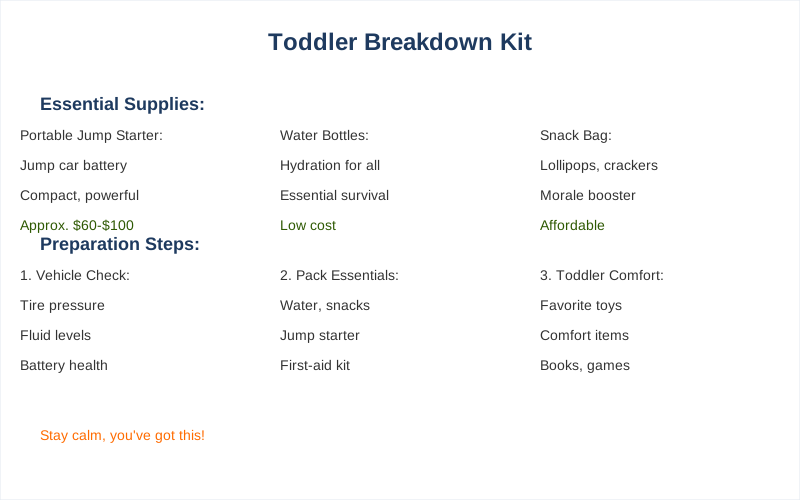
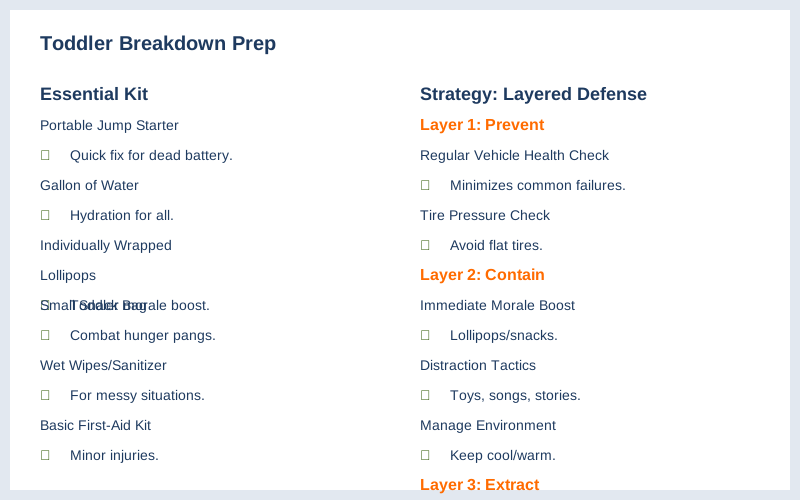
My current load-out for this specific threat: a fully charged portable jump starter, a gallon of water, and a ziplock of individually wrapped lollipops. Total prep time: 5 minutes before leaving the driveway. The alternative? A 2-hour wait for a tow truck and a roadside meltdown that will haunt your dreams.
The Short Answer
The Reality Check
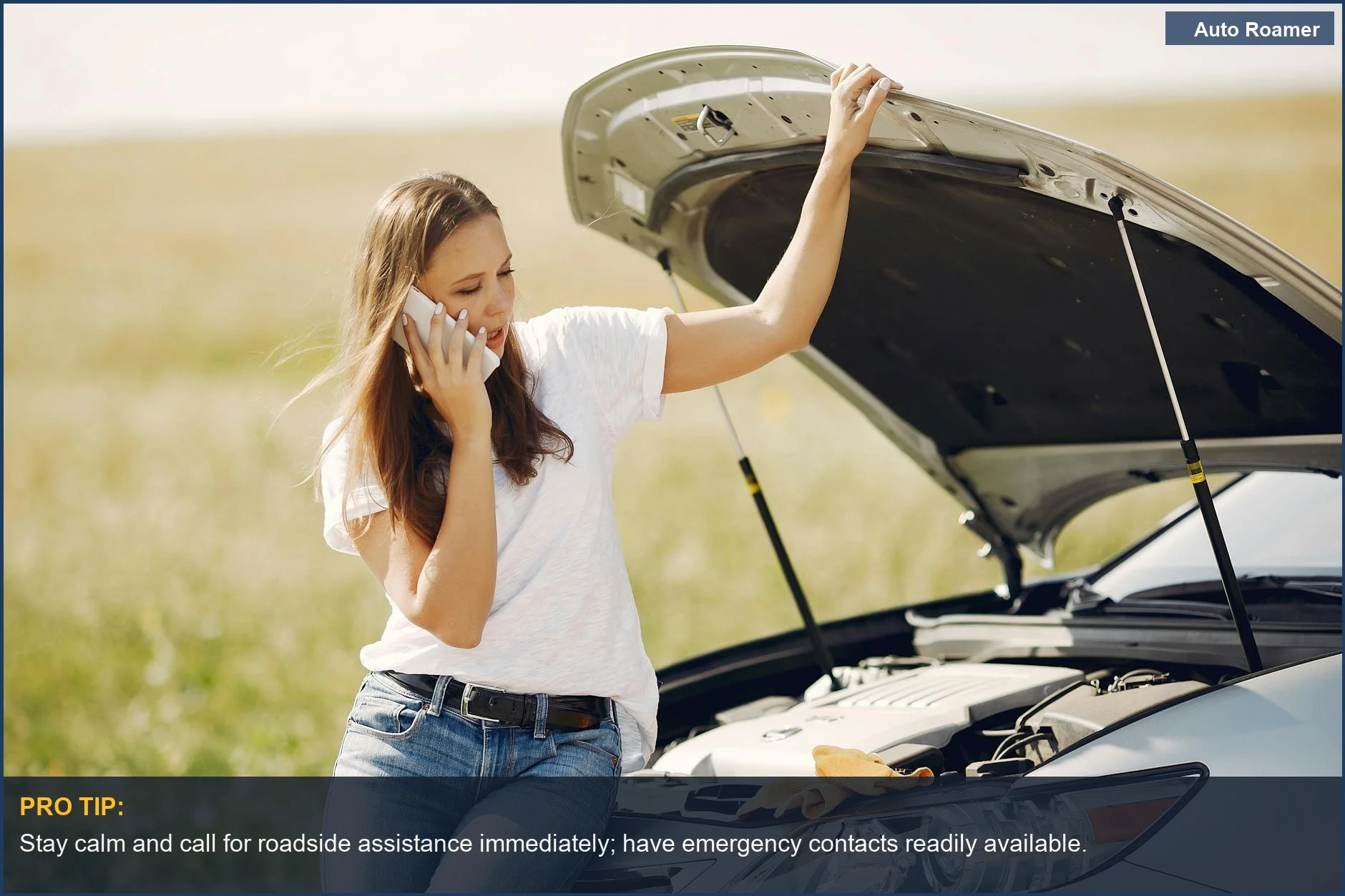
You're driving a mobile life support system, not just a car. Every component failure has a ripple effect, especially when you have a 30-pound human strapped in the back. The most common breakdowns aren't exotic; they're mundane failures that become catastrophic with a toddler onboard. My personal debriefs always start with the basics. Always double-check car seat fit before any long drive. A loose car seat is a ticking time bomb. Your battery has a 3-5 year lifespan, but extreme temperatures reduce that significantly. A battery at 32 degrees F has 65% of its cranking power. At 0 degrees F, it's only 40%. Meanwhile, your engine needs more power to start in the cold because the oil is thicker. It's a lose-lose scenario. The extraction time for a dead battery in a suburban parking lot is 30 minutes. On a rural road? Double that, easily. Gather supplies for entertainment to manage the waiting game. Your tires are your only contact with the road, and they're often the most neglected. A slow leak can turn into a blowout in minutes, especially at highway speeds. The threat level from a flat tire with a toddler is not just inconvenience; it's a safety hazard. Changing a tire on the shoulder of a busy highway with a curious toddler is a recipe for disaster. This is why I carry a tire repair kit and a portable air compressor. It's a 10-minute fix versus a 2-hour wait.| Component | How It Fails | Symptoms | Fix Cost (DIY/Shop) |
|---|---|---|---|
| Battery | Internal cell degradation, cold weather impact | Slow crank, no crank, dim lights | $120 / $250 |
| Tire | Puncture, low pressure, sidewall damage | Flat, pulling to one side, vibration | $30 kit / $180 replacement |
| Cooling System | Leaking hose, failed thermostat, low coolant | Overheating, steam from hood | $50 / $400 |
| Fuel System | Clogged filter, failed pump, empty tank | Engine sputtering, no start | $40 / $600 |
| Alternator | Internal rectifier/regulator failure | Battery light on, dim lights, eventual dead battery | $200 / $700 |
How to Handle This
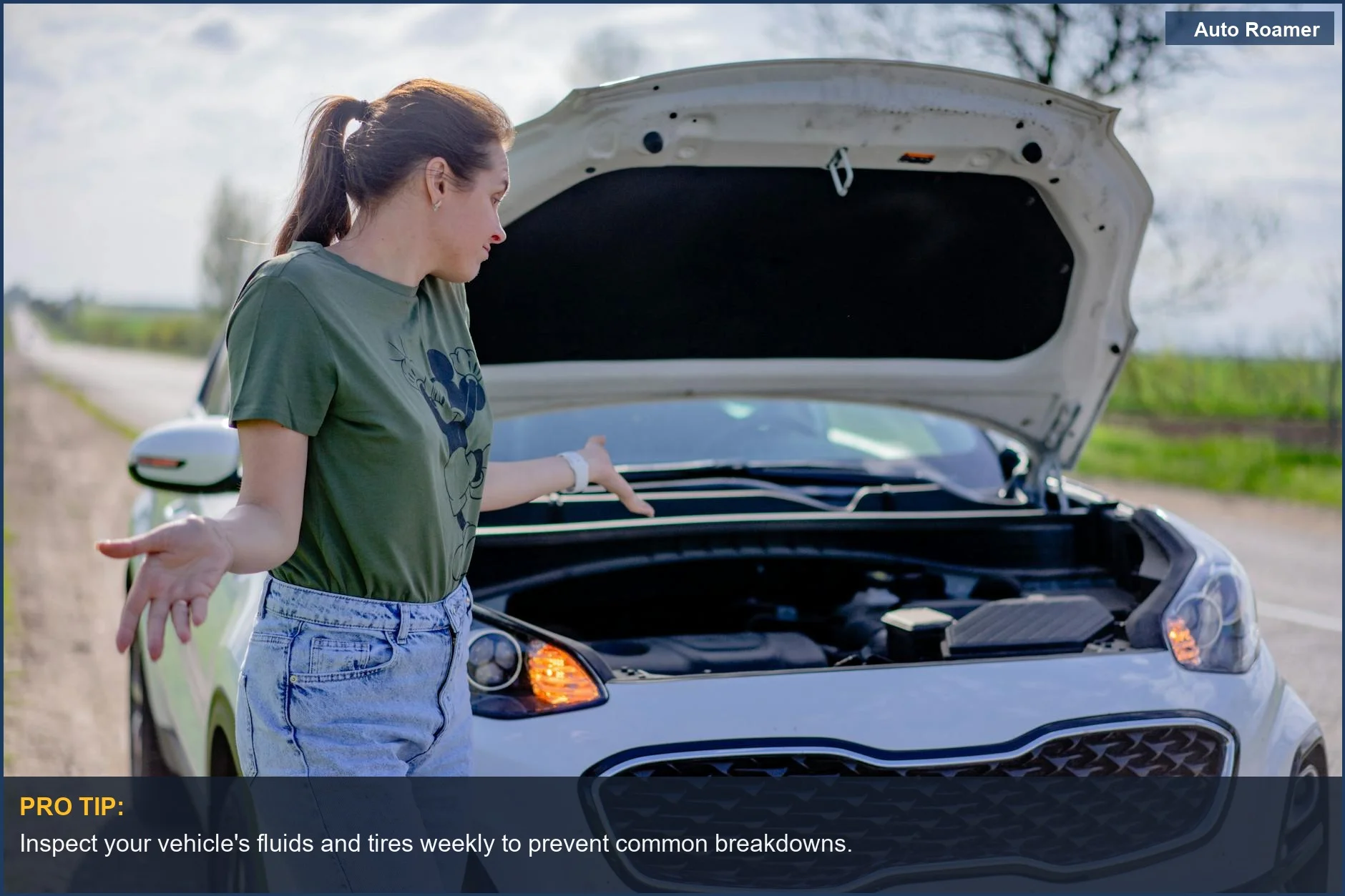
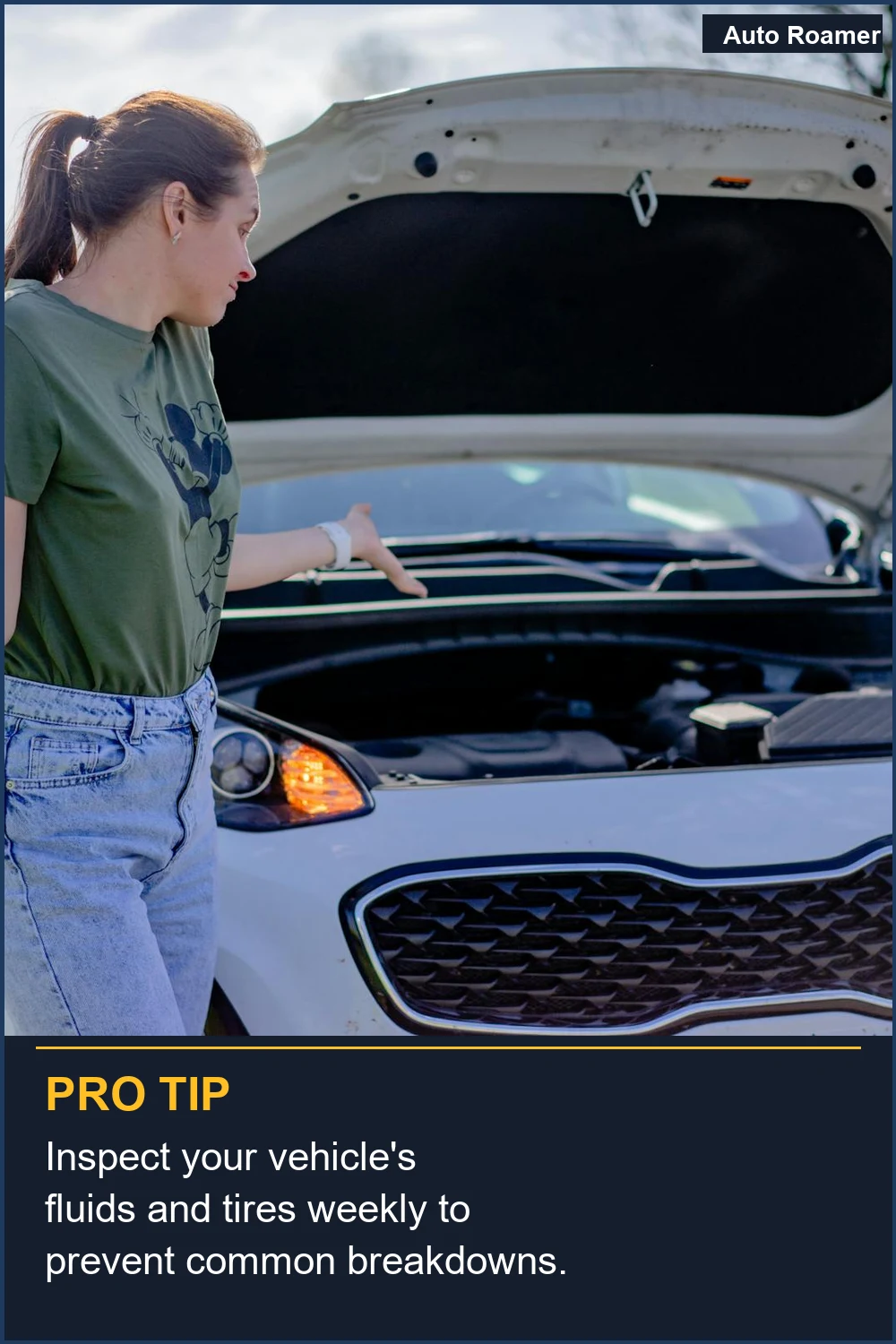
1. Pre-Deployment Vehicle Check (15 minutes): Before you even think about buckling a toddler in, do a quick systems check. Check tire pressure - every 10 degrees F drop in temperature reduces tire pressure by 1 PSI. Check fluid levels: oil, coolant, windshield washer. Ensure basics are up to date, like oil changes and tire pressure. This isn't optional; it's your first line of defense against the roadside ambush. 2. Emergency Load-Out Deployment (10 minutes): Pack a dedicated emergency kit for the *car*, not just the kids. This includes a portable jump starter, a tire repair kit with a compressor, a basic tool set (wrenches, screwdrivers), and a reflective safety vest. For the kids, my load-out includes a gallon ziplock of non-perishable snacks (goldfish, fruit snacks), a full water bottle for each passenger, and a small, quiet toy. Keep a tote of picture books handy and turn on the tunes to pass the time. 3. Toddler Containment Protocol (Immediate): If you break down, first priority is safety. Get to the safest possible spot off the road. Turn on hazard lights. No one should leave the vehicle if they don't have to. For the toddler, deploy the emergency snack and toy stash. This is your distraction protocol. A new toy, even a cheap one, can buy you 20 minutes of quiet. Keep them buckled as long as possible. The car seat is a containment device. 4. Communication and Extraction (Ongoing): Immediately call roadside assistance or a trusted contact. Provide your exact location. While you wait, manage the internal environment. If it's hot, crack windows or use battery-operated fans. If cold, huddle with blankets from your emergency kit. Explain to the toddler, in simple terms, what's happening. My go-to line: 'The car is taking a nap, and we're waiting for a helper.' Consider a morning nap if your child is prone to car napping to extend your window of peace. 5. Post-Extraction Debrief (After the fact): Once the immediate crisis is over, review what worked and what didn't. Did you have enough water? Was the entertainment sufficient? Was the wait time acceptable? Adjust your load-out and protocols for the next mission. Every breakdown is a learning opportunity, not just a bad memory. This debrief is critical for refining your tactical readiness.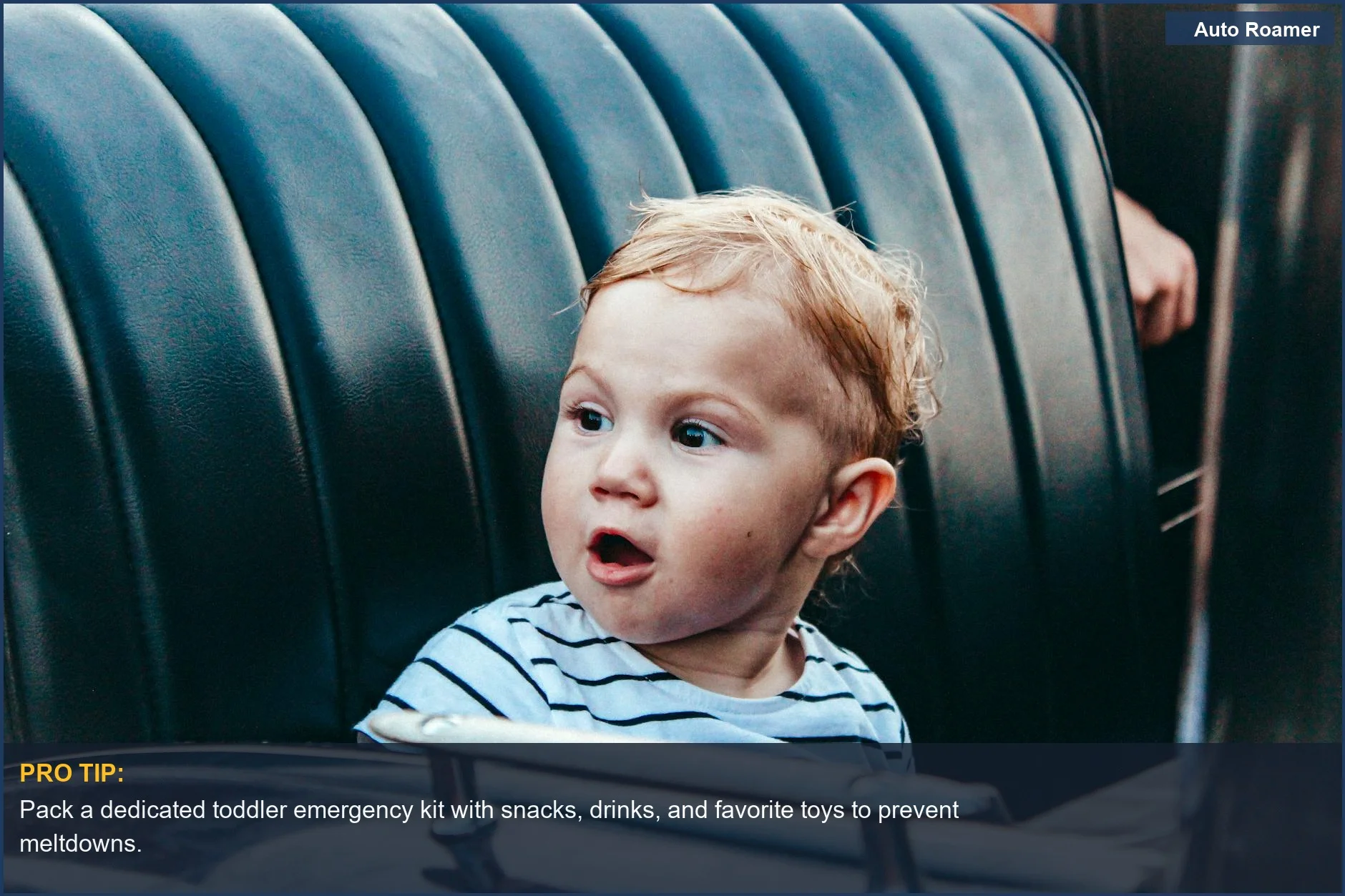
What This Looks Like in Practice
Scenario 1: Flat Tire on a Rural Highway. Threat Level: High. You're 40 miles from the nearest town, no cell service. Toddler is asking for juice, which you forgot to pack. Load-out Failure: No tire repair kit, no spare. No extra drinks. Zero entertainment. Consequence: 3-hour wait for a tow, $250 bill, dehydrated and screaming toddler. You're now on a first-name basis with the local sheriff. Keep your kids close and be aware of your surroundings. Scenario 2: Dead Battery in a Grocery Store Parking Lot. Threat Level: Moderate. Civilization is nearby, but your jumper cables are in the garage. Toddler is demanding a specific snack you don't have. Load-out Success: Portable jump starter in the trunk. Emergency snack bag deployed. Consequence: 15-minute fix. Toddler momentarily appeased. Mission accomplished with minimal collateral damage. Total cost: $70 for the jump starter. Scenario 3: Overheating Engine on a Hot Day. Threat Level: Critical. Steam is pouring from under the hood. It's 95 degrees F. Toddler is overheating and crying, demanding to get out of the car. Load-out Failure: No extra water for the radiator, no battery-operated fan. No plan for external heat containment. Consequence: Emergency services called. Toddler removal from car seat into direct sun. Risk of heatstroke. $500 tow and repair. Avoidable. Scenario 4: Toddler Vomit Biohazard. Threat Level: Immediate. Projectile vomit covers car seat and adjacent upholstery. 60 minutes before permanent staining. 5 minutes before the smell becomes unbearable. Load-out Success: Gallon ziplock with plastic bags, baby wipes, and a change of clothes for the toddler. Extra beach towel for seat coverage. Consequence: Contained spill. Quick cleanup, minimal odor. A minor setback, not a mission abort. Total prep: $10 for the ziplock kit.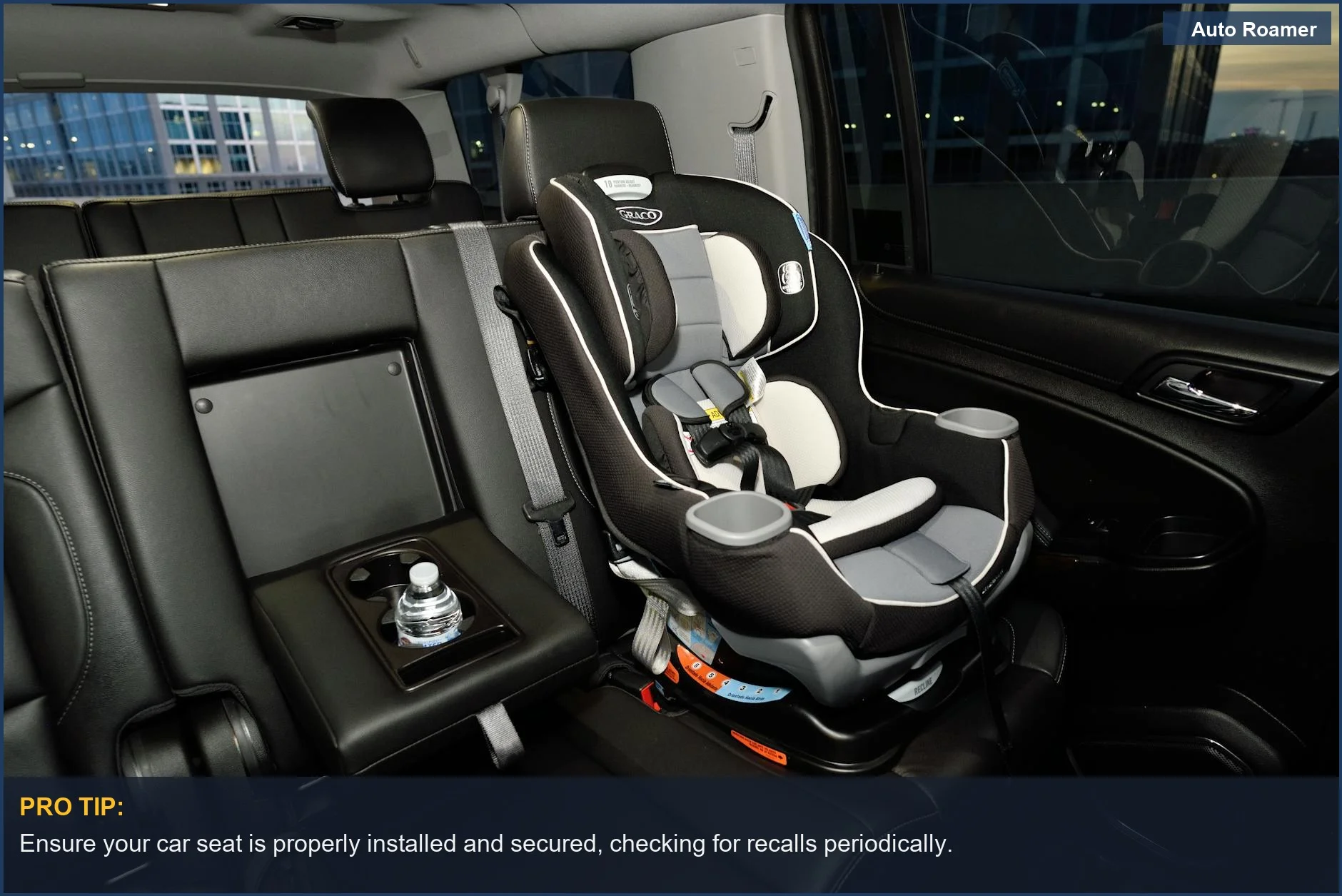
Mistakes That Cost People
| Mistake | Consequence | Extraction Protocol |
|---|---|---|
| Assuming full cell service everywhere | Cannot call for help, stranded longer | Pre-load offline maps, tell someone your route |
| Relying on car's charging ports for phones | Dead phone when car dies | Portable power bank (10,000 mAh minimum) |
| No emergency cash | Cannot pay for small fixes or snacks if cards fail | $50 cash in an obscure, waterproof pouch |
| Underestimating toddler's hydration needs | Dehydration, increased fussiness, health risk | Gallon of water, individual water bottles for each passenger |
| Forgetting a change of clothes for toddler (and you) | Biohazard exposure, prolonged discomfort | Full change of clothes in a ziplock, for everyone |
| No designated 'emergency entertainment' | Rapid toddler meltdown, increased stress | Small, novel toy (new sticker book, quiet fidget toy) |
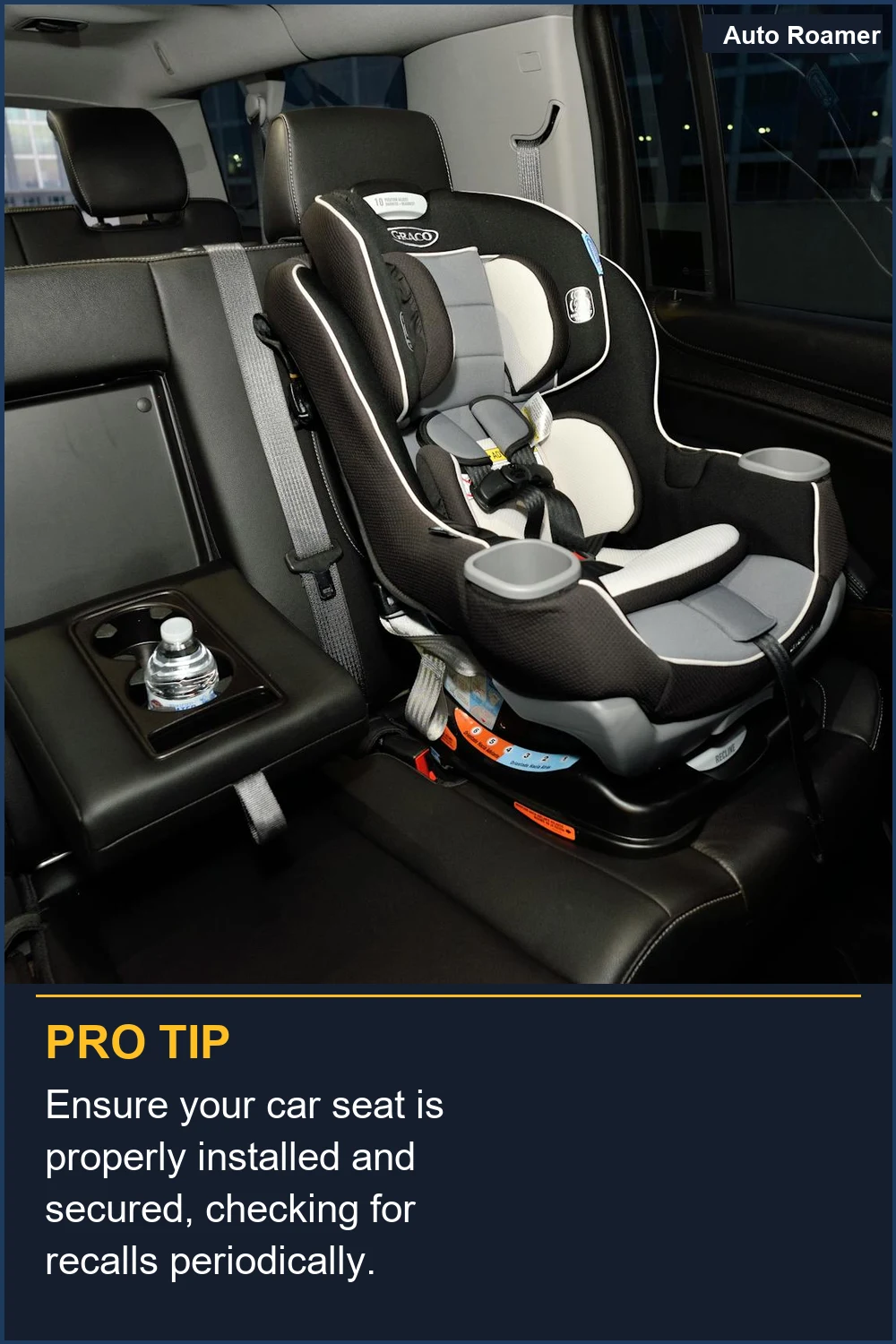
| Not checking car seat installation before trip | Safety hazard in event of sudden stop or collision | Perform a 5-minute 'wiggle check' on car seat base |
Key Takeaways
The chaos of a car breakdown with a toddler onboard is not a matter of 'if,' but 'when.' My field-tested approach prioritizes biohazard containment and logistic survival above all else. You're a tactical commander, not just a driver.- Pre-emptive Strike: Perform basic vehicle checks (tires, fluids, battery) before every mission. This is your first line of defense against unexpected systems failure.
- Strategic Load-Out: Equip your vehicle with a dedicated emergency kit. This means a portable jump starter, tire repair kit, basic tools, and a power bank.
- Toddler Containment Unit: A gallon ziplock with snacks, water, a quiet toy, and a change of clothes is non-negotiable. This manages the internal threat level.
- Extraction Protocol: Invest in a roadside assistance membership. The cost of $60-$100 annually is a sanity-saver, avoiding 2-hour waits and $200 tow bills.
- Debrief and Adapt: Every incident is a lesson. Review what worked and what didn't to refine your load-out and protocols for the next deployment. Make sure your car's basics are up to date, like oil changes and tire pressure.
Frequently Asked Questions
Is a $60 roadside assistance membership really worth it when I can just call a local tow company?
Do I actually need a portable jump starter if I have jumper cables?
What if I meticulously pack my emergency kit, but my toddler still has a full-blown meltdown?
Can leaving my car's hazard lights on for hours drain my battery further?
My friend says I don't need a portable air compressor if I have a spare tire. Is that true?
🏅 Looking for Gear Recommendations?
Check out our tested gear guides for products that work with this setup:
Sources
- How to Survive a Road Trip With a Toddler (2026 Complete Guide)
- Tried and True Road Trip Hacks - TulsaKids Magazine
- How to Survive a Long Road Trip with Toddlers - Caramelized
- 26 Child Car Safety Tips You Need to Know this Year
- Getting through car rides with a toddler? : r/moderatelygranolamoms
- Car seat tips for road trips, taxis and planes: Safe holiday travel for ...
- Expert Tips On Road Trips And Car Seat Safety For 2026 - Forbes
- Road trip tips for parents of toddlers - Sanford Health News
- Stranded On The Road With Toddlers - Tips For A Road-Trip ...
- Baby on Board? Follow These Safe Driving Tips.
- Stranded On The Road With Toddlers - Tips For A Road-Trip ...