
How to Prepare Your Car for Snow and Ice: A Pre-Trip Checklist
Preparing your car for snow and ice isn't just about avoiding a tow truck; it's about not becoming a cautionary tale on a freezing highway. My first winter driving experience involved a surprise blizzard on I-81, zero preparation, and a frigid 3-hour wait for a tow that felt like 3 days.
Preparing your car for snow and ice isn't just about avoiding a tow truck; it's about not becoming a cautionary tale on a freezing highway. My first winter driving experience involved a surprise blizzard on I-81, zero preparation, and a frigid 3-hour wait for a tow that felt like 3 days. This isn't about fancy diagnostics; it's about basic survival, and I learned most of this the hard way.
We're talking about the stuff that actually matters when the temperature plummets and the roads turn into skating rinks. NHTSA and others have checklists, but they don't always tell you the 'why' behind the 'what'.
The Core Answer
Alright, let's talk about what really matters before the white stuff starts flying. First up, tires. Your all-seasons might be fine for a dusting, but for real snow and ice, you need to consider dedicated winter tires. I learned this the hard way near Canaan Valley, WV, during a sudden ice storm. My 'good enough' tires spun like a hamster wheel for 20 minutes trying to get up a slight incline. The real move here is tread depth. If it's down to 4/32 of an inch, you're basically driving on slicks. Mr. Tire mentions this, and they're not wrong. Check your spare, too. Nobody likes a flat in the middle of nowhere when it's 10 degrees F. Automotive RX agrees, and it's a smart move. Next, the battery. Cold weather is the battery's mortal enemy. It turns a sluggish battery into a completely dead one. My battery gave up the ghost at 5 AM in a Walmart parking lot, and let me tell you, that's not a fun way to start the day. I always get mine tested before winter now. If it's showing signs of weakness, a new one is cheaper than a tow and a hotel. Speedwrench suggests 600 CCA for winter, and that's a solid target. A2Z Complete Car Care also emphasizes checking those terminals for corrosion. Fluids are critical. Antifreeze is non-negotiable. A 50/50 mix is usually the sweet spot to prevent your engine from freezing solid. I once saw a guy whose radiator burst because he skimped on the good stuff. Not pretty. Pro Auto Illinois reminds us to check oil, brake fluid, and washer fluid too. Get a winter-grade washer fluid, or you'll be scraping ice off your windshield while driving. Brilliant engineering. Don't forget your wipers and lights. Worn-out wipers smear snow and ice, making visibility worse than a bad horror movie. Check your headlights, brake lights, and turn signals. Being seen is just as important as seeing. WBNS 10TV highlights this, and it's a no-brainer. Lastly, pack an emergency kit. Jumper cables, a blanket, flashlight, some non-perishable snacks. It's the $50 version of peace of mind.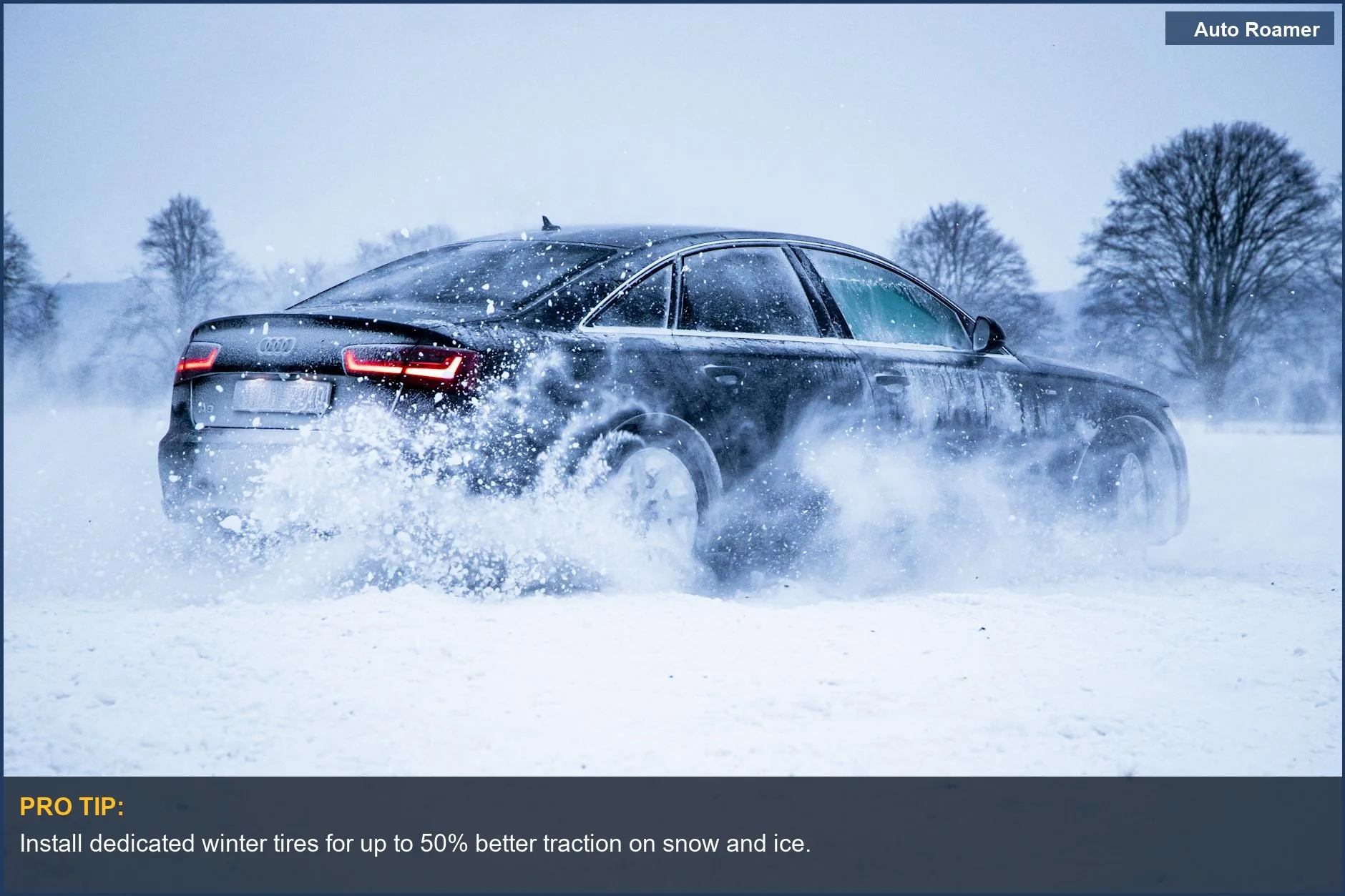
Why This Matters for Your Setup
Why does all this matter for your weekend warrior setup? Because your car is your mobile base camp. If it won't start or handle the road, your entire trip is toast.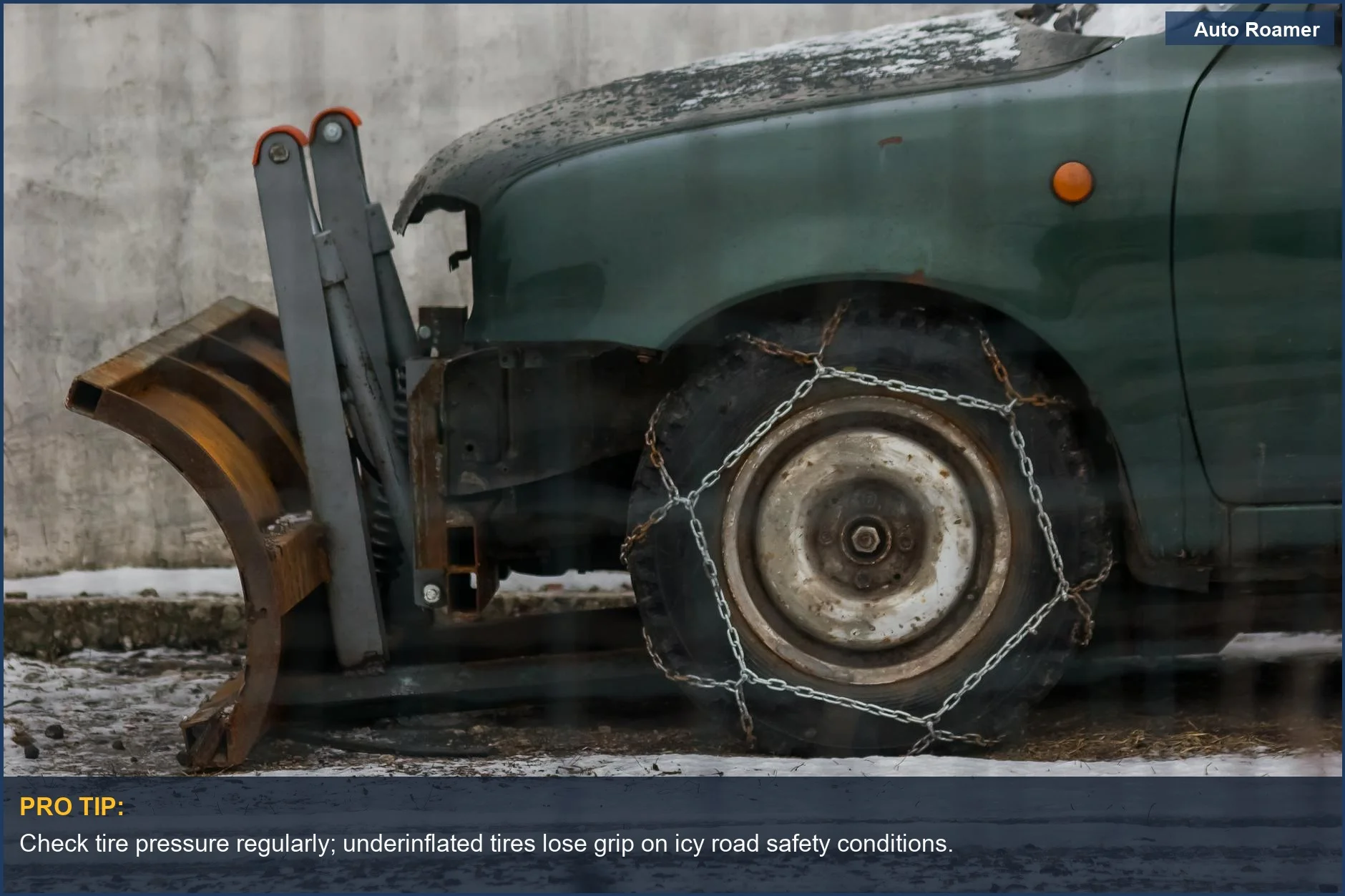
Making the Right Choice
Making the right choices before winter hits can save you a lot of headaches, and potentially, a lot of money. It's about being prepared, not paranoid.
Frequently Asked Questions
Is it cheaper to get my tires changed at the dealership or a tire shop before winter?
Do I really need one of those tire pressure gauges that reads in PSI, or can I just eyeball it?
What if I get winter tires and still slide into a ditch?
Can running on old, worn-out tires for too long permanently damage my car's suspension?
I heard that if your battery is weak, you should just avoid using electronics in the car. Is that true?
🏅 Looking for Gear Recommendations?
Check out our tested gear guides for products that work with this setup:
Sources
- facebook.com
- automotiverx.com
- a2zcompletecarcare.com
- Holiday Road Trip Safety: Your Winter Travel Checklist with Mr. Tire
- Car Winterization Checklist | Tips to Get Your Car Winter Ready
- 8 Quick Step Guide to Winter Car Preparation for Family Road Trip
- Winter Weather Driving Tips: Prepare Your Vehicle | NHTSA