
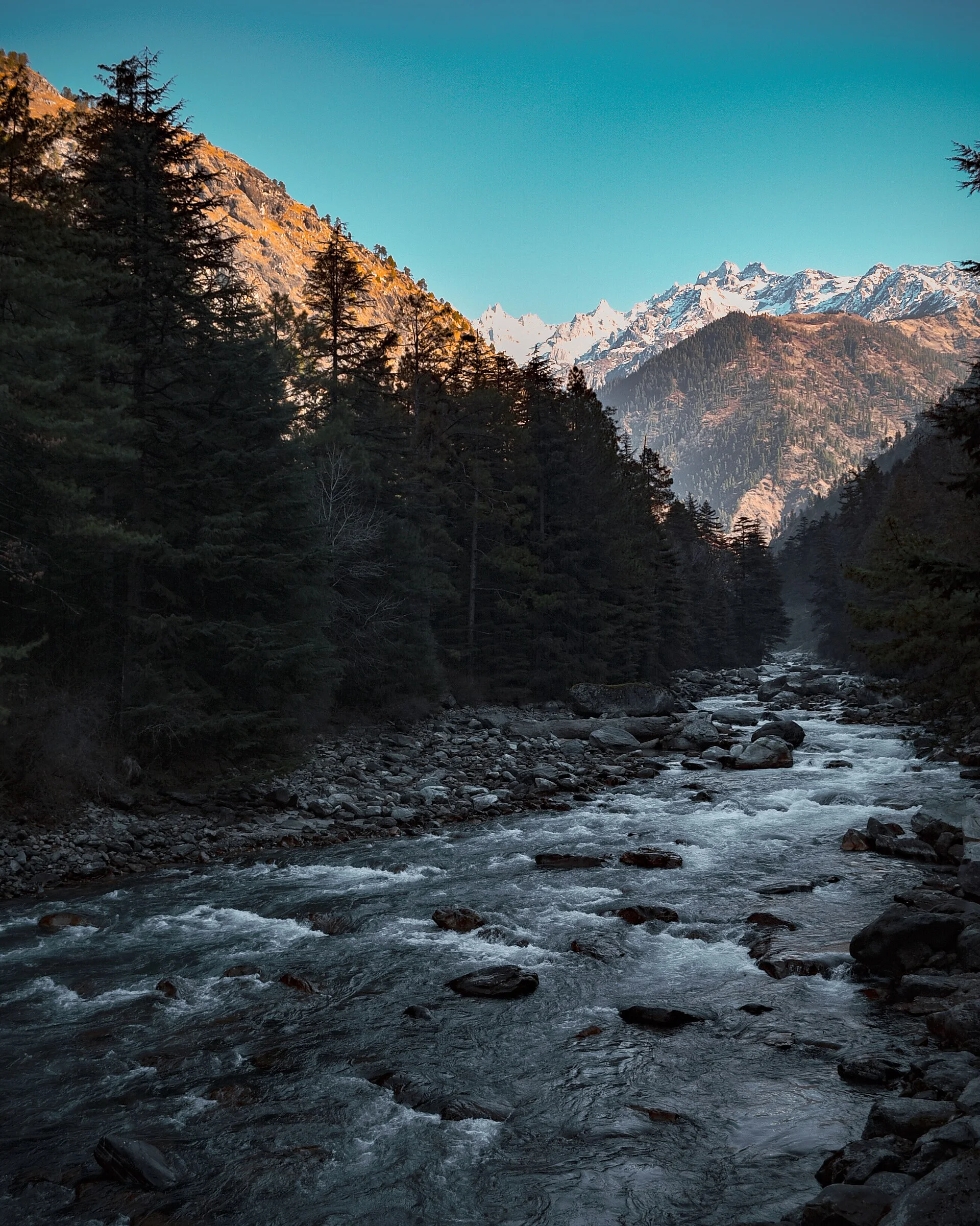
Water Is the One Thing You Can't Improvise
After 140,000 overland miles I have learned to improvise almost everything — a busted latch, a missing tool, a wrong turn. The one thing you cannot improvise is water. Run low a long way from a tap and every other plan collapses, because a person can push through cold, discomfort, and boredom, but not thirst. Finding and treating water is the survival skill that quietly underwrites every good car-camping trip.
The good news is that water on the road is a solvable problem if you plan for it, and the bad news is that most people do not plan until they are already low. They treat water as something that will turn up, and usually it does — until the trip it does not, and a relaxed weekend becomes a tense drive looking for a spigot.
This guide is the way I actually manage water on a trip: carry your baseline, know where to refill, and treat anything you find in the wild before you trust it. None of it is complicated, but all of it has to be a habit, because water problems do not announce themselves until you are thirsty.
I test the slow, brutal way, a long way from a parts store, and water is where that caution matters most. The advice below leans on published health guidance for treatment, because this is the one area of camping where guessing has real consequences, and the impersonal spec — what the CDC and Leave No Trace actually say — beats any campfire folk remedy.
Plan Your Water Before You Need It
The first rule is that your baseline water comes with you, full, before the trip starts. Finding water on the road is a supplement to what you carry, not a substitute for it. Leave with your containers full and you turn every refill into a bonus rather than an emergency, which is the whole difference between relaxed and anxious water management.
A common planning guideline is about 1 gallon of water per person per day for drinking and basic needs, and more in heat or at altitude. Use that as a floor, not a ceiling: cooking, cleaning, and a margin for a delayed refill all argue for carrying extra. Water is heavy and it counts against your payload, but running out is worse than carrying a little too much.
Think in terms of a reserve you never dip into unless something goes wrong. If you carry a few days of water and refill opportunistically along the way, you always have a cushion for the day the planned source is dry, closed, or farther than the map suggested. That reserve is what lets you drive past a questionable water source instead of being forced to use it.
The overlander's habit is to know your daily use from experience and pack to it plus a margin. Track how much you actually go through on a trip or two, and you will pack water with the same confidence you pack fuel — as a known quantity with a reserve, not a hopeful guess that leaves you rationing on day three.
Where to Find Water on the Road
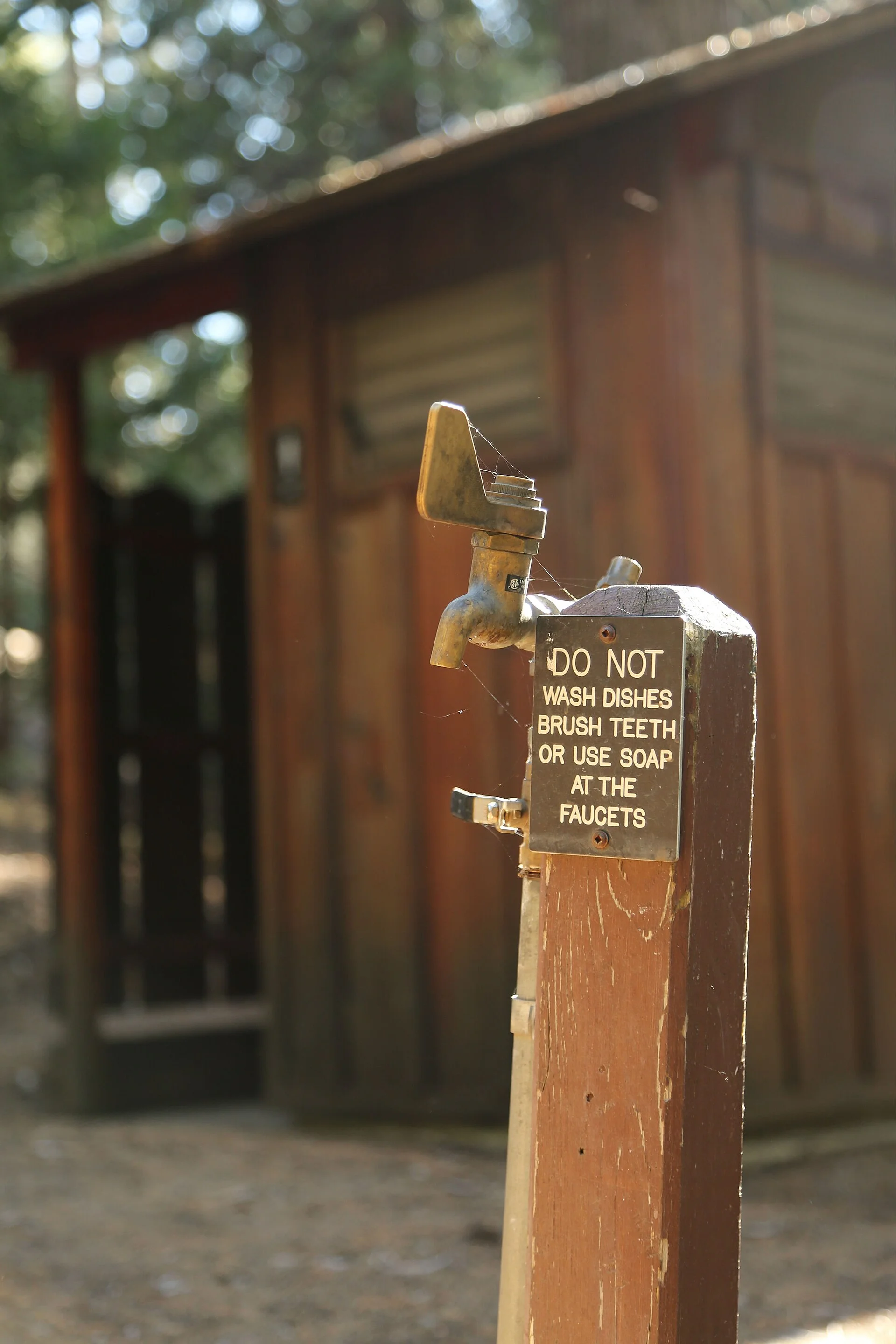
Refilling is easy once you know where to look, and the road is full of water if you are paying attention. Established campgrounds are the obvious first stop: most have potable water spigots, and filling every container before you leave a campground is free, safe, and the simplest refill there is. Never roll out of a campground with empty jugs.
Beyond campgrounds, the built world is generous with water. Ranger stations, visitor centers, rest areas, gas stations, and grocery stores frequently have potable water available, and a friendly ask at a small-town business rarely gets a no. In town, any tap you can reach is a refill, so a supply run is also a water run if you plan it that way.
This is also where phone apps earn their keep. Several camping and overlanding apps map potable water sources, dump stations, and spigots along popular routes, and checking one before a remote stretch tells you where your next reliable refill is. Knowing that in advance is what lets you commit to a backcountry night without water anxiety.
The key distinction is potable versus not. Spigots at campgrounds and public buildings are usually treated and safe to drink directly; a stream, lake, or unmarked tap is not. Fill from known potable sources whenever you can, because water you do not have to treat is always better than water you do, and it saves your treatment gear for when you actually need it in the backcountry.
Natural Water Sources in the Backcountry
When you are far from a spigot, the backcountry has water — streams, rivers, lakes, and springs — but none of it is safe to drink as you find it, no matter how clear or cold it looks. Clear mountain water can carry parasites, bacteria, and viruses that will ruin a trip and land you in real trouble a long way from help. Treat everything from a natural source, without exception.
Finding the water is usually the easy part. Follow the terrain downhill to drainages, look for green vegetation that signals moisture, and use your maps, which mark streams and lakes. Flowing water is generally preferable to still water because it is less likely to be stagnant, but flowing does not mean clean, and it still requires treatment.
Collect the clearest water you can, because clarity makes treatment easier and more effective. Draw from a flowing section rather than a muddy bank, avoid water near obvious contamination like animal activity or a trail crossing, and if the water is cloudy, let it settle or pre-filter it through a cloth before treating. Cleaner input means your treatment works the way it is supposed to.
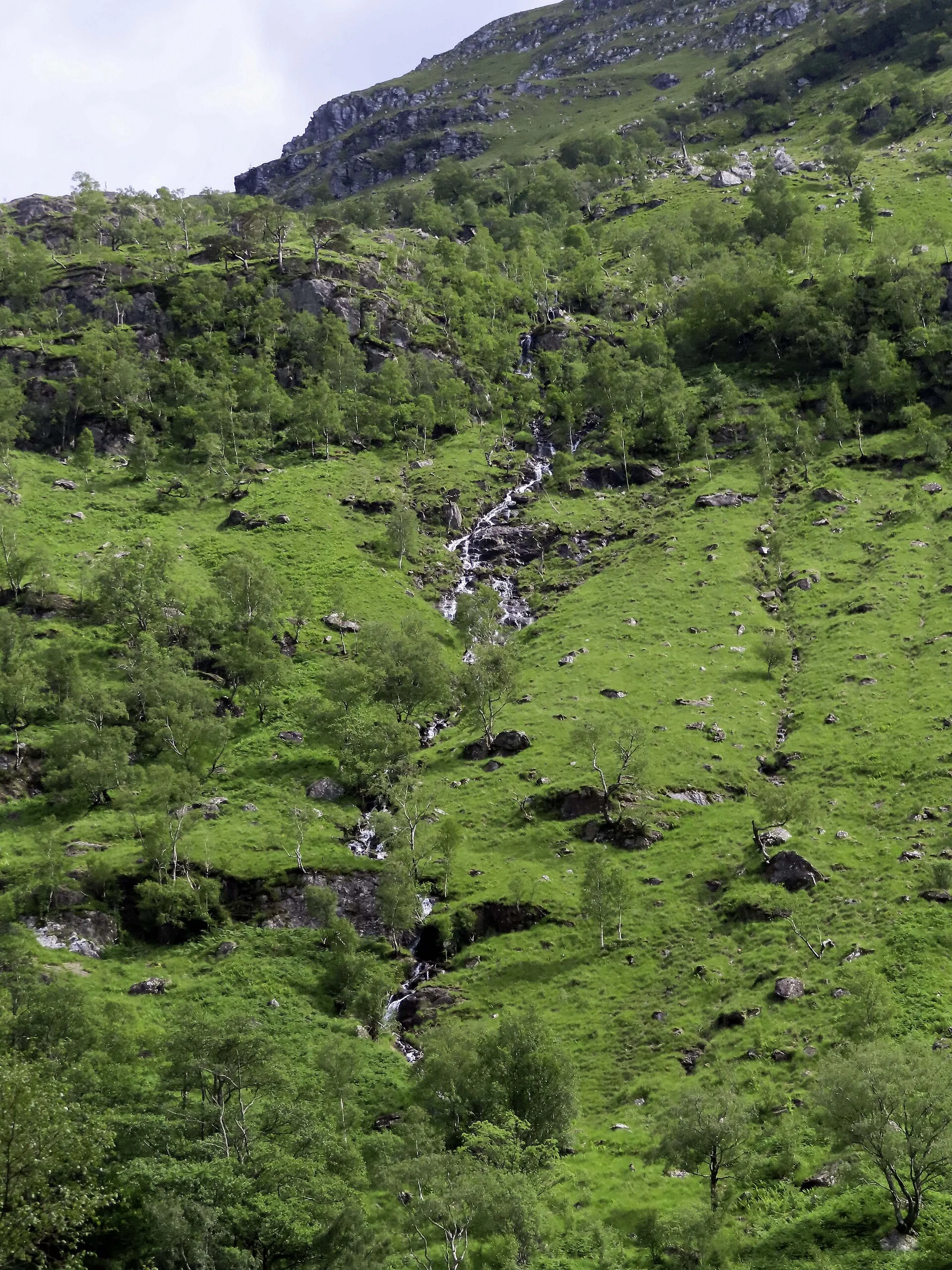
The overlander's mindset is to see backcountry water as raw material, not a drink. It is abundant and reachable in most terrain, which removes the fear of running dry, but it is only useful once treated. Knowing you can find and treat water in the wild is what turns a remote area from intimidating into simply another place you know how to operate.
Treating What You Find: Boiling
Boiling is the most reliable way to make wild water safe, and it is the method to fall back on when you want certainty. The CDC advises bringing clear water to a rolling boil for 1 minute to kill germs, and at elevations above 6,500 feet to boil for 3 minutes, because water boils at a lower temperature the higher you go.
The reason boiling is the gold standard is that, except for boiling, few water-treatment methods are 100 percent effective against all pathogens. Heat kills the parasites, bacteria, and viruses that filters and chemicals may miss, which is why boiling is the method health authorities lean on hardest. When in doubt, boil.
The practical cost of boiling is fuel and time. You need a stove or fire, something to boil in, and the patience to let the water cool before you drink or store it. For a car camper with a stove already aboard, that cost is modest, and boiling a batch in the morning to fill your bottles for the day is an easy routine once you build it.
Remember the altitude adjustment, because it is easy to forget and it matters. In the mountains, where a lot of the best car camping happens, that 3-minute boil above 6,500 feet is the correct target, not the sea-level 1 minute. Getting it right is the difference between water that is actually safe and water that merely feels like it should be.
Filters and Purifiers: What They Do and Don't Remove
Filtering is faster and more convenient than boiling, but you have to understand its limits, because not all filters do the same job. Most portable water filters remove parasites but not viruses or bacteria, which means a basic filter alone may not make water fully safe depending on what is in it. Knowing your filter's rating is not optional.
The number that matters is pore size. A filter with an absolute pore size of 0.3 micron or smaller removes bacteria and parasites, but still not viruses. In most of the backcountry United States, parasites and bacteria are the primary concern, so a good filter handles the usual threats — but virus risk rises with human contamination, which is where filtering alone falls short.
That is why the reliable approach is often to filter and then disinfect. Filtering removes the particulates and the larger pathogens, and a follow-up disinfection step — chemical treatment or boiling — handles the viruses a filter misses. Belt and suspenders is the right instinct with water, because the failure mode is genuinely unpleasant and sometimes dangerous.
For most car campers, a quality filter is the everyday tool and boiling is the backup for certainty. A dependable backpacking water filter rated to 0.3 micron covers the common threats and makes treating found water quick enough that you will actually do it, which is the real test of any water plan — whether you keep using it when you are tired.
Leave No Trace With Water
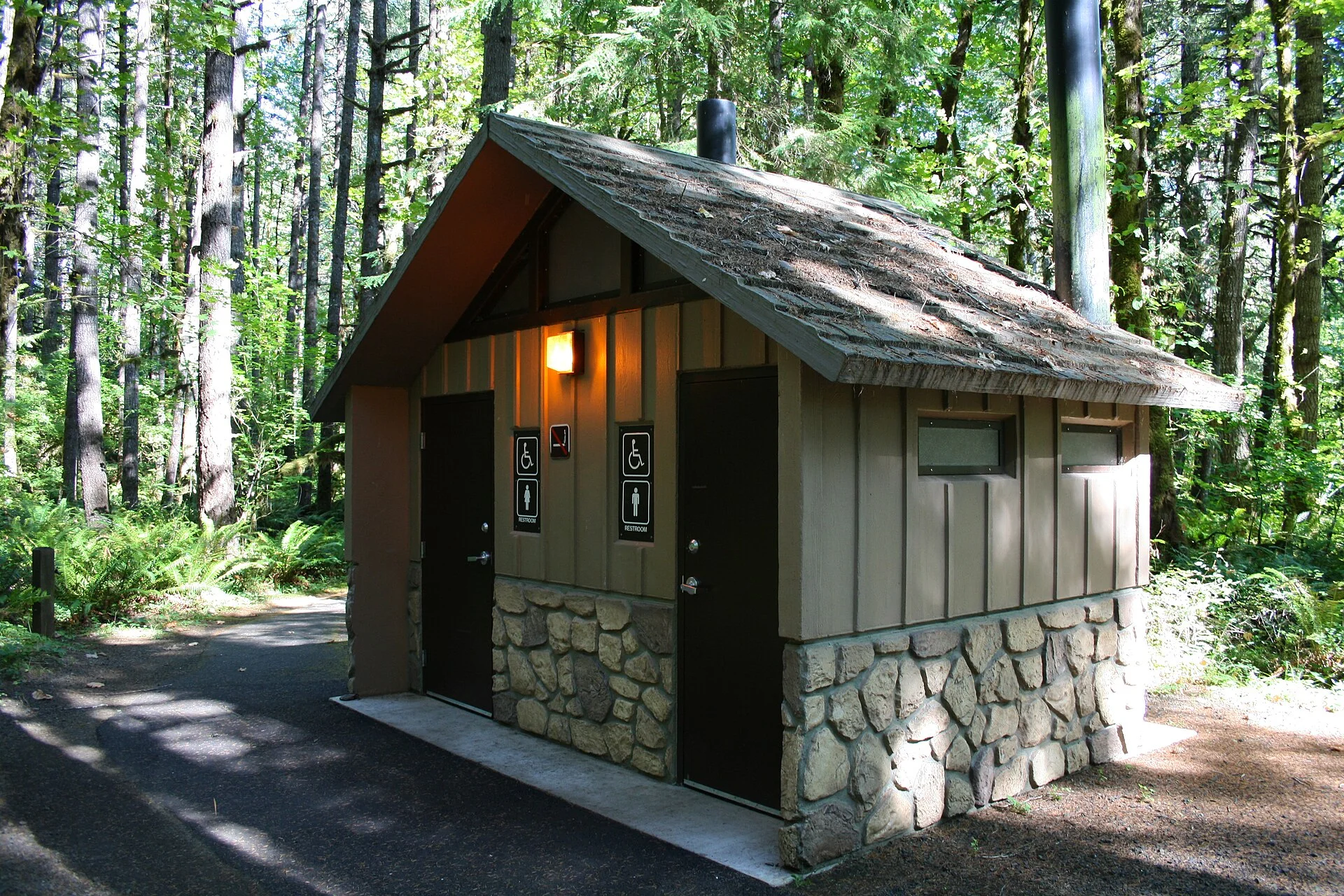
Finding water comes with a responsibility, because water sources are shared and fragile, and how you treat them determines whether they stay usable for the next person and the wildlife that depends on them. The core Leave No Trace guidance is to camp, wash, and dispose of waste at least 200 feet from any water source.
That 200-foot buffer exists because soap, food scraps, and human waste near a stream or lake contaminate the exact water everyone downstream will drink. Even biodegradable soap is a pollutant in a waterway, so washing dishes or yourself right at the water's edge is both bad practice and, in many places, against the rules. Carry water away from the source to wash, and scatter the used water on soil where it filters naturally.
The same buffer applies to where you camp and where you go to the bathroom. Keeping your site and your waste well back from water protects the source and keeps the area pleasant and safe for everyone who comes after you. It is a small discipline that has an outsized effect on keeping wild water drinkable.
The overlander's view is that water discipline is part of being competent outdoors, not an optional courtesy. The 200-foot rule is easy to honor once it is a habit, and it protects the very resource that makes remote camping possible. Treat the water sources you find as something to protect, not just consume, and they will be there, clean, on your next trip and everyone else's.
How Much to Carry and When to Refill
Tying it together is a simple rhythm: carry a solid reserve, refill at every safe opportunity, and treat anything from the wild. Start with your planning baseline of about 1 gallon per person per day plus a margin for cooking, cleaning, and delays, and treat that reserve as sacred — the water you do not touch unless a planned source fails.
Refill opportunistically so you rarely draw the reserve down. Top off at every campground spigot, every town, and every reliable potable source you pass, even when your tanks are only half empty. The habit of topping off keeps you at a comfortable surplus, so a dry or closed source is an inconvenience rather than a crisis.
On remote stretches, plan your refills in advance using maps and apps, and know where your next reliable water is before you commit to a backcountry night. If the gap between reliable sources is long, carry more before you enter it, because the middle of a remote route is the worst place to discover you underpacked. Water math done in the driveway beats water math done thirsty.
The overlander's summary is to make water a system, not a worry: a carried reserve, opportunistic refills from potable sources, and reliable treatment for wild water, all as habits you run without thinking. Do that and you can go deep and stay out longer with total confidence, because the one thing you truly cannot improvise is the one thing you have already handled.
The Verdict: Make Water a System, Not a Worry
Water is the non-negotiable of car camping, and the campers who never think about it are the ones who have built it into a system. Carry a reserve sized around the roughly 1-gallon-per-person-per-day guideline plus a margin, refill at every safe potable source, and treat everything you take from the wild. That is the whole discipline, and it removes the single biggest way a trip goes badly.
For treatment, keep it simple and reliable. Boiling to a rolling boil for 1 minute, or 3 minutes above 6,500 feet, is the certain method; a filter rated to 0.3 micron handles the common parasites and bacteria for everyday use, ideally paired with disinfection where virus risk is higher. Match the method to the water and you are covered.
Respect the source, too. The Leave No Trace 200-foot buffer for camping, washing, and waste keeps wild water drinkable for everyone, and honoring it is part of being competent outdoors rather than just a visitor. The water you protect is the water you and the next camper get to use.
Do all of this and water stops being the thing that limits how far you can go and how long you can stay. It becomes a solved problem you manage on autopilot — a full reserve, known refills, and reliable treatment — which is exactly what frees you to point the vehicle down a longer road and worry about the scenery instead. The one thing you cannot improvise is the one thing you never have to.