
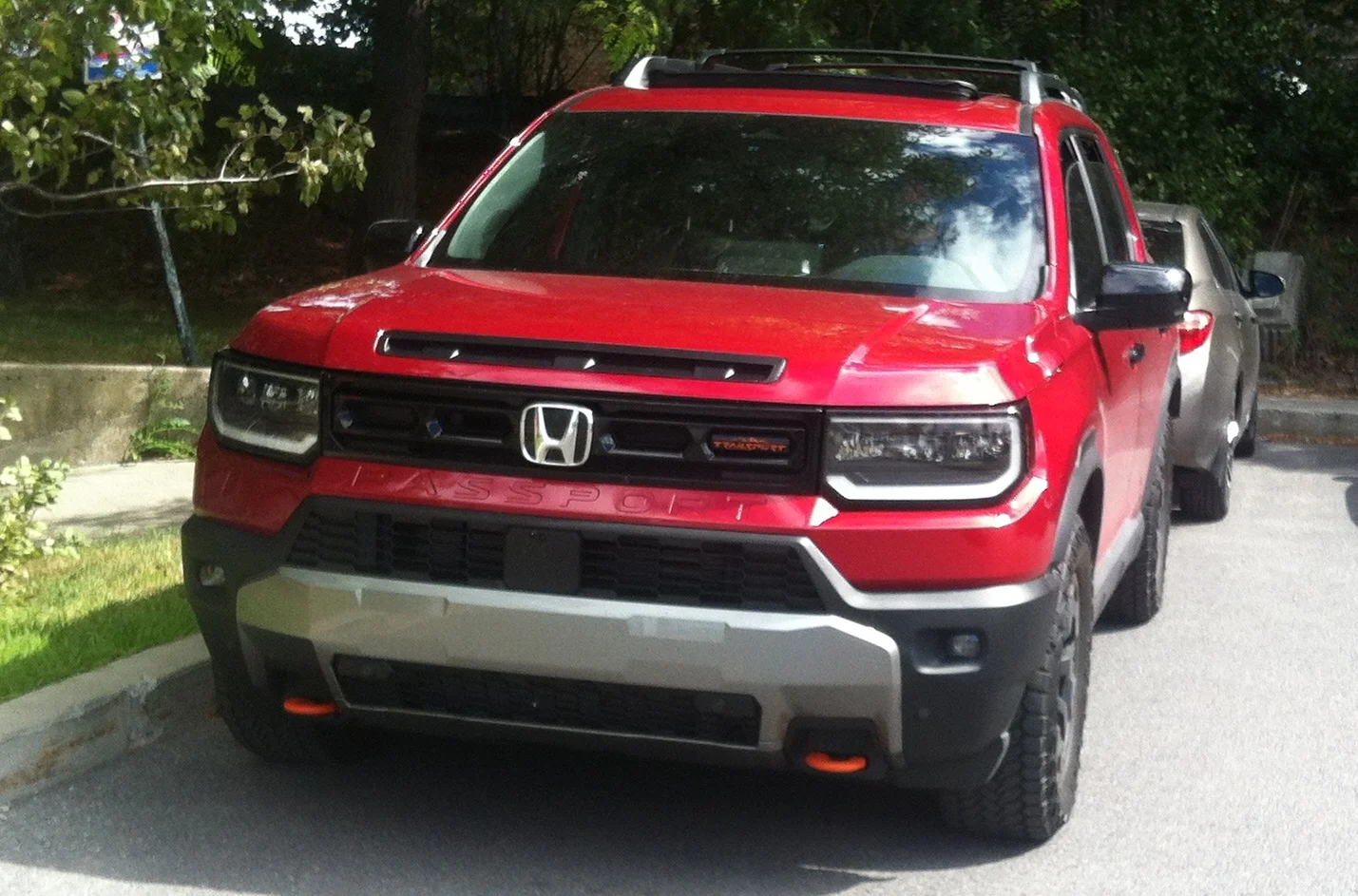
The TrailSport Looks Tougher Than Its Payload Number
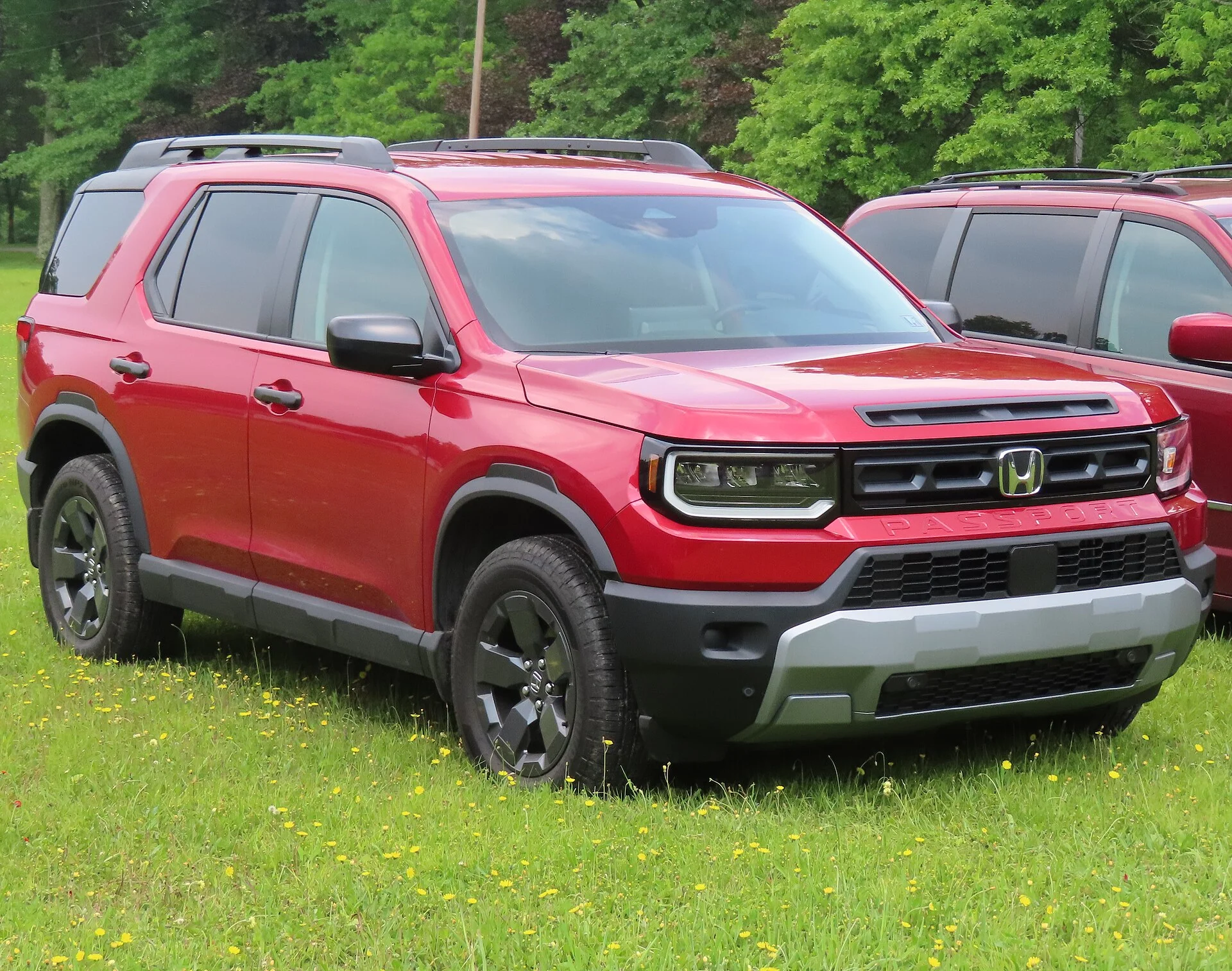
I read a capability sheet the way a builder reads a blueprint — hunting for the one number that decides the job. On the 2025 Honda Passport, especially the rugged-looking TrailSport with its lift and all-terrain tires, that number is the payload, and it is more modest than the truck's tough stance suggests. Published specs put the Passport's maximum payload at about 948 lb, and that figure surprises people who expect an off-road-styled SUV to haul like one.
This matters because the Passport is exactly the kind of vehicle owners love to accessorize — roof racks, rooftop tents, drawers, recovery gear — and every one of those additions spends payload. Start from about 948 lb and the budget disappears faster than on a bigger three-row SUV.
The Passport is a genuinely capable and well-built machine, with a 3.5-liter V6 making 280 horsepower and 262 lb-ft of torque and a roomy 41.2 cubic feet of cargo space behind the rear seats. But roomy is not the same as high-payload, and confusing the two is how a camper overloads a truck that still has space to spare.
This is the installer's guide to Passport payload: what the roughly 948 lb covers, why a rugged SUV carries a modest number, how accessories eat into it, and how to plan a build and a camping load that stays inside the limit the door sticker sets. Every figure here is a published specification.
The Passport's Payload: About 948 lb
Start with the headline the brochure buries: published specifications list the 2025 Passport's maximum payload at about 948 lb. For a mid-size SUV that looks ready to overland, that is a tighter number than the styling implies, and it is the figure that should anchor every loading decision you make.
Payload is the total weight you can add to the empty vehicle — people, cargo, roof load, accessories, and trailer tongue weight combined — so about 948 lb is the whole budget, not just a cargo allowance. Read it as "everything I add, together," and it reframes how much a family and a weekend of gear actually leaves.
The reason every figure here says "about" is that payload varies with trim and equipment, and the definitive figure for any specific Passport is on its driver's door-jamb sticker. The published 948 lb is a useful planning number, but your vehicle's decal is the one that governs, because it accounts for exactly how your Passport was built.
The installer's instinct with a number like 948 lb is to respect it early, before drawing up any build. It is enough for a sensible family and gear load, but it is not a limitless budget you can bolt accessories onto without thinking. Knowing the ceiling up front is what keeps a build from quietly exceeding it — the same discipline as checking a beam's rating before you hang a load on it.
GVWR and Curb Weight, Trim by Trim
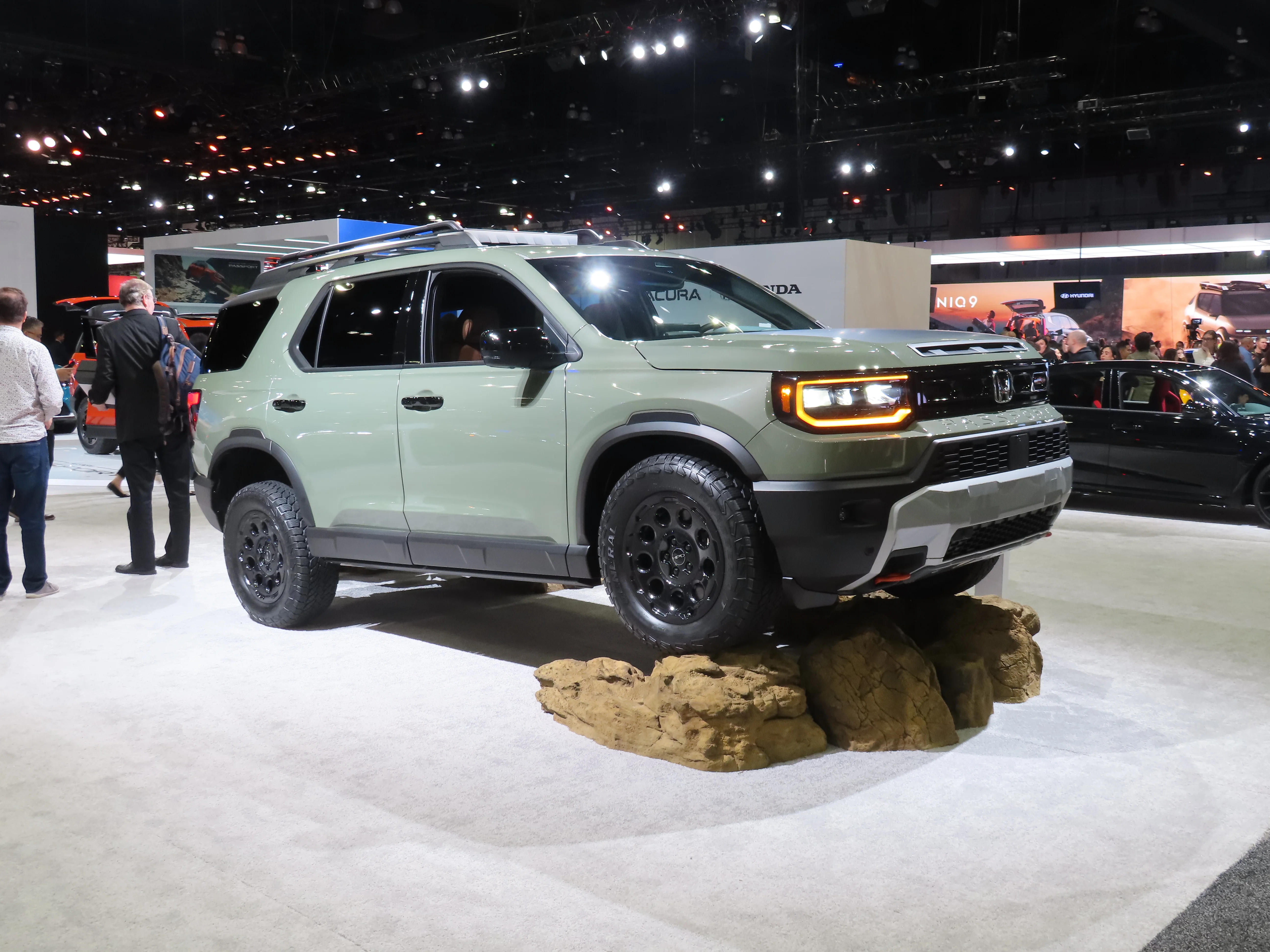
To see where the payload comes from, look at the two numbers behind it. The Passport's GVWR — the most it can weigh fully loaded — is listed at 5,401 lb. Its curb weight, what it weighs empty, runs by trim: about 4,229 lb for the TrailSport, 4,236 lb for the EX-L, and 4,262 lb for the Black Edition.
Payload is the gap between those two, which is why a heavier trim carries less: every pound of factory equipment that raises curb weight comes out of the room under the fixed 5,401 lb GVWR. The Black Edition's higher 4,262 lb curb weight leaves slightly less headroom than the lighter TrailSport, and options push it further.
These curb weights are close together, which tells you the trims are more alike in payload than in price, but the direction is consistent: more equipment, less carrying capacity. It is the same trade on every vehicle, and the installer's habit is to note it before choosing a trim for a build, not after loading it and wondering why it squats.
The one number to trust over all of these is still the door decal, because it is calculated for your exact vehicle with its exact options. Use 5,401 lb and the curb weights to understand the mechanism, then read your sticker for the figure you actually pack to. Understanding the why makes the sticker number make sense.
Why a Rugged SUV Carries a Modest Payload
It seems backward that a lifted, all-terrain-tired TrailSport carries only about 948 lb, but there is a straightforward reason, and it is worth understanding so you plan around it. Payload is GVWR minus curb weight, and the hardware that makes a vehicle look and act rugged adds curb weight, which subtracts from payload.
The TrailSport's 1-inch suspension lift and all-terrain tires are part of what gives it a tougher stance and light off-road ability, but that gear weighs something, and it is already counted in the truck's empty weight. The vehicle spends part of its weight budget on capability hardware, leaving less for the load you add.
There is also a design reality: the Passport is built and rated as a comfortable, powerful family SUV, not a work truck. Its 280-horsepower 3.5-liter V6 and refined ride come with a curb weight in the 4,229-to-4,262-lb range, and against a 5,401 lb GVWR that leaves the payload where it lands. It is a comfort-and-capability vehicle, not a hauler, and the number reflects that.
The installer's takeaway is not that the Passport is weak — it is that you have to treat it as the mid-payload SUV it is, not the one-ton pickup its stance hints at. Plan your load and your accessories around the real 948 lb figure, and the truck performs exactly as designed. Plan around its looks, and the physics will correct you.
What 948 lb Has to Cover
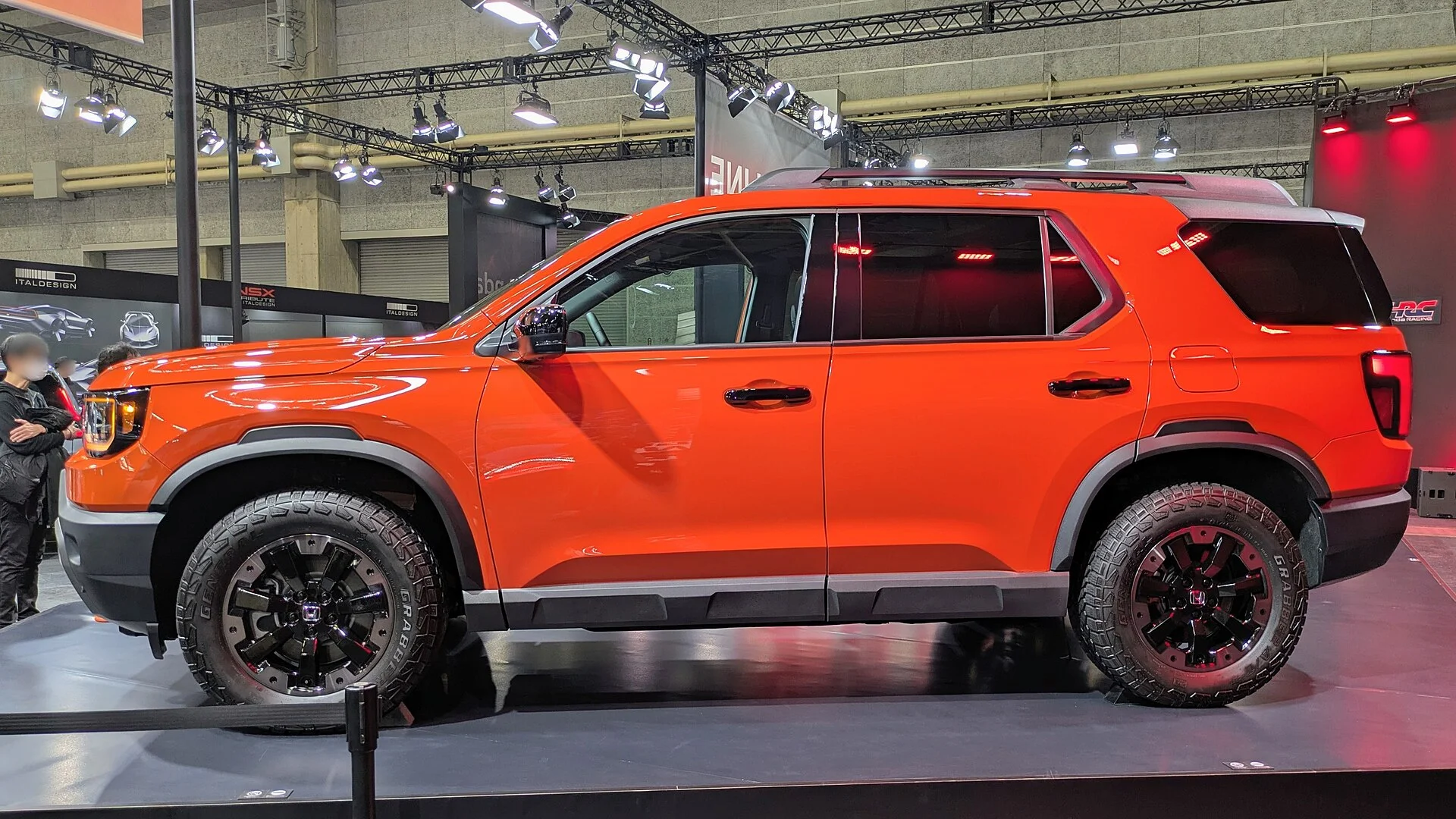
Spend the budget honestly and it goes quickly. Passengers come first, because they are fixed and heavy. A family fills a real share of about 948 lb before any gear loads, and if you carry adults in every seat, that share climbs. The truck counts a person and a cooler the same way — as payload.
Camping gear is next, and it stacks up despite the generous 41.2 cubic feet of space behind the rear seats. That room is exactly the trap: it invites more than the payload allows. Water, a full cooler, a tent, sleeping gear, chairs, a stove, and food total into a couple hundred pounds without any single item feeling heavy.
Then come the additions a Passport owner is likely to make — roof racks, a rooftop tent, drawers, or recovery gear — which get their own section because they are the biggest threat to a modest payload. And if you tow, the trailer's tongue weight lands in this same budget too, before you have loaded a thing.
Add it all — people, interior gear, accessories, roof load, and any tongue weight — and about 948 lb fills up before the cabin looks full. That is the payload reality the space disguises: the Passport runs out of weight budget well before it runs out of room, and the only way to see it coming is to add the weights up in advance.
The Accessory Trap
This is the section that matters most for a Passport, because it is the vehicle owners most love to build, and every build spends payload. A roof rack, a rooftop tent, a drawer system, and recovery gear can consume a large slice of about 948 lb before a single person or bag is aboard — and the empty accessories count even when you are not using them.
The rooftop tent is the classic example. It is heavy, it rides on the roof where it hurts handling most, and its weight plus the rack that holds it comes straight out of payload. Mount one on a Passport and you have committed a real chunk of the budget permanently, which leaves much less for people and gear on any given trip.
Interior build-outs are sneakier because they feel like part of the vehicle. A drawer system, a slide-out kitchen, or a heavy dual-battery setup are all payload, and because they stay installed, they quietly lower your usable capacity on every trip whether or not you think about them. The installer's rule is to weigh the build, not just admire it.
The discipline is to budget the accessories first, exactly like fixed loads, then load people and gear into what remains. Favor lighter gear where you can, keep heavy items low and inside, and use a simple cargo solution like a set of collapsible cargo storage bins to organize weight low in that 41.2 cubic feet rather than piling it high. Build to the number, and the Passport stays capable; build to the look, and it squats.
Payload vs Towing: 5,000 lb and the Overlap
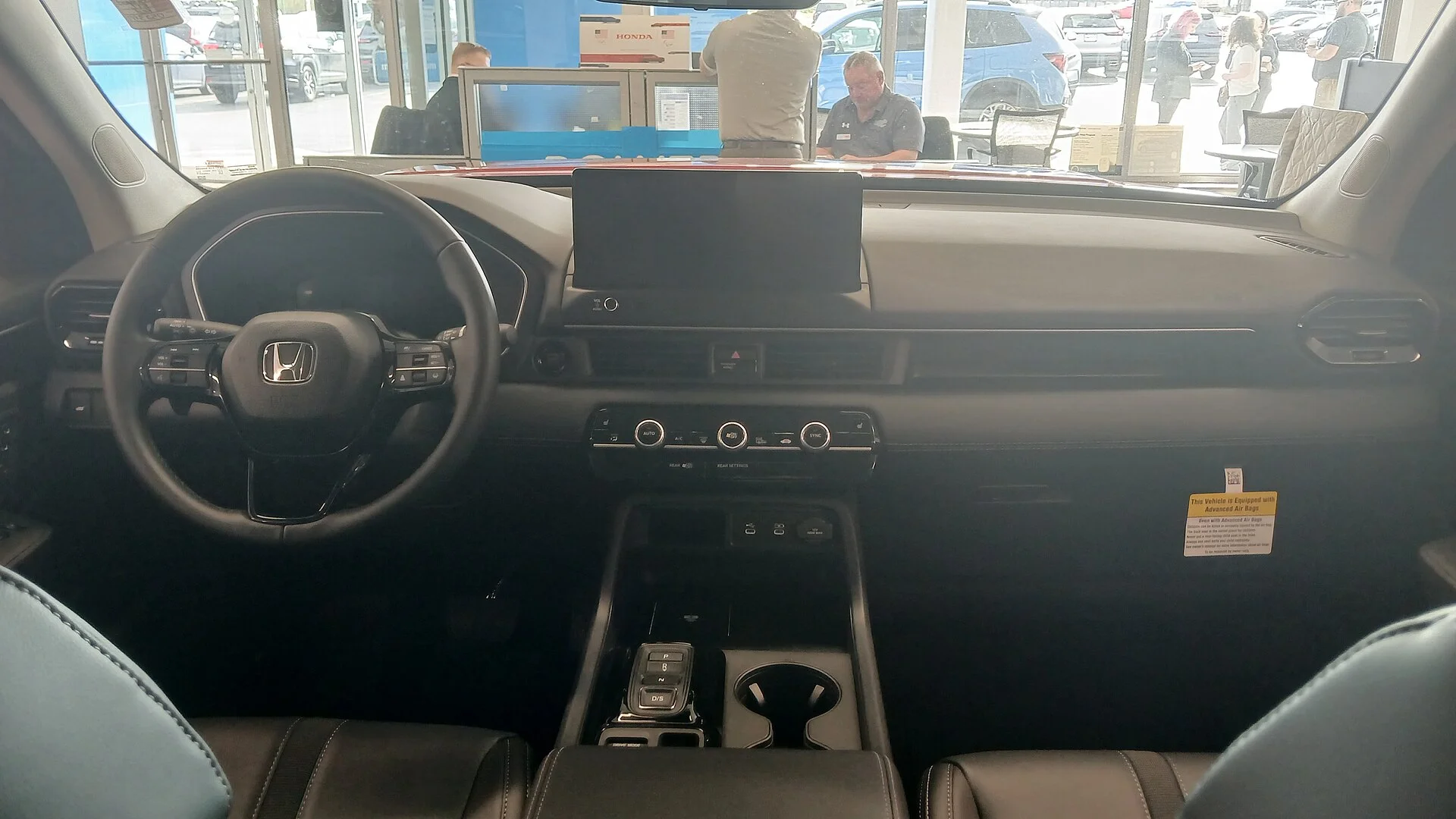
The Passport tows up to 5,000 lb when properly equipped, a solid rating that pairs with the 280-horsepower V6. But as with every vehicle, towing and payload overlap, and on a modest-payload SUV that overlap bites harder.
The trailer's tongue weight — the download on the hitch — counts against payload. So the 5,000 lb tow rating spends part of the same roughly 948 lb budget that carries your family, gear, and accessories. Hook up a trailer near the rating and its tongue weight alone can claim a meaningful share of payload before anyone climbs in.
On a bigger SUV that overlap is uncomfortable; on a Passport with about 948 lb to start, it is decisive. A fully loaded, accessorized Passport simply cannot also tow near 5,000 lb, because there is not enough payload left for the tongue weight. Both numbers are real, but they draw from a small shared budget.
The installer's rule holds: if you tow, budget the tongue weight out of payload first, then load people, gear, and accessories into what remains. On the Passport that arithmetic is unforgiving, so it is exactly the vehicle where you must do it deliberately rather than assuming the tow rating and the payload are independent. They are not, and pretending otherwise is how you end up over both.
Loading the Passport Like an Installer
Put it together into a build-and-load workflow. Step one is to read your door decal for the real payload, near the published 948 lb or whatever your trim and options yield, and write it down. That number is the beam rating; everything else has to hang under it.
Step two is to subtract your permanent additions — any rack, tent, drawer system, or auxiliary battery — because they are fixed loads that live on the truck. What remains after the build is your actual per-trip budget, and seeing how much the accessories already claimed is often a useful reality check before you add more.
Step three is to subtract passengers, the other fixed load, at honest weights. Whatever is left is your gear-and-food budget, and packing to that specific number instead of to the 41.2 cubic feet of available space is the whole discipline. Space runs out slower than weight on this truck, so weight is the constraint that matters.
Step four is to keep the load low and confirm on a scale when you can. Heavy items belong on the floor, not the roof, both for handling and because roof weight is payload you feel in every corner. Drive the loaded Passport across a public scale once, compare to your door-sticker figures, and you will know your real margin. Do that and the Passport is a superb, capable camper — within the honest limit its rugged looks disguise.
The Verdict: Respect 948 lb, Especially If You Build It
The 2025 Honda Passport is a genuinely good camping SUV — powerful, comfortable, and roomy, with a strong 3.5-liter V6 and 41.2 cubic feet of cargo space. But its payload, at about 948 lb, is more modest than its rugged TrailSport stance suggests, and that number is the one that decides the job.
Understand where it comes from — a 5,401 lb GVWR minus a curb weight in the 4,229-to-4,262-lb range — and what counts against it — passengers, gear, roof load, accessories, and tongue weight combined. The generous cargo space disguises the real limit, so the truck runs out of weight budget before it runs out of room.
The biggest threat is the accessory build the Passport invites. A rooftop tent, racks, and drawers can claim much of about 948 lb before you load a person, and towing near 5,000 lb spends the same budget through tongue weight. On a modest-payload SUV, those overlaps are decisive, not academic.
Read your door decal, budget the build and the passengers first, pack to the weight rather than the space, and keep the load low. Do that and the Passport carries a family and a thoughtful setup safely and capably. Ignore the number because the truck looks tough, and physics will remind you that looks are not a rating. The stance writes a check the payload has to cash — so keep the load honest. None of this makes the Passport a lesser vehicle; it makes it a vehicle you have to load with your eyes open. The owners who treat about 948 lb as a real budget end up with a rig that goes anywhere its clearance allows and still drives the way Honda intended. The ones who load by eye because the truck looks tough are the ones nursing a squatting, wandering SUV down a mountain road, wondering where the composure went. It went into the extra few hundred pounds nobody weighed.