The Passport keeps it simple - and that's its superpower
Can you sleep in a Honda Passport? Yes, and it's one of the easiest vehicles in its class to sleep in - precisely because of what it lacks. The Passport is a 2-row mid-size SUV with no third row, so folding the rear seats gives one continuous, essentially flat load floor - the 2026 redesign folds to 83.8 cubic feet on the SAE method - instead of the terraced puzzle a three-row makes you solve. That single flat plane, not any raw volume figure, is what turns it into a genuine one-adult bed with almost nothing to build.
I love a vehicle that publishes real numbers, and I love one that makes a job simple - the Passport does both, mostly. Its floor is flat, its bed is straightforward, and Honda actually documents its cargo. The one place it gets tricky is a measurement quirk in the brand-new 2026 redesign that makes the bigger new car look smaller than the old one, and I'll untangle that for you because it's caught a lot of people.
This guide runs both the all-new 2026 Passport and the 2019-2025 model most owners actually have, keeps their numbers straight, explains the flat-floor advantage, covers the TrailSport's power outlets, and lays out the simplest bed build in the class. The goal is that you know exactly what you're working with - no inflated figure, no invented inch.
Who it suits: a solo camper or a couple who wants a no-fuss mid-size bed and doesn't need three rows of seats. The Passport trades a third row for a simpler, flatter sleeping floor - and for one adult, that's an outstanding trade. Where a three-row SUV asks you to bridge two folded seams and level a raised middle-row hump, the Passport asks you to drop a mattress on a floor that's already close to level.
One thing I want to set straight up front: the Passport is the mid-size, 2-row car; the 3-row Pilot is its bigger sibling with entirely different cargo numbers. If you keep those two apart and anchor on the 83.8-cubic-foot folded figure for the 2026 car, the rest of this decision is short.
Two Passports now: a 2026 redesign changed the rules
First, get the generation straight, because there are two very different Passports in play. Honda fully redesigned the Passport for 2026 - a ground-up, more rugged third generation, stretched about 2.7 inches at the wheelbase, with a TrailSport trim carrying all-terrain tires, an off-road suspension, skid plates, and recovery points - and it replaced the 2019-2025 second generation that most Passports on the road still are.
- 2026 and newer: the all-new, boxier redesign, on sale now - upright styling, more off-road hardware.
- 2019-2025: the outgoing model, and the one the vast majority of owners and used shoppers actually have.
- Both are two-row, flat-floor sleepers - the redesign keeps the Passport's core advantage of no third row and one continuous floor.
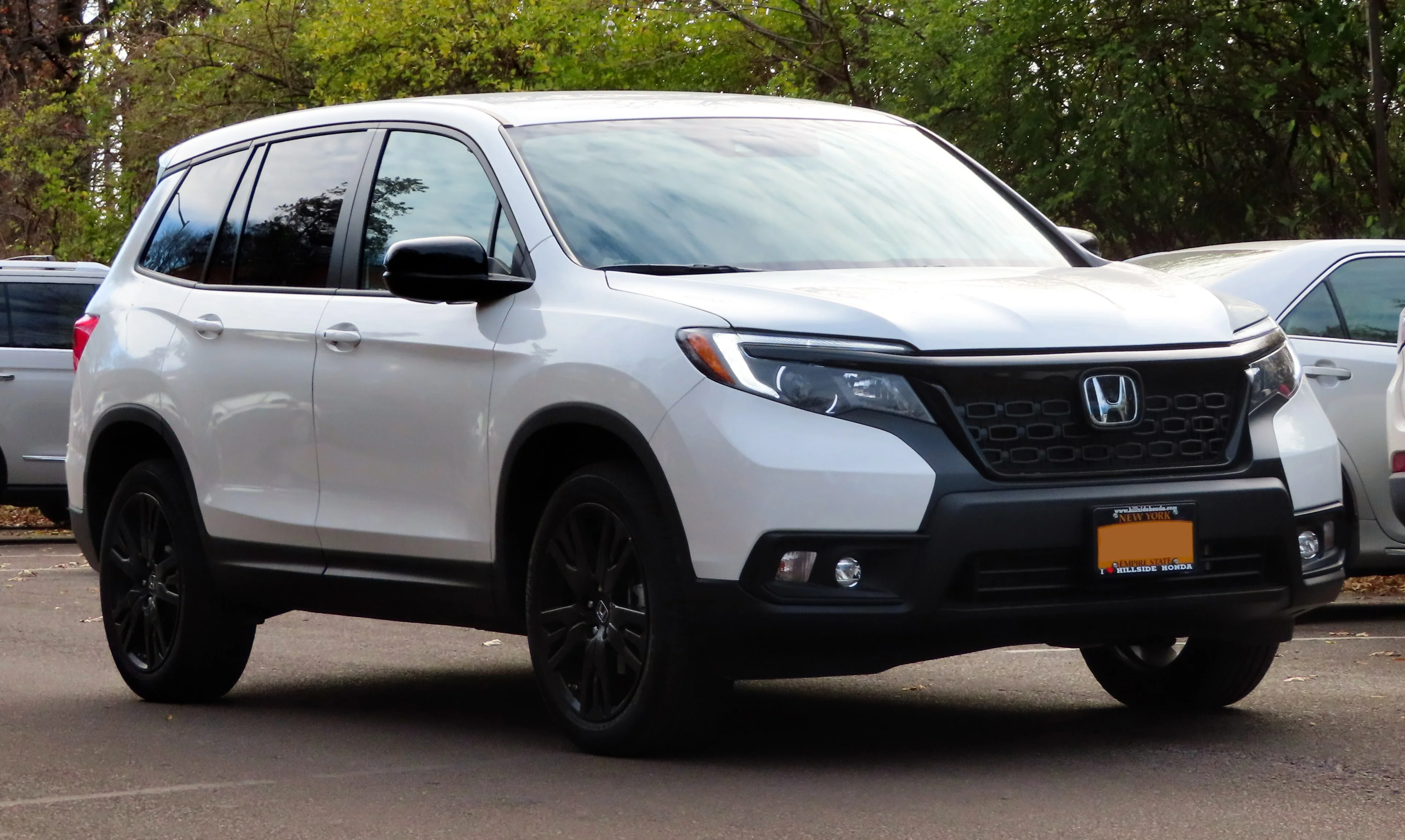
Because the outgoing car is what most people own, this guide covers it fully alongside the new one - and the hero shows the familiar 2019-2025 shape most readers picture when they think 'Passport.' The good news is the sleeping story is similar across both: a simple, flat, one-adult bed. The numbers, though, need careful handling.
The extra 2.7 inches of wheelbase on the 2026 car matters more for ride and rear legroom than for the folded bed, so don't shop generations on the promise of a dramatically longer sleeping floor - Honda doesn't publish a folded floor length for either one. What actually changed between the two, beyond styling, is the cubic-foot label on the window sticker, and that's the part I have to untangle next before it misleads you.
Why the new numbers look smaller but aren't
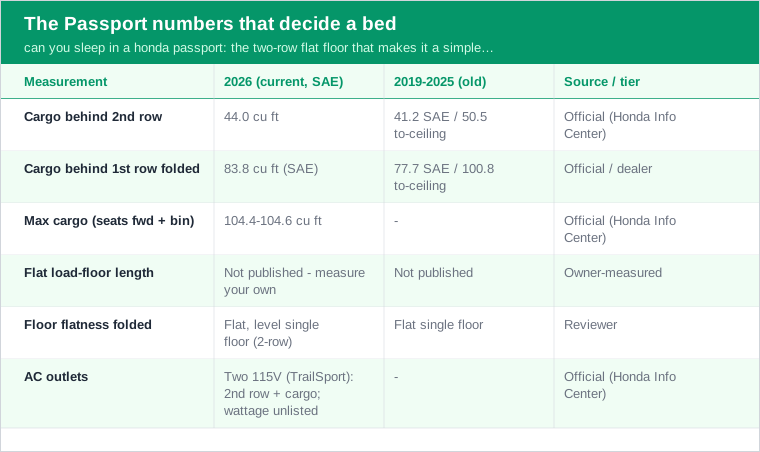
Here's the trap that makes people think Honda shrank the Passport, and it's a measurement quirk, not a real change. The old Passport's cargo was often quoted measured to the ceiling - an inflated way to count space - while the 2026 uses the stricter SAE standard measured to the beltline. So the new number looks smaller even though the new car is physically bigger.
Don't read the 2026 Passport's 83.8 cubic feet as a shrink from the old 100.8. Those are different rulers: 100.8 was measured to the ceiling, 83.8 is the stricter SAE method. Apples-to-apples SAE, the new car (83.8) is bigger than the old (77.7).
How to keep it straight:
- Compare same-method only. New SAE 83.8 vs old SAE 77.7 - the redesign grew. Never set new SAE against old to-ceiling.
- The old 100.8 and 50.5 are to-the-ceiling figures - fine for the old car, useless for comparing to the new one.
- For actual bed planning, the number under your body is the floor length you measure, not any cubic-foot figure - so the ruler war matters less than the tape in your hand.
The behind-the-second-row pair tells the same story a second way: the old car's 50.5 was measured to the ceiling, its SAE figure was 41.2, and the 2026 car reads 44.0 on that stricter SAE ruler. So on matched methods the trunk grew too - 44.0 against 41.2 - even though a careless reader who lines up 44.0 next to the old 50.5 would swear it shrank. Every one of these pairs points the same direction once you stop mixing rulers.
The current 2026 cargo figures
Now the current car's real numbers, straight from Honda's own info center. The 2026 Passport lists 44.0 cubic feet behind the second row and 83.8 cubic feet behind the first row folded on the SAE method, with a maximum of at least 104.4 cubic feet when you slide the front seats forward and use the under-floor bin.
- 44.0 cubic feet behind the second row is a big trunk - and with the seats up, still a lot of gear space.
- 83.8 cubic feet with the rear seats folded is the flat-floor bed number - the figure to plan around.
- 104.4-plus cubic feet maximum counts the under-floor bin and seats slid forward - useful for storage, not the flat sleeping surface.
One footnote a spec-lover will want: the 83.8 figure is the mainstream trim number, and the top trim comes in a hair lower at about 83.2 cubic feet, the kind of rounding difference that never touches a real night's sleep. Honda's own info center is also careful to phrase the maximum as 'at least 104.4,' with some aggregators listing 104.6 - a spread small enough that I'd treat 104.4 as the honest floor and move on.
These are Honda-official figures, which I appreciate - it's a maker that documents its cargo instead of leaving you to owner guesses. Anchor on 83.8 for the flat bed, and remember the 104-plus max is a storage number, not a 'my bed is nine feet long' number - it counts the under-floor bin and the space over slid-forward front seats, none of which you actually lie on. For the full setup, our Honda Passport camping guide covers the accessory build.
Is the two-row floor really flat?
This is the Passport's whole pitch, so it deserves a straight answer: yes, the two-row layout gives a flat, level load floor when you fold the 60/40 rear seats, and reviewers describe it as flat. With no third row to leave a hump or a second seam, you get one clean plane - the simplest bed in the mid-size class.
- One seam, not two. A two-row SUV only has the single rear-seat fold to deal with, versus a three-row's stacked steps.
- Reviewers call it flat/level - the lever-fold rear seats drop into a continuous floor.
- A thin pad still helps. As a tinkerer I'd still lie down and check for any slight rise at the fold before calling it perfect - budget a little cushion regardless.
A word on why the 2-row layout earns this: a three-row SUV folds a middle bench and a third-row seatback into two separate planes that rarely meet at the same height, which is the hump every three-row camper ends up shimming. The Passport deletes that second plane entirely, so the only junction you check is where the 60/40 seatbacks meet the cargo floor - one seam, and a shallow one at that.
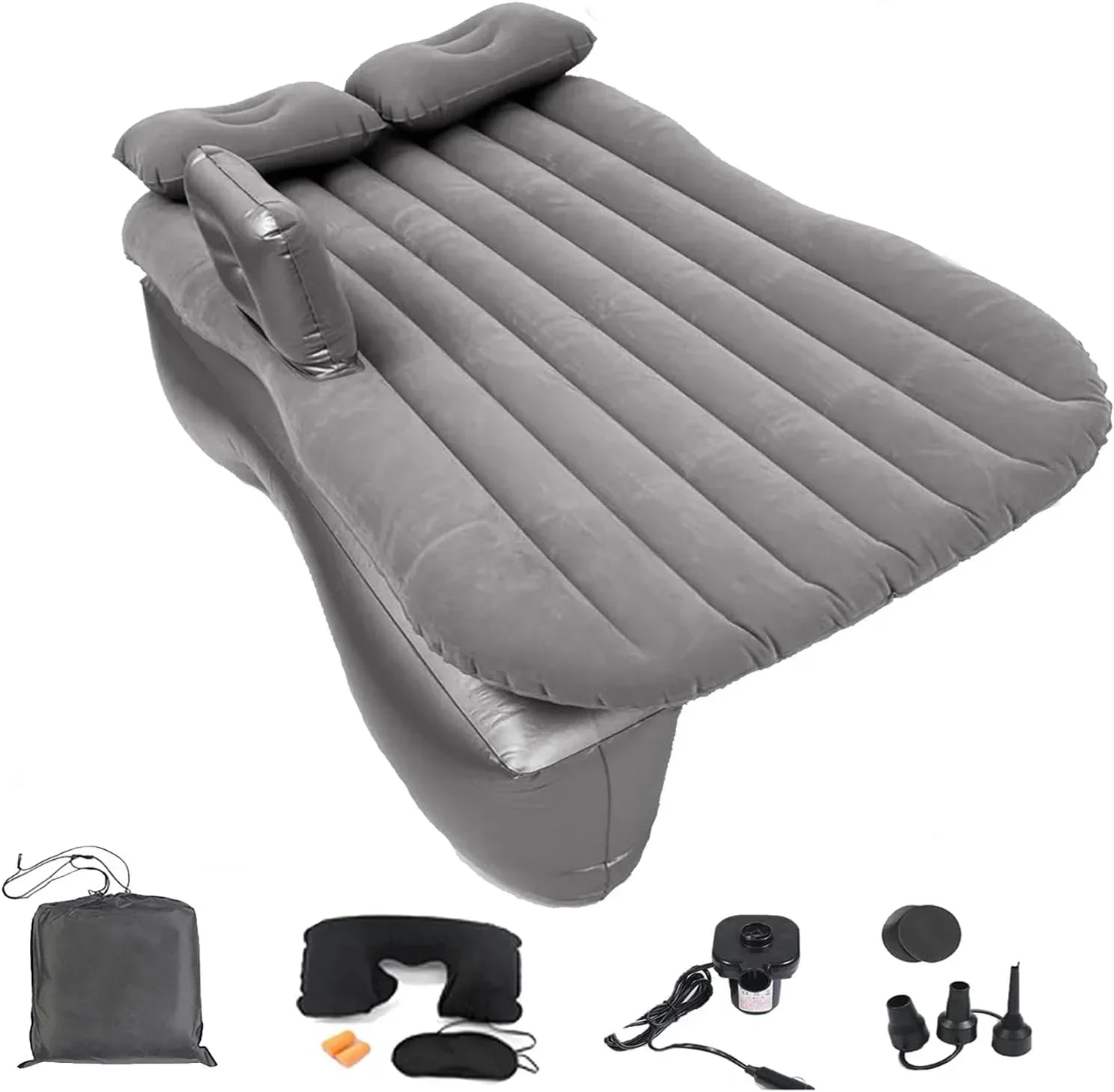
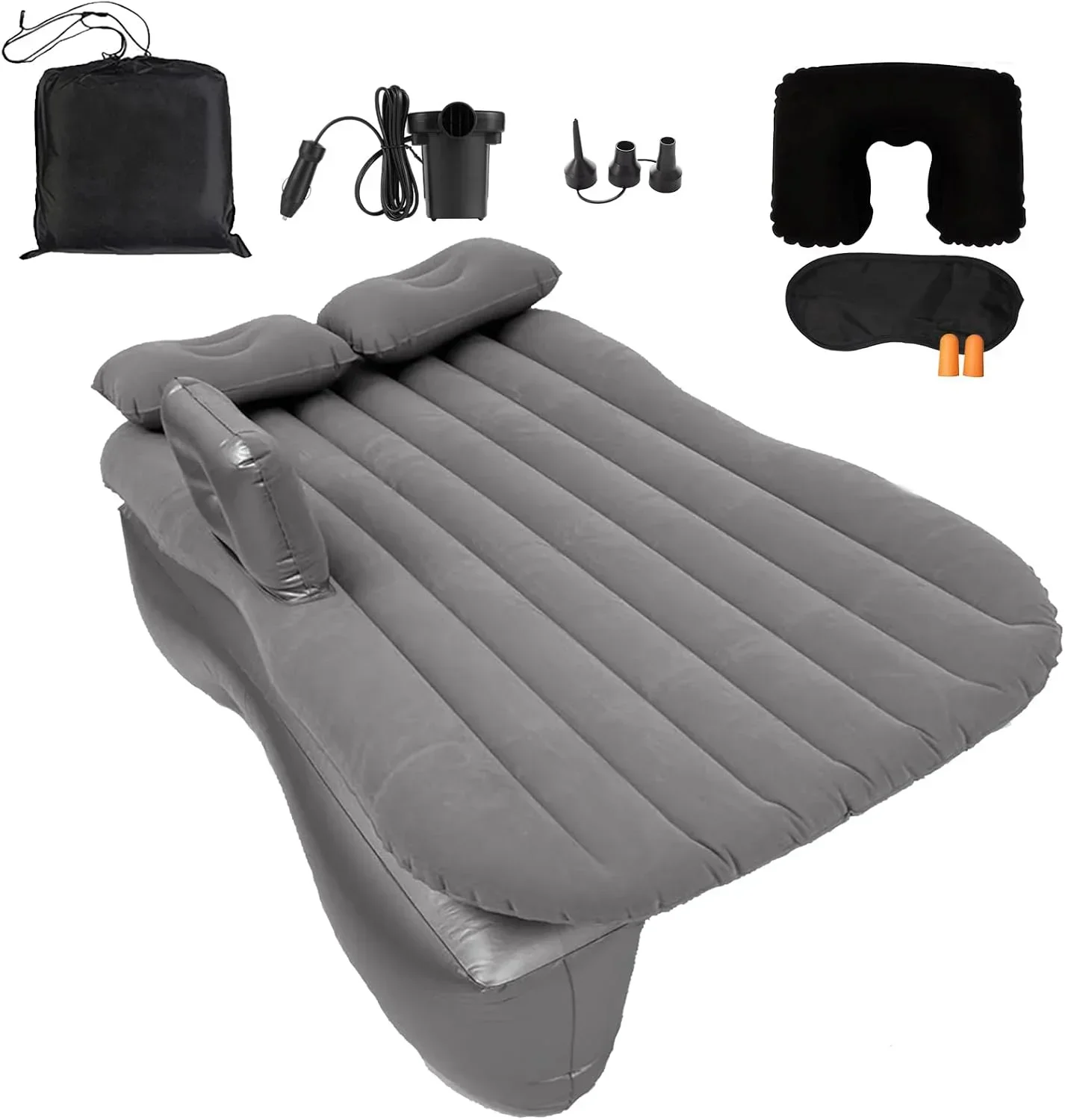
An Onirii SUV air mattress is almost overkill on a floor this simple, in the best way - one inflate on an already-flat two-row floor and you've got a cushioned bed with zero building. A shaped inflatable also does double duty here: it self-levels across any slight rise at the seatback fold, so the one seam I told you to check disappears under a few inches of air. The Passport is exactly the kind of vehicle where a shaped mattress is genuinely all you need.
The measurement-method trap: SAE versus to-the-ceiling
Let me put a finer point on the ruler problem, because it's the single most confusing thing about Passport cargo specs and it'll steer you wrong if you let it. Automakers can measure cargo two ways, and Honda switched methods between generations.
- To-the-ceiling counts every cubic foot up to the roof - a bigger, more flattering number the old Passport often quoted (50.5 and 100.8).
- SAE J1100 measures to a lower reference line - a stricter, smaller number the 2026 uses (44.0 and 83.8).
- Same car, two numbers. The method, not the metal, explains most of the gap - which is why a naive comparison makes the bigger new car look like it lost space.
This is also why cross-shopping Passport listings gets messy: a 2024 dealer page might carry the old car's 100.8 to-ceiling number in one row and a rival's SAE figure in the next, and the Passport loses a comparison it should win. Whenever you see 50.5 or 100.8 attached to a Passport, you're looking at the to-ceiling ruler; whenever you see 41.2, 44.0, 77.7, or 83.8, you're on SAE. Match the ruler before you trust the gap.
For a spec-lover this is a great reminder that a cubic-foot number is only meaningful next to its method. For a camper it's simpler: ignore the cubic-foot war and measure the flat floor length yourself, because that's the number your body actually lies on - and no measurement standard publishes it.
The old 2019-2025 Passport, and what most owners have
Since most Passports out there are the 2019-2025 second generation, here's how it sleeps - and it's a genuinely good bed. That car lists 41.2 cubic feet behind the second row and 77.7 behind the first on the SAE method (or 50.5 and 100.8 measured to the ceiling), with the same two-row, flat-floor advantage.
- Same simple bed. No third row, one continuous flat floor - the outgoing Passport sleeps one adult just as easily as the new one.
- Slightly smaller on paper, apples-to-apples (77.7 vs 83.8 SAE), but the practical difference for a solo bed is minor.
- Great flat load floor that owners and reviewers consistently praise for exactly this use.
A used-shopper's note, since the 2019-2025 car is what you'll mostly find on the lot: its 77.7 SAE folded figure is only about 6 cubic feet shy of the new car's 83.8, and none of that gap lands where your shoulders and hips go. For a solo bed the two generations sleep close to identical; the newer car's advantages are its off-road hardware and the TrailSport outlets, not a meaningfully roomier night.
So whichever Passport you own or shop, the sleeping story holds: a simple, flat, one-adult bed with almost no building. The generation changes the cubic-foot label and the styling more than it changes the night's sleep. Don't overthink which one - overthink the tape measure.
How many can sleep in a Passport?
So what's the realistic capacity? One adult comfortably and simply; two adults if you're cozy and you measure first. The Passport's flat floor makes solo camping genuinely easy, with room for gear beside you and no platform to build.
- Solo: excellent - flat floor, simple fold, gear space alongside. The Passport's sweet spot.
- Two adults: feasible but snug - it's a mid-size two-row, so shoulder width and length are tighter than a full-size; measure the flat length before you commit.
- Don't confuse it with the Pilot. The three-row Honda Pilot is the bigger sibling with different cargo numbers - if you need to sleep two-plus regularly, that's the one to cross-shop.
Why two adults is the honest ceiling rather than a promise: the Passport is a mid-size 2-row, so its cabin width and its folded length are both tighter than a full-size body-on-frame SUV, and Honda publishes neither a folded length nor a wheel-well width for you to plan around. That's not a knock - it's the reason the measure-it-yourself step isn't optional for a couple. Lay a tape from the folded seatbacks to the closed liftgate before you decide two of you fit head-to-toe.
For that cross-shop, our Pilot comparison covers the larger three-row option, and our SUV mattress-size guide helps you match a bed to the Passport's flat floor.
The 115-volt outlets and overnight power
The new Passport brings a real camping perk on one trim, and I'll quote it exactly as Honda does. The 2026 Passport TrailSport has two 115-volt AC household outlets - one at the second row and one in the cargo area - which is a genuinely useful setup for running a light or charging from the bed.
- Two outlets, well placed: second-row and cargo, so you can charge and run a small device at once.
- They're 115-volt, not 120, which is just how Honda publishes it - and the wattage isn't published, so I won't promise it runs appliances.
- TrailSport trim, so don't assume every Passport has them - check your specific trim.
The honest limit on these outlets is that Honda doesn't publish their wattage, so I won't tell you they'll run a coffee maker or a compressor fridge. Two more things keep them from being an all-night solution: any factory AC outlet typically dies when the engine is off, and the outlets ride only on the 2026 TrailSport, so the 2019-2025 car and the lower 2026 trims don't have them at all. Treat them as a convenient top-up for phones and a light, not your power plan.
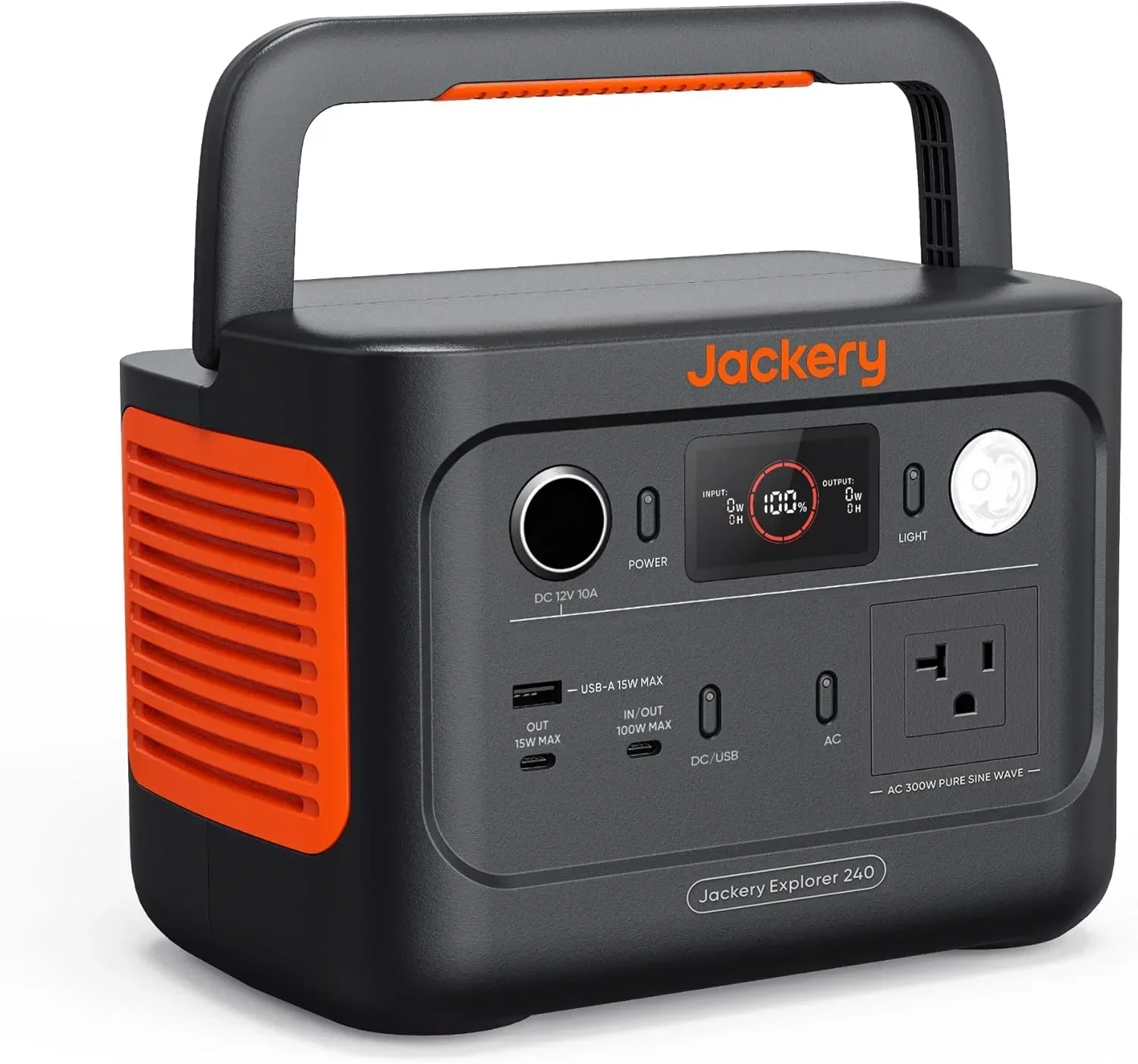
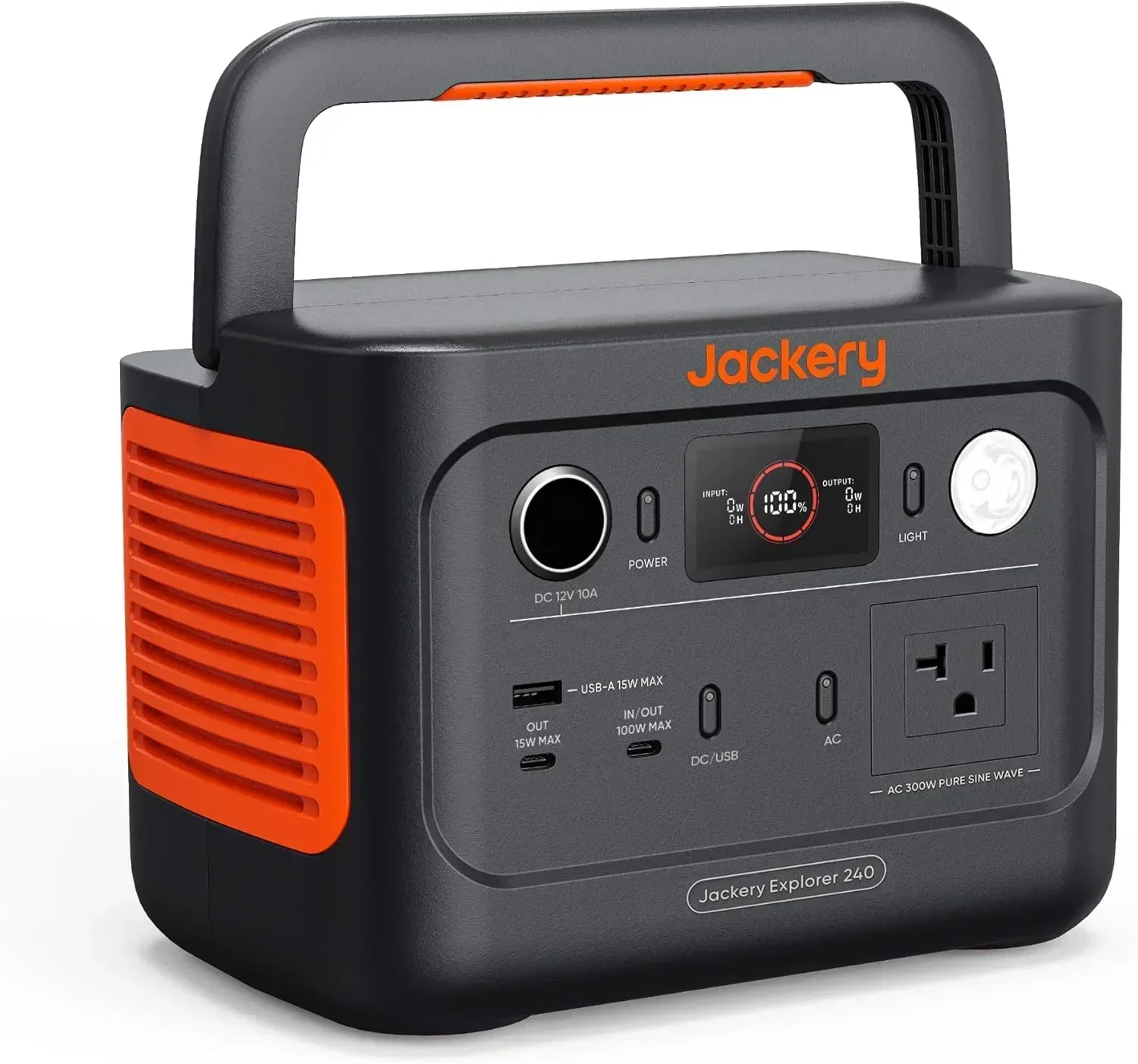
For power that lasts all night engine-off, or on a trim without the outlets, carry your own battery. A Jackery Explorer 240 v2 power station runs a fan, lights, and charging through the night on 256 watt-hours and recharges off the 12V socket as you drive - the reliable overnight answer whether or not your Passport has the TrailSport outlets.
Building a simple flat bed
This is the easiest build in the guide, which is the whole point of a two-row SUV. Fold the 60/40 rear seats flat, and you've got a single continuous floor ready for a pad - no third row to wrestle, no stacked steps to level.
- Fold the rear seats flat - the lever-fold drops them into one plane in seconds.
- Drop a shaped mattress or pad - on an already-flat floor that's usually all it takes; skip the platform.
- Slide the front seats forward for extra length, and use the under-floor bin for storage so it doesn't eat your bed.
A sequencing tip that saves a re-do: slide the front seats forward and load the under-floor bin before you drop the mattress, because both are a pain to reach once the bed is inflated. The bin is worth using deliberately - the gear you tuck below the floor is gear that isn't stealing length from the 44.0 cubic feet you're sleeping on top of.
If you want storage under the bed, a low platform works, but on the Passport it's a genuine want, not a need - the flat floor does the hard part for you. Keep any build low to preserve headroom, pad the seatback edge, and you've got a clean bed in about the time it takes to inflate a mattress. Compare that to a three-row build, where half the job is just leveling the second folded seam before you can even think about a pad.
The verdict on a Passport bed
Where does the Passport land? As the best 'simple bed' in the mid-size class - no third row means one continuous flat floor, an excellent one-adult sleeper with almost no building. It's not the biggest bed here, but it may be the easiest. On matched SAE math it grew across the board this redesign - 44.0 behind the second row and 83.8 folded, up from 41.2 and 77.7 - so nobody shopping the 2026 car is trading away space, whatever a mismatched spec sheet implies.
The tinkerer's checklist:
- Compare cargo same-method - the 2026's 83.8 SAE beats the old car's 77.7 SAE; ignore the to-the-ceiling 100.8.
- Plan around the flat floor, fold the rear seats, drop a mattress - skip the platform.
- Measure your flat length before deciding two fit, and don't confuse it with the bigger Pilot.
- Use the TrailSport's 115V outlets for charging, and carry your own overnight power.
Do that and the Passport is one of the most hassle-free vehicles you can sleep in - fold, inflate, rest. Our Passport camping guide covers the full build, and the safe and legal sleeping guide covers where to park it for the night.