
Skip the Stove, Keep the Money
Here is the false economy nobody mentions: campers spend real money on a stove, fuel canisters, pots, and the freeze-dried pouches to cook in them, then spend their evening scrubbing a greasy pan by headlamp. For a lot of car camping, none of that is necessary. A cooler and a little planning feed you better, cheaper, and with zero cleanup.
No-cook camping is exactly what it sounds like: meals you assemble instead of cook. No open flame, no fuel to buy or run out of, no hot pan to clean and no fire ban to work around. It is the frugal, low-fuss way to eat well outdoors, and it scales from a solo overnight to feeding a group without a single burner.
The trade is honest and worth stating up front: no-cook means cold or room-temperature food, so no hot coffee from this approach and no seared anything. If a hot meal is the point of your trip, keep the stove. But for most weekend car camping, the stove is a habit, not a necessity, and dropping it saves money, weight, and time.
Everything below is a full day of real no-cook meals plus the one piece of gear that actually matters, drawn from established camp-cooking guides and USDA food-safety guidance. I have not cooked, obviously, because that is the whole idea. I am laying out what works, what it costs, and where spending more is money wasted.
Breakfast: Overnight Oats and Parfaits
Breakfast is where no-cook shines, because the best options are ones you assemble the night before and they are ready when you wake up. Overnight oats are the anchor: mix oats with milk or yogurt in a jar before bed, and by morning the oats have softened into a ready-to-eat breakfast. Add peanut butter, fruit, or nuts for flavor and staying power, and you have a filling meal with zero morning effort.
The value here is real. A canister of oats, a jug of milk or a few yogurts, and some toppings feed you for days at a fraction of the cost of freeze-dried breakfast pouches, and they taste like actual food instead of rehydrated mush. That is the frugal win: cheaper input, better output.
Yogurt parfaits are the other easy morning, layering yogurt with fresh fruit, granola, nuts, chia seeds, or hemp hearts in a cup or jar. They take two minutes to build and use many of the same ingredients as the oats, so your grocery list stays short and nothing goes to waste. Buy ingredients that cross over between meals and you shop less and spend less.
The one requirement is cold storage, since milk and yogurt are perishable. That is the theme of no-cook camping: the cooler is doing the work the stove would otherwise do. Keep the dairy cold, assemble the night before, and breakfast is the easiest meal of the trip. Skip the pricey pouches and the morning is both cheaper and calmer.
Lunch: Wraps, Sandwiches, and Tuna Salad
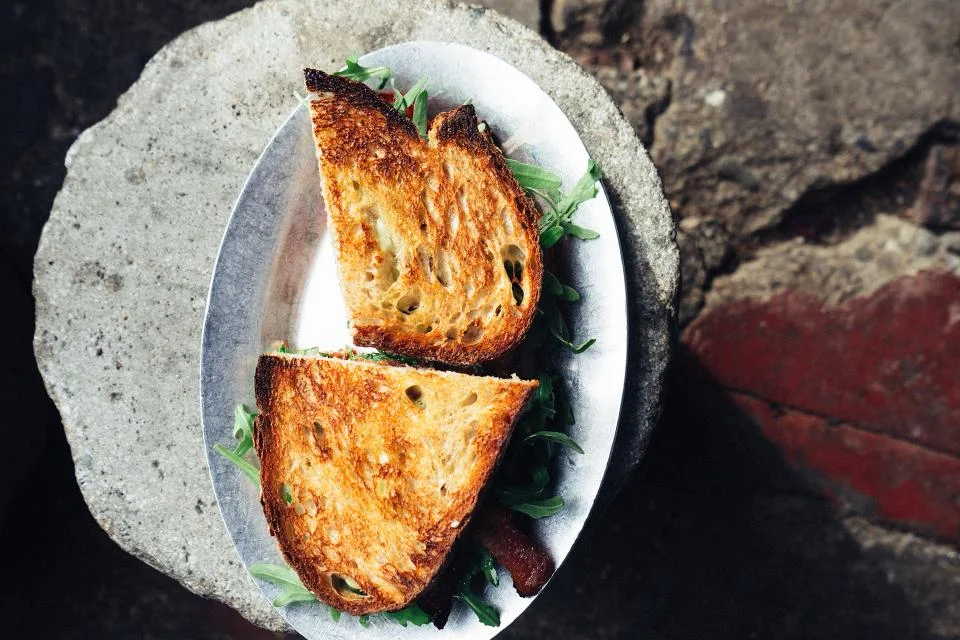
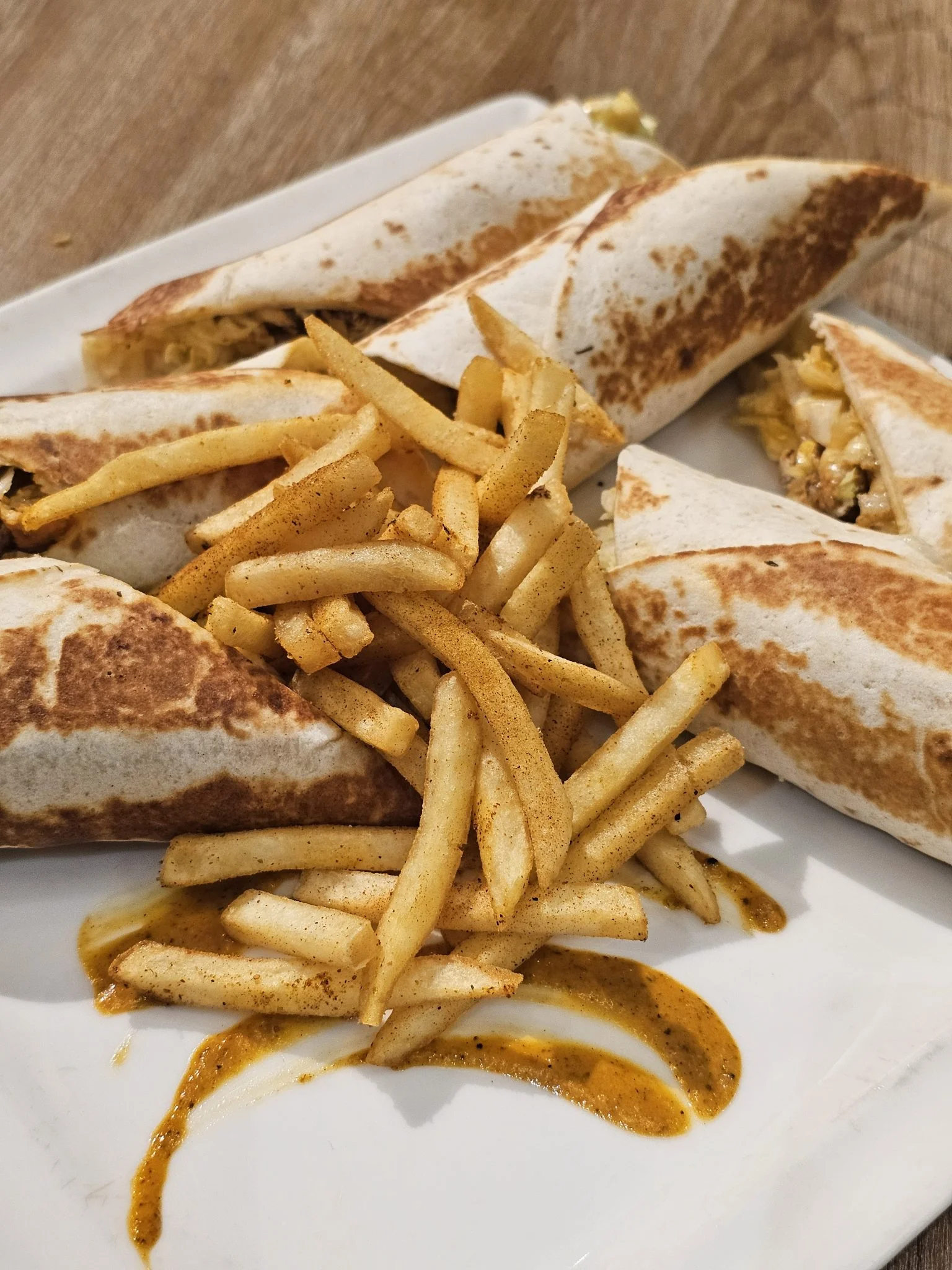
Lunch is the heart of no-cook camping, and it is mostly sandwiches and wraps done a little smarter. A basic wrap of deli turkey, cheese, and veggies rolled in a tortilla travels better than a sandwich because it does not go soggy as fast, and tortillas pack flatter and survive a cooler better than a loaf of bread. That is a small, practical edge that adds up over a weekend.
Build variety from a short ingredient list. A BLT works with pre-cooked bacon from the cooler, peanut butter and jelly needs no refrigeration at all, and a hummus wrap loaded with bell peppers, cucumber, leafy greens, carrots, and avocado is a genuinely good vegetarian lunch. Rotate the fillings and the same handful of groceries keeps lunch from getting boring.
Tuna salad is the sleeper hit and the budget champion. Pack a can of tuna, some mayo, and mustard, mix it in a bowl at camp, and serve it on bread or pita with lettuce or tomato. Canned tuna is cheap, shelf-stable until you open it, and packs a lot of protein per dollar, which is exactly what keeps you full on the trail without spending much.
The frugal lens on lunch is that a package of tortillas, some deli meat and cheese, a jar of peanut butter, and a few cans of tuna cover days of midday meals for very little money. Compare that to the per-pouch cost of freeze-dried lunches and it is not close. No-cook lunch is where the savings are most obvious, and the food is honestly better.
Dinner: Charcuterie, Mezze, and Loaded Salad Kits
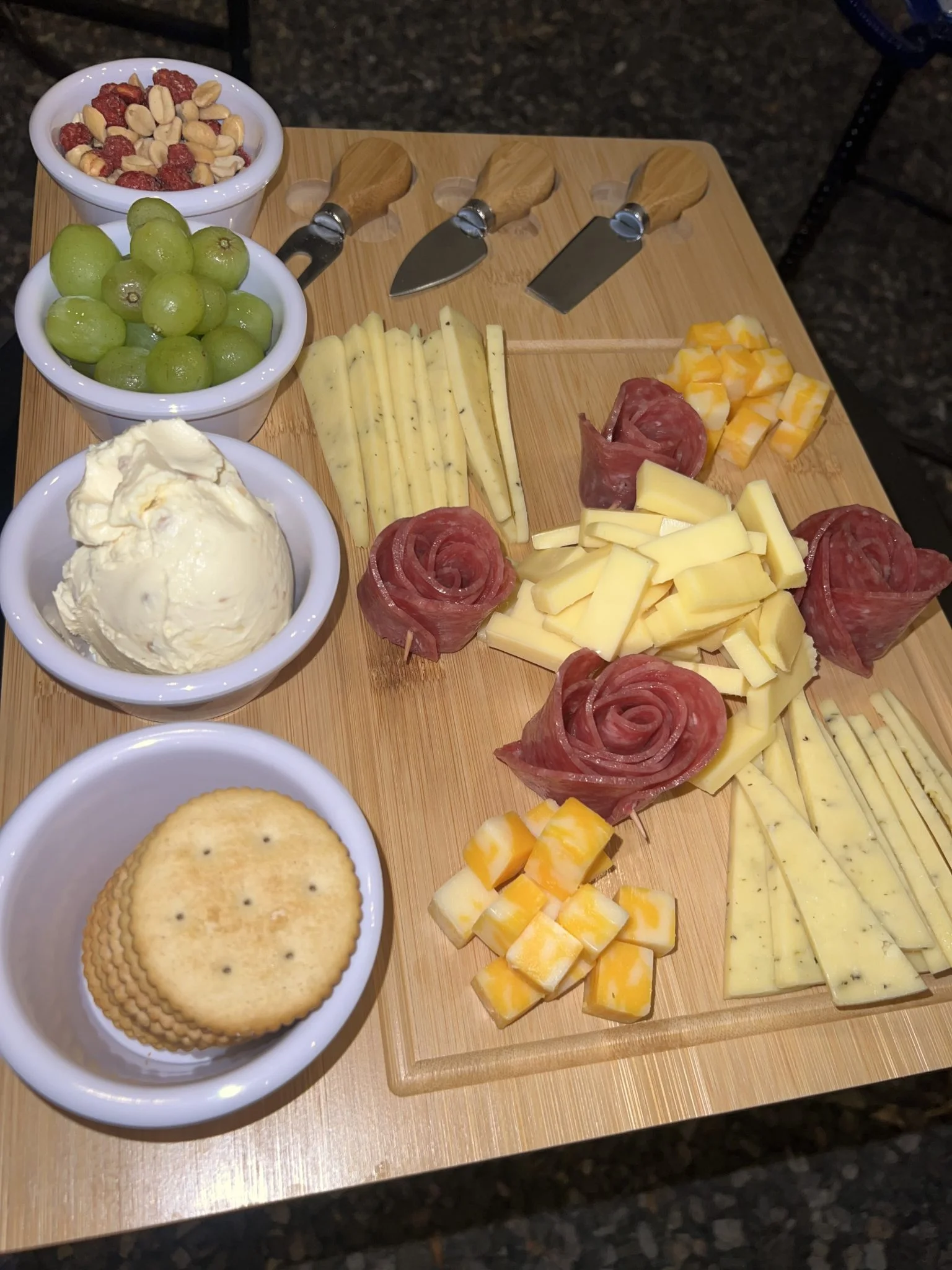
Dinner is where people assume they need a stove, and they do not. A camping charcuterie board turns dinner into a spread: cheeses, crackers, salami, dried fruit, trail mix, hummus, olives, and cut veggies laid out to graze on. It feels indulgent, it needs no cooking, and it scales beautifully for a group where everyone picks what they want.
A mezze platter is the same idea with a Mediterranean lean, combining chopped veggies, pita chips, olives, hummus, and feta. Both the charcuterie and mezze approaches let you eat a satisfying, varied dinner with nothing but a cutting board and a knife, and the leftovers roll straight into the next day's lunch. Nothing gets wasted, which is the frugal camper's favorite outcome.
For a more meal-like dinner, a pre-made salad kit is the fastest hot-free option going. The bagged kits come with toppings and dressing, and you add a flavored tuna packet or a can of chicken for protein to turn a side salad into a real dinner. It is a two-minute build with one bowl to rinse, which beats a pot to scrub every time.
The honest limitation of no-cook dinners is that they are cold, and on a chilly night a hot meal is genuinely comforting in a way a cheese board is not. That is the one place the stove earns its keep. But in warm weather, or when you would rather relax than cook, a charcuterie spread or a loaded salad kit is a better dinner than most people expect, and it costs less than the pouches.
The Cooler Is the Whole Game
Here is the one piece of gear that actually decides whether no-cook camping works: the cooler. Skip the stove and the cooler becomes your kitchen, because everything perishable — the dairy, deli meat, cheese, and pre-cooked bacon — depends on staying cold. Spending on a good cooler and ice is where your money belongs, not on cooking gear you are not using.
Food safety is not optional here, and the rule is simple. The USDA advises that perishable food should not sit in the danger zone above 40 degrees Fahrenheit for more than 2 hours. A cooler that holds temperature keeps you safely under that line; a warm cooler is how a fun trip becomes a sick one. This is the one place where the cheap option is a genuine false economy.
Pack the cooler smart to stretch the cold. Keep it in the shade, open it as little as possible, and use block ice or frozen jugs that last longer than cubes. Store the most perishable items — meat and dairy — at the bottom where it is coldest, and keep drinks in a separate cooler so the food cooler is not opened every time someone wants a soda.
The value calculation is clear: a solid cooler is a one-time purchase that pays off every trip, while a stove-and-fuel setup keeps costing you in canisters. Put your gear budget into cold storage, keep perishables under the 40-degree line, and the no-cook approach is safe and reliable. The cooler is the kitchen now, so buy the kitchen that keeps your food good.
Shelf-Stable Staples for When the Cooler Is Full
Not everything has to live in the cooler, and the frugal camper leans hard on shelf-stable food that needs no cold at all. These are the items that stretch a trip, survive a warm cooler, and cost the least per meal. Building your menu around them means less ice, less cooler space, and less spoilage risk.
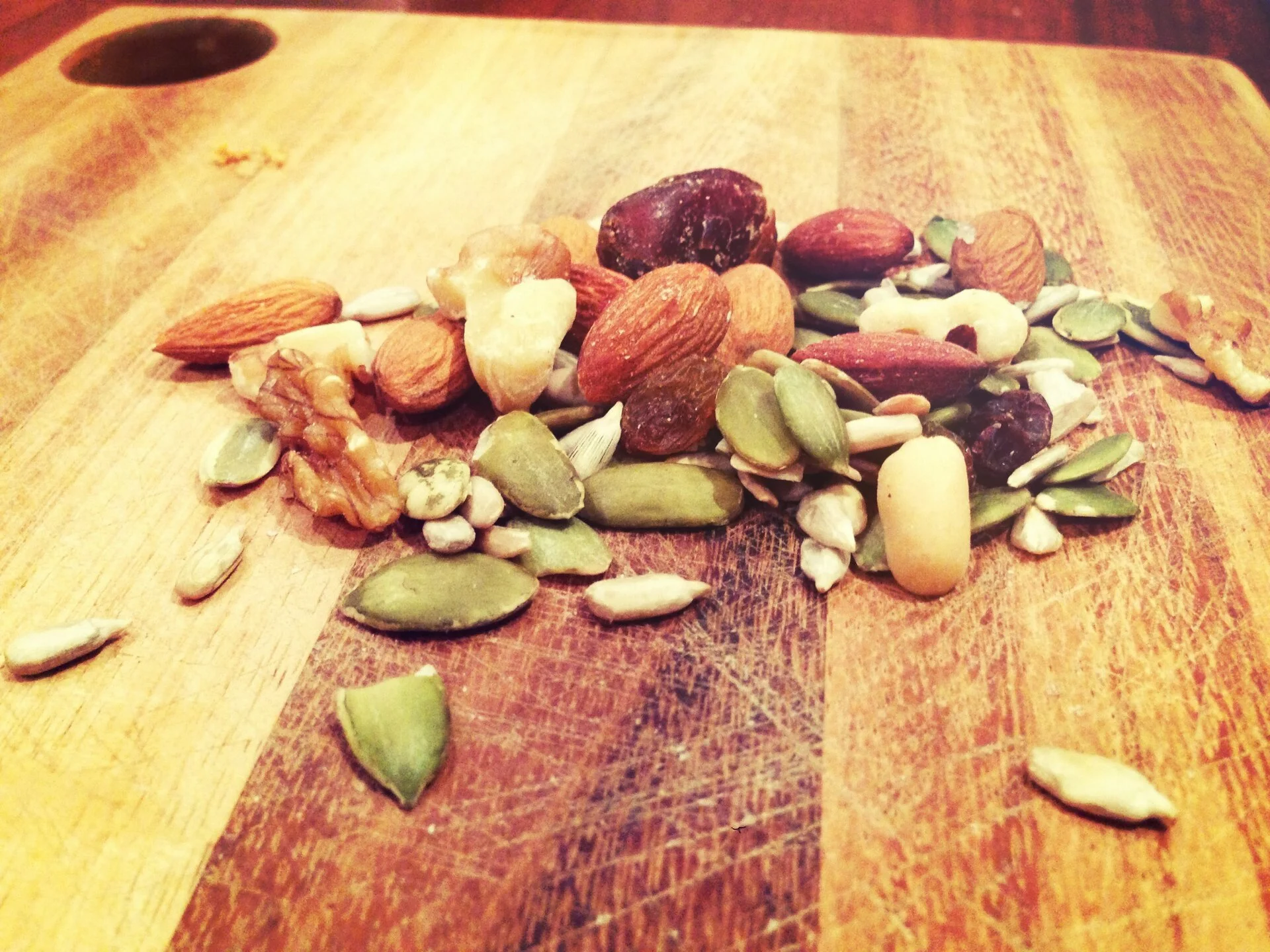
The staples are cheap and familiar: peanut butter, tortillas and crackers, canned tuna and chicken, dried fruit, trail mix, nuts, jerky, and nut-butter or granola bars. Peanut butter and jelly needs no refrigeration, canned proteins keep until opened, and trail mix and jerky are calorie-dense fuel that never spoils. A trip can run largely on these with the cooler as backup, not the main act.
This matters most on longer trips where cooler ice eventually loses the battle. As the ice melts over a few days, your perishables dwindle, but the shelf-stable staples carry right through to the end. Planning the back half of a trip around no-refrigeration food means you never get stuck with warm, questionable meat on day four — you just shift to the pantry items.
The budget takeaway is that shelf-stable staples are the cheapest calories in camp and the most forgiving. Stock them generously, treat the cooler food as the first-eaten fresh layer, and let the pantry items backstop the trip. A stock of shelf-stable camping food is cheap insurance against a warm cooler and a hungry evening, and it keeps the whole trip affordable.
Prep and Packing: Do the Work at Home
The secret to easy no-cook camping is that the little work there is happens at home, not at camp. Chop the veggies, portion the trail mix, pre-mix the tuna-salad dry ingredients, and pre-cook the bacon in your own kitchen where you have a sink and counter space. At camp, you assemble; you do not prep. That is what makes it feel effortless.
Packing in meal-sized portions is the other half. Rather than hauling a giant tub of hummus and a whole head of lettuce, portion what each meal needs into reusable containers so you grab and go. It keeps the cooler organized, prevents the half-used ingredient from rotting, and means no single meal requires digging through everything. Organized packing is free and it saves the most time.
Think in overlapping ingredients to shop less and waste less. The same tortillas do wraps and quesadilla-less roll-ups, the same cheese goes on the charcuterie board and in the lunch wrap, and the same yogurt makes breakfast parfaits and overnight oats. A short list that cross-uses ingredients is cheaper at the store and leaves less to spoil, which is the whole frugal game.
Do the prep at home and the packing with intention, and no-cook camping becomes genuinely relaxing. You arrive with a cooler of ready components and a bag of shelf-stable staples, and every meal is a five-minute assembly instead of a cooking chore. The effort you save at camp is the effort you spent, once, at your own kitchen counter.
Snacks, Drinks, and Feeding a Group
A day of camping is not just three meals, and the snacks between them are where no-cook camping is almost too easy. Trail mix, jerky, fresh fruit, cut veggies with hummus, granola bars, popcorn, and chips cover the grazing hours with nothing but a bag to open. These are cheap, shelf-stable, and endlessly forgiving, and they keep energy up on a hike or a paddle without any prep at all.
Drinks deserve a plan, because they are the sneaky budget and cooler drain. Keep beverages in a separate cooler from the food so the food cooler stays cold and closed, and lean on drink mixes, tea bags for sun tea, and plain water rather than hauling cases of soda. The one thing no-cook cannot give you is hot coffee, so if that is non-negotiable, a small dedicated way to boil water is the single exception worth carrying.
Feeding a group is where the no-cook approach quietly outperforms the stove. A charcuterie spread, a build-your-own-wrap bar, and a couple of big salad kits let everyone assemble their own plate, which scales to any number of people without a line at a single burner. There is no cooking bottleneck, no one waiting for the pan, and picky eaters simply pick what they want.
The frugal group tip is to assign shelf-stable staples per person and share the cooler space for the perishables everyone uses. A crowd runs through tortillas, cheese, and trail mix fast, so buy those in bulk, and let each family bring their own drinks and snacks. Spread the cost and the cooler space, and no-cook camping feeds a big group for less money and far less hassle than firing up stoves for everyone.
The Verdict: Better Food, Less Money, Zero Cleanup
No-cook car camping is not a compromise; for a lot of trips it is the smarter play. You skip the stove, the fuel, the pots, and the greasy cleanup, and you eat overnight oats and parfaits for breakfast, wraps and tuna salad for lunch, and charcuterie or loaded salad kits for dinner. The food is real, varied, and cheaper than the freeze-dried pouches most people default to.
The one thing you must spend on is cold storage. Skip the stove budget and put it into a good cooler and ice, keep perishables under the USDA's 40-degree line and out of the danger zone longer than 2 hours, and lean on shelf-stable staples so a warm cooler never leaves you hungry. Get the cooler right and the whole approach is safe and easy.
The honest limit is heat: no-cook means no hot coffee and no warm dinner on a cold night, so if that matters to your trip, bring the stove for those moments. But for warm-weather weekends and low-fuss camping, the stove is a habit worth breaking. Prep at home, pack in portions, keep the cooler cold, and you will eat better for less money and never scrub a pan in the dark again.