
What to Cook on a 12V Car Camping Stove: Simple Meal Ideas
A 12-volt car camping stove is basically a hot plate that runs off your car battery. It's not going to win any races to a boil, but for simple meals when you're car camping, it's surprisingly capable. Think of it as the gateway drug to not eating cold beans straight from the can.
A 12-volt car camping stove is basically a hot plate that runs off your car battery, typically drawing around 10-15 amps. It's not going to win any races to a boil – a liter of water might take 20-30 minutes to reach a simmer – but for simple meals when you're car camping, it's surprisingly capable. Think of it as the gateway drug to not eating cold beans straight from the can, offering a significant upgrade for a relatively low investment, often under $50.
My first one was a cheap, single-burner model that took about 15 minutes to get a can of soup hot, but it beat shivering in my tent eating it raw. This particular model, a basic 150-watt unit, was perfect for heating pre-cooked items or simmering small portions. The real trick is managing your expectations and picking the right foods that cook fast and clean up easy, focusing on efficiency rather than gourmet multi-course meals.
The Core Answer
When you're working with a 12-volt stove, the name of the game is simplicity and speed. Forget anything that requires a long simmer or multiple pans. My first real breakthrough was realizing that anything you can cook in a skillet on your kitchen stove in under 20 minutes is fair game once you're out there. One of my go-to meals is pasta with canned tuna and pre-chopped veggies. You boil the pasta, drain it, and then stir in a can of tuna, some olive oil, and whatever pre-cut veggies you brought (bell peppers, onions, spinach all work well). It's ready in about 15 minutes and requires minimal cleanup. Another winner is breakfast. Forget making pancakes from scratch. I pack a small container of pre-whipped eggs and some pre-cooked bacon or sausage. You just pour the eggs into a greased skillet and scramble them up. The meat just needs a quick reheat. Takes about 10 minutes total, and you feel like a gourmet chef before you've even had coffee. Fajitas are also surprisingly doable. You can pre-slice your chicken or steak and your veggies at home. At camp, just throw them in the skillet with some oil and fajita seasoning. While that's cooking, heat up some tortillas and canned beans. It feels fancy, but it's really just a one-pan stir-fry with a little extra flair. For something really easy, consider foil packet meals. Chop up some kielbasa sausage, potatoes, and onions, toss with oil and your favorite spices, wrap it all in heavy-duty foil, and toss it on the stove. They take a bit longer to cook, maybe 25-30 minutes, but the cleanup is nonexistent because you just throw the foil away. Brilliant engineering, really. What nobody tells beginners is that you need to factor in cooking time. A 12V stove is not as powerful as your home stove. So, a meal that takes 10 minutes at home might take 20-25 minutes on the road. Plan accordingly, or you'll be eating cold food again and regretting it.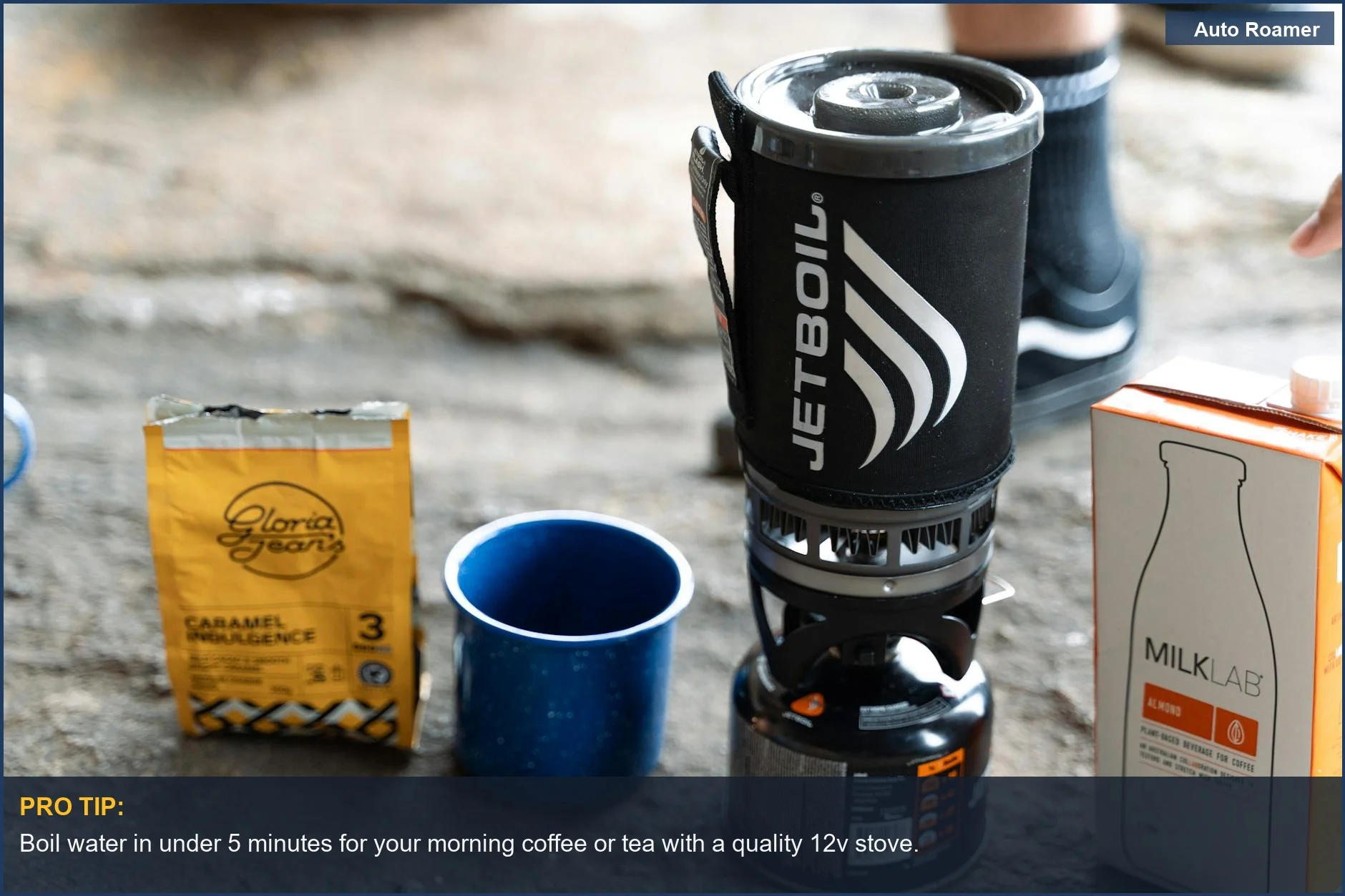
The Bottom Line
The honest version is that a 12-volt stove opens up a world beyond sandwiches and trail mix. You can make actual hot meals without a propane tank or a fancy camp kitchen setup that costs a fortune. My biggest rookie mistake was trying to cook a complex curry on my first trip. It took forever, made a mess, and tasted mediocre. The real move is to embrace the limitations and cook things that are naturally quick and easy to begin with. Think one-pot wonders, pre-prepped ingredients, and foods that cook fast. You don't need a $500 camp stove to eat well in the woods. The $50 version, if you pick the right meals, is perfectly satisfying and way more accessible.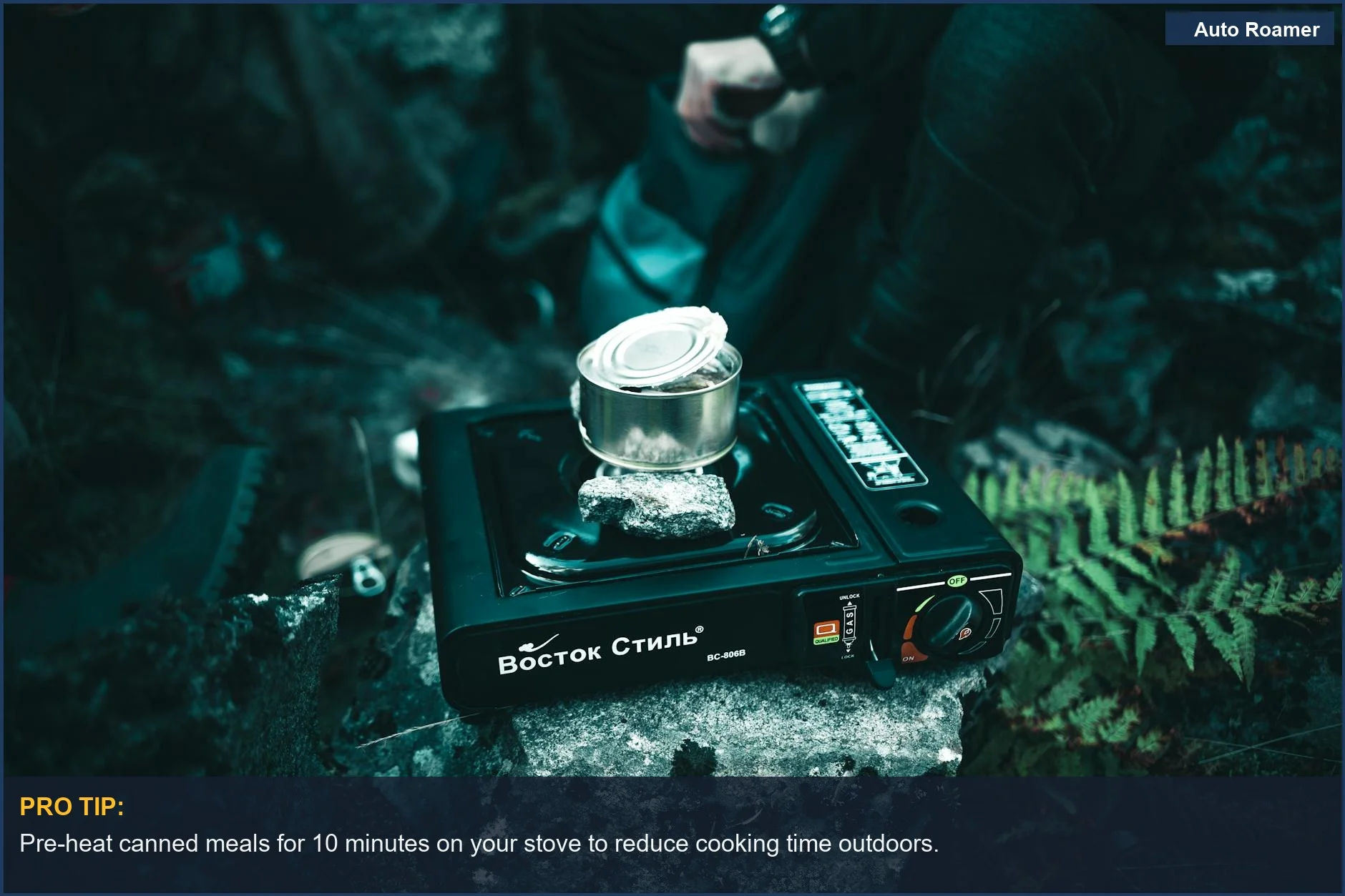
Frequently Asked Questions
If I buy a cheap 12V stove for $30, is it going to be a total piece of junk compared to a $100 one?
Do I need a special heavy-duty extension cord to run my 12V stove from the car battery?
What if my 12V stove just refuses to heat anything up, even with a good extension cord?
Can running a 12V stove for a few hours drain my car battery completely and leave me stranded?
Is it true that you can't cook anything 'real' on a 12V stove, and it's all just boiling water and instant meals?
🏅 Looking for Gear Recommendations?
Check out our tested gear guides for products that work with this setup:
Sources
- 18 Camping Recipes for Camp Stoves, Grills, and Campfires
- What are some car camping food ideas and cooking methods?
- 31 Easy Camping Meals to Make Camp Cooking a Breeze
- 12+ Camping Recipes to Make Camping Meals No Big Deal
- 25 Easy Camping Recipes Using 5 Ingredients or Less - Jetboil
- 12 Easy One Pot or Pan Camping Dinner Ideas (no fire required)
- Meal ideas for camping with a stove & cooler - Reddit