
Choosing the Right Size Car Trash Bin for Your Vehicle
Choosing the right size for a car trash bin is all about matching capacity to your vehicle and habits. Forget those tiny, flimsy plastic bags you used to just jam in the footwell. We're talking about a dedicated spot for your car's refuse, whether it's a daily commute or a cross-country trek.
Choosing the right size for a car trash bin is all about matching capacity to your vehicle and habits. Forget those tiny, flimsy plastic bags you used to just jam in the footwell. We're talking about a dedicated spot for your car's refuse, whether it's a daily commute or a cross-country trek. My first attempt involved a repurposed bucket from my garage, which looked like a science experiment gone wrong in my little Civic.
The real move is finding something that fits your space without becoming a passenger itself. It needs to be accessible, not a wrestling match to throw a single wrapper away. My trunk used to be a black hole of forgotten snacks and coffee cups until I figured this out. Car and Driver talks about how a larger can is good for family trips, and I can confirm my single-person grocery runs don't need a dumpster.
The honest version is, you'll learn what you need by actually using it, but starting with the right size makes the learning curve way less steep.
The Core Answer
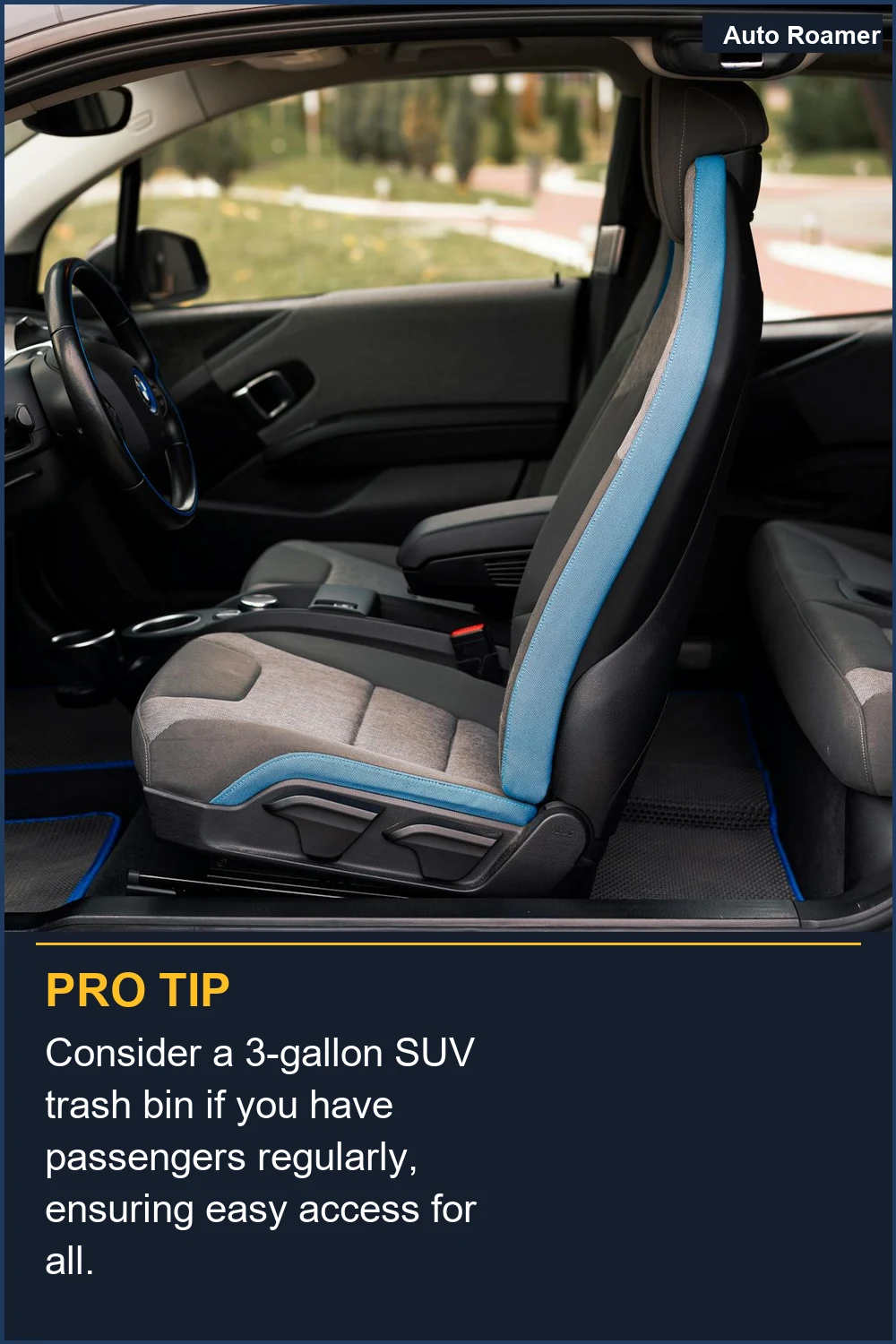
So, how big is too big, or too small? It boils down to your personal trash output and your vehicle's interior. For my old Honda Civic, a 2-gallon bin was pushing it. It felt like it took up half the passenger seat. Now, in my slightly larger SUV, I can comfortably fit a 3-gallon model, and it doesn't get in the way of my passenger's feet. Wirecutter mentioned a $10, 2-gallon option that hangs on the seat back. That's a smart move if you're tight on floor space. Popular Mechanics suggests about two gallons for a family vehicle, which sounds about right. If you're mostly solo, a gallon or less might be plenty. I remember trying to stuff wrappers into a tiny cupholder bin on a road trip once; it was overflowing by mile 50. Rookie mistake. The key is accessibility. If you have to contort yourself to throw something away, you'll just end up not throwing it away. Consider where you'll put it: passenger footwell, under the seat, hanging from a headrest. BagEZ says the bin must fit without becoming an obstruction. That's the golden rule. A 2-gallon bucket I snagged from Lowe's once worked okay wedged between my front seats, but it looked like I was transporting a science experiment. Reddit users often mention using gallon buckets, which gives you a baseline. Think about how often you'll empty it, too. If you only have a small bin, you'll be emptying it every day. That's not practical. My goal is to empty it once a week, maybe twice if I've had a particularly messy snacking session. It's a balance between having enough space and not having a giant plastic eyesore dominating your interior. The real move is to visualize your typical trash and your car's layout. Don't just buy the biggest one you see. That's how you end up with a 5-gallon monster taking up your entire back seat. I made that mistake on a trip to the mountains; it was ridiculous. The honest version: start smaller than you think you need, and you can always go bigger on your next purchase if you find yourself constantly emptying it. It's better to have a bin you actually use than a massive one that just gets in the way. Car and Driver also points out leakproof designs are crucial, especially if you're dealing with leftover drinks. Size ties into this; a bigger bin might mean fewer trips to empty, but a smaller, more manageable bin that's easy to clean might be worth the extra stops. It's about making your car a more pleasant place to be, not adding another chore.
The Bottom Line
The size of your car trash bin is less about a specific gallon number and more about a feeling. Does it fit your lifestyle? Does it fit your car? Can you actually use it without it being a nuisance? I've seen people with these giant bins that look like they're moving out of their house, and then I've seen others with tiny, lidded containers that disappear into the console. Popular Mechanics suggests a gallon or less for individuals, and that's a good starting point. For me, a 2-3 gallon capacity feels right for my current vehicle and my daily driving habits. It holds enough for a few days of coffee cups, snack wrappers, and the occasional rogue tissue without demanding constant attention. The $10, 2-gallon 'carbage can' from Wirecutter is a solid, affordable option for many. Ultimately, the best size is the one that makes you less likely to leave trash on your floor mats. I spent way too long trying to keep my old car clean with just a grocery bag. It never worked. A dedicated bin, regardless of its exact size, is the real move. It's a small investment for a significantly cleaner car interior. Don't overthink it; just aim for accessible and practical.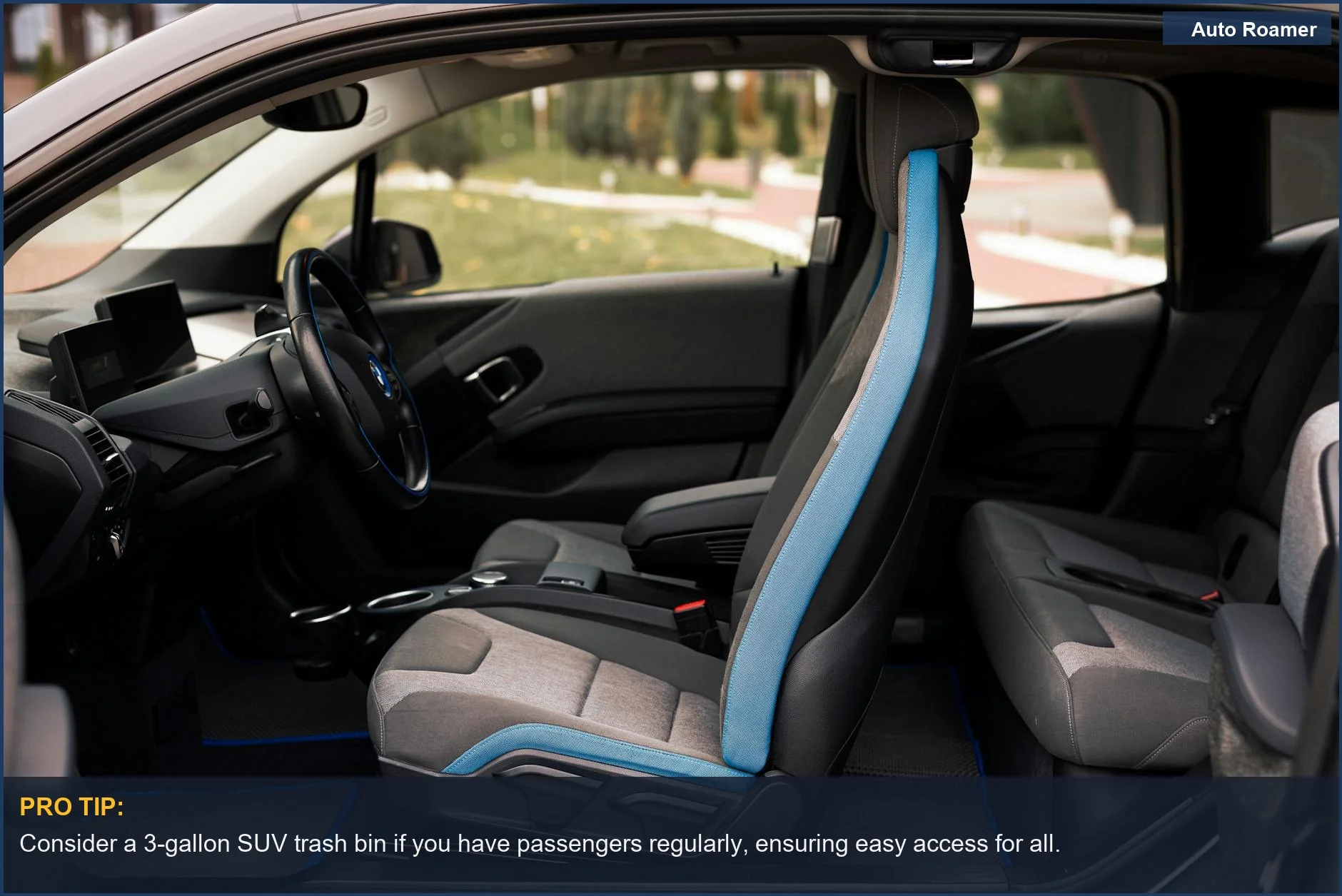
Frequently Asked Questions
I saw a fancy car trash can online for $80. My DIY 2-gallon bucket from the hardware store cost me $5. Is it really worth paying that much extra for a 'car trash can'?
Do I need to measure my car's interior dimensions to pick the right trash bin size?
What if I get a bin that's too big and it just ends up being a bulky eyesore that makes my car feel smaller?
Can a leaky car trash bin permanently damage my car's upholstery or carpet?
Myth: You can just shove all your trash into a reusable grocery bag and call it a day. Debunked.
🏅 Looking for Gear Recommendations?
Check out our tested gear guides for products that work with this setup: