The power questions every car camper asks
Power is the part of car camping people overthink and under-plan in equal measure. Below are the twelve questions that come up again and again on the car-camping forums, each answered as crisply as I can, with the specific units worth buying folded into the relevant answers. These picks lean on tester results from Outdoor Gear Lab and Travel + Leisure plus years of owner reports — not on me bench-testing every station.
Sizing: how much power do I actually need?
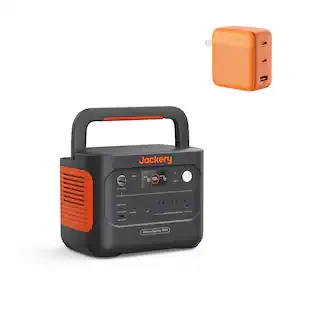
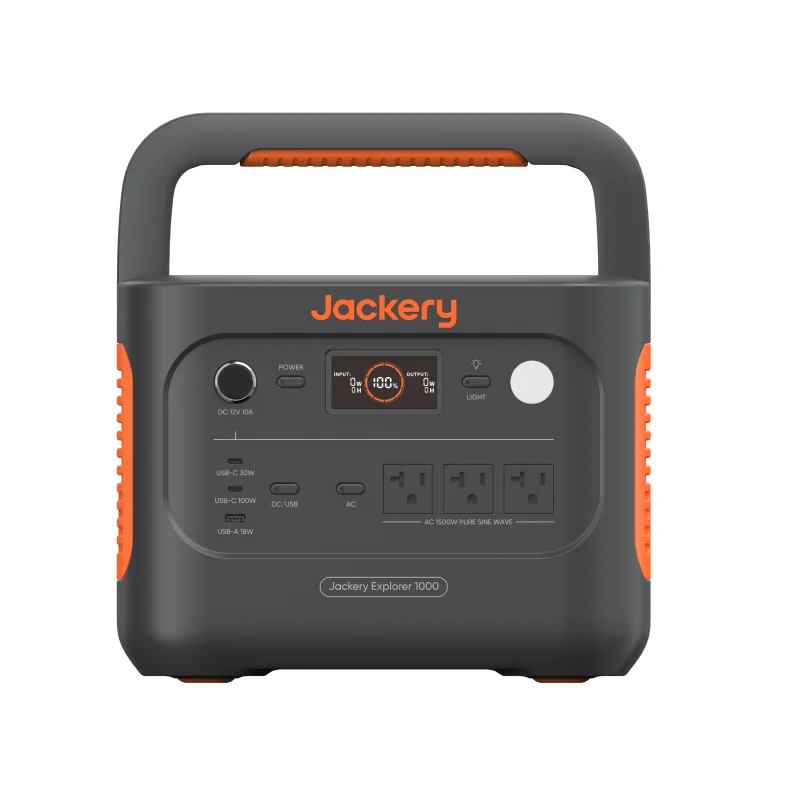
For a weekend of phones, a laptop, lights and a fan, 300-500Wh covers it. The math is simple: add up the watt-hours your devices draw and pad it. Phones are tiny (~15Wh each); a laptop is 50-100Wh per full charge; LED lights and a fan sip power. Most weekenders never stress a 500Wh unit. The moment a 12V fridge enters the picture, jump to 1000Wh — the Jackery Explorer 1000 v2 is the value pick at that size — because a fridge plus devices plus one cloudy day adds up fast.
The mistake most people make is sizing for the watt-hours they'll use and forgetting the buffer. You never want to run a station to zero every night — it stresses the battery and leaves you with nothing if tomorrow is cloudy and you can't recharge. Size so your daily draw is maybe half to two-thirds of capacity, and you've got margin for a bad weather day or an unexpected device. That's why a fridge build that technically 'fits' in 600Wh is much happier in 1000Wh.
- Weekend, no fridge: 300-500Wh.
- Weekend with a 12V fridge: 1000Wh.
- Week-plus off-grid: 1000Wh + a folding solar panel.
Can it run my 12V fridge all weekend?
Yes, and it's the headline use. A typical 12V compressor fridge averages roughly 30-60Wh per hour once it's cold and cycling, so call it 500-1000Wh a day. A 1000Wh station carries a fridge through a full day on its own; pair it with a solar panel and you can run a fridge indefinitely, topping up faster than you draw down on a sunny day.
Two things cut a fridge's draw more than people realize. Pre-chill it at home on wall power and load it with already-cold food and drinks, so it spends the trip maintaining temperature rather than pulling it down from warm — that alone can halve the first day's consumption. And park in shade with the fridge out of direct sun; a fridge baking in a hot car cycles constantly and drains the station fast. Manage those and a 1000Wh unit comfortably covers a fridge plus your devices for a full weekend, solar or not.
- Pre-chill the fridge at home and load cold food — halves day-one draw.
- Park it in shade; a fridge baking in the sun cycles constantly.
- Add a panel and you can run a fridge indefinitely on a sunny trip.
LiFePO4 or regular lithium?
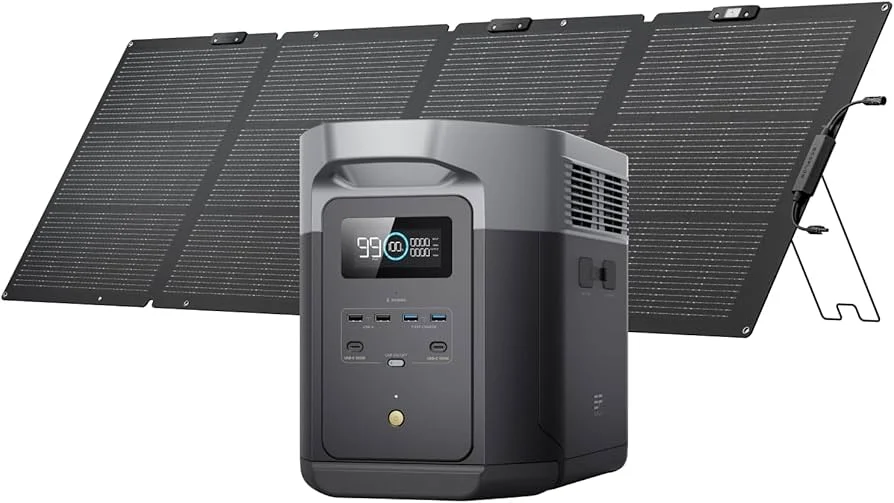
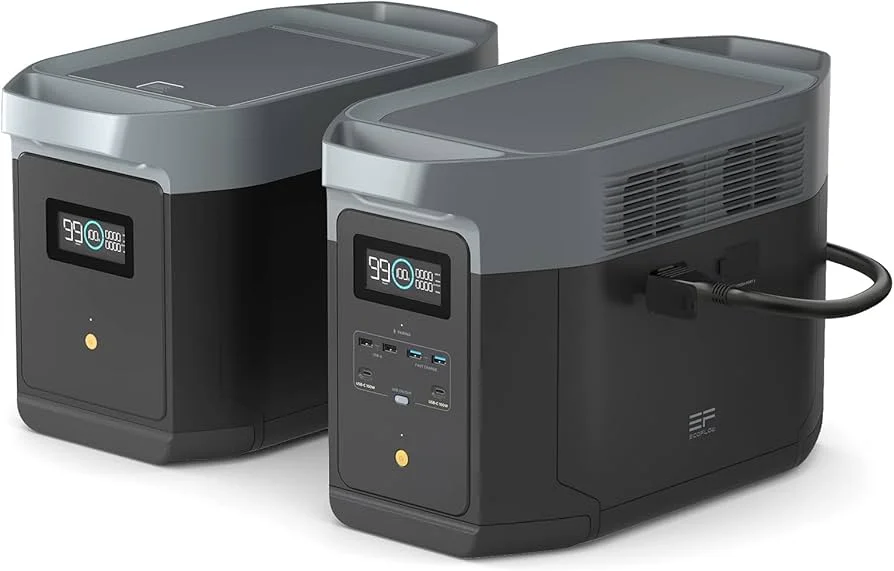
LiFePO4 (LFP), every time. It's rated for 3,000-4,000 charge cycles versus a few hundred for older NMC packs, and it tolerates heat far better — important in a hot parked car. Every unit worth buying now (Jackery v2, EcoFlow Delta 2, Anker C1000) uses LFP for exactly these reasons.
The practical payoff is that an LFP station is a multi-year purchase, not a consumable. At 3,000-plus cycles you could fully drain and refill it every single day for the better part of a decade before it noticeably degrades — so the higher upfront price is genuinely cheaper over its life than a cheap NMC unit you'll replace in a couple of seasons. For something that lives in a hot car and gets cycled hard, the chemistry isn't a spec-sheet nicety; it's the whole value proposition.
How fast can I recharge it?
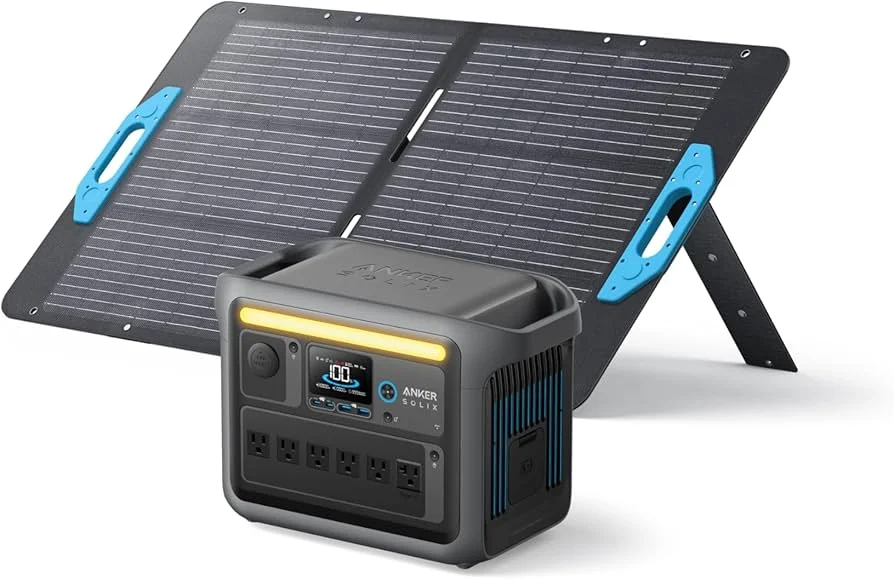
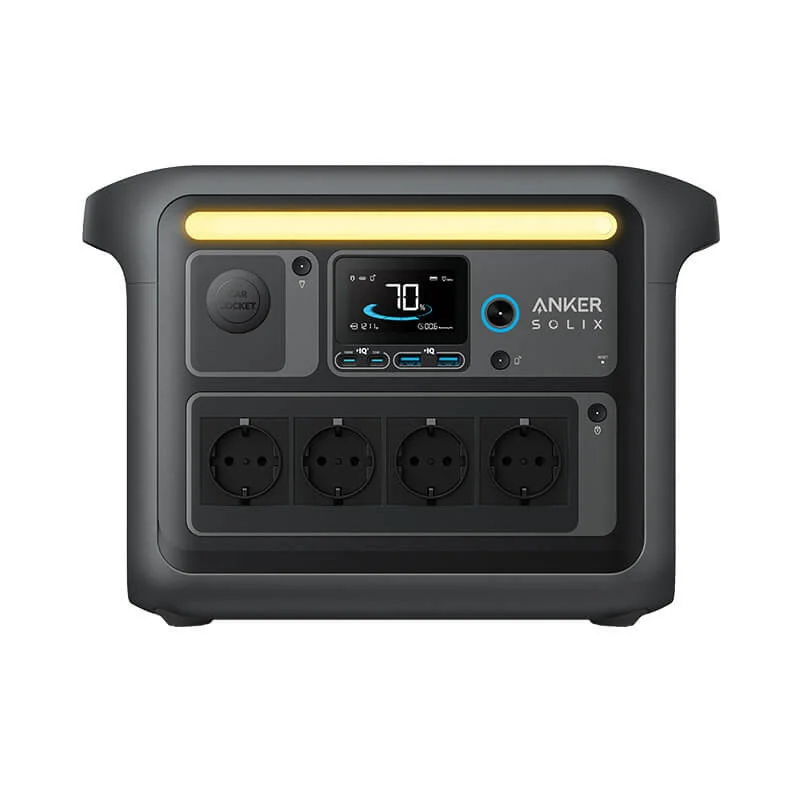
It depends entirely on the source. From a wall outlet or hookup, the EcoFlow Delta 2 hits ~80% in under an hour and the Anker SOLIX C1000 claims a full charge in under an hour — that speed lets you top up at a café outlet. From the car's 12V/DC it's slower (a trickle while you drive). From solar it depends on panel wattage and sun.
Fast recharge matters more than people expect, and not just for impatience. If you can refill a station in under an hour from any wall outlet, your whole trip planning loosens up — a quick top-up at a café, a visitor center, or a friend's garage keeps you powered without ever booking a hookup site. A six-hour charge, by contrast, effectively ties you to shore power overnight. That's the real reason testers prize the EcoFlow and Anker recharge speeds: it's freedom, not just a number.
- AC wall/hookup: fastest — EcoFlow Delta 2 ~80% in under an hour.
- Car DC cable while driving: a steady trickle, free on every travel day.
- Solar: depends on panel wattage, sun and aim.
Do I need solar, or is the car enough?
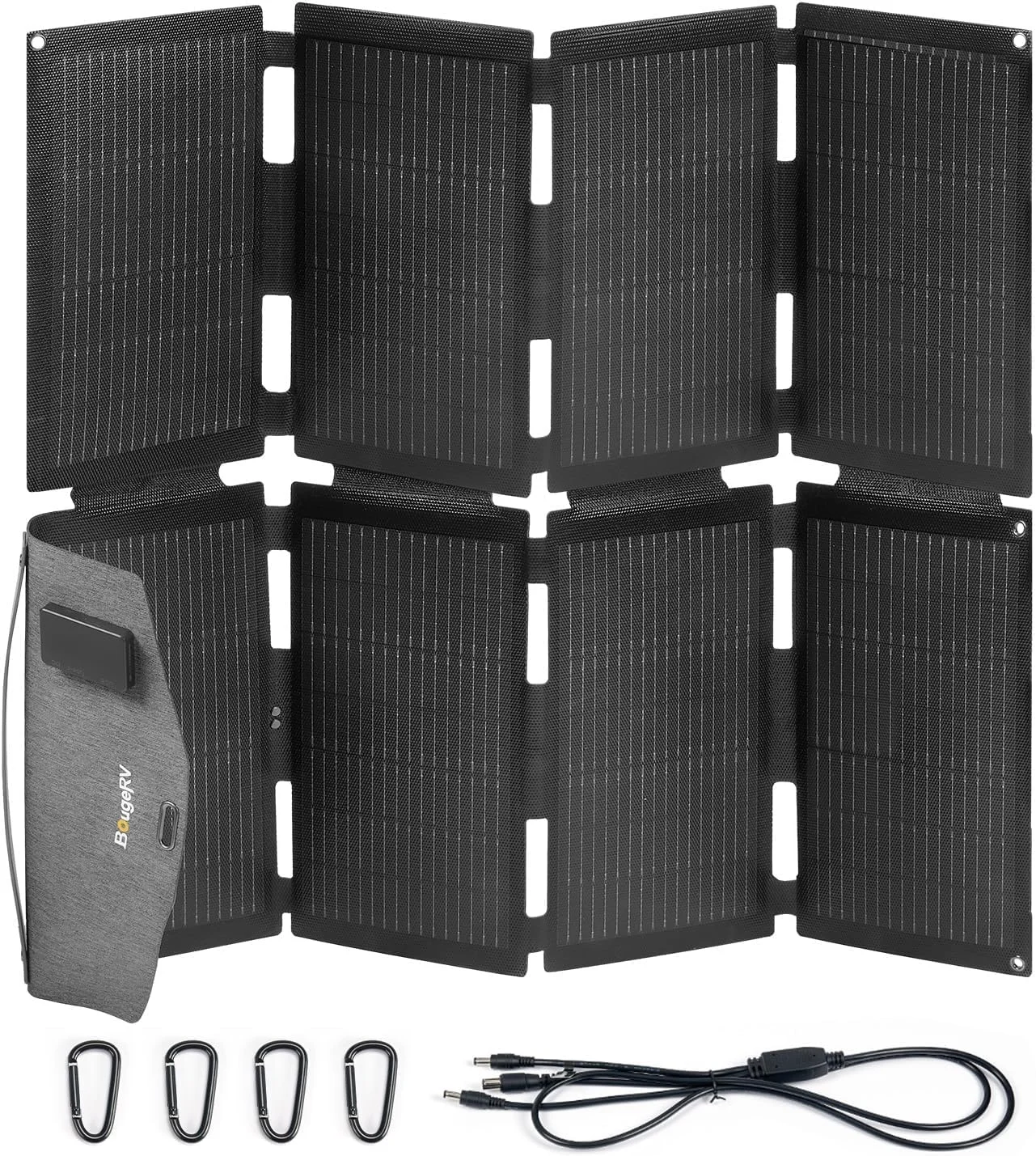
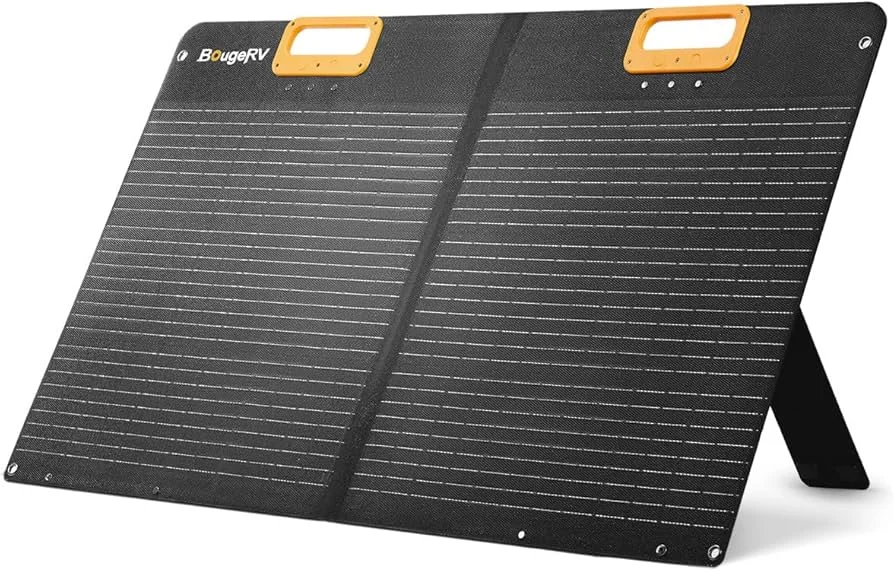
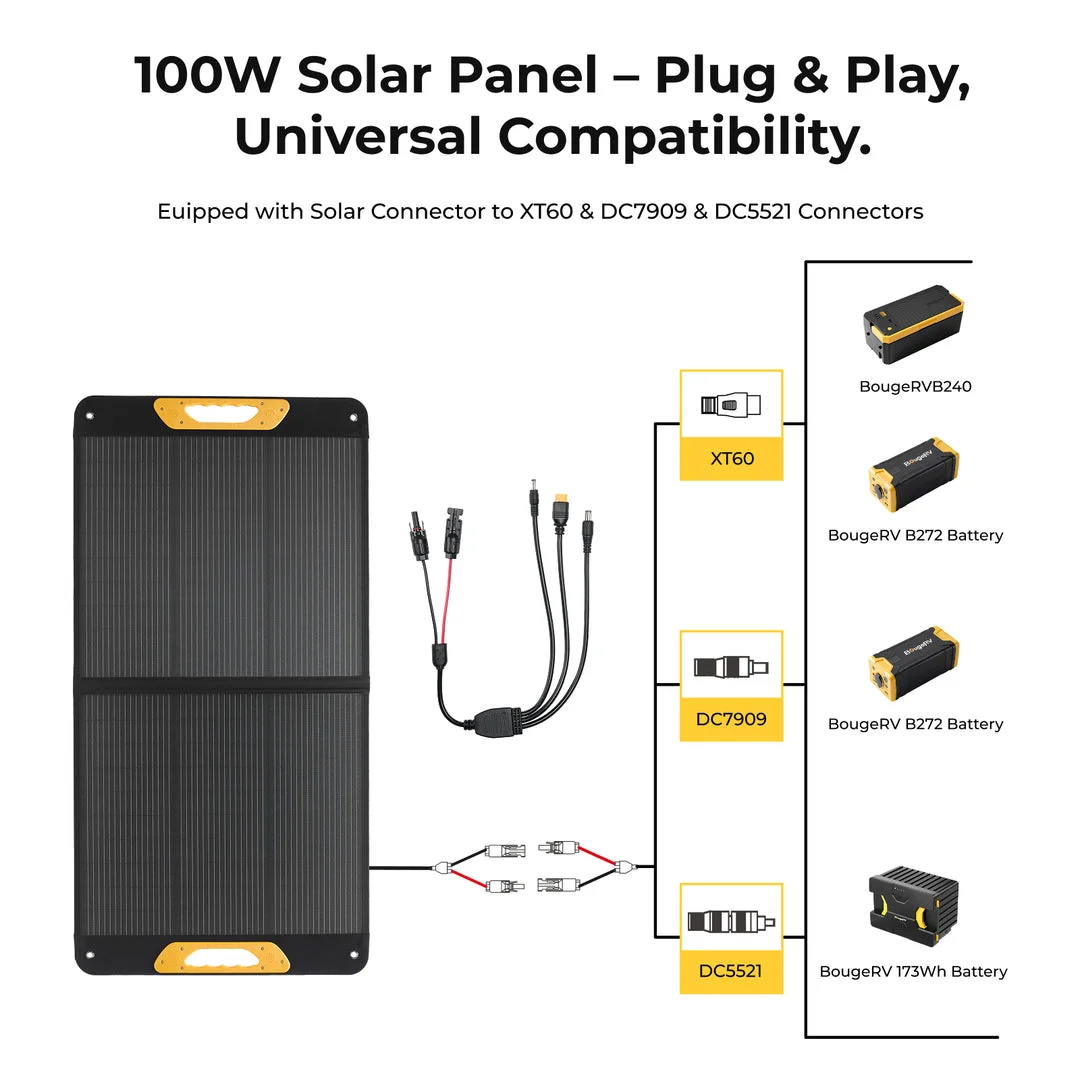
For weekends, the car charge is usually enough; for longer or fridge-heavy trips, add solar. A 100W folding panel like the BougeRV laid on the dash or roof trickles the station back up through the day. The honest rule: solar is the difference between a station that drains over a long trip and one that stays topped up. A cloudy week roughly halves real solar output, so oversize the panel if you rely on it.
If you do buy solar, two details decide whether it actually helps. First, you have to aim it — a panel flat on the dash collects a fraction of what the same panel collects propped at an angle toward the sun and moved a couple of times a day. Second, match the panel's voltage and connector to your station's solar input, or you'll be hunting for adapters at camp. Done right, a 100W folding panel turns a weekend station into a stay-as-long-as-you-like one; done lazily, it's a heavy mat that trickles in almost nothing.
Can I charge it from my car while driving?
Yes, with a DC car-charging cable — most stations include or offer one. It's slower than AC but it means every drive between campsites tops you up for free. Many car campers run almost entirely on car-charging plus a small panel and rarely touch a wall outlet. Just don't run the station's heavy loads off the car's own 12V socket — charge the station, then run devices from it.
Will it run a CPAP overnight?
Usually yes, and it's a common reason people buy one. A CPAP without the heated humidifier draws roughly 30-60Wh per hour, so a 500Wh unit covers most of a night and a 1000Wh unit covers it comfortably with margin. Turn off the heated humidifier and heated hose to roughly halve the draw — that single setting change is what lets a mid-size station run a CPAP for two nights.
If you depend on a CPAP, build in real margin and test it at home first. Run your exact machine on the station overnight in your bedroom and read the remaining charge in the morning — that tells you precisely what a night costs you, with no guessing at a remote campsite. Most CPAP users land on a 1000Wh unit for the peace of mind and pair it with solar or a daily drive so they never sweat a multi-night trip. It's the one use where I'd oversize rather than optimize, because the downside of getting it wrong is a night without your therapy.
Power station or a dual-battery setup?
For most car campers, a portable power station wins. It needs no wiring, moves between vehicles, charges from the wall at home, and you can take it into a cabin or tent. A hard-wired dual-battery (second battery + DC-DC charger) is the move only for permanent van builds where you want everything integrated. Plug-and-play beats a wiring project for nearly everyone.
The dual-battery build is the right call for a permanent van; for a weekend car camper running a fridge and devices, a power station does the same job with no install and full portability.
What can't a power station do?
It can't run a rooftop AC or an electric heater for long. High-wattage heat and cooling devices drain even a 1000Wh unit in under an hour — the physics doesn't bend. For warmth, use your sleeping system and a propane heater (safely); for cooling, use ventilation and shade. The station is for electronics, lights, a fan and a fridge — not climate control.
- Great at: phones, laptops, lights, a fan, a 12V fridge, a CPAP.
- Not for: rooftop AC, electric heaters, a kettle for long — they drain it in under an hour.
It's worth internalizing the why, because it saves a disappointing purchase. Heating and cooling are about moving large amounts of energy, and a portable battery simply doesn't hold enough — a 1000Wh unit is roughly one kilowatt-hour, and a space heater or rooftop AC eats that in well under an hour. No amount of clever wiring changes the math. If your real need is climate control off-grid, that's a job for insulation, ventilation, shade and a propane heater — not a bigger power station, which would have to be impractically huge and heavy to do it.
Is it safe to leave charging in a hot car?
LiFePO4 tolerates heat far better than old chemistries, but extreme heat still throttles charging and shortens life. Don't bake a station on the dash in direct sun — stow it somewhere shaded and ventilated. Most units have thermal protection that pauses charging when too hot, which is a feature, not a fault.
Which unit should I actually buy?
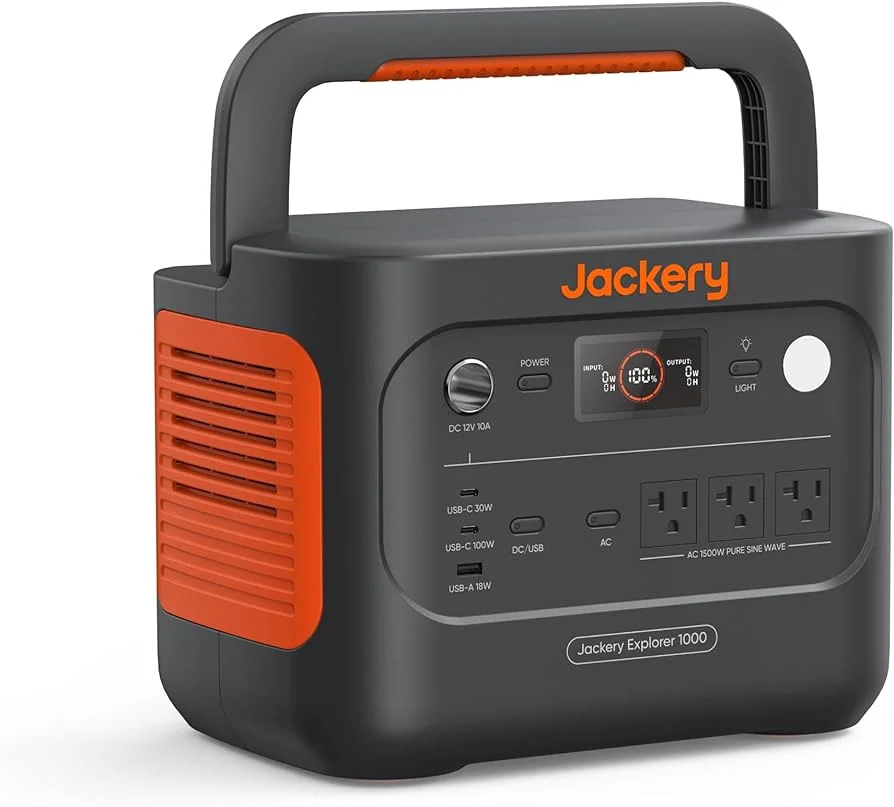
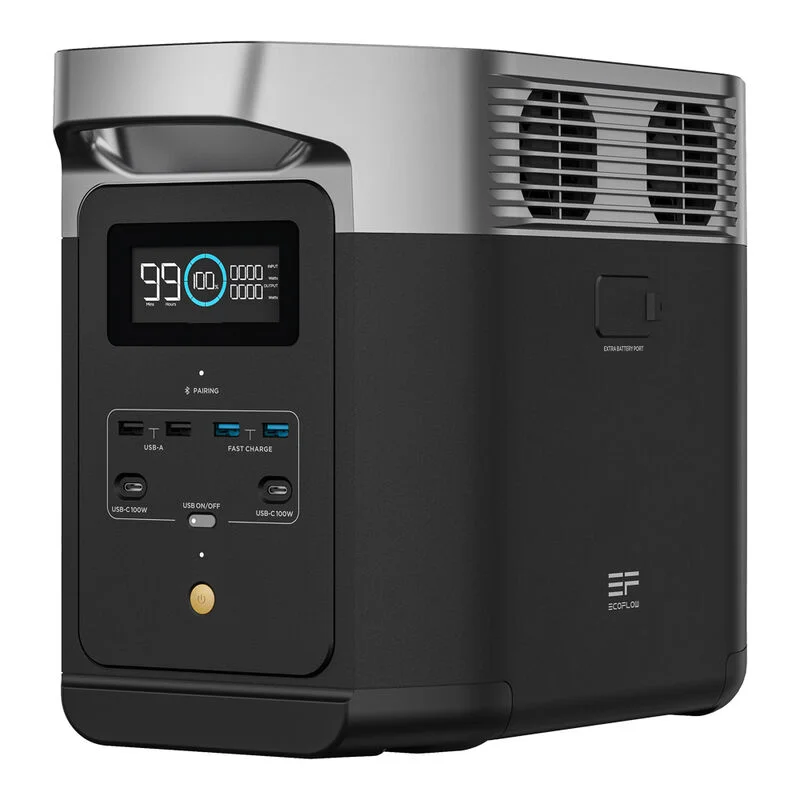
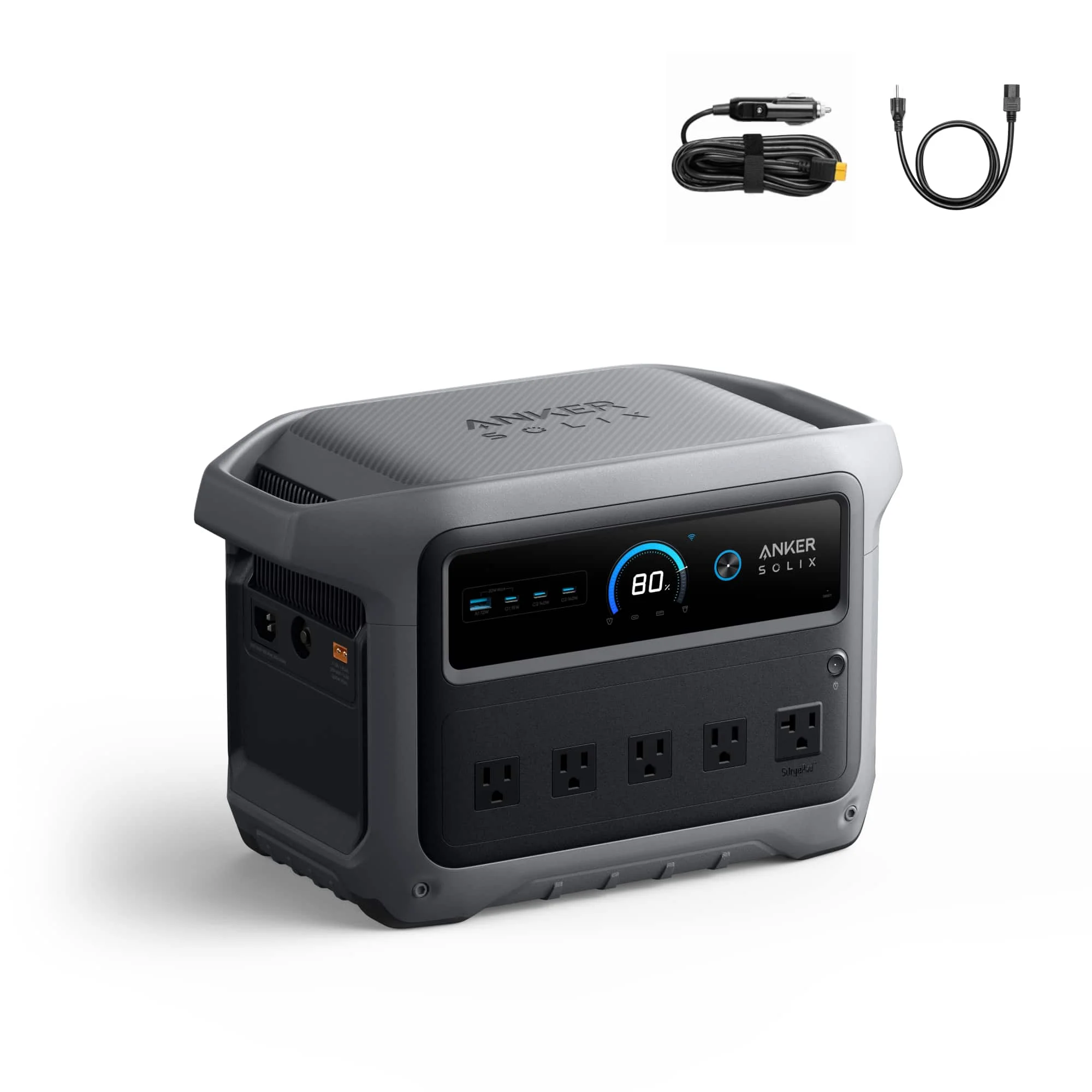
For most car campers, the Jackery Explorer 1000 v2 is the value sweet spot — a genuine 1000Wh of LFP at a car-camping price. Choose the EcoFlow Delta 2 if fast AC recharge and 1800W output (for an induction burner or kettle) matter, and the Anker SOLIX C1000 if sub-hour recharge is your priority. Add the BougeRV 100W panel for any trip longer than a weekend.
- Value default: Jackery Explorer 1000 v2.
- Fastest recharge + most output: EcoFlow Delta 2.
- Sub-hour recharge, compact: Anker SOLIX C1000.
- Off-grid top-up: BougeRV 100W folding panel.
The bottom line
Size to your real day: 300-500Wh for a weekend of devices, 1000Wh once a fridge is involved, LiFePO4 always, and a folding solar panel for anything longer. The Jackery Explorer 1000 v2 is the value default, the EcoFlow Delta 2 the fast-recharge upgrade, and the Anker C1000 the speed pick. Get the size right and power becomes the part of car camping you stop thinking about — which is exactly what you want.
If you remember nothing else: buy a little more capacity than your math says, insist on LiFePO4, and add a way to recharge off-grid (car cable plus a panel). Those three habits cover almost every mistake people make with camp power, and they turn a station from a thing you anxiously ration into a quiet utility that just works.