
The Short Answer: Yes at Some, But Not Because It's Walmart
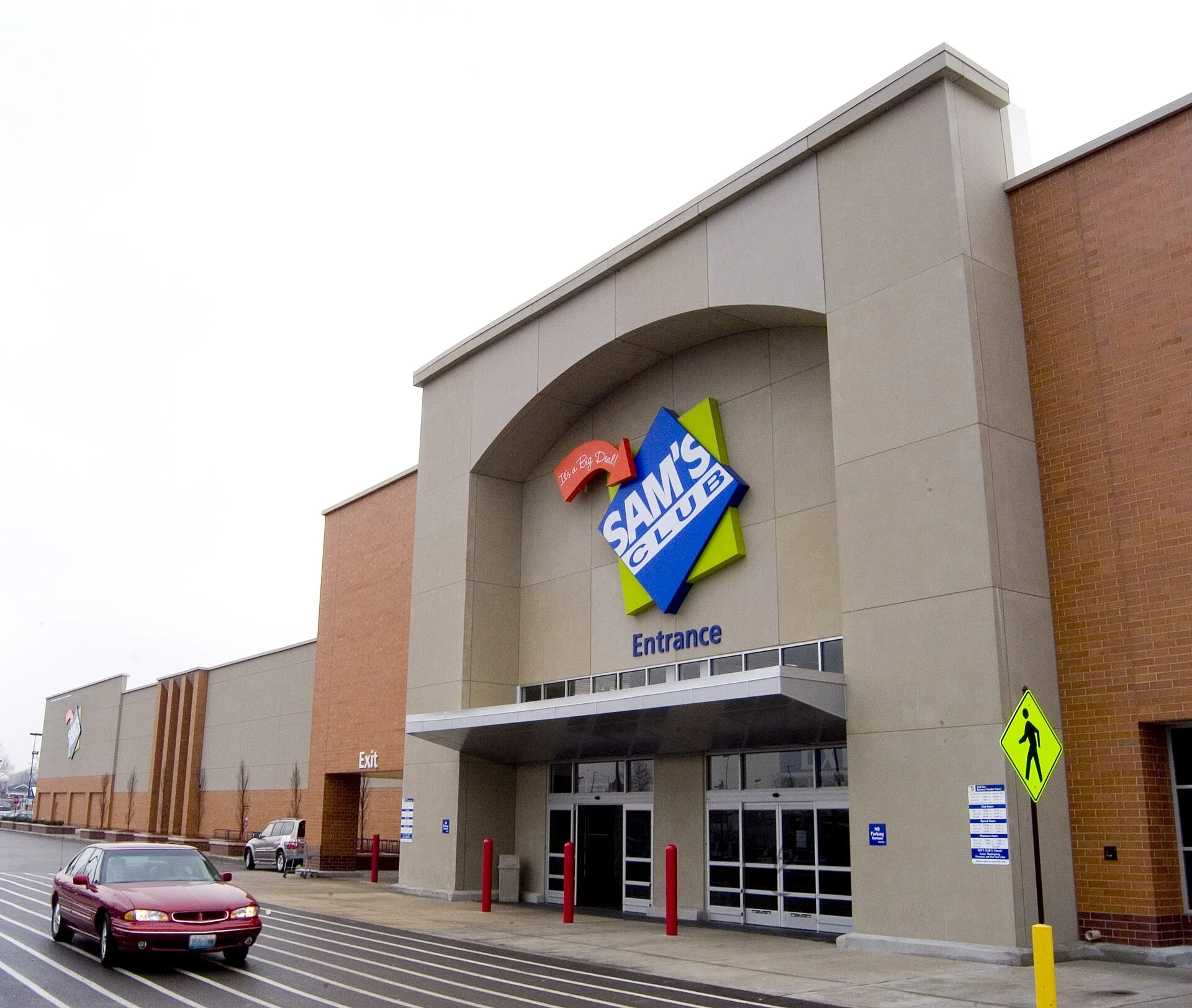
Here's the assumption that gets people in trouble: Sam's Club is owned by Walmart, so it must share Walmart's famous willingness to let you park overnight. That's a reasonable guess and it's wrong. The honest short answer is that you can sometimes sleep in your car at a Sam's Club lot, but whether you can is decided store by store - and never safely assumed from the Walmart connection.
The reason is structural. Sam's Club does not have a published, official company-wide overnight or RV parking policy. There's no corporate rule saying yes and none saying no. Instead, whether overnight parking is allowed is dictated by local laws and the discretion of the individual club manager. Two Sam's Clubs an hour apart can have opposite answers, and both are legitimate.
So the step that actually determines your night isn't reading a policy - it's asking the right person. Sam's Club's own guidance advises verifying with the Club Manager whether it is permissible to use the parking lot for any overnight vehicle stay. Skip that step and you're gambling; take it and you get a real answer. This guide is about doing it in the right order.
Walmart-Owned, But Not Walmart's Reputation
Let's clear up the Walmart connection, because it's the source of most of the confusion. Sam's Club is owned and operated by Walmart and has nearly 600 U.S. locations, so the corporate link is real. And because Sam's Club is Walmart-owned, it tends to follow an approach similar to Walmart's informal overnight tolerance - the family resemblance exists.
But resemblance isn't the same as identity, and this is the detail people miss. The two are handled separately by store. Walmart's stated policy is that stores permit overnight parking 'as we are able,' varying by store manager, space availability, and local law - the famous informal tolerance that RVers rely on. Sam's Club simply doesn't carry that same well-known reputation.
Unlike Walmart's widely known informal RV-tolerance reputation, Sam's Club has no equivalent well-known overnight policy and is more location-dependent. That's the crux: you can't transfer Walmart's reputation to Sam's and assume you're covered. The corporate parent is the same, but the overnight-parking culture and the store-level discretion are their own thing at Sam's, which is exactly why you verify rather than assume.
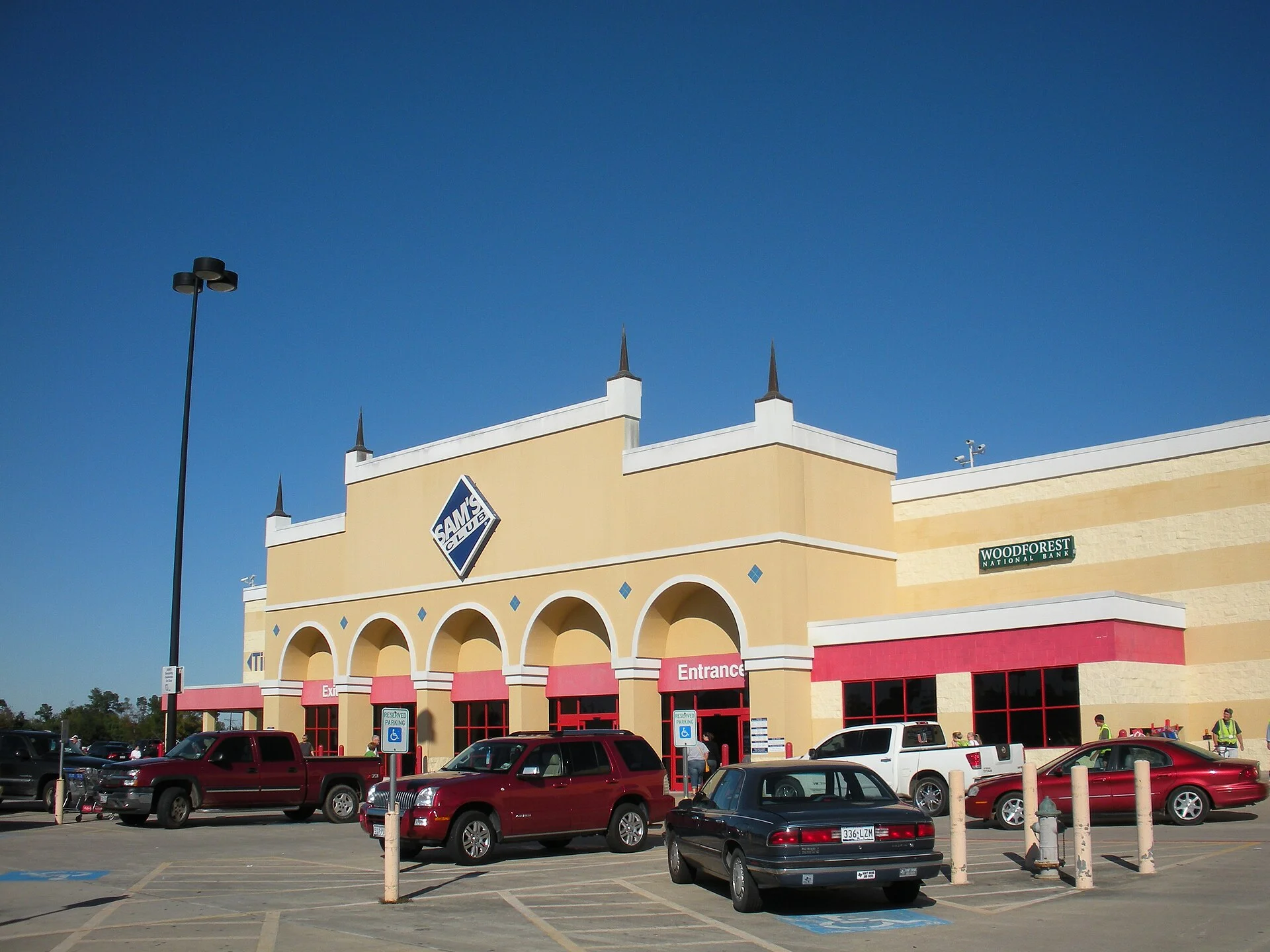
No Company-Wide Policy - It's the Manager's Call
The single most important fact to internalize is that there's no policy to look up. Sam's Club does not have a published, official company-wide overnight or RV parking policy, so there's no corporate page that answers your question for every location. Anyone who tells you 'Sam's Club allows it' or 'Sam's Club bans it' as a blanket rule is wrong, because no such blanket rule exists.
What exists instead is local authority. Whether overnight parking is allowed is dictated by local laws and the discretion of the individual club manager. Parking policies vary from club to club due to local zoning restrictions and location, and not every Sam's Club location has designated RV or overnight parking. The decision lives at the store, shaped by that store's manager and its municipality.
This is the installer's-eye view: when there's no universal spec, you have to check the specific unit in front of you. The only reliable way to know if a specific Sam's Club currently allows overnight parking is to ask that store's manager directly. There's no shortcut around it, and pretending there is - by assuming, by generalizing from one visit, or by leaning on the Walmart link - is how people end up towed.
The Step Everyone Skips: Call the Manager
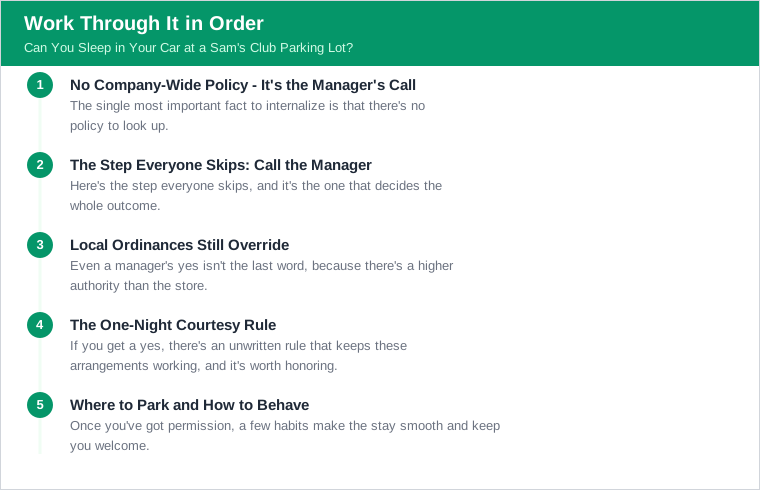
Here's the step everyone skips, and it's the one that decides the whole outcome. Sam's Club's own guidance advises verifying with the Club Manager whether it is permissible to use the parking lot for any overnight vehicle stay. That's not a suggestion buried in fine print - it's the manufacturer's own instruction, so to speak, and following it converts a gamble into a known answer.
The consequence of skipping it is spelled out plainly. Failure to notify club management in advance could result in unauthorized vehicles being towed at the vehicle owner's expense. A tow is the expensive, middle-of-the-night failure that a two-minute phone call prevents - the classic case of a skipped step causing a problem three hours later, in a dark lot, at your cost.
Doing it right is simple: call the specific store during business hours, ask for the Club Manager, and ask directly whether you may park overnight. You get a clear yes or no tied to that exact location and that exact night, which is the only answer that actually protects you. It's the measure-before-you-mount habit applied to a parking lot - confirm first, and the rest goes smoothly.
The Membership-Warehouse Wrinkle
Sam's Club has a wrinkle a regular Walmart doesn't: it's a members-only warehouse, which adds a layer to the overnight question. Sam's Club is a membership warehouse, which can create different considerations than a standard Walmart store. The lot serves paying members, and that membership framing can affect how a manager views a non-member parked overnight.
The good news is that membership isn't necessarily a hard barrier for the lot itself. Although Sam's is a membership club, many locations allow non-members to park overnight in the lot. So not being a member doesn't automatically disqualify you from asking - the lot and the store's shopping floor are somewhat separate questions, and overnight parking permission is the manager's to grant regardless of your membership status.
There's a related detail worth knowing if you plan to shop while you're there. Sam's offers a guest option that adds a ten percent surcharge for non-members shopping inside. That surcharge applies to buying goods, not to the parking-lot question, but it's a reminder that the membership model shapes the whole experience. For overnight parking, the manager's permission is still the deciding factor - membership just adds context to the conversation.
Local Ordinances Still Override
Even a manager's yes isn't the last word, because there's a higher authority than the store. In many large cities, local ordinances prohibit sleeping in vehicles, and those laws can override any store-level permission. A manager can be perfectly happy to let you stay, and a municipal ordinance can still make it illegal - two separate gates you have to clear.
This is the part that's easy to forget once you've secured the manager's blessing. The store controls its private property, but the city controls the law, and where a city bans vehicle sleeping, that ban applies on private lots too. So the manager's permission protects you from a trespassing problem; it does nothing about a municipal anti-sleeping ordinance, which is a separate exposure entirely.
The practical upshot is that the phone call to the manager should be paired with a quick check of local rules, especially in a big city. Overnight parking laws vary from town to town and may change over time, so permission should be re-verified per location and visit. Clear both gates - the manager and the local ordinance - and you're genuinely in the clear; clear only one, and you're still exposed.
The One-Night Courtesy Rule
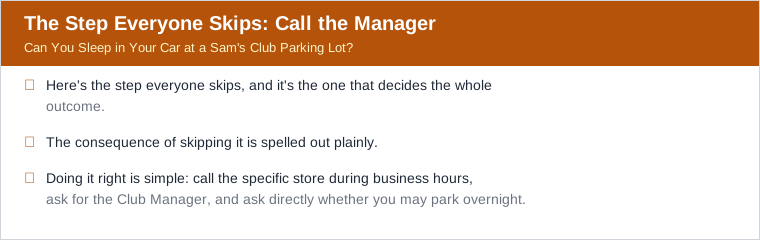
If you get a yes, there's an unwritten rule that keeps these arrangements working, and it's worth honoring. One overnight stay is the standard courteous limit that most RVers and travelers observe at Sam's Club. These lots are for a single night's rest on a journey, not a place to settle in - and treating them that way is how the tolerance survives.
The logic is straightforward and community-minded. Keeping stays to a single night helps encourage stores to continue allowing overnight parking. Every traveler who overstays, sprawls out, or turns a lot into a campsite makes the next manager more likely to say no. The courtesy limit isn't a rule you'll be handed - it's a norm that protects access for everyone who comes after you.
So the etiquette is simple: get your permission, stay one night, and move on in the morning. This mirrors the broader norm at retail lots and is part of being a good guest on someone else's property. A manager who sees a clean, single-night stay is far more likely to welcome the next traveler; one who finds a multi-day setup is likely to end the practice for good.
Where to Park and How to Behave
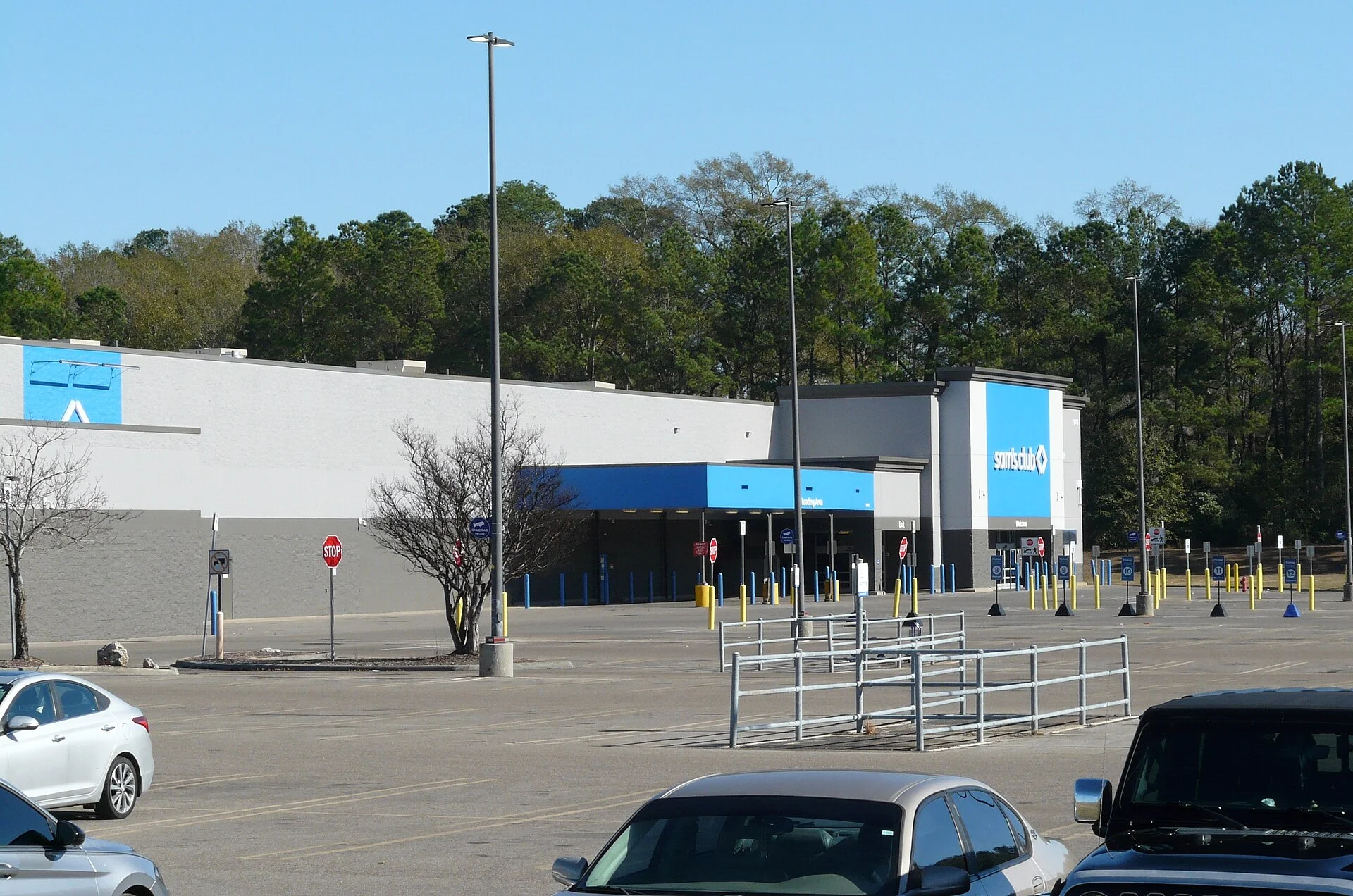
Once you've got permission, a few habits make the stay smooth and keep you welcome. As at Walmart, visitors are typically asked to park farthest from the store entrance to keep spaces open for shoppers. Tucking into the far edge of the lot signals that you understand you're a guest, not a customer taking a prime spot, and it keeps you out of the busy, well-trafficked zone.
Low-profile behavior does the rest. Keep the setup tidy and unobtrusive, avoid deploying anything that reads as camping - no chairs, no awnings - and manage your windows for privacy without looking like you've moved in. A set of window privacy covers blocks light and prying eyes while keeping the vehicle looking like a parked car rather than a residence.
Safety and courtesy overlap here. A far corner that's still within sight of the store's lighting and cameras is usually the sweet spot - discreet but not isolated. Lock the doors, keep valuables out of view, and leave the space as clean as you found it. A quiet, respectful overnight is what earns Sam's Club managers' continued goodwill, and it makes your own stay safer and less likely to draw a knock.
Why a Tolerated Lot Can Change
One more thing the installer's mindset insists on: don't assume last year's answer still holds. Some locations have increased security patrols, and policies can change, so a previously tolerated lot may no longer allow it. A Sam's Club that welcomed overnight parkers on a past trip can quietly reverse course, and you won't know unless you re-check.
The reasons vary - a new manager, complaints, local ordinance changes, or a security contract - but the effect is the same: permission is a snapshot, not a standing guarantee. Overnight parking laws vary from town to town and may change over time, so permission should be re-verified per location and visit. What was fine before may not be fine now, and relying on old information is how a smooth routine turns into a tow.
This is why the call to the manager isn't a one-time task - it's a per-visit habit. Each trip, each location, a fresh confirmation. It sounds tedious, but it's a two-minute call that guarantees the current answer, and it's the difference between a reliable overnight system and an occasional unpleasant surprise. Treat every stay as its own verification, and the surprises disappear.
The same caution applies to secondhand advice from forums or travel blogs, including this one: any specific claim that a given Sam's Club allows overnight parking is a snapshot from someone's past trip, not a guarantee for yours. The only current, authoritative answer comes from that store's manager on the day you plan to stay. Use general guidance to understand how the system works, then confirm the specifics yourself for the location and date in front of you.
The Verdict: Call First, Stay One Night, Move On
Strip away the Walmart assumption and the answer is clear: you can sometimes sleep in your car at a Sam's Club lot, but only when the local manager and the local ordinance both allow it. Sam's Club has no company-wide overnight policy, so it's entirely a store-by-store, manager's-discretion matter - and it does not automatically inherit Walmart's famous informal tolerance.
The reliable procedure is the whole game. Call that specific store's Club Manager in advance and ask directly, because Sam's own guidance says to verify, and unverified vehicles can be towed at your expense. Pair that call with a quick check of the city's rules, since a local ordinance can override the manager's yes. Clear both gates and you have genuine, current permission.
Then be a good guest: park far from the entrance, keep a low and tidy profile, stay a single night, and move on in the morning - the courtesy that keeps these lots open for the next traveler. Do it in that order - call first, confirm the local law, stay one night - and a Sam's Club lot can be a sensible, safe place to rest on a long drive. Skip the call, and you're gambling with a tow you could have avoided with two minutes on the phone.