The straight answer: yes, for one sleeper
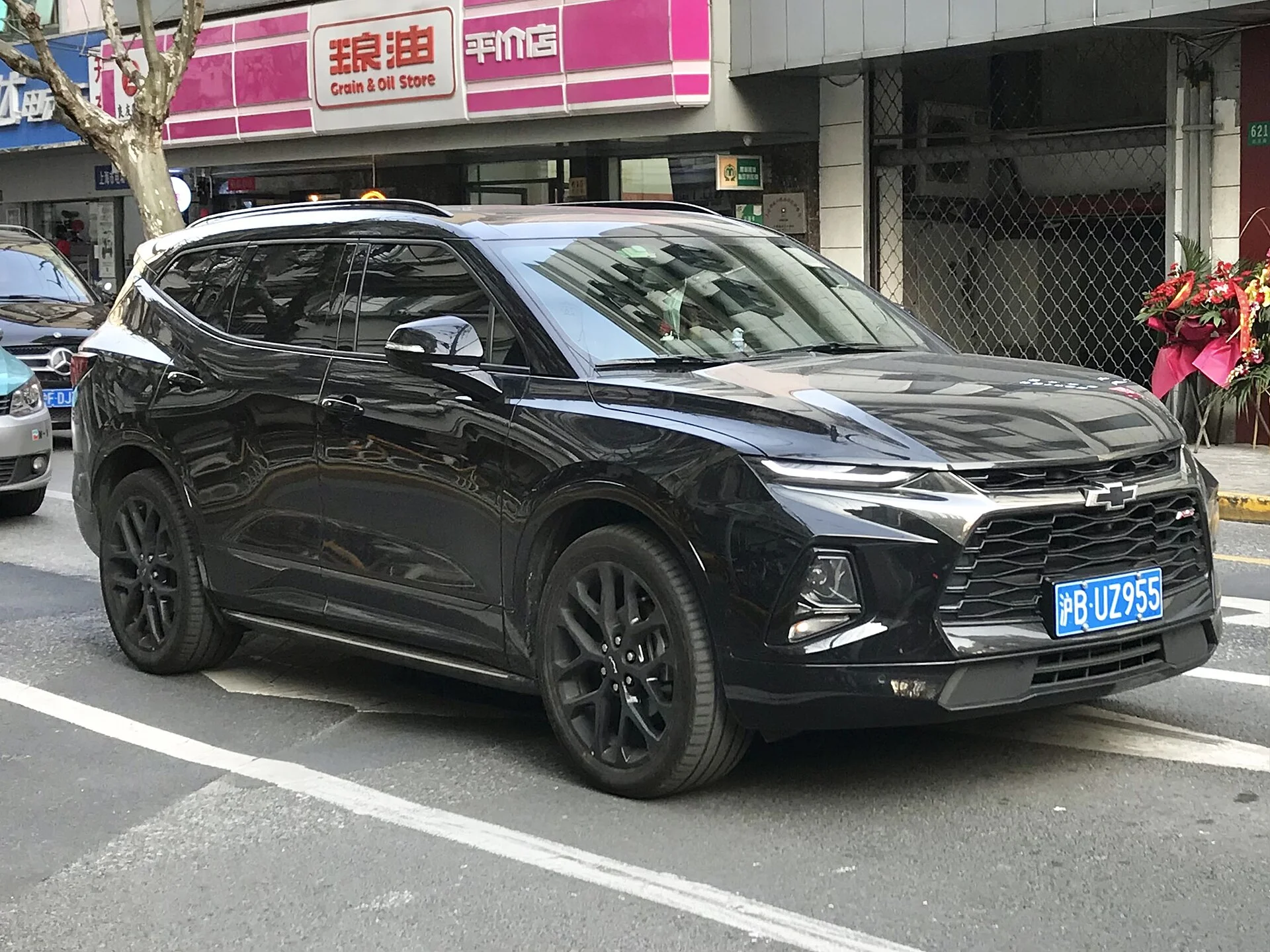
Short answer: yes, you can sleep in a Chevrolet Blazer, and it makes a genuinely comfortable one-person camper once you level the floor. Fold the rear seats and you open up about 64.2 cubic feet of cargo space, per iSeeCars, and roughly 70 inches of flat length by owner measurements on ChevyBlazer.org - enough room for a sleeper up to about 6 feet tall to stretch out with a pad and a bag. Plenty of vehicles make you fight for a flat night; the Blazer's long, wide bay makes it one of the friendlier mid-size crossovers to sleep in.
The honest catch is width, not length. The Blazer is built to sleep one adult well; two adults side by side is where the geometry stops cooperating, and I'll show you exactly why below. So the real question isn't 'can you' - it's 'can YOU,' meaning does your height, your headcount, and your trip match what this specific vehicle gives you. That's the question this page answers, number by number, before you spend a dollar on a mattress.
The three numbers that decide it - and the one nobody mentions
Three cargo numbers settle whether a Blazer is a bed or a disappointment, and a fourth one - the one dealers never put in the brochure - decides how much work you'll do to fix it. Behind the second row you have only about 30.5 cubic feet, per iSeeCars and Keystone Chevrolet: useful for gear, useless for sleeping. Fold that row and the number jumps to about 64.2 cubic feet, per iSeeCars, and the flat load length reaches roughly 70 inches by owner measurements on ChevyBlazer.org.
Here's how to read those three like a camper, not a shopper:
- 30.5 cu ft (seats up): forget it for sleeping - this is the grocery-run number.
- 64.2 cu ft (seats folded): the space you actually live in overnight, and it's competitive for the class.
- ~70 inches of length: the make-or-break number. A camper up to about 6 feet fits straight; taller sleepers go diagonal.
The number nobody mentions: the folded Blazer floor is not flat. The seatbacks sit a few inches proud of the cargo floor, leaving a step and a slope - owners on ChevyBlazer.org measure it plainly. It won't stop you sleeping; it just means a two-minute fill job stands between you and a level bed, which the next section handles.
Who actually fits: run the height-and-headcount check first
Before you buy anything, sort yourself into one of three honest buckets. This is the single most useful thing you can do, because the Blazer is a clear yes for one bucket, a maybe for the second, and a no for the third.
The solo camper under 6 feet. This is the Blazer's buyer. Roughly 70 inches of flat length is 5 feet 10 inches, so a sleeper up to about 6 feet lies straight with the seatback gap filled, and anyone taller picks up 6 to 10 inches by sleeping corner to corner. For you the Blazer is a flat yes.
The couple. Here it gets tight. Two adults want somewhere around 48 inches of shoulder width to sleep without stacking arms, and the Blazer's usable sleeping width between the wheel wells lands under that - fine for two slim people who like each other, a nightly negotiation for everyone else. Treat the Blazer as a comfortable solo bed that can occasionally sleep two in a pinch, not a two-person camper.
The tall camper over 6 foot 2. You can still make it work on the diagonal, but measure at the dealer with the seats folded before you commit - lie down in the bay in the showroom, because 2 inches of real length matters more than any spec sheet. The diagonal run from the tailgate corner to the opposite seatback corner buys most tall sleepers the length the straight run denies them, at the cost of sleeping slightly angled; whether that trade reads as clever or annoying after a week on the road is exactly what the showroom lie-down tells you.
The 10-minute driveway test before you trust any spec sheet
Specs get you close; your own body settles it. Before you spend money on a mattress or a platform, run this test in your driveway - it costs nothing and it has talked more than one person out of a bad build.
- Fold the seats and lie down as-is. Feel the seatback step under your hips. If it's under your shoulders instead, shift toward the tailgate and re-check.
- Stretch straight, then diagonal. Note where your feet land both ways. Diagonal usually buys a taller sleeper the length they need.
- Sit up. A Blazer gives you enough height to sit partway and change clothes, but not to kneel fully upright - know that before the first cold morning.
- Bring a tape measure. Measure your own flat length and width, then compare to the roughly 70 inches of floor. Numbers on a dealer page are averages; your Blazer's trim and year can shift them.
- Check the wheel-well straddle. Lie centered and note where the arches meet your shoulders and hips - your pad has to fit between them, not over them, and this is the check that decides whether a wide mattress goes back in the box.
- Open the liftgate from inside the bay. You'll do it half-asleep at some point; know now whether you can reach the release, or plan to keep a door within arm's reach instead.
Ten minutes here saves a ruined first night and a returned mattress. It also settles the legality question early: once you know the Blazer fits, the next homework is where a parked sleeper is welcome - our guide to sleeping in your car safely and legally covers the rules before your first night out. If you clear the test, the rest is just kit.
Where the Blazer fights you at night - and how to win
Every vehicle has a personality after dark, and the Blazer's has two quirks worth planning around. Neither is a dealbreaker; both are predictable.
Temperature and glass. A metal box with a lot of window area cooks in afternoon sun and fogs on cold nights. Two habits beat both: park in shade and crack two windows about 1 inch on opposite sides for cross-flow, and keep your warm breath moving so it doesn't condense on the glass. Reflective window covers do double duty - privacy by night, sun block by day.
Power for a night: what the Blazer's outlets really run
People overestimate what a vehicle's own outlets will do overnight, so be clear-eyed. The gas Blazer's 12-volt sockets and any USB ports run only while the accessory power is on, and draining the starting battery to run a fan is how you meet a jump-starter at dawn. The Blazer is not a plug-in with a household outlet feeding your gear all night; plan your power as if the vehicle gives you nothing after you switch off.
The clean answer is a small portable power station that lives in the cargo bay:
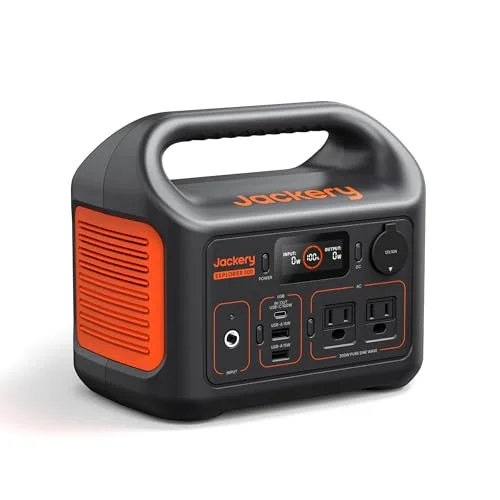
- Run the essentials off it: a Jackery Explorer 300 power station handles a fan, a light, and phone charging for a night or two and keeps the Blazer's own battery sacred for starting.
- Recharge on the drive: top the station back up from the 12-volt socket while you're moving between camps, not while parked.
- Skip the inverter-on-the-battery trick: it's the fastest way to a dead Blazer in the morning.
Size the station to your real loads, not your fears. A phone, a small fan, and a light are tiny draws that a compact unit runs all night with capacity to spare; it's heaters and coolers that eat batteries, and neither belongs in a crossover sleep setup anyway. One compact station, topped up while you drive, covers a weekend of Blazer nights without drama.
Blazer versus the crossovers people cross-shop for sleeping
Buyers looking at a Blazer for camping are usually also looking at a RAV4, a CR-V, or an Equinox, so here's where the Blazer lands honestly. On raw sleeping length the Blazer's roughly 70 inches is right in the mix with those compact crossovers and slightly ahead of the smallest of them - it's a mid-size, and it shows in the bay.
Where the Blazer wins and loses:
- Wins on presence: a wide, long cargo floor that swallows a full-length pad plus gear without the cramped feel of a subcompact.
- Loses on flatness: the seatback step is more pronounced than in some rivals, so you'll do a touch more leveling.
- Loses on power flexibility: unlike a RAV4 Prime with its 1500-watt household outlet, no Blazer trim gives you a real AC outlet for overnight gear.
Against its own showroom sibling the story is simpler: the smaller Equinox gives up real length and width to the Blazer, so if you're choosing between the two Chevys specifically to sleep in, the Blazer is the one that fits an adult - our sleeping in a Chevy Equinox breakdown shows exactly how much tighter the little brother runs. If you want the full build for the Blazer itself - mattress sizing, leveling platform, insulation - our Chevrolet Blazer camping guide walks the whole setup end to end.
A night in the Blazer, hour by hour
Numbers tell you whether you fit; a real night tells you whether you'll do it twice. Here's how a typical Blazer overnight actually runs once the setup is dialed, so nothing at 2 a.m. surprises you.
7 p.m. - pick the spot: the night goes as well as the parking decision. A level pull-off matters more in a Blazer than in a flat-floored van, because any slope stacks onto the seatback slope you just leveled. Our where to park overnight rundown covers which lots and rest stops welcome a sleeping car - settle that before dark, not after.
8 p.m. - setup: fold the second row, lay the fill over the seatback step, inflate the pad, and stage tomorrow's clothes in the front seat so you're not digging for them at dawn. With practice the whole job runs under ten minutes. Crack two windows about 1 inch on opposite sides before you settle in - it's far easier now than half-asleep later.
11 p.m. - lights out: the Blazer's wide bay means your water bottle, phone, and headlamp all live beside your shoulder instead of down at your feet. Run the fan and charging off the power station, never the 12-volt socket, and the morning holds no surprises.
2 a.m. - the condensation check: if you skipped the cross-flow, this is when you find out - fogged glass and a damp bag. With the windows cracked and the covers up, the cabin stays dry and a few degrees warmer than the outside air.
6:30 a.m. - teardown: deflate, roll, stash, seats up. Five minutes, and the Blazer is a commuter again. That fast reset is the honest reason crossover camping sticks with people - the bed disappears when the weekend does, and Monday's cargo bay carries groceries with no evidence of the trailhead it woke up at.
If the Blazer's a 'no': three honest ways forward
Maybe you ran the driveway test and the width killed it for two, or you're 6 foot 4 and the diagonal still leaves your feet on the tailgate. Fair. Here are the three honest moves, in order of cost.
1. Make it work anyway. A shaped, single-wide mattress plus a good leveling fill turns the Blazer into a fine solo bed even if two was the dream - one of you sleeps inside, the other takes a ground tent. This is the cheapest path and it keeps the Blazer you already own.
2. Sleep smarter, not bigger. Reflective covers, a proper pad, and a cross-flow ventilation habit fix 90 percent of the complaints people blame on the vehicle. Most 'the Blazer's a bad camper' reviews are really 'I slept on a sloped floor with fogged windows.'
3. Right-size the vehicle. If two adults sleeping in the vehicle is non-negotiable, you want a wider, longer platform - a body-on-frame SUV or a minivan with a genuinely flat floor. No amount of kit adds shoulder width the Blazer doesn't have.
The honest bottom line on sleeping in a Blazer
Can you sleep in a Chevrolet Blazer? Yes - and well - if you're one person up to about 6 feet who's willing to spend two minutes leveling the seatback step. You get roughly 64.2 cubic feet, per iSeeCars, and about 70 inches of flat length by owner measurements, which is a real solo bed with room for gear at your feet. Fill the floor, add a bridging pad, crack two windows about 1 inch for airflow, and run your power off a small station instead of the Blazer's battery, and you'll sleep fine night after night.
Buy the night in a Blazer if you camp solo and value a wide, long, comfortable bay over a plug-in outlet. Look elsewhere if two adults have to sleep in the vehicle - that's the one thing the Blazer's width can't give you, and no gear fixes it.
The Blazer isn't a compromise camper; it's a good one aimed at a specific person. Match it to that person - solo, under 6 feet, happy to level a floor - and it quietly does the job every night you ask it to. Mismatch it, and no accessory list will make the width appear; that's the honest line between a Blazer sleeper who loves the setup and one who sells the mattress in a month.