
The honest fit: a one-person camper, with an asterisk on height
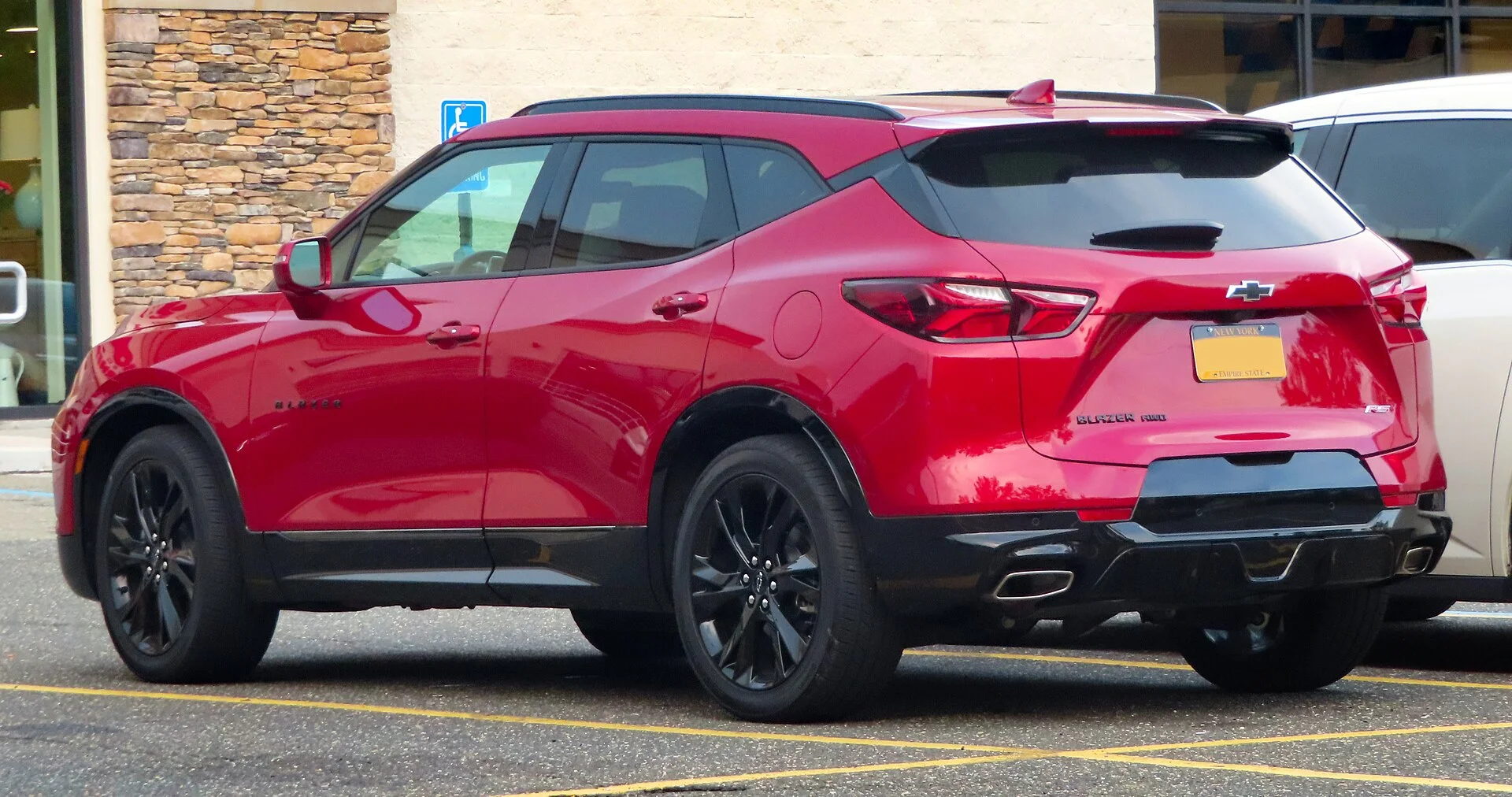
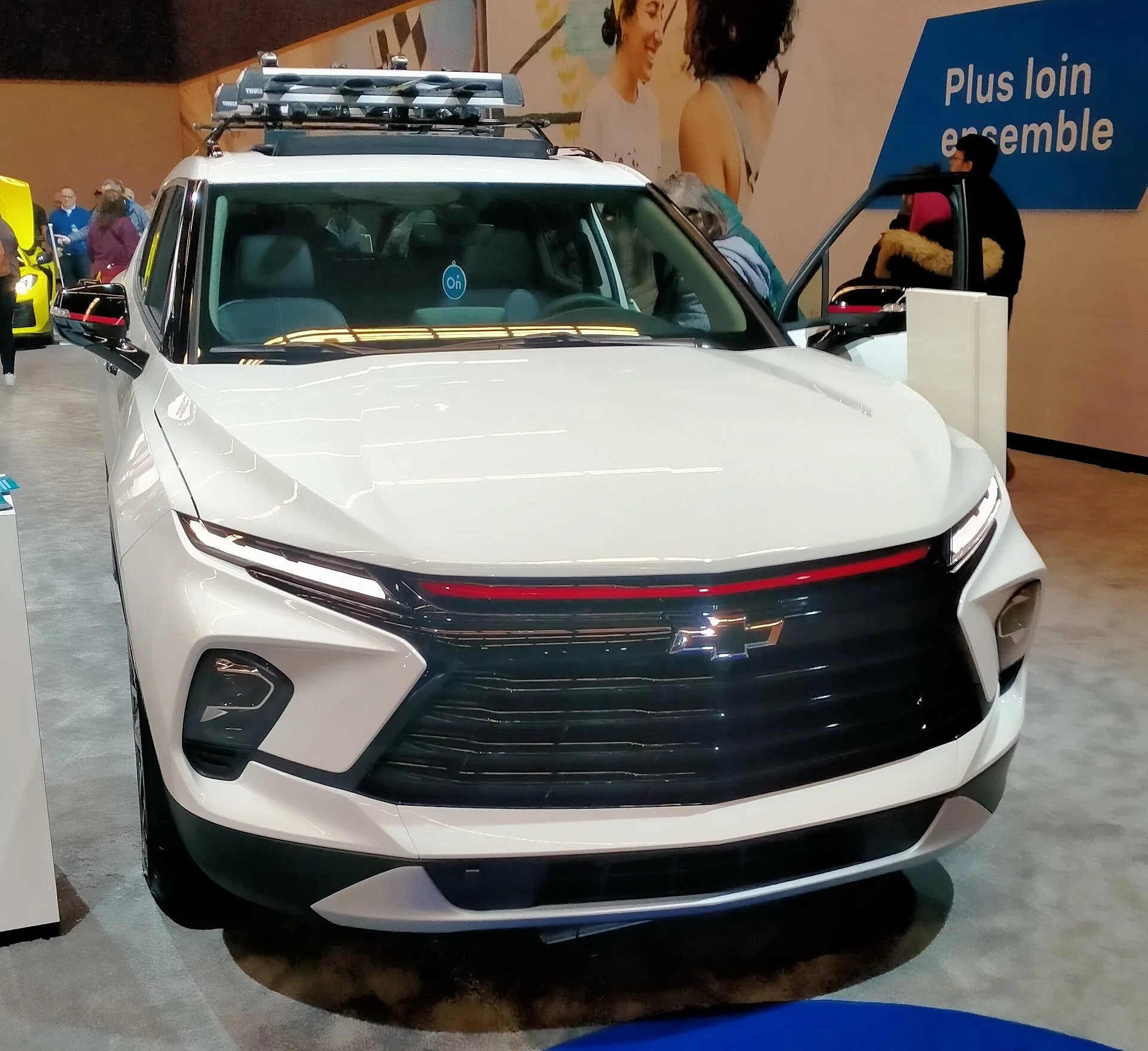
Let's be clear-eyed about the gas Chevrolet Blazer before you plan a trip in it, because this is the midsize crossover (2019-2026), not the Blazer EV and not the old K5. Fold the rear seats and you get a flat cargo floor of about 70 inches, per owner measurements in the ChevyBlazer.org forum. That means a 5'8" (68-inch) adult lies flat and straight with a little room; a 6-foot adult does not fit fully stretched out and has to sleep diagonally or run their legs up the folded seatbacks. Everything downstream of that - the mattress you buy, whether you sleep straight or diagonal, whether you bother building a platform - traces back to one measurement: 70 inches against your own height.
So the gas midsize crossover is a genuine one-person camper with a height asterisk, not a two-adult basecamp. Before going further, be honest with yourself about which of these describes you, because it decides the whole build:
- Up to about 5'8": you lie flat and straight on the bare 70-inch floor with room to spare - the simplest, cheapest setup.
- 5'8" to 5'10": you fit flat but tight; a shaped pad and a squared-away sleeping bag matter more.
- 6 feet and over: you cannot lie flat and straight - plan on the diagonal technique or angling a front seat forward, per owner reports.
That's not a knock - plenty of great trips happen solo in a midsize SUV - but it's the honest starting point, and the rest of this guide is the aspect-by-aspect detail: exact cargo numbers, why the floor isn't dead flat, the diagonal fix, an optional leveling platform, the mattress that fits the narrow width, ventilation, insulation, power, security, and how it stacks up against smaller and larger rigs. Measure yourself against 70 inches first; everything else follows from that.
Cargo dimensions: 30.5 up, 64.2 folded, ~70 inches flat
Here are the numbers that define the space, cross-checked across multiple Chevrolet dealer spec pages. This Chevy offers 30.5 cubic feet of cargo behind the second row with the seats up, expanding to 64.2 cubic feet with the 60/40 second row folded, per Group 1 Chevrolet. That 60/40 split is useful - you can drop the whole bench for sleeping, or keep one seat up to carry a passenger and still have a partial bed. Total passenger volume is a roomy 107.8 cubic feet, per Keystone Chevrolet, so the daytime cabin is comfortable even though the night-time bay is snug.
The measurement that actually governs sleeping is the flat floor length, and here you have to trust owners over the brochure, because Chevrolet doesn't publish it. Owner measurements on the ChevyBlazer.org forum put the cargo floor at roughly 70 inches long with the hatch closed and rear seats folded, tapering to about 53 inches near the top by the seatbacks, about 45.25 inches wide at the widest point near the hatch, and about 28.5 inches of hatch opening height. Laid out plainly, the box you are actually sleeping in looks like this:
- Length: ~70 in at the load floor, tapering to ~53 in near the seatbacks (owner-measured).
- Width: ~45.25 in at the widest near the hatch, narrower between the wheel wells (owner-measured).
- Hatch opening height: ~28.5 in (owner-measured).
- Volume: 30.5 cu ft seats up / 64.2 cu ft folded (per Group 1 Chevrolet).
That taper matters: the usable rectangle for a flat sleeper is narrower and shorter than the max numbers suggest, which is why the SUV is firmly a single-person platform. Know the real 70-by-45 footprint and you buy the right pad the first time. See also car camping in a Chevy Volt. See also the compact Chevy Bolt for car camping.
Why the folded floor isn't flat - and the two-minute fix
The detail that decides your comfort, and the one nobody mentions until their hip finds it at 2 a.m.: the folded floor is not level. The 60/40 rear seatbacks fold down but rest slightly HIGHER than the cargo floor, leaving a step and a mild incline where the seatbacks meet the load floor, per owner reports on ChevyBlazer.org. Lie straight on the bare floor and you're sleeping on a subtle ramp, with your head or your hips carrying the difference all night.
The fix is the same one overlanders use in any SUV with this problem: bridge the step. A few inches of foam, a thick self-inflating pad, or a low sleeping platform levels the transition and turns the ramp into a bed. An SUV air mattress sized for the space does the same job by filling the low spot in front of the seatbacks.
This is worth planning for rather than discovering. On a hard overland trip, a bad sleeping surface compounds night after night into real fatigue that a $40 pad would have prevented. Budget for the leveling layer from the start, and the stepped floor becomes a non-issue - just one more thing you handled before you left the driveway instead of cursing at midnight.
Diagonal sleeping: the geometry a taller camper needs
If you're near or over six feet, the single most useful trick for this Chevy is not a gadget - it's geometry. A rectangle that's 70 inches on its long side is longer still across its diagonal, so lying corner-to-corner buys a few extra inches of stretch length, which is the common workaround owners report for sleepers around six feet. You're trading the neat, parallel-to-the-car orientation for a bit more usable length, and on the narrow floor that trade is usually worth it.
To make the diagonal actually work rather than just tilt you across a cramped box, stack a few things in your favor:
- Run your head into one rear corner near the hatch and your feet toward the opposite front corner by the folded seatback.
- Slide a front seat forward to open the foot corner and let your feet run past the seatback line.
- Use a foldable or shaped pad you can angle across the floor - a rigid full-length mattress can't follow the diagonal.
- Pack soft gear into the leftover triangles at the two empty corners so nothing slides into the bed overnight.
None of this makes the folded bay a full-length bed - the honest ceiling is still roughly 70 inches of flat floor, per owner measurements - but the diagonal is the difference between a six-footer sleeping curled-and-annoyed and sleeping mostly straight. Test-fit it in the driveway before you rely on it a hundred miles from pavement.
Building a leveling platform for a dead-flat bed
For campers who go out more than a handful of nights a year, the upgrade from a pad-over-the-step to a proper sleeping platform is the one that changes how the SUV feels. A platform is a low, flat deck that sits at the height of the folded seatbacks, so the whole surface - seatbacks and cargo floor together - becomes one continuous level plane, and the hollow underneath turns into slide-out storage. It's the overlander answer to the stepped floor described above, done once instead of re-solved every night.
The goal is simple: match the deck height to the top of the folded seatbacks so nothing ramps, and keep the whole thing low enough that you don't lose the already-limited headroom over the sleeping surface.
A workable build for this footprint follows a few rules of thumb, all keyed to the owner-measured ~70-by-45-inch bay:
- Size the deck to roughly 45 inches wide so it clears the hatch sides, and up to ~70 inches long to use the full floor.
- Set the legs so the deck top meets the folded-seatback height, erasing the step this guide flagged earlier.
- Keep the frame thin - every inch of platform is an inch of headroom gone, and there isn't much to spare under a 67-inch roof.
- Top it with the same 2-3 inches of foam or a self-inflating pad you'd use anyway, so the deck adds levelness, not hardness.
A platform is overkill for an occasional overnighter and exactly right for someone who camps often; the pad-only fix and the platform solve the same stepped-floor problem at two different budgets and commitment levels.
The mattress that fits: think single, shaped, and short
Skip anything queen-width; at 60 inches it can't lie flat in a 45-inch bay. When you shop, the short checklist that keeps you out of trouble is:
- Width first: stay at or under ~45 inches so it lies flat between the hatch sides.
- Shape over size: a foldable or shaped pad can angle across the floor for the diagonal; a rigid full-length mattress can't.
- Thickness for the step: enough loft to bridge the seatback-to-floor gap without ramping.
For a taller camper, the workaround is again geometry: sleeping diagonally corner-to-corner buys a few extra inches of stretch length, per owner reports. Match the pad to the real 70-by-45 footprint - and to your own height - and you'll sleep flat instead of folded.
Sitting up, changing, and living in the space
Sleeping is only part of camping; the other part is the hour before and after, when you're sitting up to cook, read, or pull on boots. Here the midsize roofline sets expectations: front headroom is 39.8 inches and rear headroom 38.6 inches, per iSeeCars, and with an overall height of 67.0 inches and a sloping rear roofline you cannot sit fully upright in the cargo area - it's a lie-down-and-lounge space, not a stand-and-stretch one.
Plan your camp routine around that. A low camp chair outside the open hatch becomes your living room; the cargo bay is for sleeping and stashing gear, not for spending waking hours hunched over. Overall this Chevy is 191.9 inches long, 76.7 wide, and 67.0 tall on a 113-inch wheelbase, per iSeeCars - a manageable size that parks easily at a trailhead and drives like the car-based crossover it is, which is part of its appeal for someone who wants to camp occasionally without piloting a full-size truck everywhere. Front legroom of 41.0 inches and rear legroom of 39.6 inches, per Bob Howard Chevrolet, mean the seats you aren't folding stay comfortable for the daytime miles.
Ventilation: beat condensation without inviting bugs
Every sealed vehicle fogs up overnight, and a smaller cabin fogs faster, so ventilation is the make-or-break comfort system here. One person breathing for eight hours in a closed crossover will coat the glass by morning; the moisture has to go somewhere, and that somewhere is out a cracked window. But an open window is an open invitation to mosquitoes, so you need mesh.
The airflow setup that works pairs two cheap pieces of gear at opposite ends of the sleeping area:
- Front window screens: bug and mosquito mesh that seals over a cracked window, so you can vent without the swarm.
- A hatch or tailgate mesh screen: the same idea over the open rear, which is the best airflow position because it opens the whole back of the sleeping area to the breeze.
Run a window screen up front and a hatch screen at the back and you create real cross-ventilation that carries moisture out all night. This is gear that punches above its weight: without it you wake up damp and bitten; with it, the sealed cabin is a dry, quiet room. On a multi-night trip, that difference is the whole experience.
Insulation: why a metal box runs cold, and how to beat it
A vehicle is a thin steel-and-glass shell with almost no insulation, and that cuts both ways: it runs cold on a clear night and hot in direct sun. The floor is the sneaky one. You lose far more heat by conduction into a cold cargo floor than you do to the air around you, which is why the pad that levels the stepped floor is also your primary insulation layer - it does two jobs at once.
The rule campers repeat is: insulate under you before you insulate over you. A warm sleeping bag on a thin pad over cold steel still sleeps cold, because the ground - here, the floor - wins.
A cold-weather setup in the folded bay stacks a few simple layers:
- A thick pad or self-inflating mattress between you and the floor, rated for the temperatures you actually camp in.
- Reflective window covers, which trap radiant heat at night and block solar gain during the day.
- Cracked, screened windows to keep the condensation out even while you hold heat in - warmth and airflow are not opposites here.
Get the under-body insulation right and the hard shell becomes an advantage: no wind chill, no wet tent floor, just a small room you keep warm with your own body heat and a good pad.
Power and 12V: keep the starter battery alive
This is an ordinary gas crossover, so treat its electrical system with ordinary discipline: the 12V accessory outlets and USB ports run off the vehicle battery, and leaning on them overnight is how you wake up to a no-crank morning a long way from a jump. Anything that draws through the night belongs on a separate power source, not the truck. Exact rear-cargo outlet placement varies by trim and model year, and higher trims add a 120V outlet - verify what's actually in the specific vehicle before you plan around it.
The clean setup is a portable power station for the overnight loads - a 12V cooler, phone and headlamp charging, a small fan for the ventilation you just set up - which keeps the starting battery untouched and ready. Charge the station off the 12V socket while driving between spots, then run camp off it at night. If you run a dash cam in parking mode for security at a trailhead, wire it through a hardwire kit to a fused circuit rather than the always-on lighter socket. None of this is vehicle-specific, but it's the difference between a self-contained camp and a roadside rescue - never trust a single battery to do two jobs.
Security and stealth at the trailhead
Part of why you sleep inside a hard shell at all is that it locks. In wind, rain, or a sketchy pull-off, a locked steel cabin beats fabric every time, and there are no poles to fumble with in the dark - fold the seats, roll out the pad, and you're done. But a parked crossover at a trailhead is also a target if it advertises that someone is asleep inside or that gear is on show, so a little discretion goes a long way.
The quiet camper's principle: look like an empty parked car, not a bedroom. Nobody bothers a vehicle that reads as unoccupied and empty of anything worth taking.
A few habits keep a night at the trailhead low-key and safe:
- Cover the windows so the bed and your gear aren't visible from outside - a reflective EcoNour windshield sunshade does this and insulates at the same time.
- Stow valuables out of sight before you park, not after you've settled in.
- Back into the spot so the hatch - your main exit and airflow - faces away from traffic and toward your view.
- Arrive late and leave early where camping-in-vehicle rules are gray, and check local signage first.
The hard sides give you the security; these habits keep you from undoing it by looking like an occupied camp in the wrong place.
How it stacks up against smaller and larger rigs
The most useful way to place this gas midsize crossover is against its neighbors, because the honest answer to "should I camp in it?" often depends on what else you'd drive. Its ~70-inch flat floor and 64.2 cubic feet folded put it squarely in one-adult territory, per owner measurements and Group 1 Chevrolet - roomier than a small SUV, well short of a full-size hauler.
- Step down in size: a smaller Chevy sibling like the Equinox trades cargo length for easier parking and better mileage, and asks even more of the diagonal trick for a tall sleeper.
- A different compact crossover: rivals such as the Mazda CX-5 sit in the same single-sleeper class, so the choice comes down to drive feel and exact folded-floor length rather than a category jump.
- Step up to three rows: a three-row SUV like the Chevy Traverse adds real length behind folded seats - room for a taller camper to stretch flat, at the cost of a bigger vehicle to drive and park.
- Go full-size: a full-size SUV such as the Nissan Armada is the honest pick if you need two adults flat or a true stretch-out bed - the size the midsize simply can't match.
Seen this way, the midsize crossover is the middle of the ladder: more usable than a compact for a solo camper, far easier to live with day to day than a full-size, and only outgrown when a second sleeper or a six-foot frame forces the jump.
The verdict: a capable solo crossover camper
Weigh it honestly and this Chevy earns a qualified yes. With ~70 inches of flat floor and 64.2 cubic feet folded (per owners and Group 1 Chevrolet), it's a genuinely capable one-person camper for anyone up to about 5'10", quick to set up and easy to drive and park. It's the right pick for a solo weekend camper who wants a secure hard shell without committing to a big truck.
Buy in with three plans: a leveling layer for the stepped floor, mesh screens for condensation-free ventilation, and a portable power station so the starter battery stays for starting. Taller than 5'10"? Plan to sleep diagonally, and test-fit before a long trip.
It can't sleep two adults flat and a six-footer can't fully stretch out - if that's you, size up. But within its real limits, the folded bay does the solo-camper job well: measured, planned, and set up right, it turns 70 inches of folded floor into a dry, lockable, five-minute bedroom you can take a long way down a dirt road.