
Best Hitch Cargo Carrier for Suv
The market for hitch cargo carriers is a minefield of flimsy compromises and outright scams, with manufacturers seemingly competing to see who can produce the most landfill-ready product. I recently encountered one such carrier, advertised as 'heavy-duty,' that featured a main support bar of 1.5mm wall thickness 1018 mild steel.
The Lineup
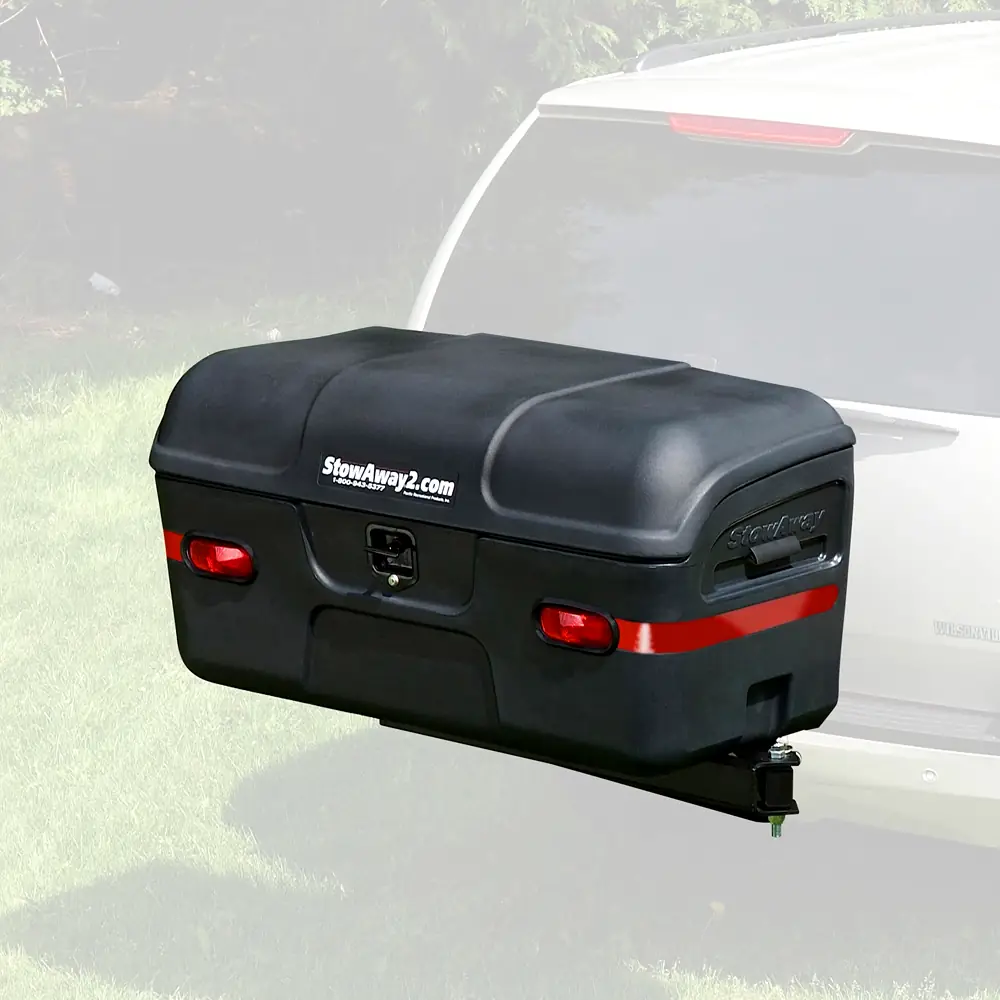
StowAway2 Max Cargo Carrier
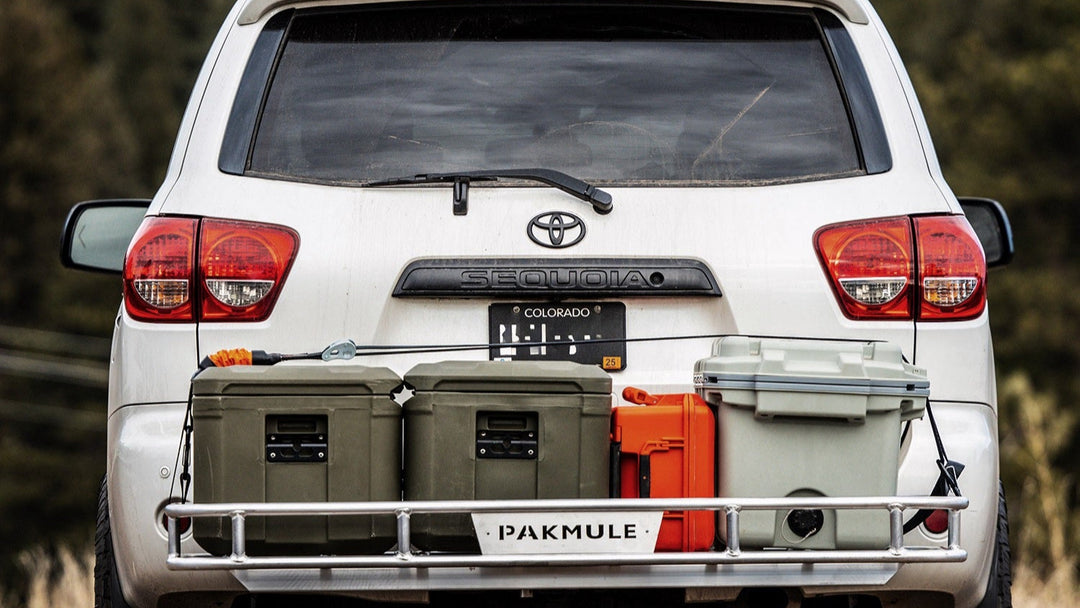
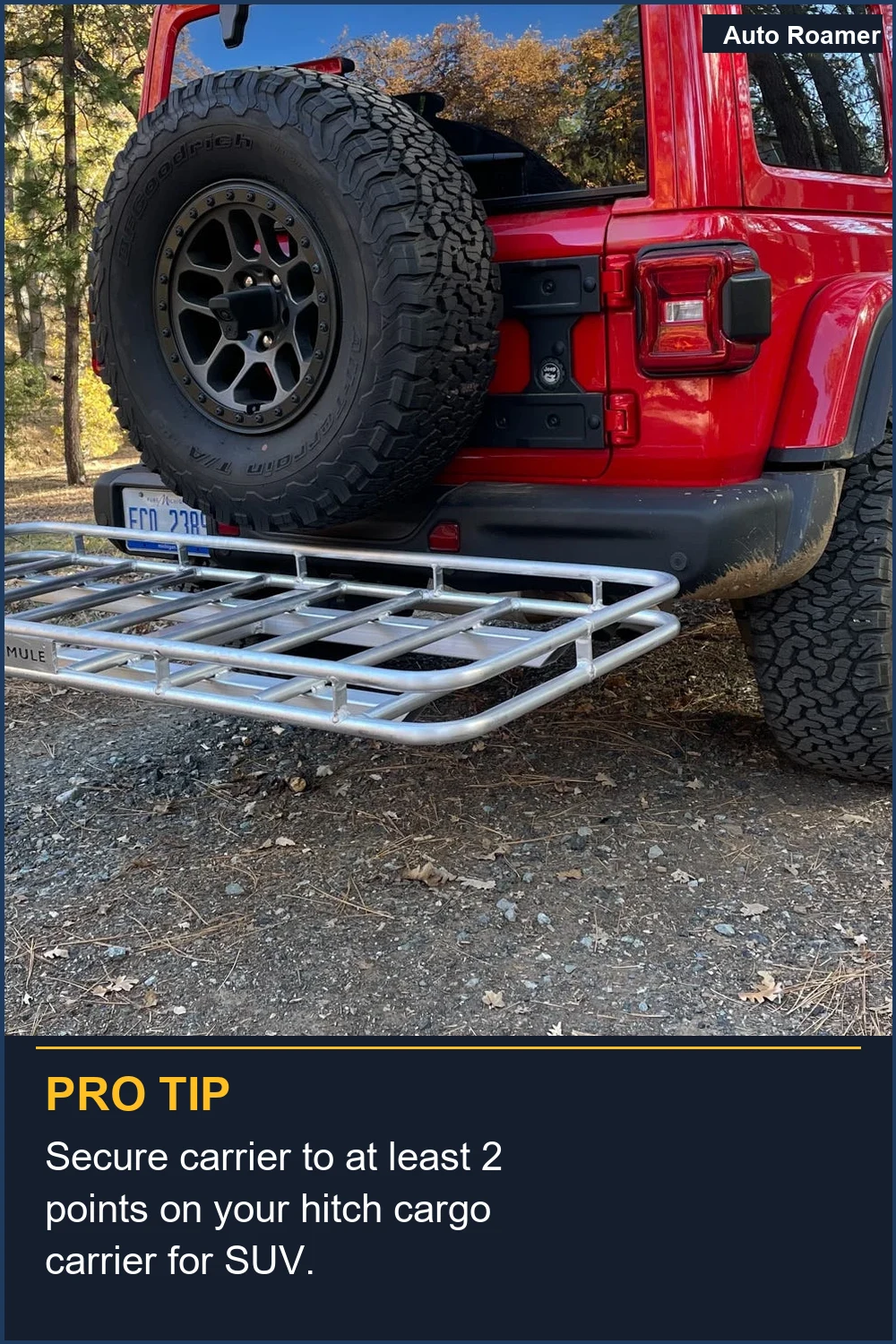
Pakmule Pro
etrailer etrailer.com Hitch Cargo Carrier
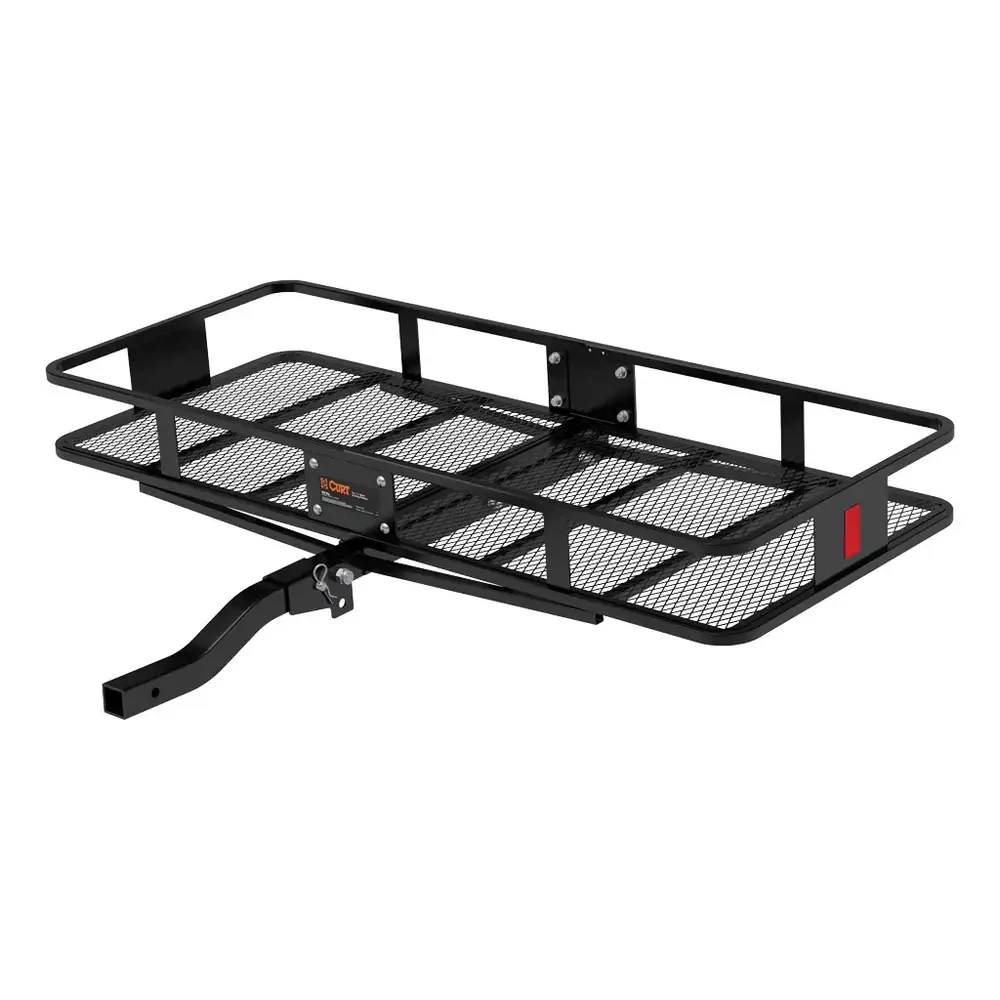
CURT 18153 Cargo Carrier
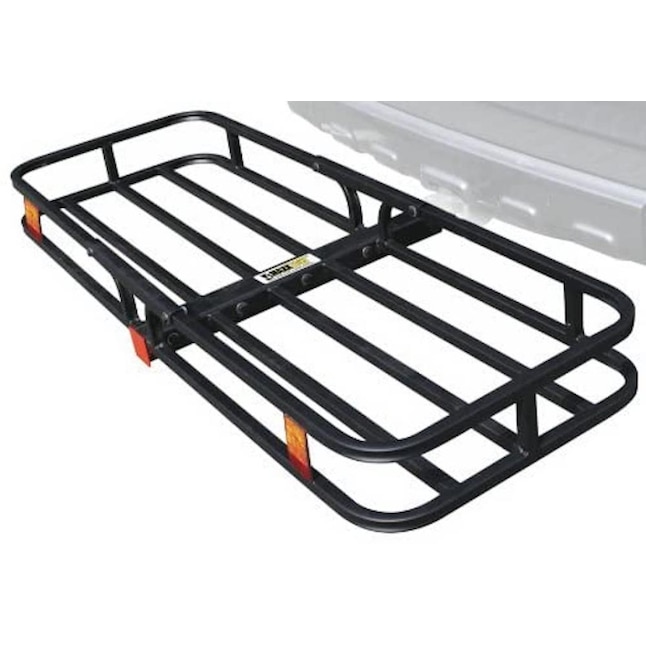
MaxxHaul 70107 Hitch Mount Cargo Carrier
MaxxHaul 70107
The market for hitch cargo carriers is a minefield of flimsy compromises and outright scams, with manufacturers seemingly competing to see who can produce the most landfill-ready product. I recently encountered one such carrier, advertised as 'heavy-duty,' that featured a main support bar of 1.5mm wall thickness 1018 mild steel. This is barely thicker than a standard steel fence post, a pathetic choice for something meant to endure dynamic loads on the highway.
Car and Driver's testing reveals similar material inadequacies across many popular models.
Most consumers focus on 'capacity,' but that number is meaningless if the structural integrity is a joke. I'm looking for industrial longevity, not something that will buckle under its rated load after a few hundred miles of road vibration. The crucial components are the hitch receiver shank and the main frame. These need to be robust, ideally constructed from a minimum of 3mm wall thickness A36 structural steel or, for lighter applications, a 6061-T6 aluminum alloy.
Anything less is a calculated risk of fatigue cracking and catastrophic failure.
Many of these carriers utilize flimsy, stamped sheet metal for critical support brackets, often finished with a cheap powder coat that flakes off after a single winter, exposing the bare metal to corrosion. This isn't just an aesthetic issue; it's a direct path to structural degradation. The goal here is a 'buy once, cry once' purchase, not a disposable accessory that contributes to our throwaway culture. Don't be fooled by flashy marketing; demand proper material composition.
As this video highlights, a waterproof bag doesn't fix a failing frame.
⭐ Quick Picks
Top Picks
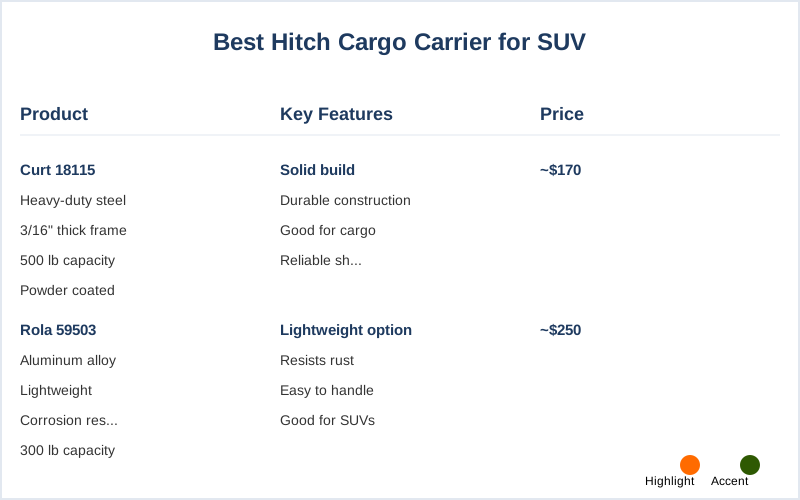
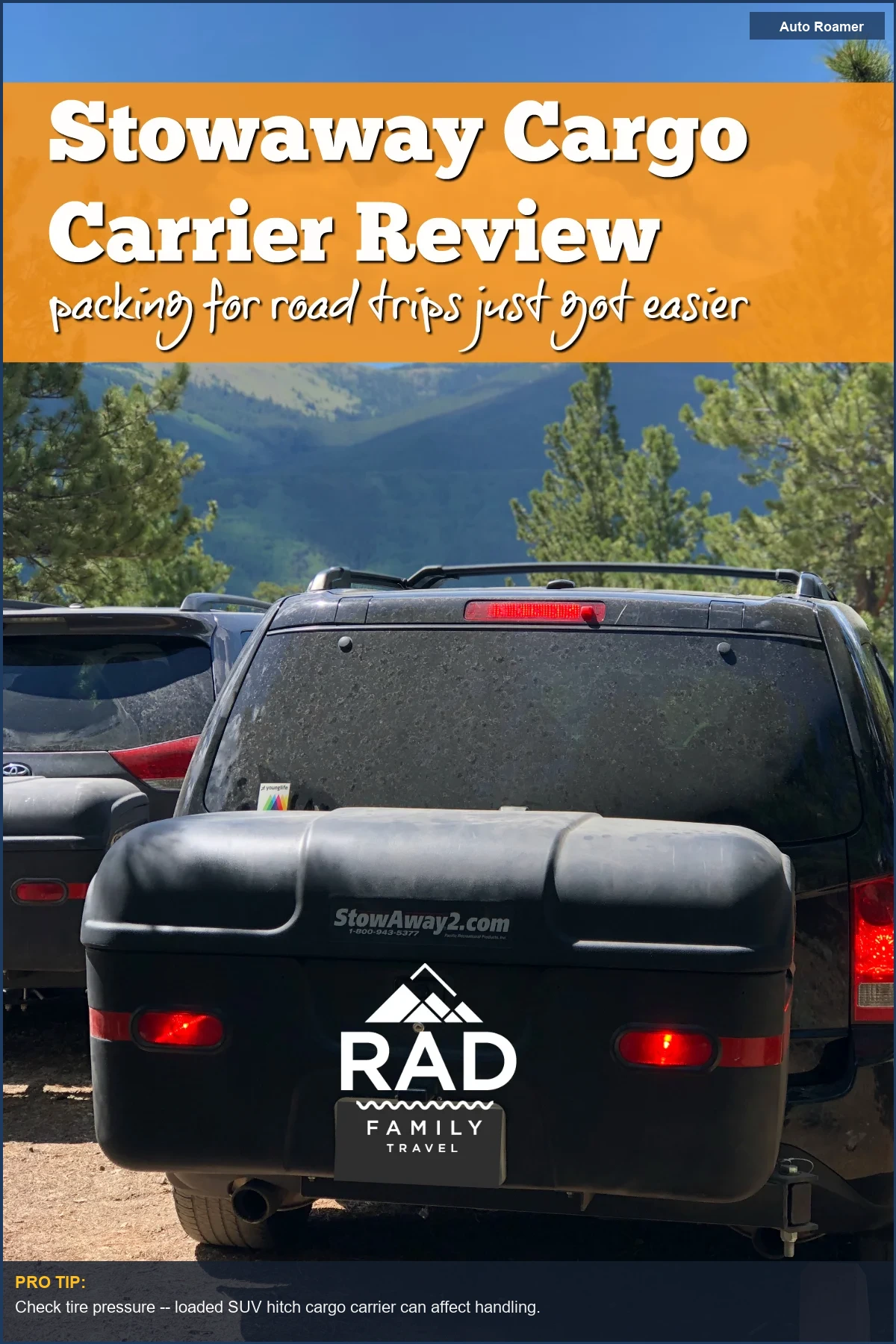
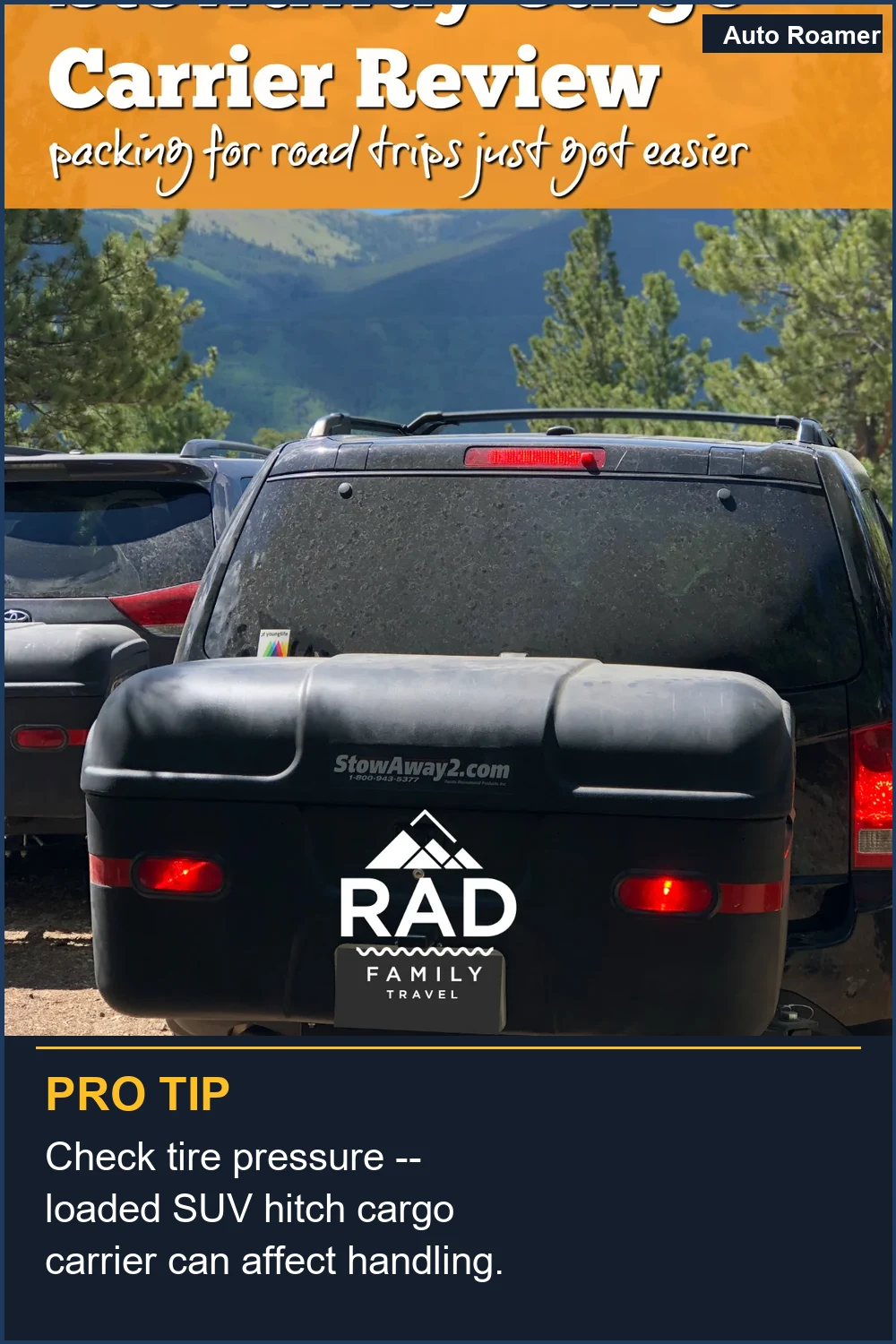
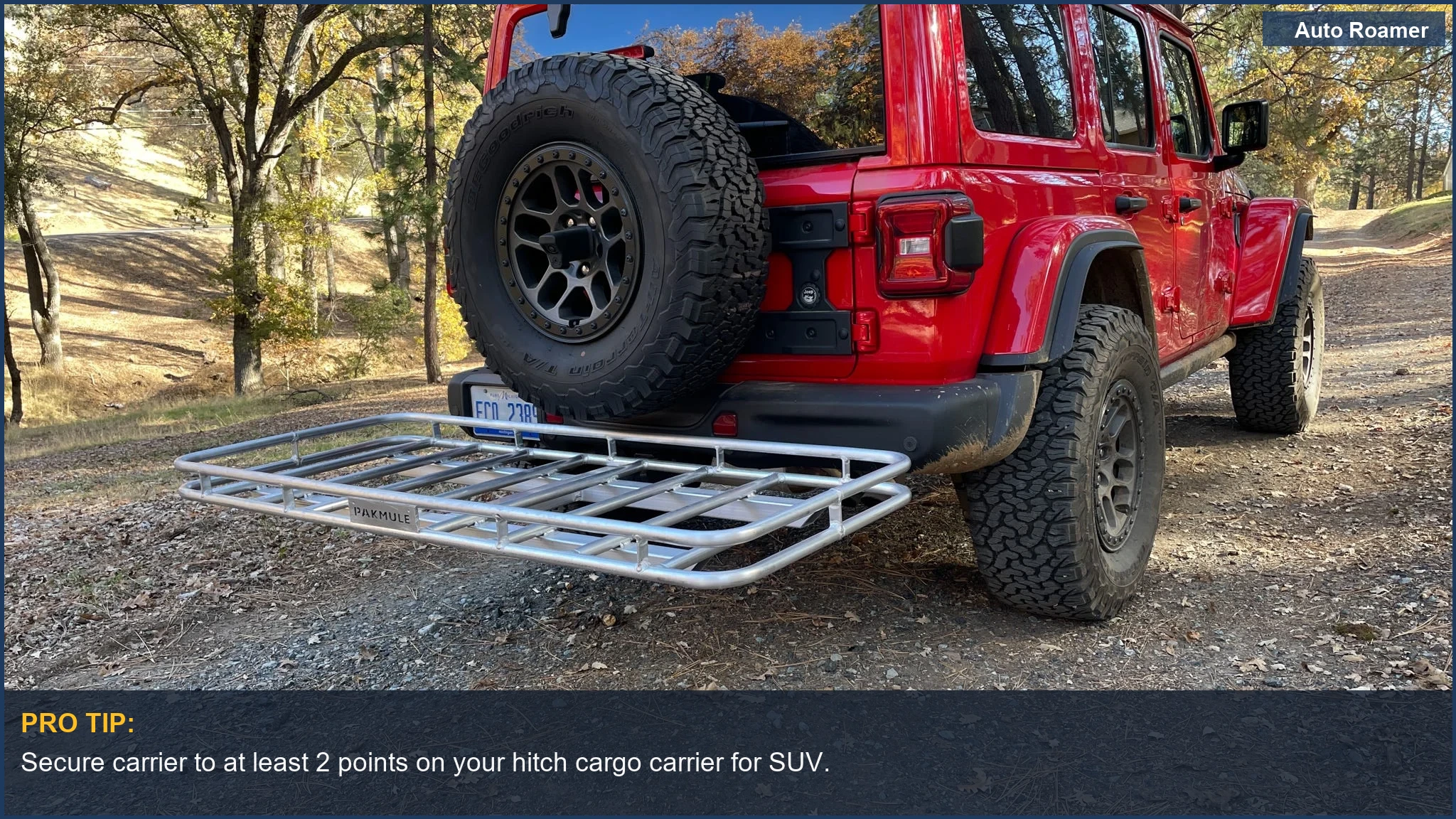
When evaluating hitch cargo carriers, I prioritize the fundamental engineering that dictates longevity and safety. Forget the marketing fluff about 'easy assembly' or 'sleek design.' I care about material science. StowAway2 Max Cargo Carrier (~$1200) Capacity: 200 lbs, 16.1 cubic feet Pros: Rotationally molded high-density polyethylene (HDPE) shell provides excellent impact resistance and UV stability. Features a proprietary SwingAway frame, typically constructed from robust A36 structural steel, allowing full access to the vehicle's rear. This isn't some flimsy plastic box; it's an integrated system engineered for durability. StowAway's guide details their commitment to material selection. Cons: The price tag is steep, but you're paying for industrial-grade materials and a design that won't fail you. The HDPE can show scratches, but it won't shatter like inferior injection-molded plastics. Best For: Serious adventurers and those who demand uncompromising quality and rear vehicle access. This is a lifetime investment. Pakmule Pro (~$950) Capacity: 500 lbs Pros: Constructed entirely from welded 6061-T6 aluminum tubing, a far superior choice to mild steel for its strength-to-weight ratio and corrosion resistance. The T6 temper ensures maximum tensile strength. The fully welded joints eliminate the weak points inherent in bolted assemblies. This is true industrial-grade construction. Car and Driver rates the Pakmule Pro as a premium option, and for good reason. Cons: The open-basket design means you'll need a separate bag or cover for weather protection. The aluminum, while robust, can be susceptible to localized damage from sharp impacts, though fatigue cracking is highly unlikely with proper use. Best For: Overlanders and heavy-duty users who need maximum load capacity and absolute reliability in harsh conditions. etrailer etrailer.com Hitch Cargo Carrier (~$400) Capacity: 500 lbs Pros: Features a robust steel mesh floor and heavy-duty steel tubing, typically 1020 carbon steel, with a durable powder coat finish. The folding shank is a convenience, but I always inspect the pivot points for adequate shear strength. For the price, the material composition is generally superior to many budget options. This video review highlights its practical strengths. Cons: While the steel is sturdy, the powder coat will eventually fail, leading to surface corrosion if not meticulously maintained. The folding mechanism, while convenient, introduces potential points of wear and eventual slop if not properly engineered. Best For: Value-conscious buyers who still demand solid steel construction and are willing to perform routine rust prevention. CURT 18153 Cargo Carrier (~$180) Capacity: 500 lbs Pros: Utilizes a heavy-duty steel construction, typically 1018 or 1020 carbon steel, with a durable E-coat and powder coat finish for better corrosion resistance than many competitors. The 60-inch by 24-inch platform is spacious. This is a no-frills, solid steel workhorse. Home Depot customer reviews often praise its straightforward durability. Cons: The fixed design means no tilt or swing-away access, which can be an inconvenience. The assembly involves multiple bolted connections, which require periodic checking for tightness to prevent fatigue-induced loosening. Best For: Those needing a basic, strong, and wide platform for general hauling without unnecessary complexities. MaxxHaul 70107 Hitch Mount Cargo Carrier (~$120) Capacity: 500 lbs Pros: A surprisingly decent option for its price point, often constructed from square steel tubing, likely 1010 or 1018 mild steel, with a basic black powder coat. It's lightweight at just under 25 pounds, which can be a benefit for vehicles with lower tongue weight capacities. Car and Driver noted its affordability and simplicity. Cons: The lighter gauge steel, while adequate for its rated capacity, means less resistance to bending from off-center loads compared to heavier-duty options. The powder coat is minimal and will chip, requiring diligent rust treatment. Best For: Budget-conscious users who need occasional extra space and are mindful of load distribution and rust prevention.View on Amazon — etrailer etrailer.com Hitch Cargo Carrier
Quick Verdict
Choosing a hitch cargo carrier isn't about finding the 'cheapest' option; it's about investing in industrial longevity and avoiding a landfill-ready failure. My analysis always boils down to material composition and structural integrity. Anything less than robust steel or T6-tempered aluminum is a compromise I'm unwilling to make.- For the absolute pinnacle of durability and convenience, the StowAway2 Max Cargo Carrier (~$1200) with its HDPE shell and steel frame is unmatched. It's engineered to outlast your vehicle.
- If you demand maximum load capacity and superior corrosion resistance, the all-welded 6061-T6 aluminum construction of the Pakmule Pro (~$950) is the only logical choice. Rack Attack rightly highlights the evolution of cargo management towards specialized, durable solutions.
- For a solid, no-nonsense steel option that won't break the bank, the etrailer etrailer.com Hitch Cargo Carrier (~$400) or the CURT 18153 Cargo Carrier (~$180) provide acceptable structural integrity if you're diligent about maintenance.
- The MaxxHaul 70107 (~$120) is a bare-bones choice. Expect to treat any rust spots as soon as they appear, which will be quickly. Reddit users often gravitate to lighter, more affordable aluminum options for similar reasons, but beware of thin gauges.
View on Amazon — etrailer etrailer.com Hitch Cargo Carrier
Frequently Asked Questions
My 'budget' carrier's welds cracked after 6 months. Can I just get it re-welded at a local shop for, say, $50?
How do I accurately measure my SUV's tongue weight capacity before buying a carrier?
What if I load my carrier with 400 lbs, but my SUV's tongue weight capacity is only 300 lbs? It's just for a short trip, what's the worst that could happen?
Can using a poorly constructed hitch carrier permanently damage my SUV's hitch receiver?
Some brands claim their 'heavy-duty plastic' carriers are just as good as steel. Is this true?
🏅 Looking for Gear Recommendations?
Check out our tested gear guides for products that work with this setup:
Sources
- Best Rated - Hitch Cargo Carriers - The Home Depot
- Tested: Best Hitch Cargo Carriers of 2026 - Car and Driver
- Those of you with a hitched cargo carrier, which one did you ... - Reddit
- Top 7 Cargo Boxes for Summer 2026 | Roof & Hitch Storage
- watch?v=ArNh5ZaXe90
- Best Hitch Cargo Carrier of 2026 - YouTube
- hitch-cargo-carrier-guide.aspx?srsltid=AfmBOopG38UZnPoFyL3-Q_Lebf_etSj2_WAKHJKuf2_6BsK3uX7ippAB