Why a Dash Cam With Cloud Storage Is Really Four Different Products
A dash cam with cloud storage sounds like one product. It's four. The Nexar Beam2 uploads incident clips over its own built-in LTE, BlackVue sells a cloud subscription that brings no connection of its own, Garmin parks saved clips in a free 24-hour Vault, and Ring won't switch on its away-from-home features without a monthly plan.
The reason to care is blunt. A dash cam's biggest weakness is that the evidence lives inside the camera: a hit-and-run that knocks it off the glass, or a thief who takes the whole unit, takes the footage with it. Cloud upload exists for exactly that failure mode — the crash you can prove because the clip left the car before the camera did.
I spend a lot of nights parked at trailheads, a long way from the truck and farther from a parts store. An offsite copy of whatever happens to the rig while I'm gone is the difference between an insurance claim and a shrug.
It also changes what best means. The best cloud dash cam isn't the sharpest sensor on the shelf — it's the one whose upload architecture, plan price, and power plan still make sense in year two, after the novelty wears off and the renewal hits.
So this is the guide the product pages won't write: what each brand's cloud actually is, what it costs every month from the published plan pages, what uploads and what stays on the card, and which camera fits rideshare work, parked-car alerts, or light fleet duty. The brochures all say cloud. The renewal emails are where they differ.
One ground rule before the picks: I haven't had all five of these on my own windshield side by side, and I won't pretend otherwise. Everything below leans on manufacturer-rated specs, the published plan pricing, and what owners consistently report after real months of use.
What 'Cloud' Actually Means, Brand by Brand
Cloud is the most stretched word in the dash cam aisle. Four brands use it for four different architectures, and the architecture — not the megapixels — decides what you'll actually have saved when something goes wrong.
Nexar: built-in LTE and unlimited clip backup
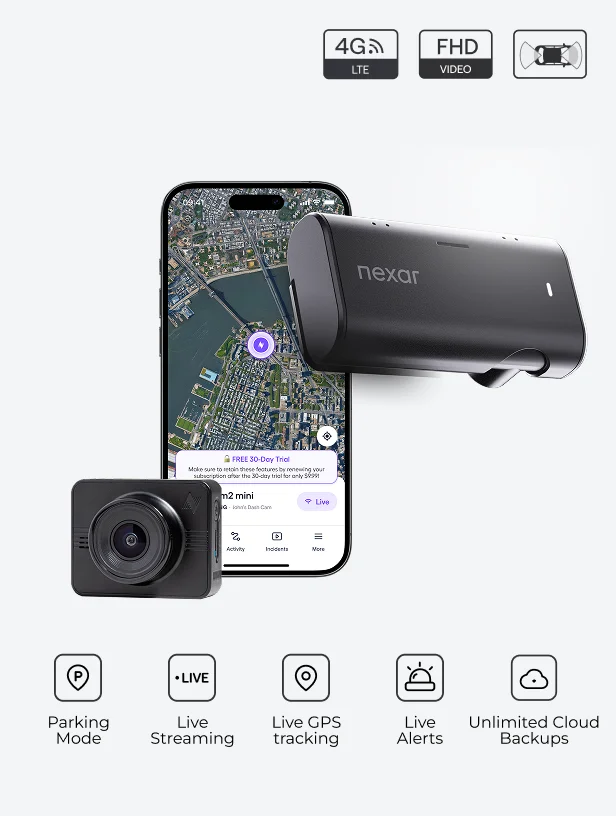
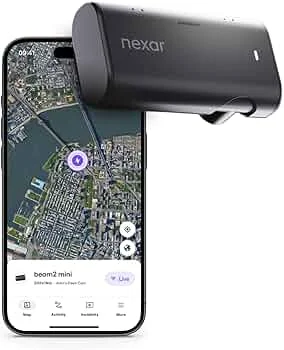
The Nexar Beam2 is the purest version of the idea. The LTE modem lives inside the camera, incident clips upload on their own, and Nexar's published plan page puts saved-clip backup at unlimited — no per-gigabyte meter on the moments that matter.
It records to internal storage instead of a microSD card — 64GB on the base unit, more on the bigger trims — which deletes the most common dash cam failure there is: the worn card that quietly stops saving.
Owners consistently report the part that matters most: clips from a parking knock sitting in the app before they've walked back to the car. The plan is the catch. Nexar Connect runs $9.99 a month on the published pricing, with the first month free and roughly 20 percent off paid annually.
BlackVue Cloud: a subscription that brings no connection
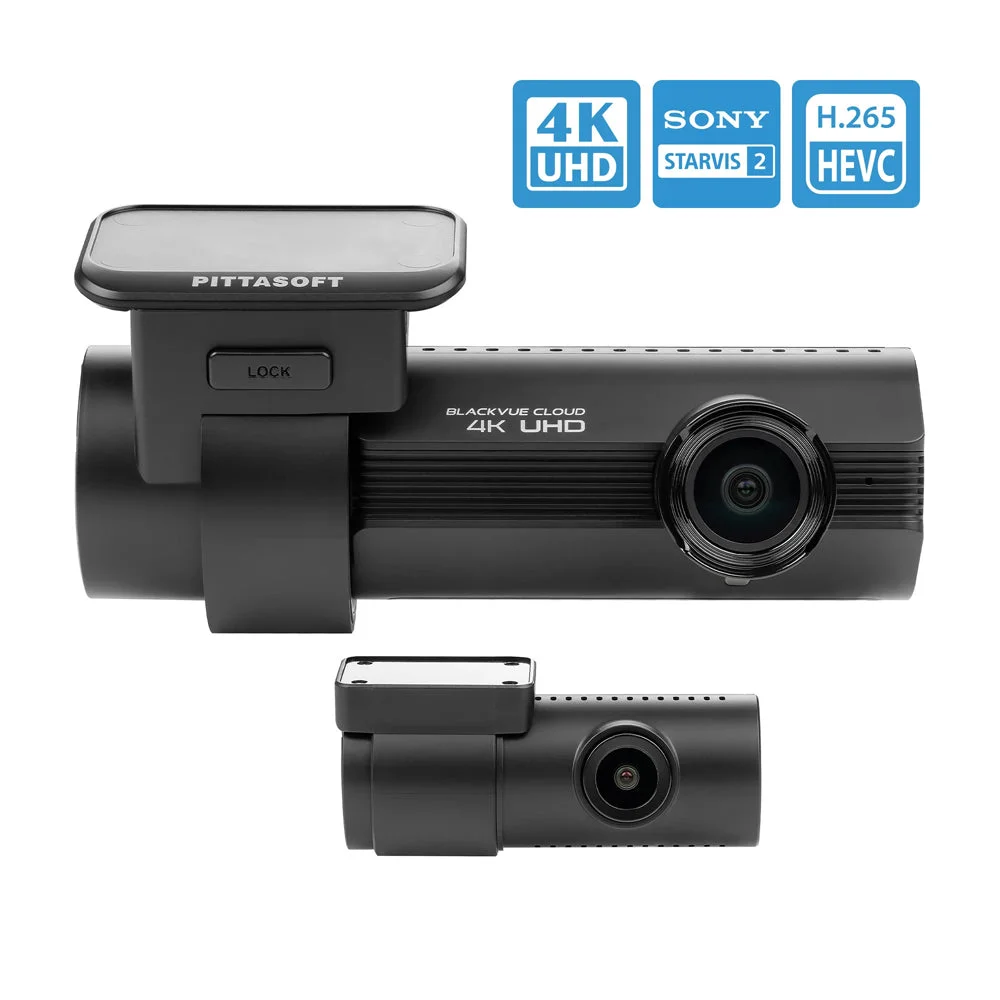
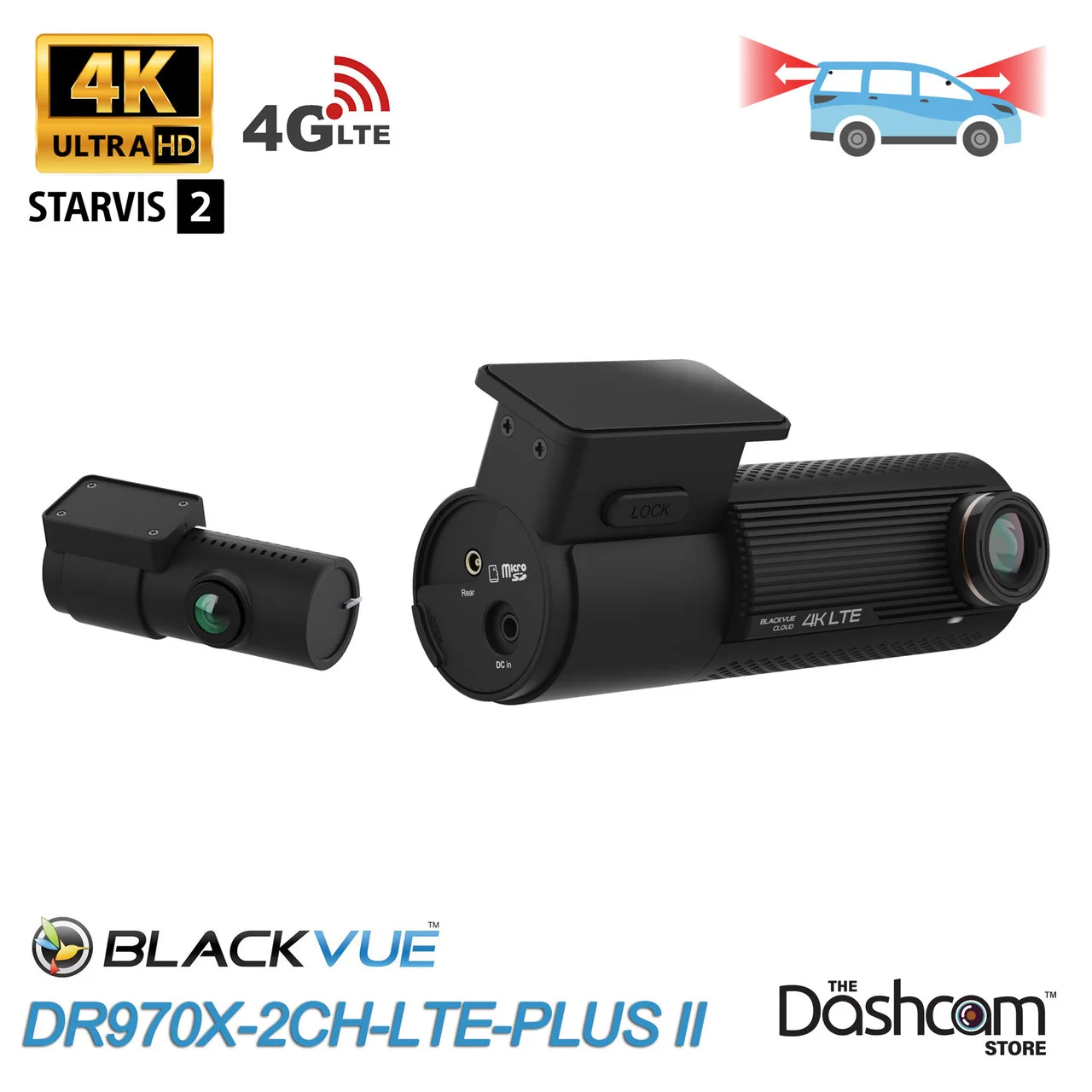
BlackVue's cloud is the most capable and the most assembled-at-home. The BlackVue DR970X-2CH Plus is superb hardware — 4K front, full-HD rear, and a heat tolerance owners report holds up after years on hot windshields.
BlackVue's published cloud plans run from a Free tier — one registered camera, ten minutes of remote live view a day — to a Lite plan at $3.99 a month and a Smart plan at $7.99.
None of them include the connection. The camera needs its own data source — an LTE module with a SIM, or your phone's hotspot — before a single clip leaves the car. Budget for that, or the subscription buys nothing.
Garmin Vault: the quiet free tier
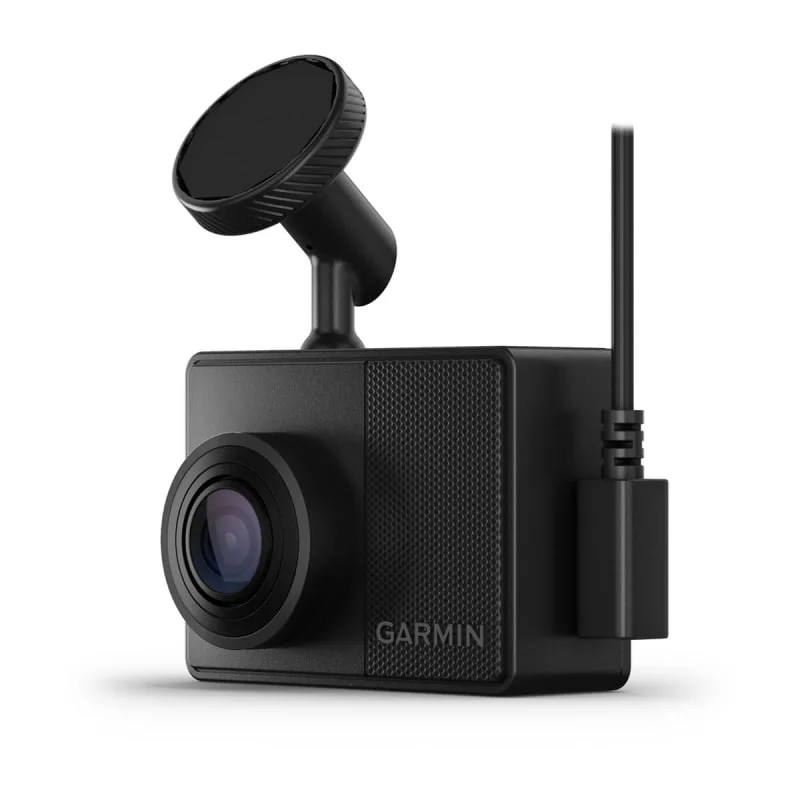
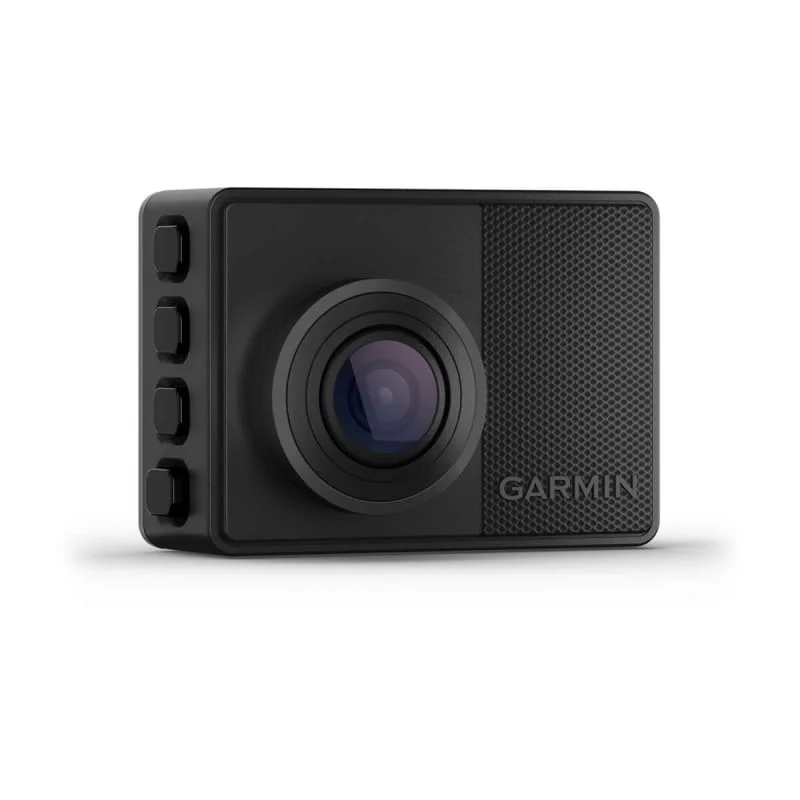
Garmin's cloud is the gentlest on-ramp. Saved clips from the Garmin Dash Cam 67W sync through the Garmin Drive app and land in the Vault, where Garmin's published plans hold them free for 24 hours; paid Vault tiers, priced in single-digit dollars a month, stretch that retention.
The 67W itself is easy to live with — 1440p, a manufacturer-rated 180-degree field of view that covers three lanes plus the shoulders, voice control, and a 16GB card in the box. The honest limit: no cellular radio. Clips reach the Vault when the camera finds Wi-Fi or your phone.
For an always-connected Garmin you're pointed at the LTE-equipped Dash Cam Live and its separate LTE Vault plans — a different product and a different bill.
Ring Car Cam: LTE as a household service
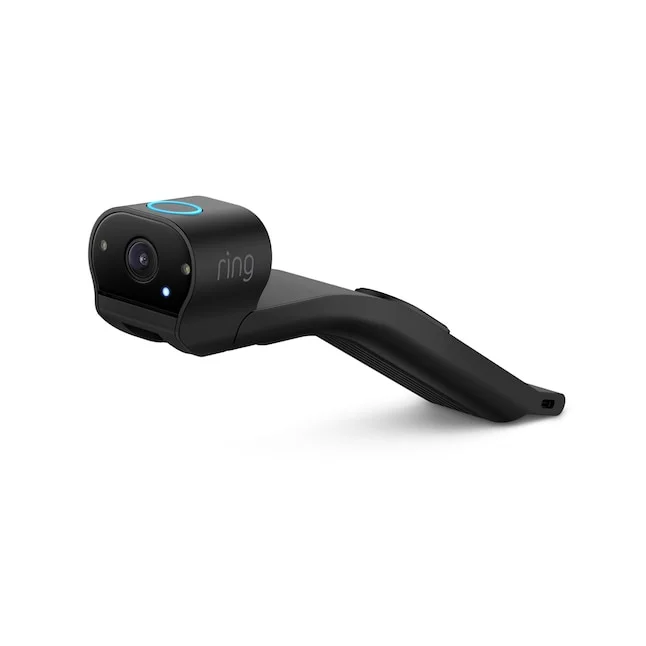
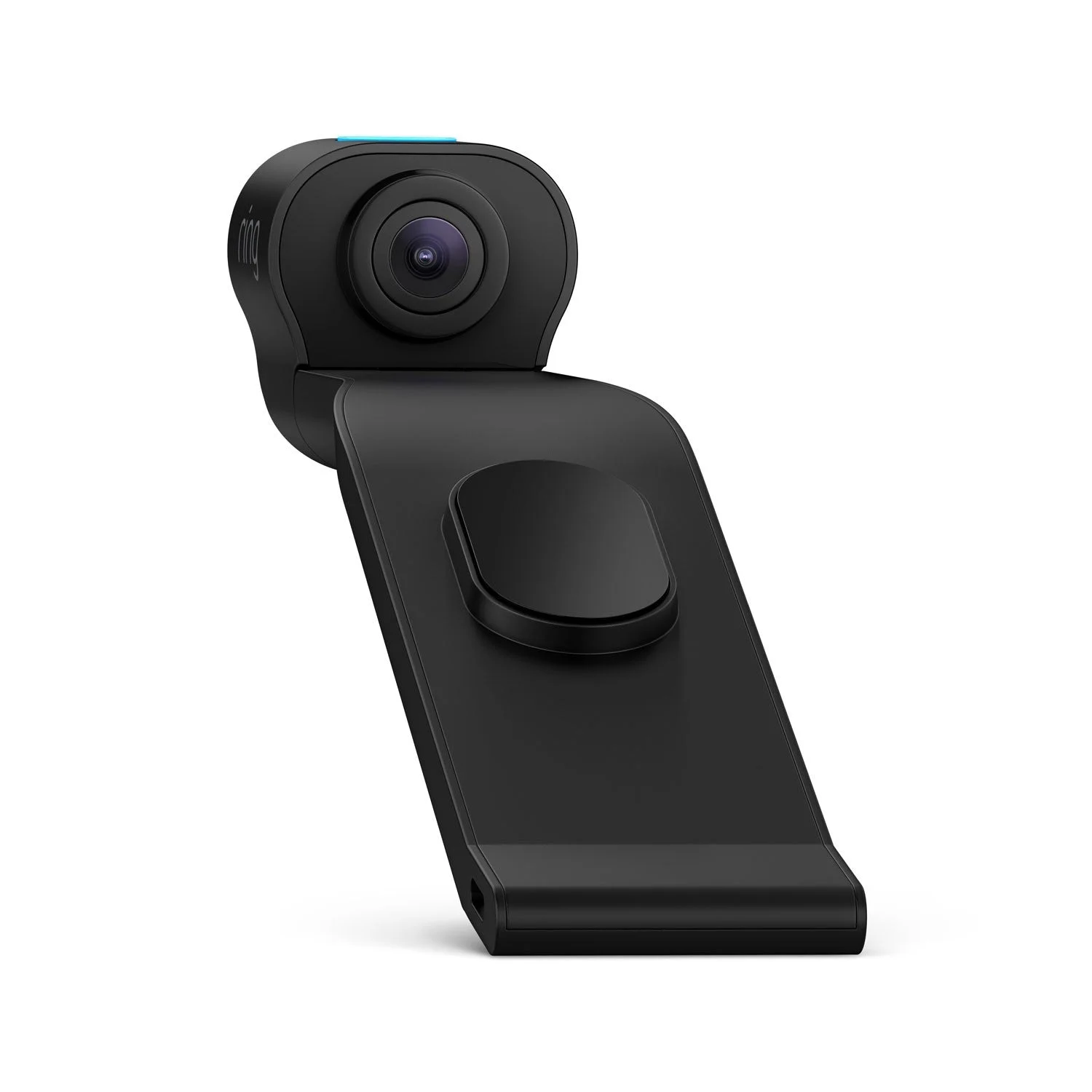
The Ring Car Cam treats the car like another room of the house. Dual-facing cameras, power from the OBD-II port, and away-from-home features that switch on with Ring Protect Go — $6 a month or $60 a year per camera on Ring's published plan, with 2GB of LTE data included monthly.
That data cap is the tell: this is an event-clip and quick-look camera, not a firehose. For a household already running Ring doorbells it's the lowest-friction option here. Owners report the install is a two-minute plug-in when the OBD port sits clear — and a trim-prying project when it doesn't.
The Recurring Costs Nobody Puts Up Front
Here is the part the product pages bury below the fold: the hardware price is a down payment. The plan is the real price of the cloud. These are the published rates as of this writing — street prices on the cameras move; plan prices move less.
- Nexar Connect — $9.99/month (first month free, roughly 20 percent off paid annually): unlimited incident-clip backup, live view, and the LTE connection itself.
- BlackVue Cloud — Free tier (one camera, capped live view), Lite at $3.99/month, Smart at $7.99/month — connectivity not included; add an LTE module and SIM, or hotspot data.
- Garmin Vault — free 24-hour clip storage on the 67W; paid Vault tiers in the single-digit-dollars-a-month range stretch retention to weeks.
- Ring Protect Go — $6/month or $60/year per camera, with 2GB of monthly LTE data included; Ring's support pages note extra data can mean extra charges.
- VIOFO (no cloud) — $0/month, forever. The comparison point the others have to beat.
Two patterns worth noticing. The brands that own the connection — Nexar and Ring — charge for it monthly and forever; the brands that don't, BlackVue and Garmin, look cheaper until you price the SIM or accept the Wi-Fi leash.
Run the three-year math and the shelf order shuffles. A $159.99 Beam2 carrying the annual plan lands near $450 over three years — most of the way to the BlackVue's sticker before its first month of service. Cheap hardware with a subscription and premium hardware without one converge fast.
Dash cam makers found the gym-membership business model. Unlike the gym, the camera still gets used after January — so judge the renewal price, not the launch discount.
None of this makes the plans a scam. Offsite evidence is a real service with real cellular bills behind it. It just belongs on the sticker, not in the checkout fine print.
What Actually Uploads (and What Stays on the Card)
No consumer dash cam here uploads your whole drive. Every one of them records continuously to local storage and pushes only moments — impact events, parking hits, clips you save by hand — up to the cloud.
Nexar uploads incident clips automatically and streams live view on demand; full rides stay on the camera's internal storage. BlackVue pushes event clips and notifications, and its published Lite and Smart plans add unlimited remote download of whatever is still on the card.
Garmin moves only saved or flagged clips into the Vault when the camera finds a connection. Ring spends its 2GB of monthly LTE on alerts, event video, and live checks — plenty for a driveway, thin for a surveillance habit.
The cloud copy is the moment that matters, not a DVR of your life. The card — or the internal storage — is still the system of record.
Which means storage hygiene survives the subscription. On the card-based cameras — the BlackVue, the Garmin, the VIOFO — a worn-out microSD breaks recording silently long before any server notices, so a high-endurance card and a periodic reformat are still part of the deal.
If a camera starts rebooting or dropping clips, work the usual failure chain first; a cloud plan doesn't change which part wears out. The card is suspect number one.
Every brand here also keeps a manual save. Tap the button — or the app — after a near miss and the clip gets promoted from loop footage to protected upload. That's the habit that makes the plan worth having.
Mind the upload window too. LTE cameras send clips from the parking lot; Wi-Fi cameras hold them until the car rolls back into range of your network. Same word — cloud — very different latency.
Before You Buy: What to Confirm About a Cloud Dash Cam

Five checks separate a cloud cam that earns its plan from one that quietly becomes a local camera with a monthly fee:
- Where the connection comes from. Built-in LTE (Nexar, Ring), an add-on module or your phone's hotspot (BlackVue), or Wi-Fi and the phone app (Garmin). A subscription without a connection uploads nothing.
- What the free tier actually holds. Garmin's window is 24 hours; BlackVue's Free plan covers one camera with capped live view. Useful — but know the ceiling before you count on it.
- What stops when you stop paying. Every camera here keeps recording locally without a plan, but live view, alerts, and the offsite copies end. Buy a camera you'd still keep unsubscribed.
- The data cap. Ring's 2GB a month is sized for events; habitual live-view checking burns through it, and the overage isn't free.
- Parked power. Cloud features matter most when you're away from the car, and a parked camera needs power — the OBD route on the Nexar and Ring, or a hardwire kit with a low-voltage cutoff for the rest.
The check people skip is the third one. A subscription isn't a setup decision; it's a bill you re-justify at every renewal. The camera that's still worth keeping after you cancel is the one worth buying — that test quietly eliminates the worst of this category.
I'd add a sixth for anyone shopping used: cloud features bind to accounts. Confirm the previous owner released the camera from theirs, or you'll own the hardware and none of the services.
And read the app-store reviews before the camera reviews. A cloud dash cam is half hardware, half service; owners' complaints about login walls, dropped pairings, and notification lag tell you more about year two than any unboxing video does.
The Picks: Best Dash Cam With Cloud Storage by Use Case
Architecture first, camera second. Match the cloud design to the job and the pick mostly makes itself.
Rideshare and delivery: the Nexar Beam2 front-and-cabin version. The cabin lens covers passenger disputes, and the built-in LTE means the clip is offsite before the ride ends — a promise a phone-relay or Wi-Fi camera can't make mid-shift.
Owners report the unlimited clip backup is what keeps them on the plan after the trial month; the infrared cabin view is what keeps the footage usable after dark, when disputes actually happen.
Parked-car alerts at home: the Ring Car Cam. Disturbance detection, a phone alert, live view, and two-way talk through the same app as the doorbell. The 2GB monthly LTE allowance is sized for exactly this job — events and check-ins, not streaming.
It's also the camera I'd hand to a non-technical family member: one app they already know, one $6 plan, no SIM cards or hotspot rituals.
Serious parked coverage and light fleet duty: the BlackVue DR970X-2CH Plus on the Smart plan. BlackVue's published plans let one account manage up to fifteen cameras — which is why the brand owns the small-fleet niche.
A contractor with three vans gets one dashboard, event uploads from each vehicle, and remote download without walking out to the truck. Owners consistently report years of service in hot climates — the unglamorous spec that decides whether year three exists.
Budget cloud entry: the Garmin Dash Cam 67W. A small, well-built 1440p camera with a 180-degree field of view from a company with a long optics record — and the free 24-hour Vault window covers the actual emergency: getting today's crash clip somewhere safe today.
Start on the free tier. If you find yourself saving clips every week, a paid Vault tier is a cheap upgrade; if you never do, you've spent zero on the cloud.
If none of those jobs sounds like yours, don't force it. The next section is the honest off-ramp.
The No-Subscription Alternative (and Who Should Take It)
An honest cloud roundup admits most drivers don't need one. If the car sleeps in a garage and your threat model is collisions rather than theft, a top-tier local camera covers you without a renewal email.
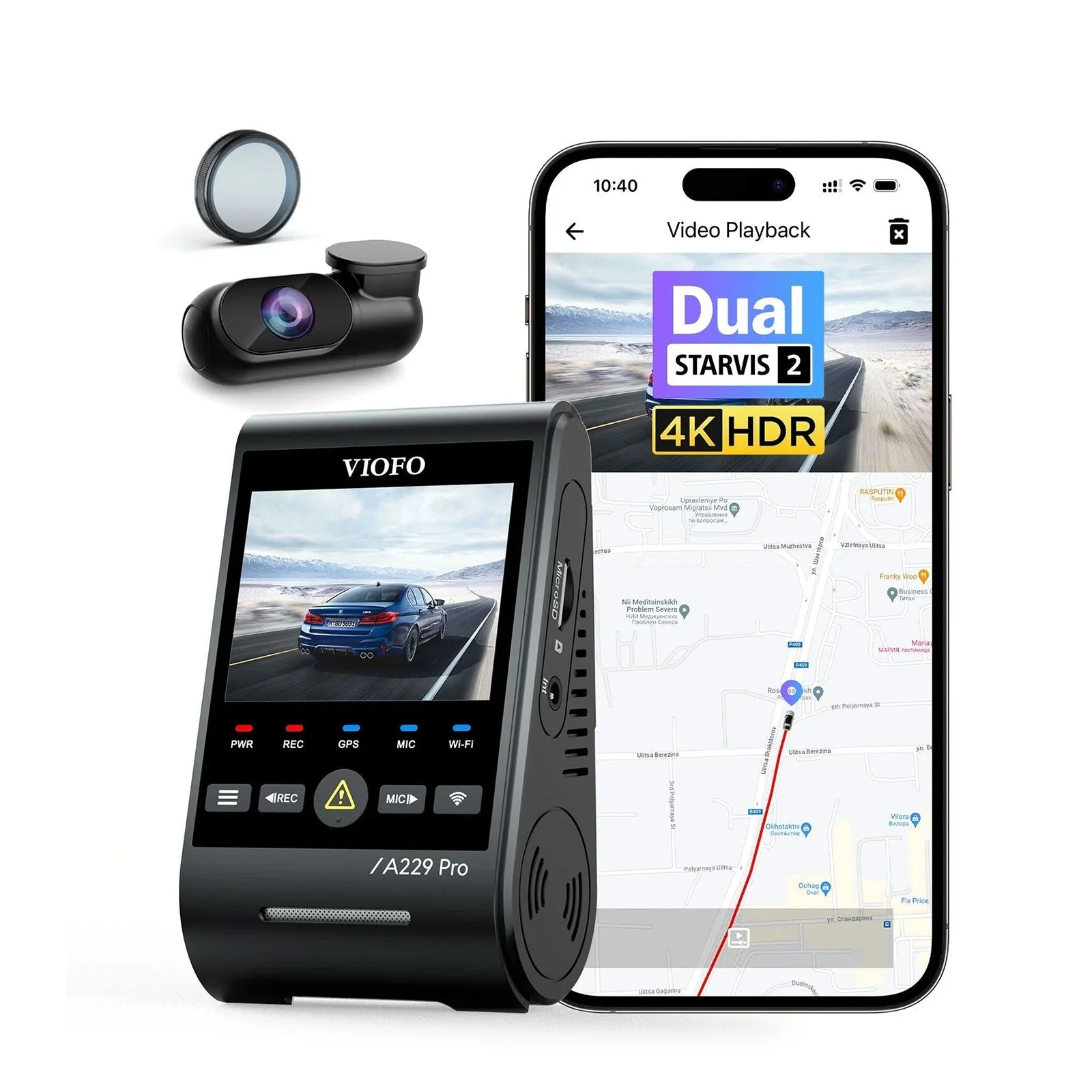
The VIOFO A229 Pro is my pick for that job. Sony STARVIS 2 sensors front and rear, 4K up front, a supercapacitor instead of a heat-swelling battery, and buffered parking mode once it's hardwired — premium-tier video for mid-tier money.
VIOFO owners report the unglamorous thing that matters: the camera just runs, year after year, with firmware updates still arriving. The subscription industry has not yet found a way to bill a supercapacitor.
What you give up is specific — no offsite copy if the camera is stolen or destroyed, and no look at the car from your phone across town. What you keep is $0 a month and footage quality that embarrasses some of the cloud cameras above.
Split the difference if you like: run the VIOFO as the evidence camera and let your insurance app or a cheap GPS tracker answer the where-is-my-car question. Stacking single-purpose tools is often cheaper than one camera that does everything adequately.
One more honest note: insurers don't pay out faster because your clip came from a server. A crash clip from a $0-a-month card camera settles a fault dispute exactly as well.
What the cloud actually buys is narrower and realer — the clip surviving when the camera doesn't, and a window on the car when you're three states away from it. Price that against your own parking situation, not the marketing copy.
The same logic from a front-and-rear setup applies here: buy the coverage that matches a job you actually have. Cloud is a job. So is not paying for one you don't have.
Power, Connectivity, and the Install Realities
Cloud features earn their fee when the car is parked, and a parked camera needs two things the brochure quietly assumes: power and signal.
Power first. The Nexar and Ring both run from the OBD-II port — the Beam2's listing includes a $25 OBD kit for continuous power, and the Ring plugs straight in. That's a five-minute install, with the trade-off that the plug occupies a port your mechanic occasionally wants back.
The BlackVue, Garmin, and VIOFO want a hardwire kit with a low-voltage cutoff for parked work. The cutoff is non-negotiable: a camera that uploads all night from a battery with no floor is how you trade a clean cloud record of your no-start for the no-start itself.
For a rig that sits a week at a trailhead, a dedicated dash cam battery pack beats both options — it charges while you drive and runs the camera without touching the starting battery. The cloud can't upload from a dead truck.
Signal is the quieter constraint. LTE cameras go dark in concrete parking garages — exactly where parking damage clusters, which is the kind of irony you only notice after the door ding.
Wi-Fi cameras — the Garmin, and the Ring at home — only sync in range of your network. Park on the street past the router's reach and the cloud features thin out to nothing.
And out where I park, none of it works. A trailhead with no bars turns every camera here into a local camera; the clips upload on the drive home, when the rig finds signal again. The cloud is a copy delayed, not coverage denied — just know which one you're buying.
The Verdict: Which Dash Cam With Cloud Storage to Buy
For most people the answer is the Nexar Beam2. Cloud isn't a feature bolted onto it — it's the design: LTE inside the camera, internal storage instead of a wear-prone card, unlimited incident-clip backup, and one published $9.99 monthly price with no connectivity surprises stacked on top.
If you want the most capable system and don't mind assembling it, the BlackVue DR970X-2CH Plus with a Smart plan is the fleet-grade answer. If the car lives in a Ring-household driveway, the Ring Car Cam at $6 a month is the lowest-friction watchdog.
If you'd rather test the water for free, the Garmin Dash Cam 67W and its 24-hour Vault window are the no-commitment on-ramp. And if the honest answer is that you never needed cloud, the VIOFO A229 Pro records better video than half this list for $0 a month.
Whichever lane you pick, set it up the boring way: confirm the first upload actually arrived, store the account login where you'll find it after a crash, and put the renewal date on the calendar. Evidence systems fail at the paperwork layer more often than the hardware layer.
The bottom line: pick the architecture before the camera. Built-in LTE for evidence that leaves the car on its own, household LTE for driveway alerts, app-and-Wi-Fi syncing for occasional clips, or no cloud at all — then buy the best hardware in that lane. The renewal email is part of the product. Read it before the spec sheet. — Dana Cole
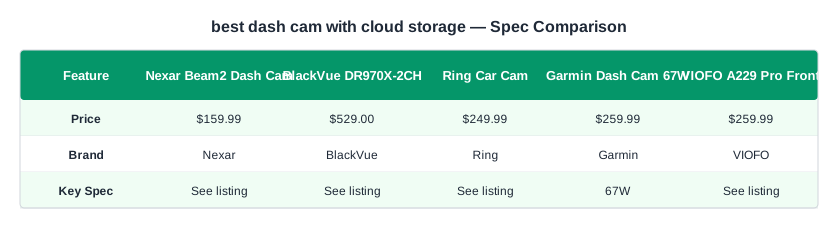
The complete lineup: Nexar Beam2 Dash Cam (64GB, LTE) ($159.99), BlackVue DR970X-2CH Plus ($529.00), Ring Car Cam ($249.99), Garmin Dash Cam 67W ($259.99), VIOFO A229 Pro Front and Rear Dash Cam ($259.99) — each weighed on published specs, plan pricing, and owner consensus rather than a spec-sheet beauty contest.