Why 4K is worth it — and when it isn't
A dashcam exists to settle one argument: whose fault was it, and what was the other car's plate? That's why resolution matters more here than in almost any camera you own — the difference between a readable plate and a gray smear is the difference between a closed claim and your word against theirs. 4K, at roughly four times the pixels of 1080p, is the resolution that genuinely reads plates two or three cars ahead and across multiple lanes.
But there's a catch that the spec sheets hide, and it's the single most important thing to understand before you buy: resolution without a good sensor is wasted. A cheap 4K cam with a weak sensor produces a sharp picture of noise — fine in bright daylight, useless at night when plates are lit only by your headlights and a streetlamp. The 4K cams worth buying pair the resolution with a quality Sony STARVIS sensor and real HDR, so the detail survives darkness and glare.
I leaned on the tester consensus here — Car and Driver and Wirecutter bench reviews, plus the long-running r/Dashcam threads where owners post real night-plate comparison clips — rather than pretending I ran each unit for a year. Where a 4K cam earns its premium and where a good 1440p cam would serve you just as well, I say which.
What actually matters when you buy a 4K cam
Five things decide whether a 4K dashcam is sharp where it counts and worth its price:
- The sensor, not the resolution number. A Sony STARVIS or STARVIS 2 sensor gathers the light that makes night plates readable. This is the spec that separates a great 4K cam from a sharp but useless one — check it before anything else.
- HDR and night performance. Real HDR tames headlight glare and brightens shadows so a plate stays legible against bright tail lights. Night plate-reading is the true test; daylight is easy.
- Bitrate and processing. 4K resolution at a low bitrate looks soft; a good cam pairs the pixels with enough bitrate and a capable processor to keep motion crisp.
- Storage and heat. 4K files are big — you want a high-endurance 128–256GB card (or built-in storage) and a capacitor-based, heat-tolerant design that survives a summer windshield.
- Whether you actually need 4K. If you just want a reliable incident record, a good 1440p cam is cheaper and lighter on storage. Buy 4K because you specifically want distant-plate detail.
The temptation is to chase the biggest number on the box, but a $60 '4K' no-name cam and a $260 Viofo A229 Pro are not remotely the same product despite sharing a spec. The honest framing is that 4K is a quality tier you pay into, not a checkbox — the sensor, HDR and processing behind those pixels are what you're actually buying, and they're where the recommended picks below put your money.
The picks, by how much you want to spend
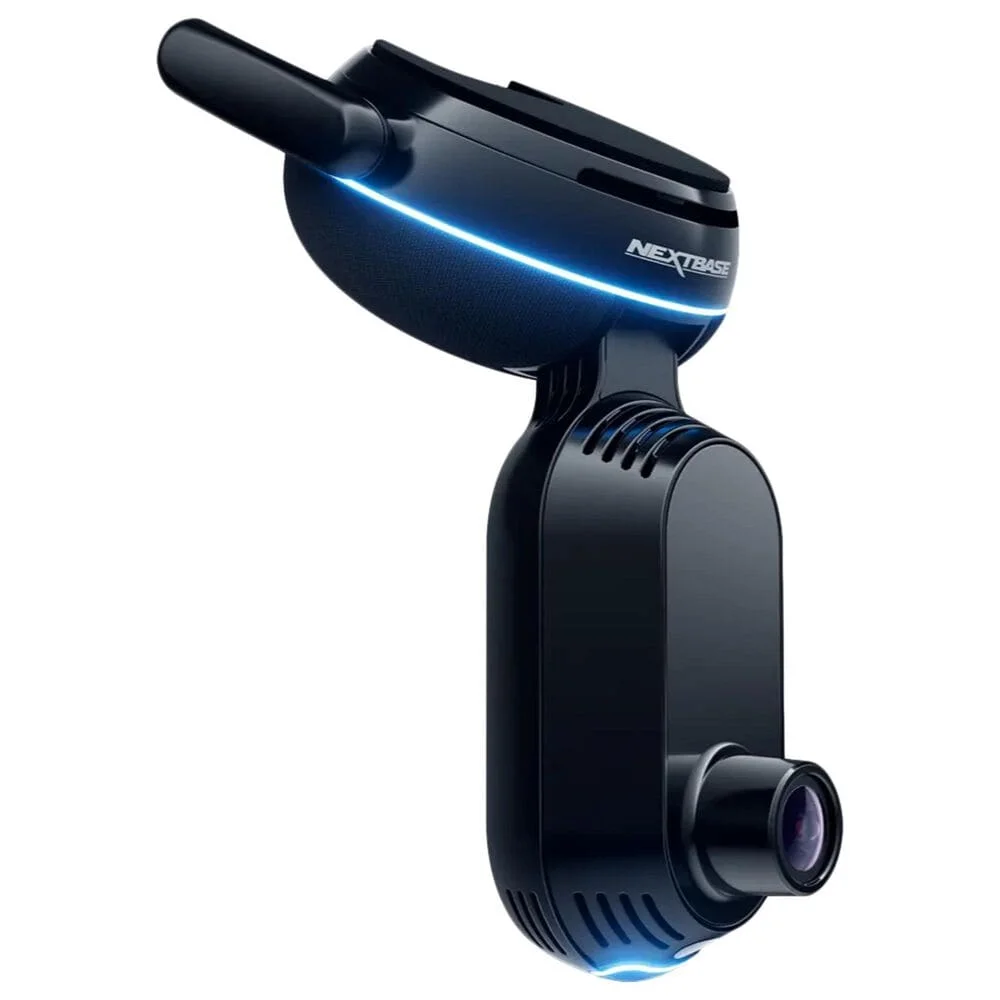
Six 4K cams that earn their place, from the value benchmark to the premium connected option — matched to budget and priorities:
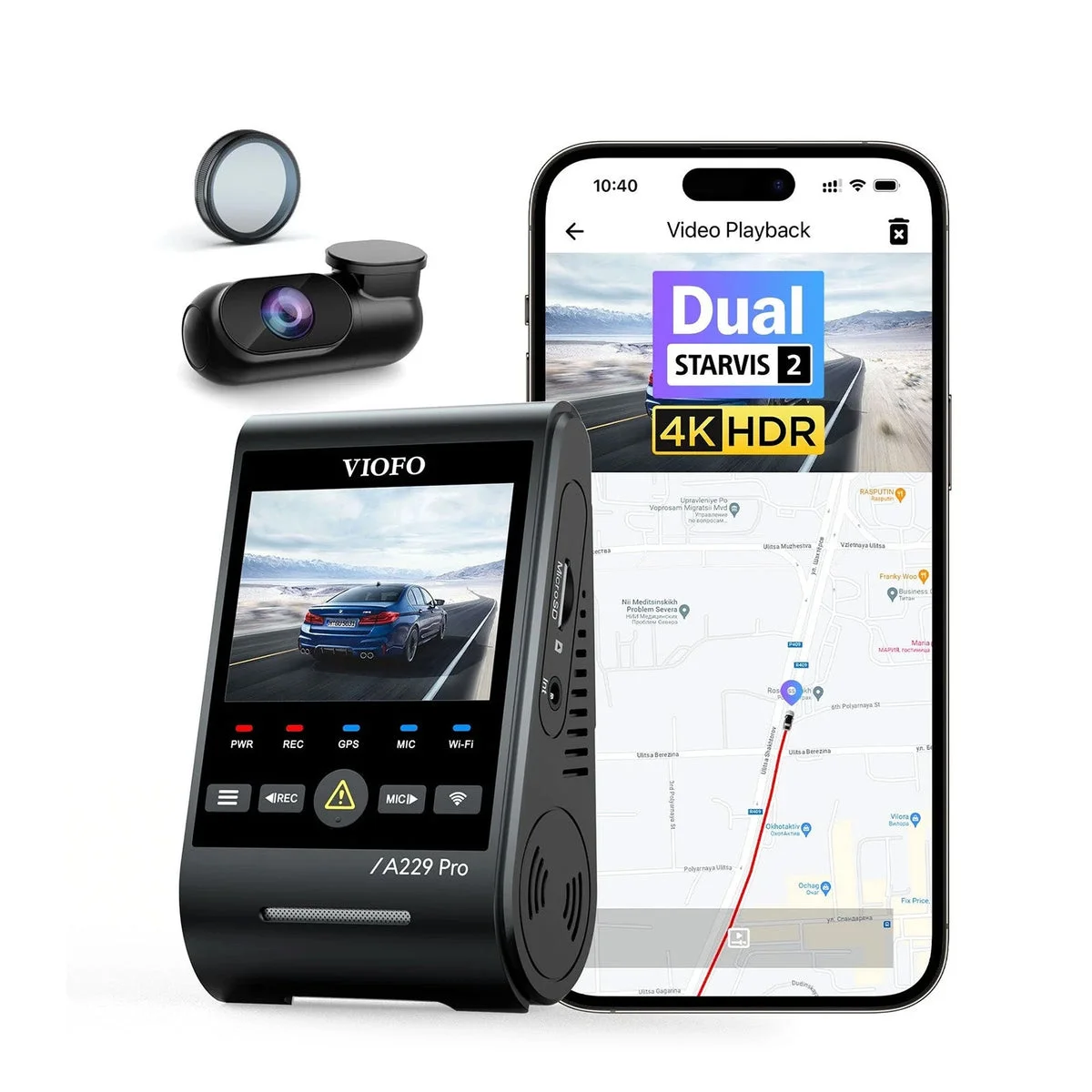
- Viofo A229 Pro (enthusiast pick): true 4K with the Sony STARVIS 2 sensor, strong HDR, GPS and a free WiFi app, no subscription. The cam the r/Dashcam community most often points to when someone asks for the best image quality without going premium-connected.
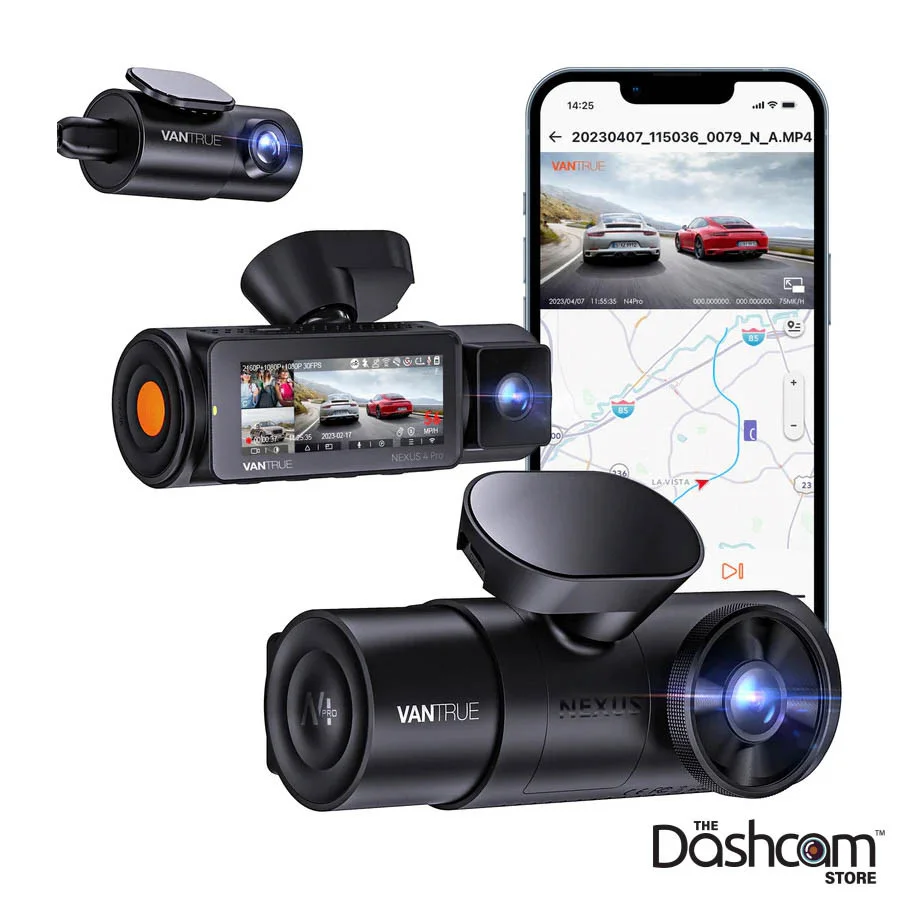
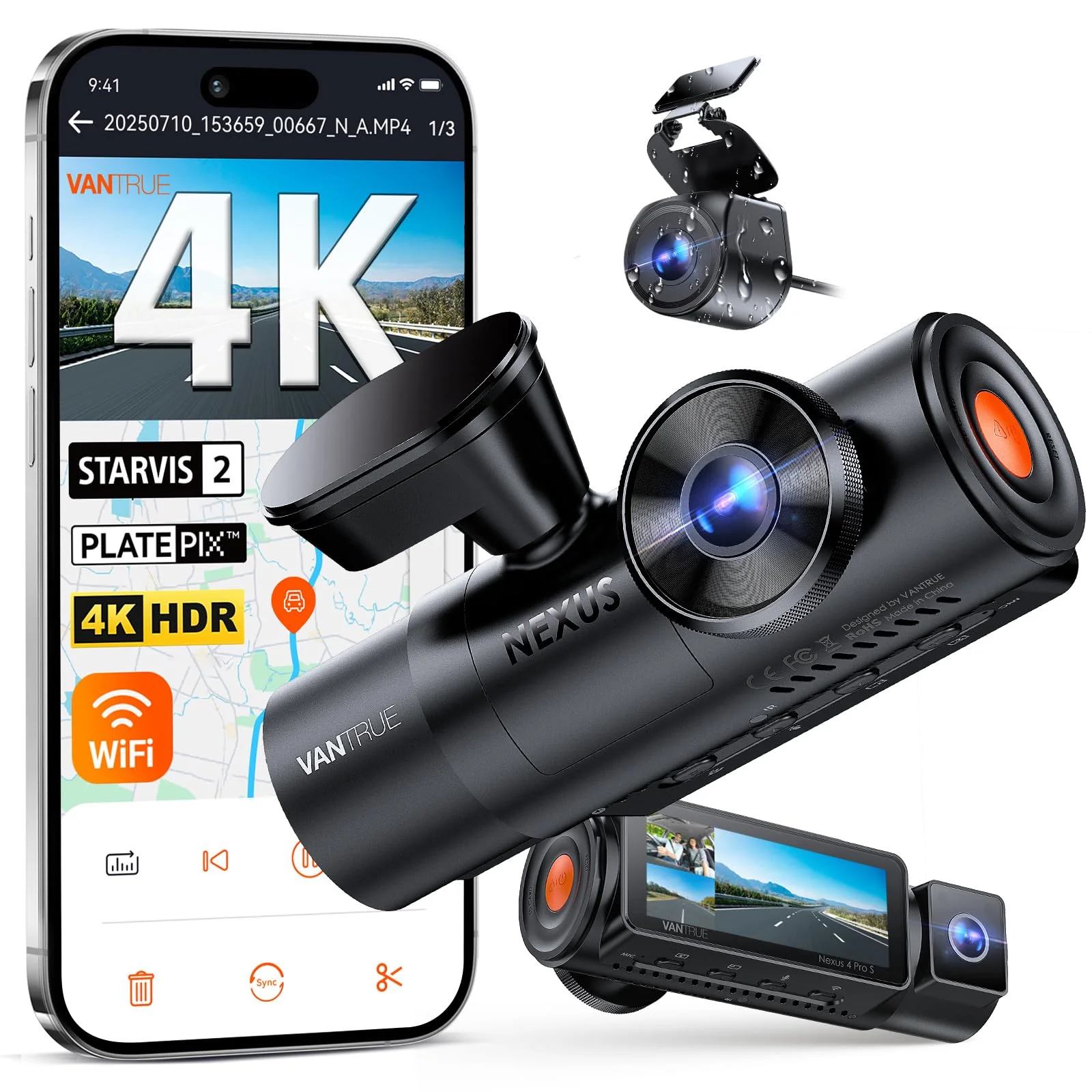
- Vantrue N4 Pro (three-channel pick): 4K front plus cabin and rear coverage in one unit — the choice for rideshare drivers and anyone who wants the interior recorded too, all with no recurring fee.
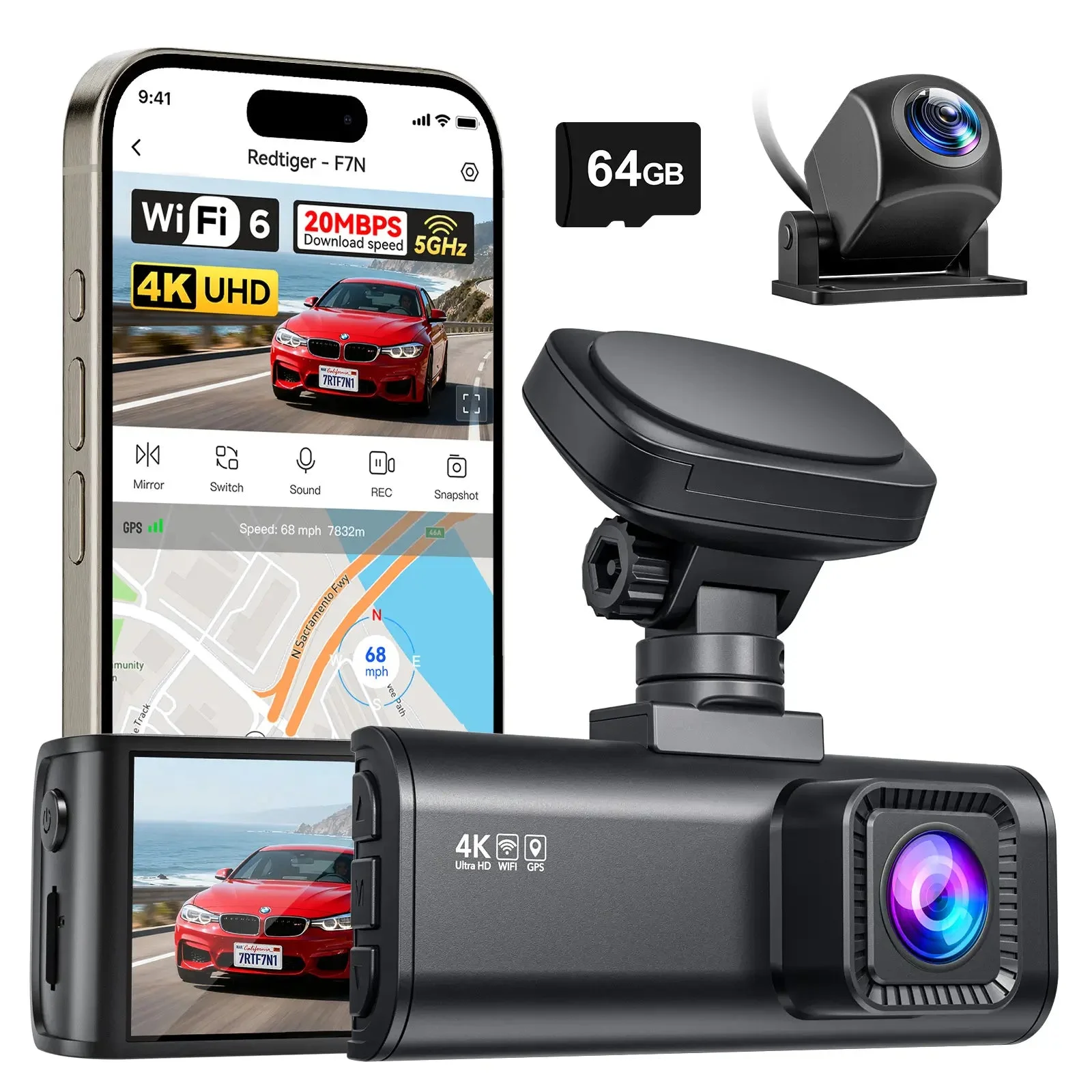
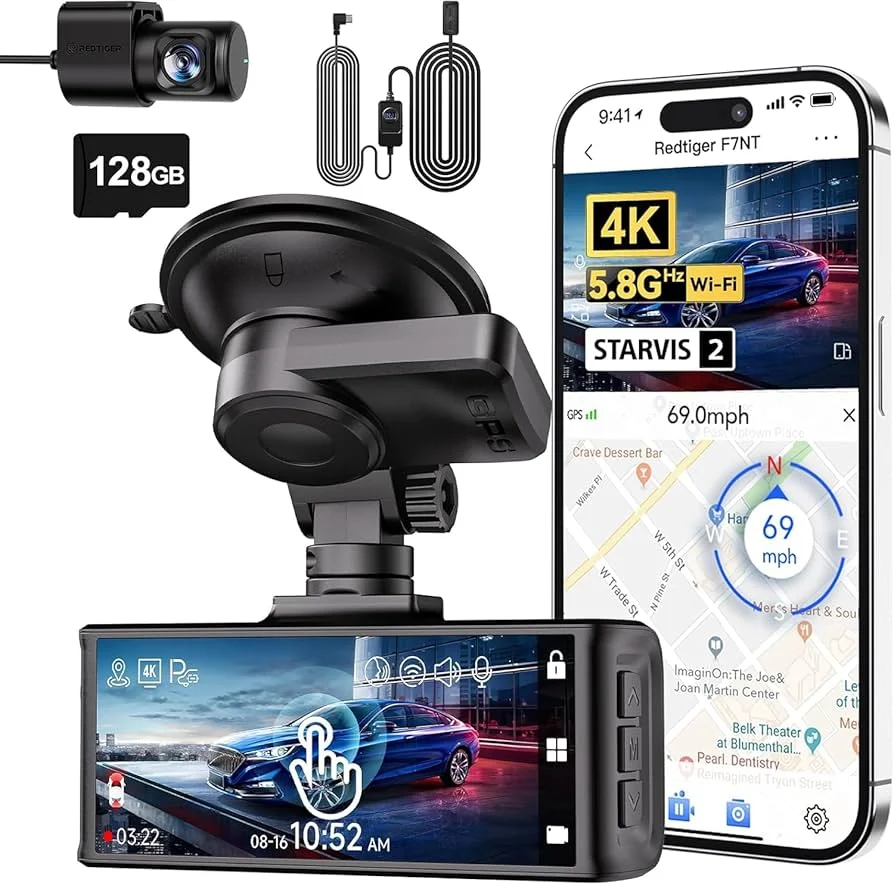
- Redtiger F7N (budget front-and-rear): a best-seller for a reason — 4K front, 1080p rear, GPS and a free app at a price that undercuts the enthusiast cams. The sensor isn't STARVIS 2, but the value is real.
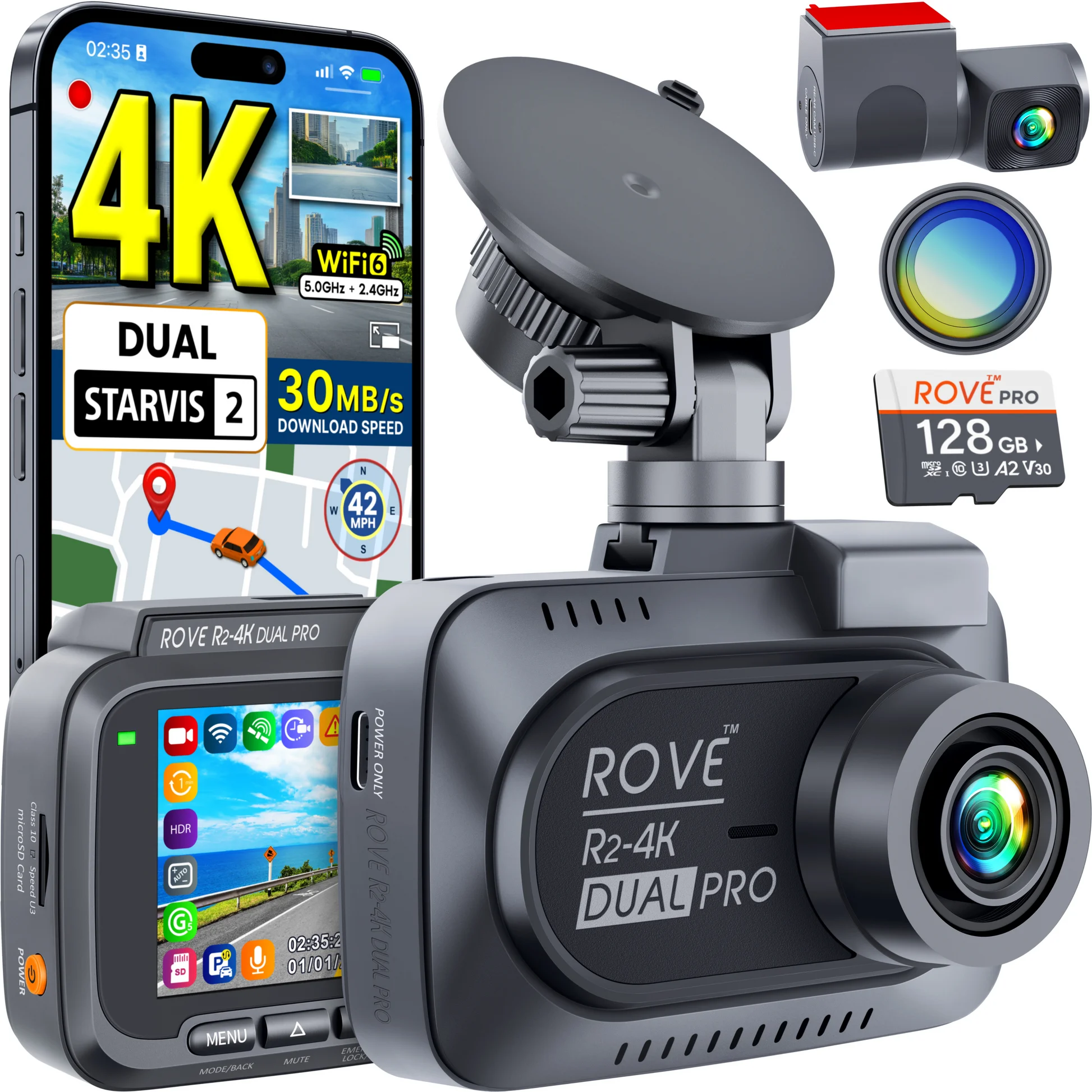
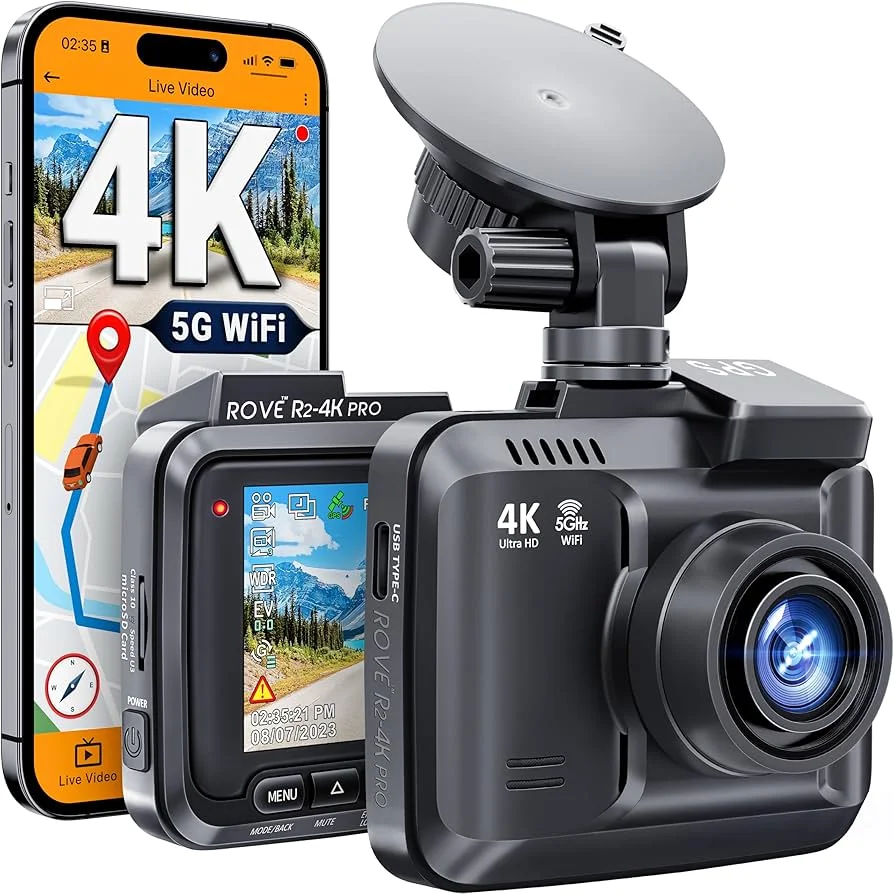
- Rove R2-4K Pro (value benchmark): the cam that made affordable 4K mainstream — built-in GPS, WiFi, a free app and reliable daytime sharpness for around a hundred dollars.
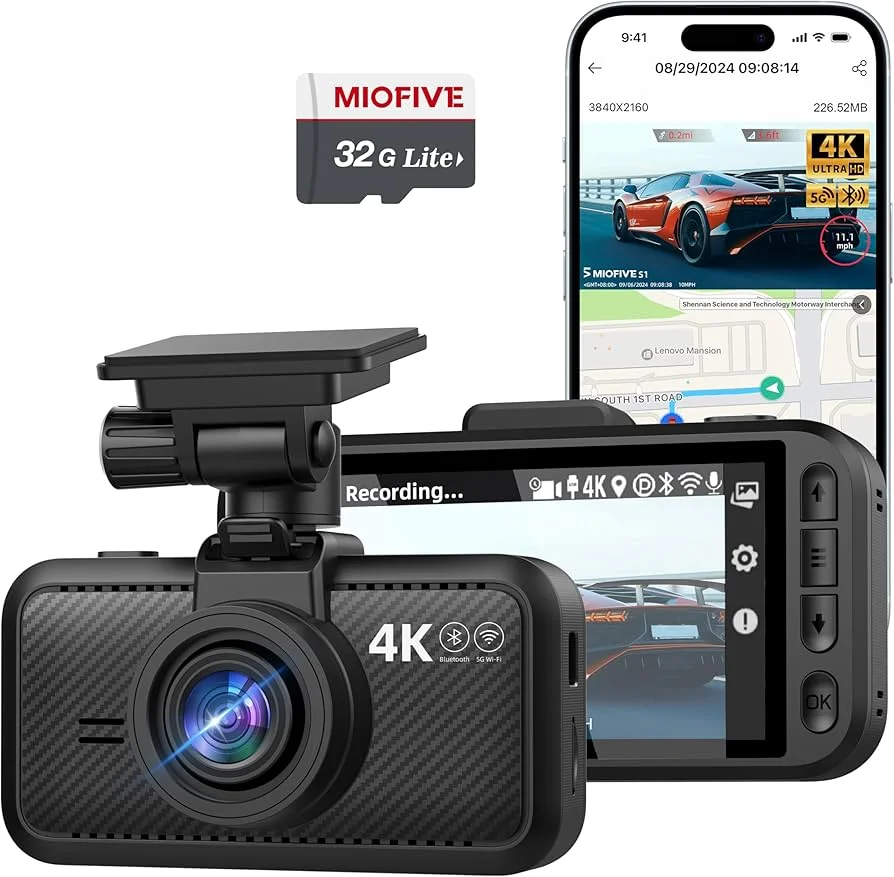
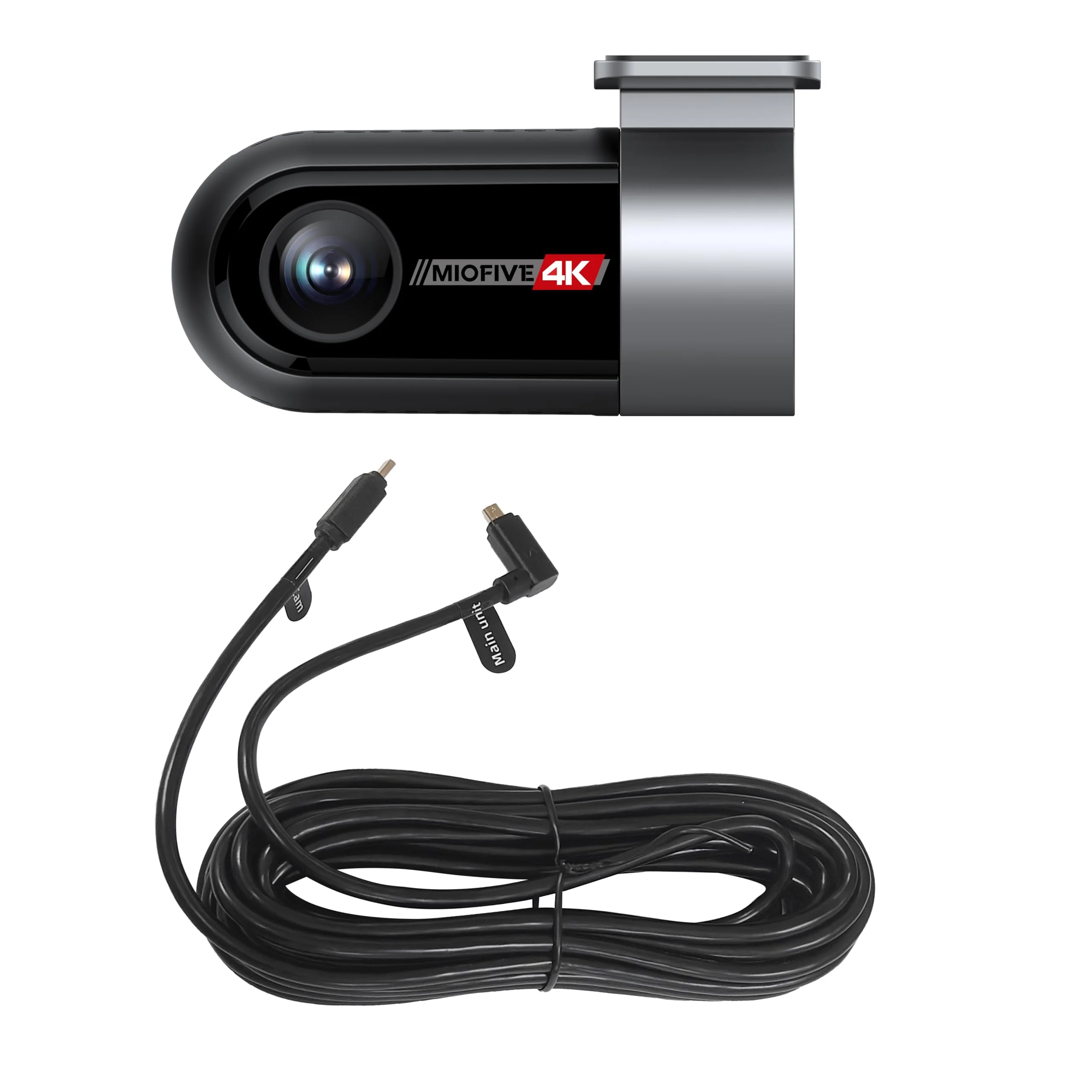
- Miofive S1 Ultra (no-card pick): 4K with 64GB of built-in storage and a sharp Sony sensor, so you skip the microSD entirely — tidy and reliable, with a free app.
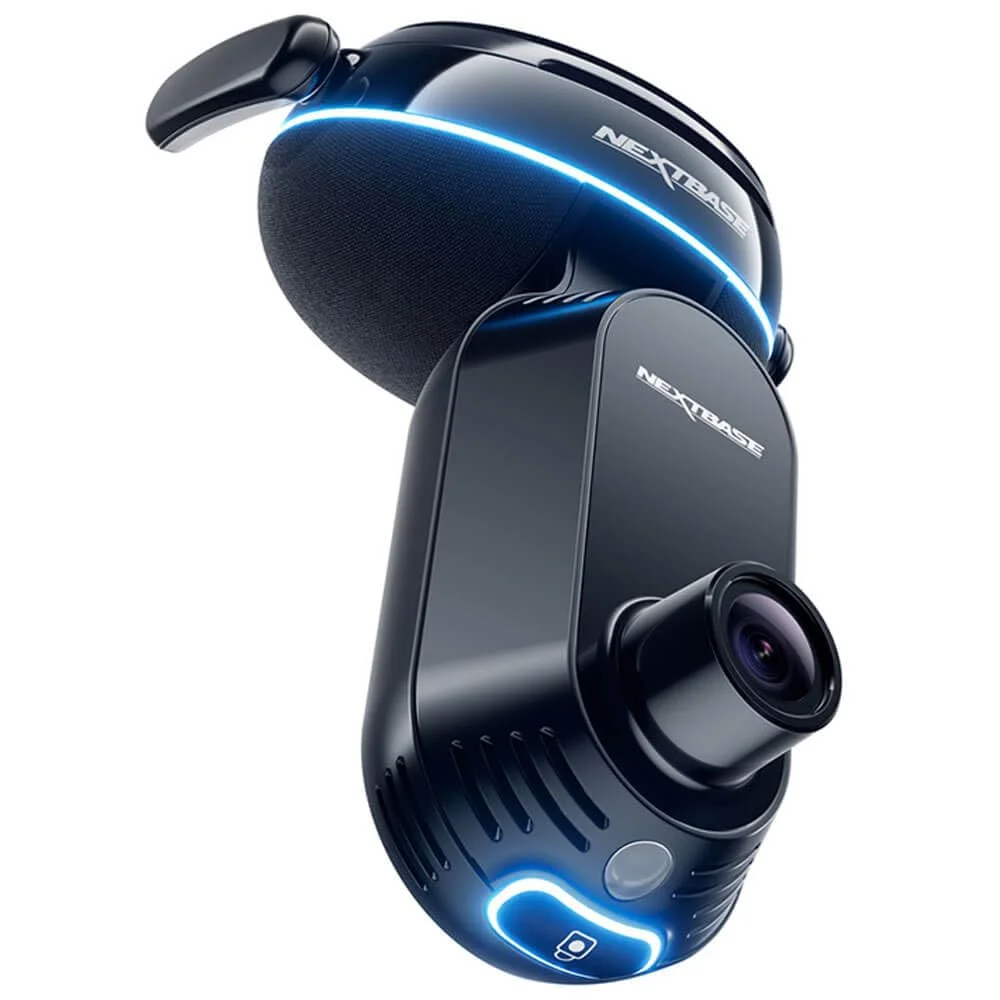
- Nextbase iQ (premium connected): 4K with optional cloud, remote live view and smart-incident features. The most expensive here and the only one whose best tricks need a subscription, but the pick if you want a connected, watch-from-anywhere cam.
Notice the spread: you can have genuinely useful 4K for around $120, or pay up for a better sensor, three channels, or cloud connectivity. The right pick is the cheapest one that has the feature you specifically came for — distant-plate sharpness (Viofo), interior coverage (Vantrue), or remote access (Nextbase) — not the most expensive one you can justify.
Head to head: Viofo A229 Pro vs Rove R2-4K Pro
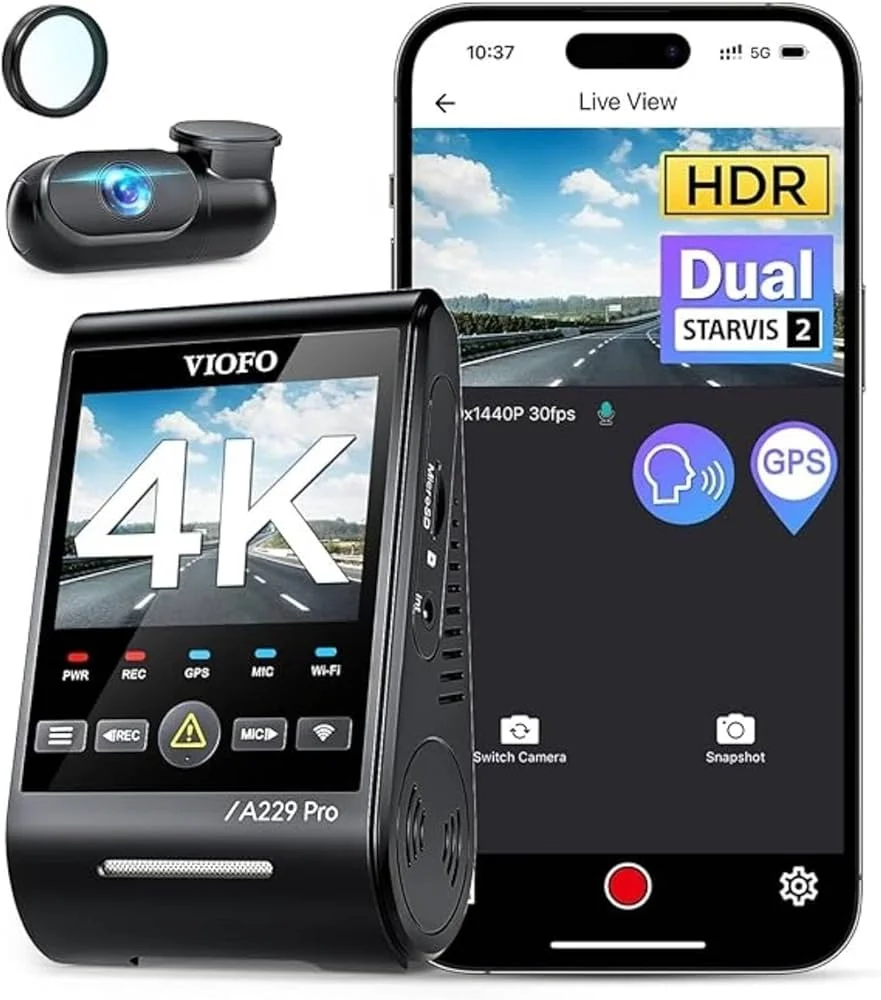
These two bracket the decision most 4K buyers actually face: the enthusiast cam versus the value benchmark. The Viofo A229 Pro is the image-quality pick. Its Sony STARVIS 2 sensor, stronger HDR and higher bitrate mean it reads plates farther out and, crucially, holds them legible at night against glare — the scenario that actually decides disputes. It costs more, around $260, and that money buys the night performance reviewers consistently rate at the top of the non-premium field.
The Rove R2-4K Pro is the value pick at roughly a hundred dollars. In daylight it's genuinely sharp and more than enough to record an incident clearly, with built-in GPS and a free app. Where it gives ground is at night and in harsh glare, where its sensor can't match the STARVIS 2 — plates that the Viofo holds, the Rove can soften.
The honest call: if most of your driving and your worry is daytime, the Rove saves you well over a hundred dollars for a cam that does the job. If you drive a lot at night, in cities, or simply want the best plate-reading insurance money can buy short of a connected cam, the Viofo A229 Pro is worth the upgrade. Both are no-subscription cams you own outright — this is purely a quality-versus-price decision, not a feature paywall one.
What goes wrong with 4K cams (and how to avoid it)
The recurring 4K disappointments are predictable, and every one is avoidable. The biggest is buying resolution without a sensor: a cheap '4K' cam looks fine in the showroom daylight clip and then can't read a plate at night, because the pixels are there but the light-gathering isn't. The fix is to check for a named Sony STARVIS sensor and to weight night-clip reviews over daylight ones.
The second is the storage trap. 4K files are large, so a too-small or low-endurance microSD fills fast, loops over footage you wanted, or fails outright from the constant rewrite cycle. Use a high-endurance 128–256GB card, or pick a cam with built-in storage like the Miofive. The third is heat: a 4K cam works the processor harder and runs warmer, and a battery-based cheap cam can swell or shut down on a hot windshield. Stick to capacitor-based, heat-tolerant designs and mount in the shade of the mirror.
The fourth is the bitrate mismatch — a cam that advertises 4K but records at a stingy bitrate gives you soft, smeary motion that defeats the point. This is hard to read off a spec sheet, which is exactly why the tester-consensus picks above matter: reviewers measure real-world sharpness, not the marketing number. Buy from that shortlist, pair it with a proper card, mount it in the shade, and the 4K cam delivers the distant, legible plates you bought it for.
How to choose in one minute
Strip it down to your actual situation:
- Best image quality without going premium: Viofo A229 Pro — STARVIS 2 sensor, top non-connected night performance.
- Best value 4K: Rove R2-4K Pro — sharp daytime 4K, GPS and app for around $120.
- Budget front-and-rear: Redtiger F7N — 4K front, 1080p rear, GPS, best-seller price.
- Interior coverage too (rideshare): Vantrue N4 Pro — 4K front plus cabin and rear.
- No microSD hassle: Miofive S1 Ultra — 4K with 64GB built in.
- Connected, watch-from-anywhere: Nextbase iQ — premium 4K, cloud features need a subscription.
Whatever you pick, pair it with a high-endurance card (unless it has built-in storage), mount it behind the mirror in the shade, and confirm the night-clip reviews — that's the 90 seconds of homework that separates a 4K cam you trust from one that disappoints the first time it matters.
The verdict
4K is worth buying when you specifically want to read plates at distance and across lanes — but only if you buy the sensor behind the pixels, not the headline number. For the best image quality short of a connected cam, the Viofo A229 Pro and its Sony STARVIS 2 sensor is the enthusiast's answer, holding plates legible at night where cheaper 4K cams fall apart. For genuine 4K on a budget, the Rove R2-4K Pro delivers sharp daytime footage, GPS and an app for around a hundred dollars.
Round it out by your priorities: the Redtiger F7N for budget front-and-rear, the Vantrue N4 Pro for interior coverage, the Miofive S1 Ultra to skip the microSD, and the Nextbase iQ if you want connected, watch-from-anywhere features and will pay the cloud fee. Five of the six are no-subscription cams you own outright — pair your pick with a high-endurance card, mount it in the shade, and you'll have the distant, legible, night-proof plates that are the whole reason to buy 4K in the first place.
The complete lineup also includes Redtiger F7N 4K Front and Rear ($130), Nextbase iQ 4K ($500) — each compared on the same specs and reviewer consensus.