The honest verdict: value on an LG compressor vs premium on a Secop
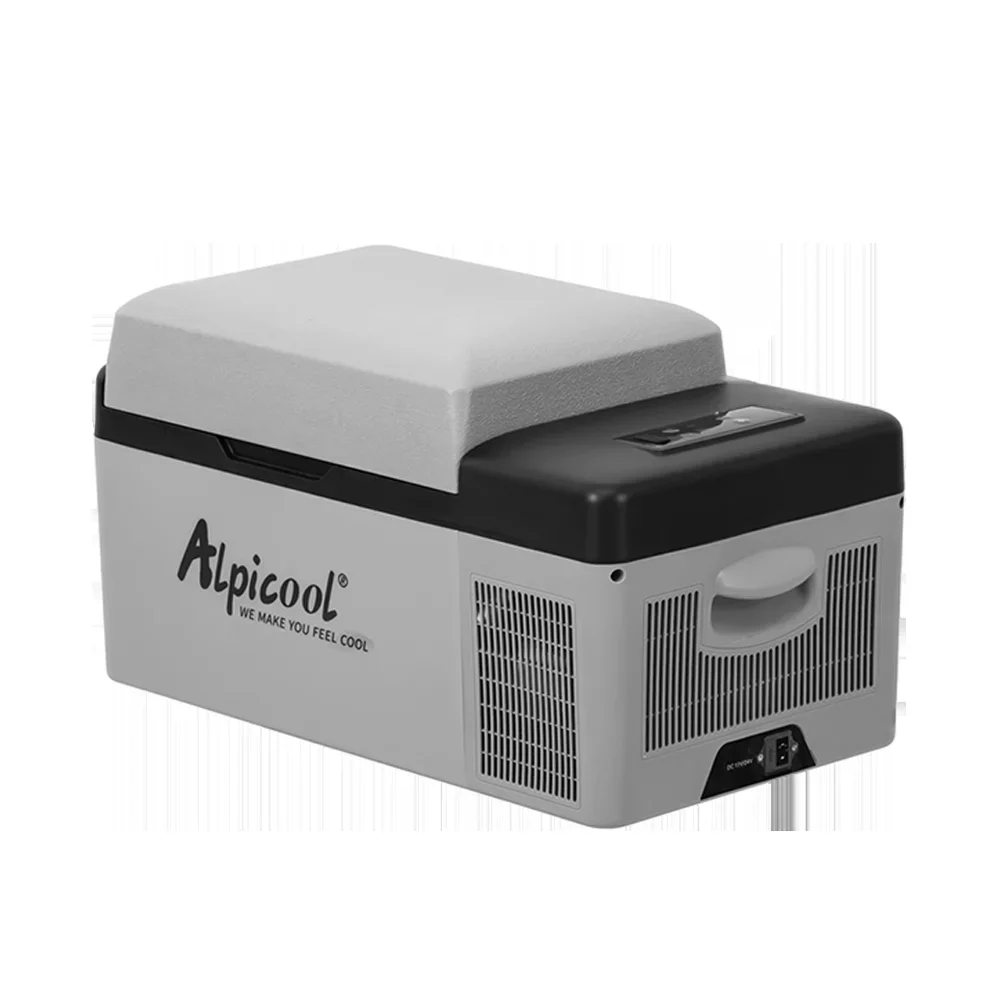
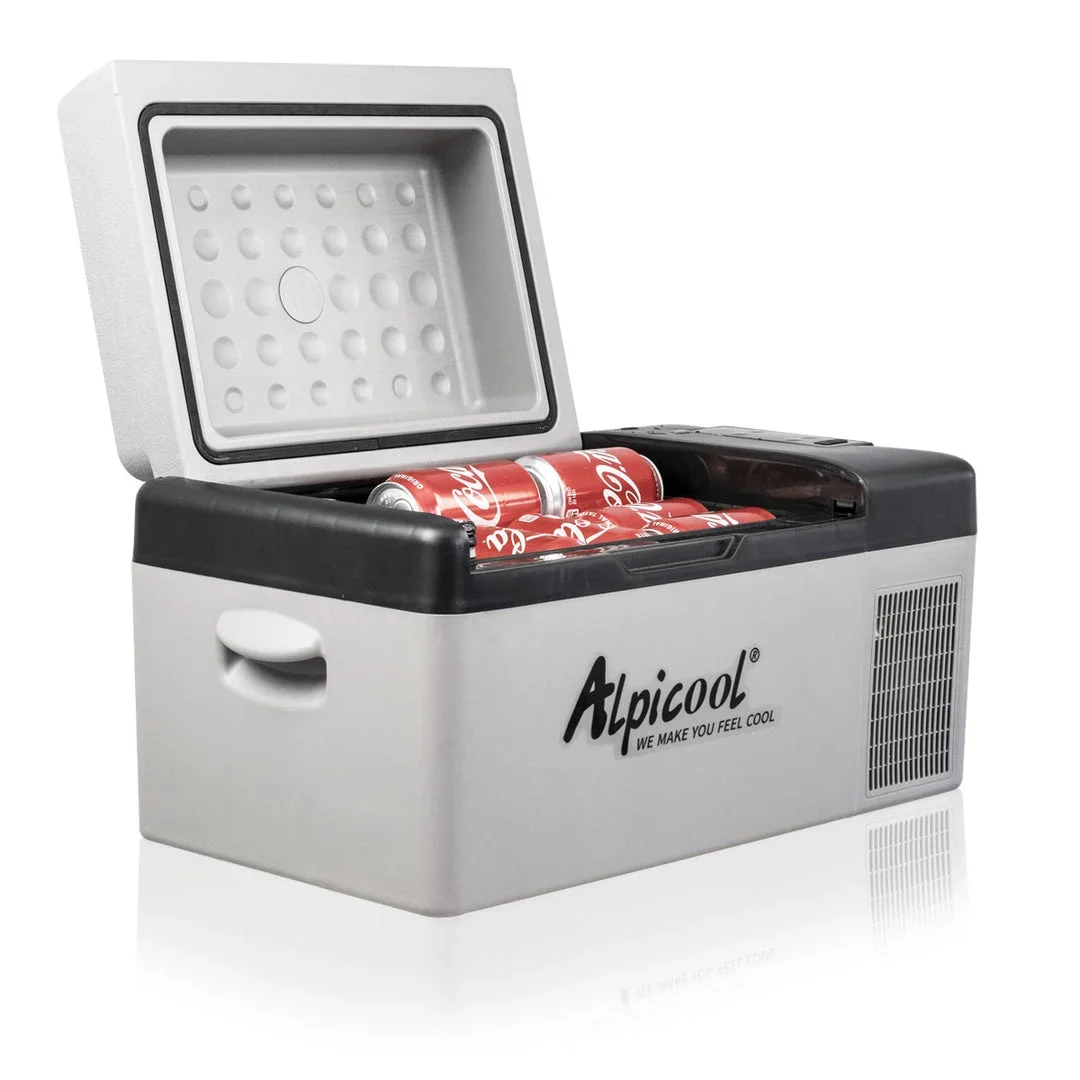
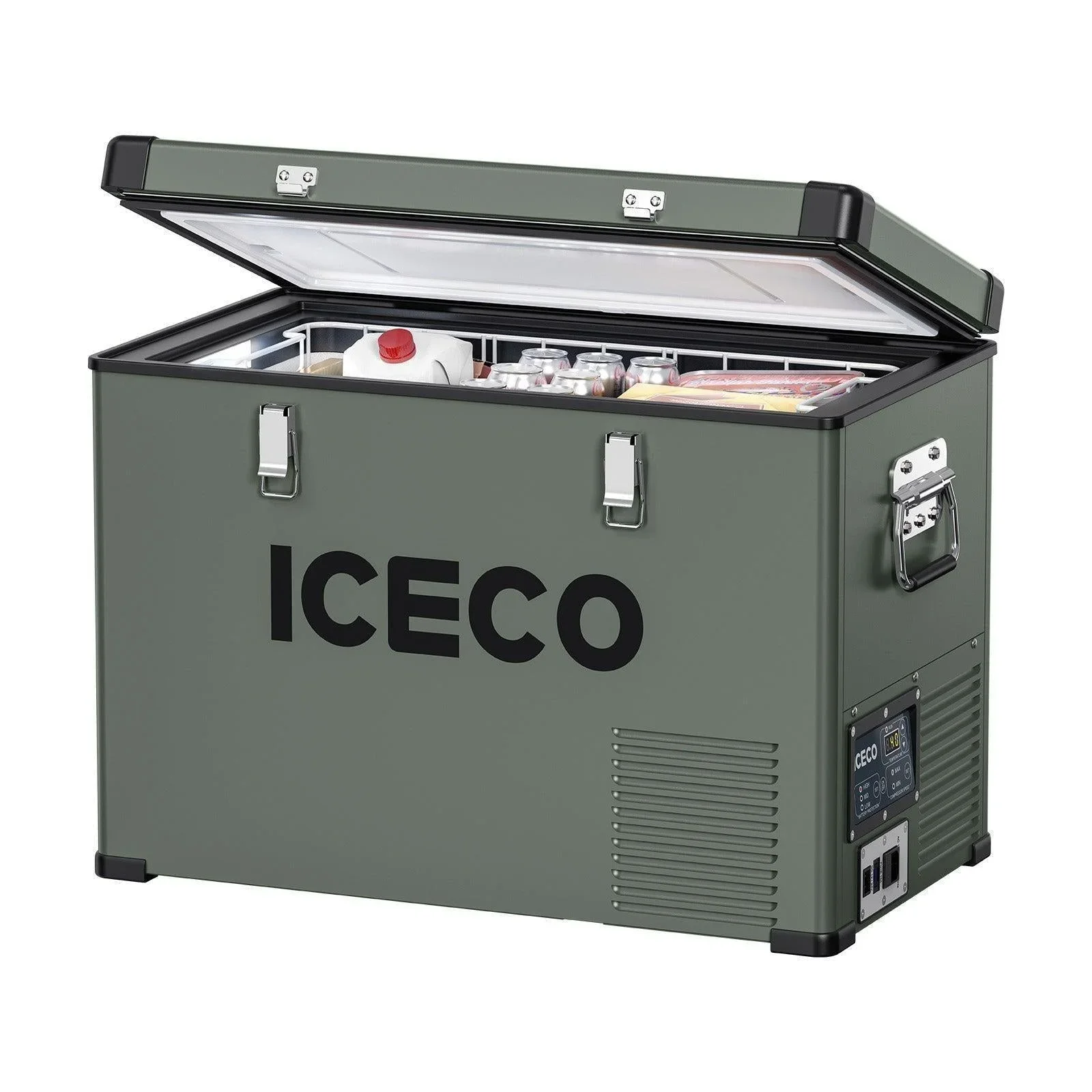
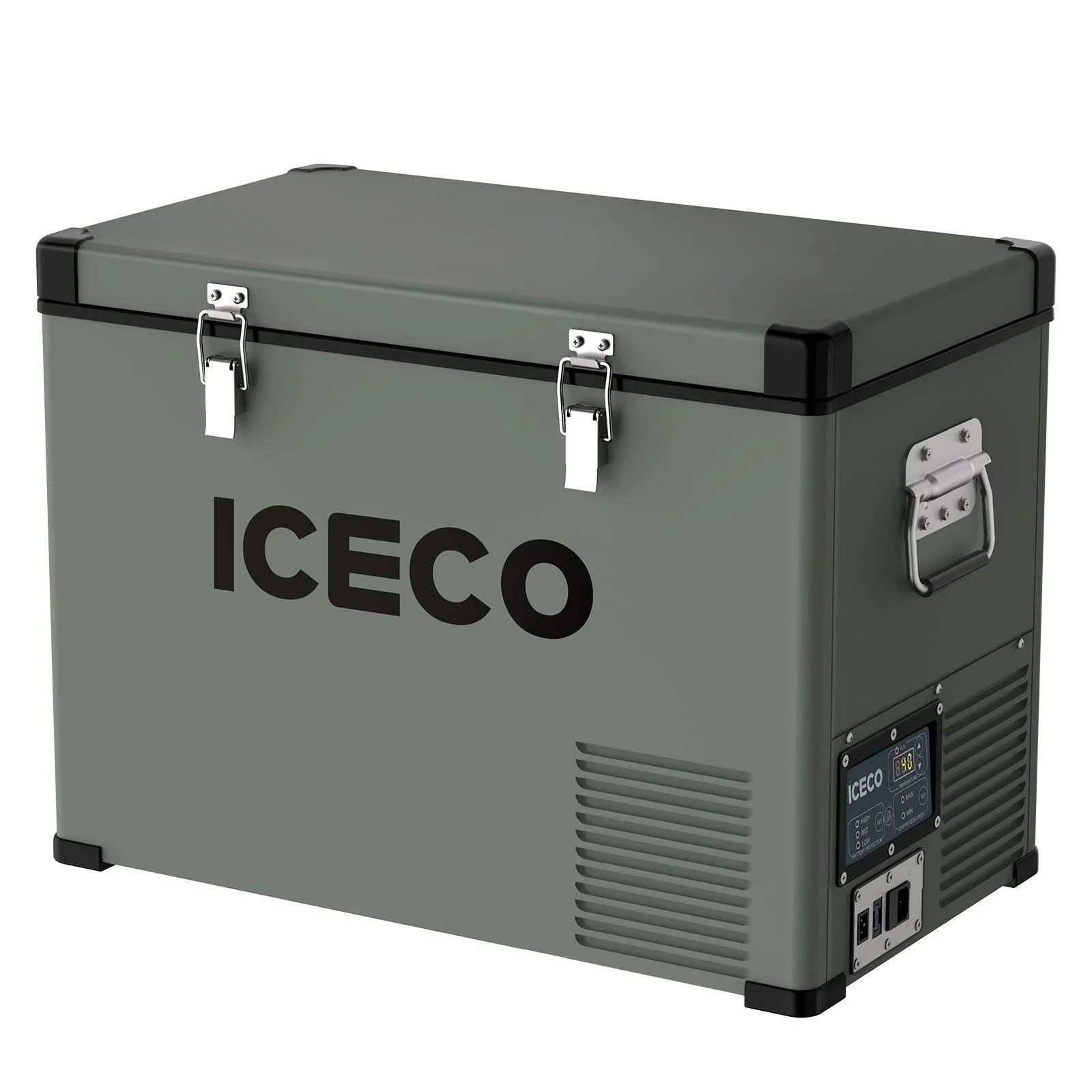
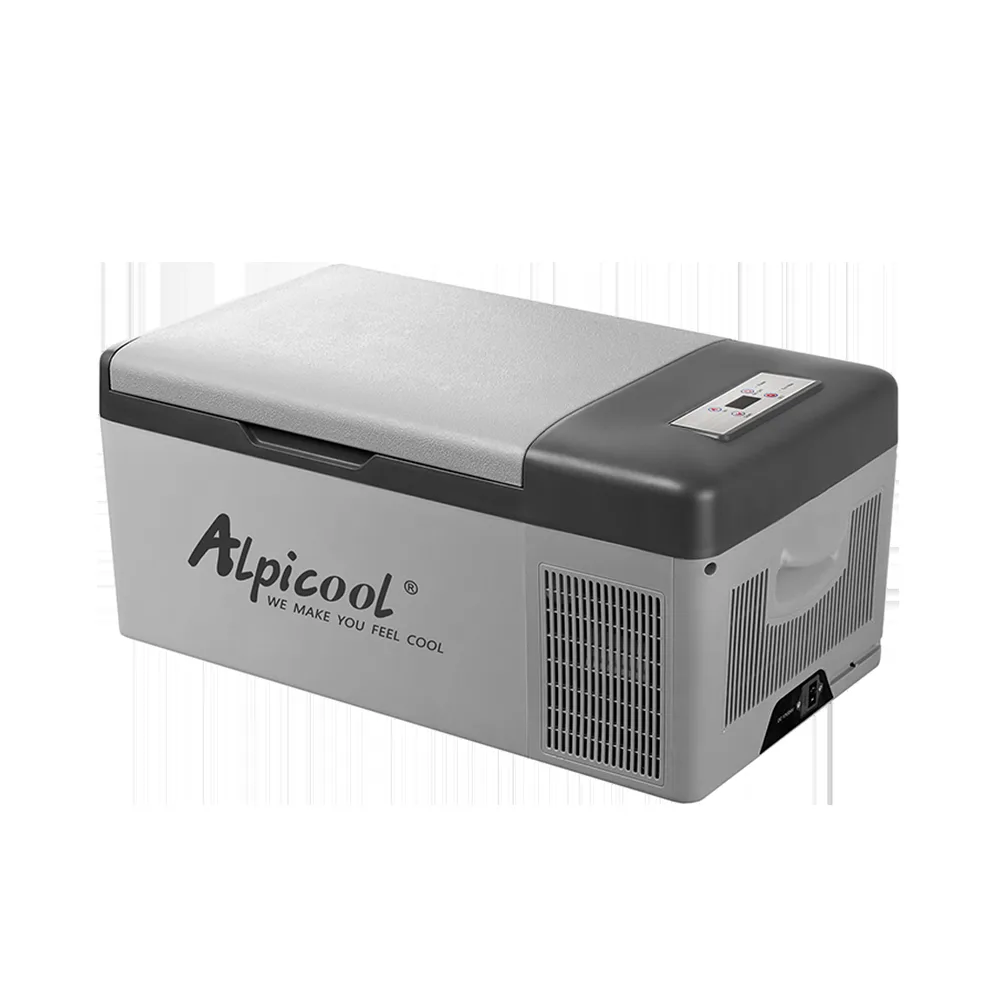
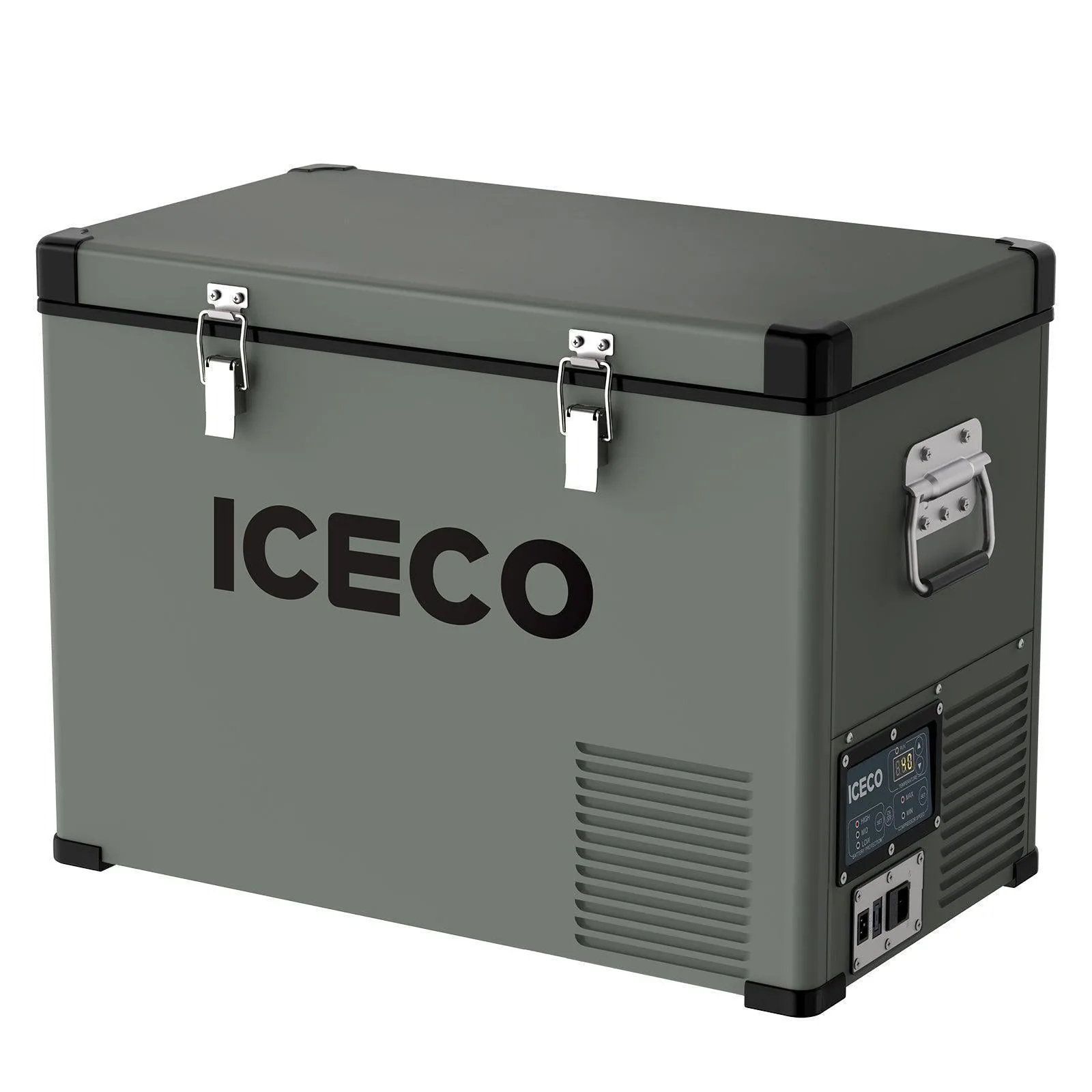
Alpicool and Iceco are two of the most-bought 12V fridge brands for a reason, and the choice between them is cleaner than most gear debates: it comes down to the compressor and what you are willing to pay for it. Alpicool builds affordable, widely available fridges - like the compact 20-liter C20 - on an LG compressor, per Alpicool and Gnomad Home. Iceco builds pricier, steel-bodied units - like the 45-liter VL45 - on a Secop (formerly Danfoss) compressor that overlanders prize, per ICECO. Same job, different grade of the one part that does the work.
My blunt take, having followed both brands closely: if this is your first 12V fridge or your budget is real, an Alpicool gives you 90 percent of the experience for meaningfully less money, and the LG compressor is more reliable than its price suggests. If you camp hard, in heat, on corrugated tracks, or you just want the quietest, most efficient cold-hold and the longest warranty, the Iceco's Secop compressor and tougher build are worth the premium. Below I take the compressor, capacity, draw, build, and features one at a time - and note up front that the C20 and VL45 are different sizes, so I compare the brands' philosophies, not just those two boxes.
The compressor: LG vs Secop, and why it's the whole argument
Everything else on a 12V fridge is a box around the compressor, so start there. Alpicool's fridges run an LG compressor - a competent, mass-produced unit that keeps food cold reliably and is the reason Alpicool can sell so cheaply, per Gnomad Home. Iceco's VL-series runs a Secop compressor, the Danish-designed unit (Secop was formerly Danfoss) that is the overlanding gold standard for efficiency, cold-hold, and tolerance of vibration and tilt, per ICECO.
What the difference actually buys you in the field:
- Efficiency and cold-hold: the Secop tends to reach and hold temperature with less duty-cycling, which trims amp-hours over a hot day.
- Vibration and tilt tolerance: the Secop is built to keep working on rough tracks and inclines - a real advantage for overlanding, less so for pavement camping.
- Longevity and warranty: Iceco backs the Secop with up to a five-year compressor warranty, a confidence the budget LG units do not usually match.
Here is the honest caveat: for a weekend car camper on decent roads, a modern LG compressor is genuinely good enough, and thousands of Alpicool owners run them for years without drama. The Secop's advantages are real but they show up most at the extremes - heat, dust, angle, and duration. Buy the compressor your conditions actually demand, not the one a forum argues about.
Capacity and size: matching the fridge to your trips
Both brands sell a wide range, so do not let my example models fool you - Alpicool spans roughly 18 to 75 liters and Iceco runs about 20 to 90, so you can match sizes across the two. The units I show here happen to differ: the Alpicool C20 is a compact 20-liter single-zone fridge, and the Iceco VL45 is a 45-liter, per Alpicool and ICECO. That is a size gap, not a brand gap, and it is worth choosing capacity deliberately.
How to size a 12V fridge for car camping:
- Solo or a long weekend (18-30L): the C20-class is enough for drinks, a couple of meals, and it fits behind a seat and sips power.
- Couple or a full week (40-55L): the VL45-class holds real groceries and a few frozen items without a resupply.
- Family or base camp (60L+): both brands go bigger, at the cost of floor space and weight.
The trap is buying too big. A larger fridge is heavier, eats cargo space you need for sleeping, and draws more to cool more air. Size to your trip length and party, and you will carry less and drain less. Our best portable fridges for car camping guide has a sizing chart for both brands.
Power draw and running it off your camp power
Every compressor fridge lives or dies by how much it pulls from your battery or power station, and here the two are close on paper and separated by efficiency in practice. Both draw roughly 45 watts while the compressor runs, per Alpicool and measured reviews, and both cycle on perhaps a third to half of the time depending on heat and how often you open the lid - so real consumption lands around 20 to 50 amp-hours a day rather than a constant 45 watts.
The Secop's edge is subtle but real: it tends to hold temperature with slightly less run time, which can shave amp-hours across a hot afternoon, and a rugged steel-bodied Iceco often carries better insulation that keeps the compressor off longer. On a bare car battery either will run for a while, but neither should be trusted overnight on a starting battery without a plan - a single night can leave you unable to crank the engine. The reliable answer for both is a portable power station or a dedicated auxiliary battery; our guide to a 12V fridge's power consumption on a road trip lays out exactly what to expect. Match either fridge's daily draw to a battery bank and you never think about it again.
To put numbers on it: figure a compact 20-liter Alpicool around 20 to 30 amp-hours on a mild day and a larger 45-liter Iceco somewhat more simply because it cools more volume, though the Secop's efficiency narrows that gap in heat. Against a 100-amp-hour LiFePO4 battery either runs several days; against a typical 50-to-60-amp-hour starter battery, only part of a night before you risk not being able to crank the engine. That is the single most important planning fact for both brands, and it has nothing to do with which one you buy - a fridge is a continuous load, and a starter battery is not built to be deeply discharged. Decide your power source first, size it to the fridge you chose, and the Alpicool-versus-Iceco question becomes purely about compressor grade and build rather than about whether you can keep either one running overnight.
Build and cooling performance in the real world
Beyond the compressor, the box itself differs in ways you feel on a trip. Iceco's VL-series wears a steel body with metal corner protection and heavy latches - it shrugs off being loaded, stacked, and bounced, and that ruggedness is part of what you pay for, per ICECO. Alpicool's fridges are typically lighter plastic-bodied units, which makes them easier to carry and cheaper to buy but less armored against abuse.
On pure cooling, both pull down fast and freeze if you ask them to - these are true compressor fridges, not thermoelectric coolers, so both reach well below freezing and hold it. The practical differences are the ones around the edges: the Iceco's insulation and steel shell hold cold a little better in heat, while the Alpicool's lighter shell is friendlier to lift in and out of a car every day. For pavement and campground camping the Alpicool's build is entirely adequate; for washboard tracks, dusty deserts, and gear piled on top, the Iceco's toughness earns its keep. Decide honestly which describes your camping before you pay for armor you may not need.
Battery protection, controls, and features
The features that keep a 12V fridge from ruining your day are similar across both brands, which is good news. Both the Alpicool and the Iceco include three-stage low-voltage battery protection - low, medium, and high cutoff settings that shut the compressor off before it drains your battery below a safe voltage, per both makers. Both offer ECO and MAX (or high) compressor modes to trade cooling speed against power draw, and both run on 12/24V DC plus AC, though the Iceco commonly accepts the wider 110-240V range for international use.
The small conveniences split predictably. Alpicool panels typically add a USB charging port and a simple, no-nonsense display, and the app-enabled models are inexpensive. Iceco leans toward sturdier controls and, on many units, Bluetooth app control with the same three-stage protection. Neither brand is missing a feature that would stop you buying it; the protection modes that actually matter - the low-voltage cutoff that saves your starter battery - are present on both, so use them. Set the cutoff appropriately for your battery type and you protect your ability to drive home, regardless of which brand you chose.
Cold-hold in the heat: the real overlanding test
The truest test of a 12V fridge is not how cold it gets on a mild day but how it behaves when the vehicle is baking. In heat, a fridge's compressor runs a larger share of the time to fight the temperature gradient, so both cooling ability and power draw are stressed at once - and this is exactly where the Alpicool and Iceco separate. The Iceco's Secop compressor is engineered for efficient, sustained cold-hold, and its steel body typically carries thicker insulation, so it cycles less and holds temperature more steadily when a black car cabin hits well over 100 degrees, per ICECO.
The Alpicool still keeps food cold in the heat - it is a real compressor fridge, not a thermoelectric cooler - but it works harder to do it, which means more run time and more amp-hours from your battery on a hot afternoon. For a shaded campground that gap is small. For a desert crossing or a summer road trip where the fridge sits in a sunlit cargo area, the Iceco's steadier hold translates into both a colder fridge and a lighter draw on your power system. A few practical moves help either brand in heat: park the fridge out of direct sun, leave an air gap around the vents, add an insulated cover, and pre-cool it on shore power before you leave. Do those and you narrow the gap - but in genuinely punishing heat, the Secop's efficiency is the advantage you paid for.
Noise, leveling, and daily living
Specs do not capture what it is like to sleep next to a fridge, so it is worth saying plainly. Both Alpicool and Iceco compressor fridges make a soft hum when the compressor cycles - quieter than a home fridge, but audible in a silent tent at 2 a.m. Neither is objectionable, and both cycle off for long stretches, but if you are a light sleeper, position the fridge a little away from your head and you will barely notice it. This is a wash between the brands; both are compressor units and behave similarly.
Leveling matters more than noise. Compressor fridges prefer to run reasonably level, and steep, sustained tilt can stress the compressor - which is where the Iceco's Secop again earns its overlanding reputation, since it tolerates the angles of rough tracks better than budget units, per ICECO. For pavement and gentle forest-road camping, an Alpicool sits level enough that this never comes up. The rest of daily living is similar across both: a drain plug to empty, a removable wire basket to organize, and a lid that doubles as a work surface. Lift-in, lift-out ease favors the lighter Alpicool; ruggedness under a pile of gear favors the steel Iceco. Match that to how your vehicle is packed and how rough your roads are.
Who each one is for
Stepping back from the specs, the two brands sort cleanly by owner. The Alpicool is the value champion and the smart first fridge: it is affordable, comes in every size, runs a reliable LG compressor, and does everything a weekend car camper needs. You give up a little ruggedness and a little cold-hold efficiency, but for pavement trips, campgrounds, and gentle forest roads you will likely never notice.
The Iceco is the buy-once, overland-grade choice. Its Secop compressor, steel body, and long warranty are aimed at people who camp in heat, drive rough tracks, and want the fridge to be the last thing they worry about over years of hard use. It costs more, and if your camping is mild, that money buys durability you may not put to work. Match the fridge to the abuse it will actually take - and see our Dometic CFX3 45 vs Iceco VL60 comparison if you are cross-shopping the premium tier against Dometic.
Which to buy: match the compressor to your conditions
Both Alpicool and Iceco make genuinely good 12V fridges that will keep your food cold and your drinks cold for years. The decision is not which brand is better in the abstract; it is which compressor and build your conditions justify paying for.
Buy an Alpicool C20 (or a larger Alpicool) if you want the best value and widest size range on a reliable LG compressor for pavement and campground camping. Buy an Iceco VL45 if you want a Secop compressor, a steel body, and a long warranty for hard overlanding.
My default for a first-time buyer or a mild-conditions car camper is the Alpicool - the value is real and the LG compressor is better than its reputation. Step up to the Iceco when heat, dust, angle, and duration are part of your normal trips, because that is exactly where the Secop compressor and tougher build turn a premium price into a better night's sleep. Whichever you choose, size it to your party, set the low-voltage cutoff, and pair it with a proper battery - do that and either brand disappears into a good trip.
One last piece of buying advice that applies to both: prioritize the right size and a good power setup over the badge on the lid. A correctly sized Alpicool on a proper battery beats an oversized Iceco you cannot keep powered, and vice versa. Get the system right, then let the compressor grade and build settle the brand. Both brands have kept campers fed for years; the worst 12V fridge is the one sized wrong or left to flatten your only battery, and neither of those is a brand problem.