
Navigating Airports and Flights with an Infant: What to Expect
Flying with a baby for the first time feels like trying to assemble IKEA furniture blindfolded in a hurricane. It's not just about the destination; it's the entire gauntlet between you and that destination. You've probably seen those panicked parents wrestling car seats and diaper bags through security, and you're wondering if you're signing up for that exact brand of chaos.
Flying with a baby for the first time feels like trying to assemble IKEA furniture blindfolded in a hurricane. It's not just about the destination; it's the entire gauntlet between you and that destination. You've probably seen those panicked parents wrestling car seats and diaper bags through security, and you're wondering if you're signing up for that exact brand of chaos.
The honest version: it's doable, but requires a different kind of planning than your pre-kid trips.Healthychildren.org explains that while it's generally safe for newborns at least 7 days old, delaying until 2 to 3 months is ideal to let their immune systems catch up. This isn't a vacation; it's a mission. What to Expect agrees that preparation is key to making it less daunting.
The Core Answer
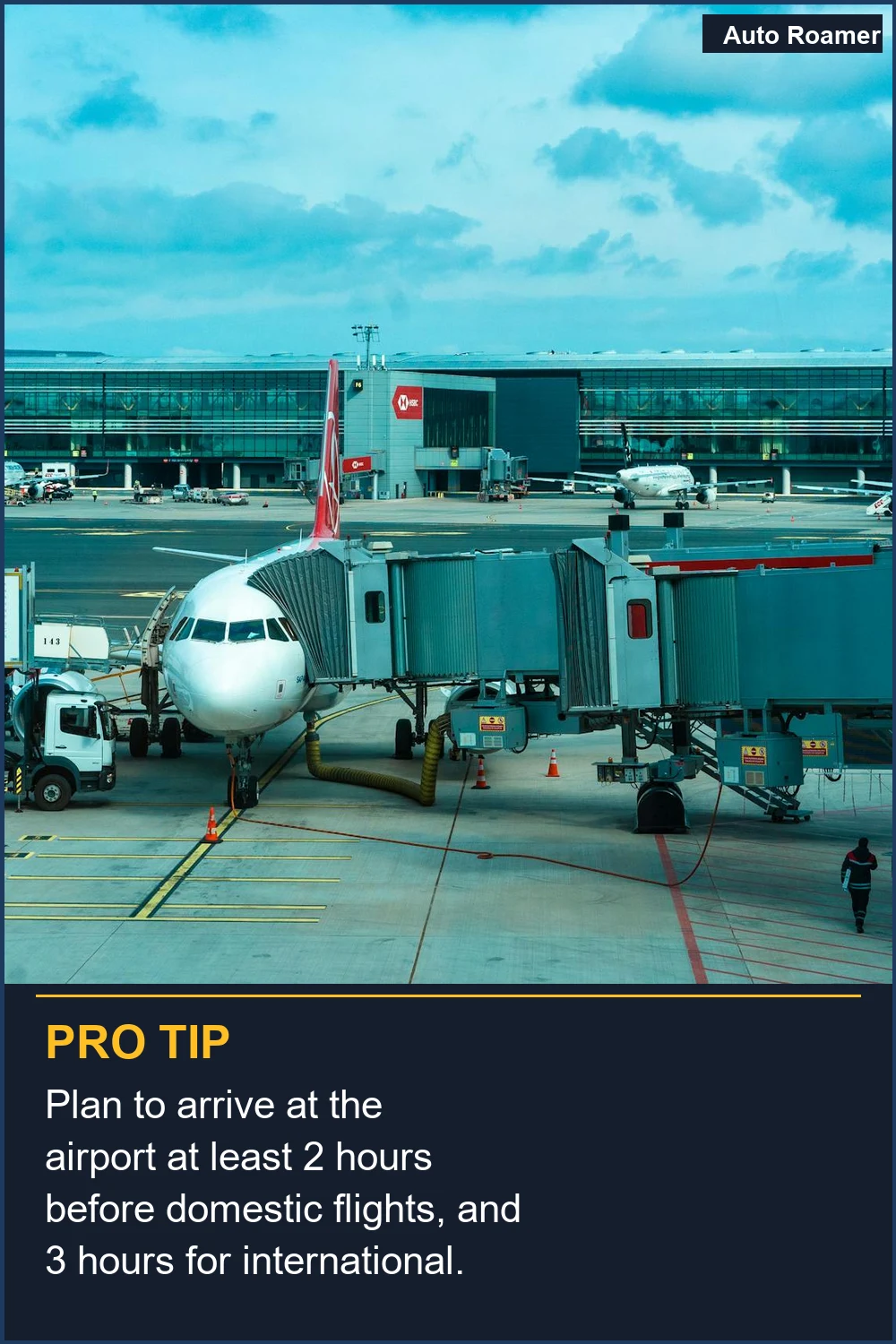
The core of flying with an infant boils down to understanding a few key things: when it's safe, how to handle the ticket situation, and how to navigate security and the plane itself. Ideally, you wait until your baby is at least 2 to 3 months old before taking to the skies, mostly to give their immune system a fighting chance against all those recycled cabin germs. Healthychildren.org emphasizes this point. For domestic flights, most airlines let you bring a baby under 2 on your lap for free or a reduced fare, but the safest bet is to buy them their own seat and use an FAA-approved car seat. That's the real move to avoid getting tossed around like a RAG doll if unexpected turbulence hits. What to Expect mentions this too. If you're going the lap-infant route, ask about using an empty seat. You might get lucky. You absolutely need to get to the airport ridiculously early - like, arrive before the sun rises early. Every minute counts when you're dealing with diaper blowouts and unexpected meltdowns. Diapers in Paradise is big on this. Security is a whole other beast. You can bring breast milk, formula, and baby food through, even if it's over the 3.4-ounce limit, but they'll likely test it. Just have it in a separate bag. On the plane, try to get your baby to suck during takeoff and landing to help with ear pressure. Think pacifier, bottle, or a good old-fashioned finger. The 5 S's, if you're familiar with Dr. Harvey Karp, can be a lifesaver in a confined space. Happiest Baby talks about this. Don't pack light on diapers or changes of clothes for yourself and the baby; trust me, you'll want that extra outfit when things go sideways. Lillebaby highlights this too. Spinner toys that stick to the window are surprisingly effective for keeping them occupied. Reddit has some gems like this.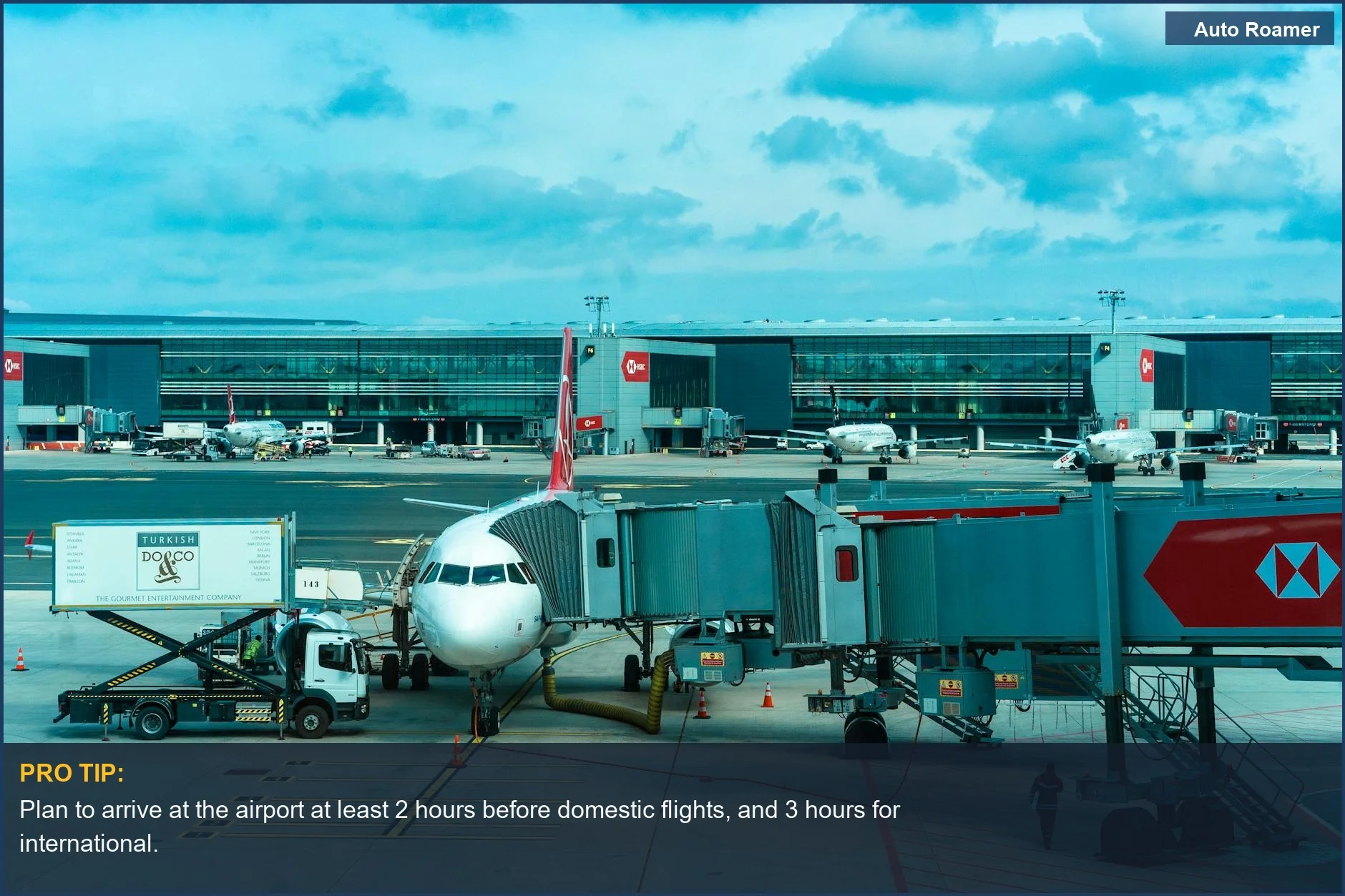
Why This Matters for Your Setup
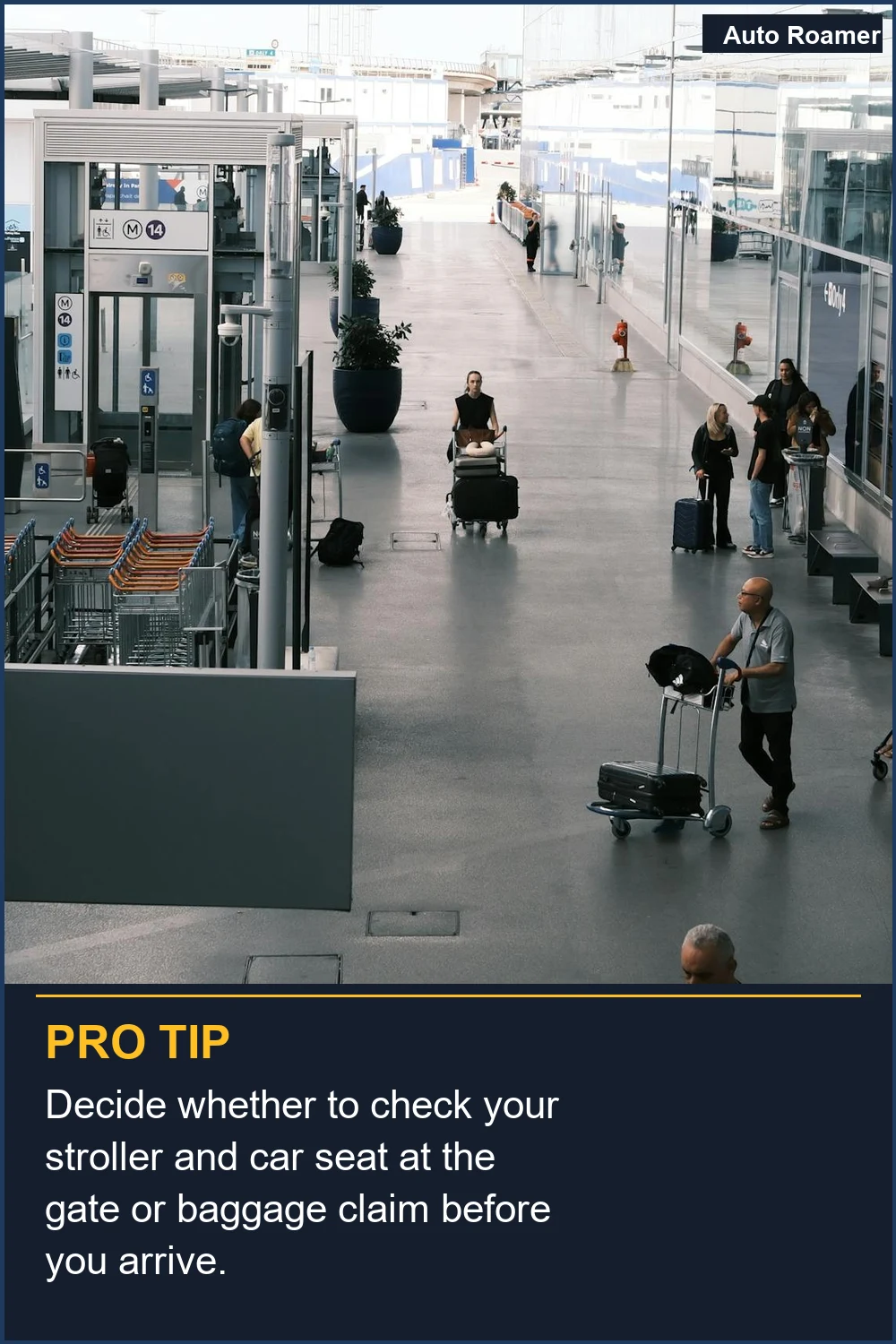
Why this matters for your setup is simple: unpreparedness leads to misery. You need to decide if you're going to check your stroller and car seat at the gate or at baggage claim. Checking at the gate means you have it with you until you board, which is a lifesaver if you have a long walk to your terminal. Packupgo suggests this is often the primary choice. However, it also means you're responsible for it through more of the airport. Checking it at the main counter means one less thing to wrangle, but you're without it until baggage claim at your destination. My rookie mistake was assuming I could just carry everything. Spoiler alert: I couldn't. Having a designated carrier like a baby wrap or a good carrier that allows hands-free operation is crucial. Think about what you can comfortably manage while also pushing a stroller or carrying a diaper bag. This is where the 'game-time' decisions happen, and you want to have options, not regrets. You'll also want to have essential diapering supplies, a change of clothes for everyone, and maybe a few small, quiet toys in your carry-on. Don't pack those in checked luggage. Seriously. You'll thank me later when a spill happens at 30,000 feet. Lillebaby backs this up.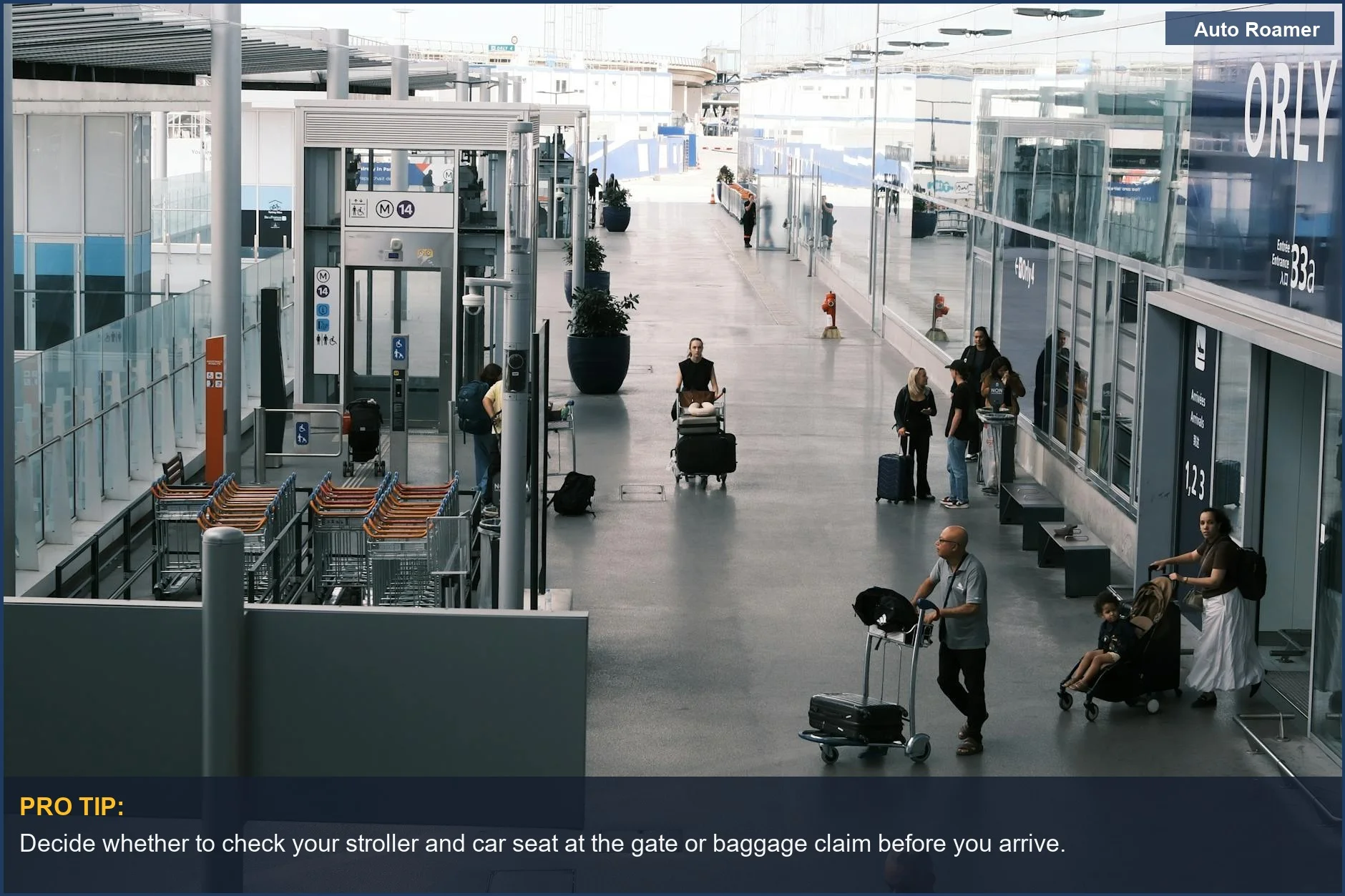
Making the Right Choice
Making the right choice here is about minimizing stress and maximizing sanity. You're not trying to win any awards for speed; you're trying to get from Point A to Point B with your sanity mostly intact. Consider that lap infants are generally allowed on domestic flights without a ticket, but they still need to be added to your reservation. What to Expect clarifies this. If you can swing it, buying a seat and using a car seat is the safest option, especially for longer flights. The FAA-approved restraints are key for your child's safety during flight. Healthychildren.org is clear on this. Don't be afraid to ask airline staff for help; they've seen it all. Most importantly, remember that this is a temporary phase. Your baby will eventually be able to entertain themselves, and you'll be back to enjoying airport lounges. For now, it's about survival and making it through.
Frequently Asked Questions
I see you mention buying a car seat for the plane is the safest, but those things cost a fortune. Is there a cheaper way to get a certified car seat for flying, or should I just plan on gate-checking my regular one?
Do I really need to bring a special baby carrier for security, or can I just unbuckle my baby and hand them over like a package?
What if my baby absolutely loses it on the plane and I can't calm them down, no matter what I do?
Can constantly flying with a baby on my lap damage their developing ears or lungs?
I heard you can't bring any liquids through security if you're flying with a baby, is that true?
🏅 Looking for Gear Recommendations?
Check out our tested gear guides for products that work with this setup:
Sources
- fec9773e-77e3-490f-b867-35ee35422071
- Tell me all the lessons you've learned flying with an infant. What ...
- Airport Security with a Baby: What to Expect and How to Survive
- Flying With Baby: Parent FAQs & Tips for Safer, Easier Air Travel
- How to Navigate the Airport With a Baby or Toddler - LÍLLÉbaby
- 8 Tips That'll Take the Stress Out of Flying With a Baby
- Flying With a Baby — Tips for Traveling With an Infant
- Flying with a Baby: Tips for Before and During Your Flight