
Is It Safe to Travel With an Infant? Essential Safety Tips
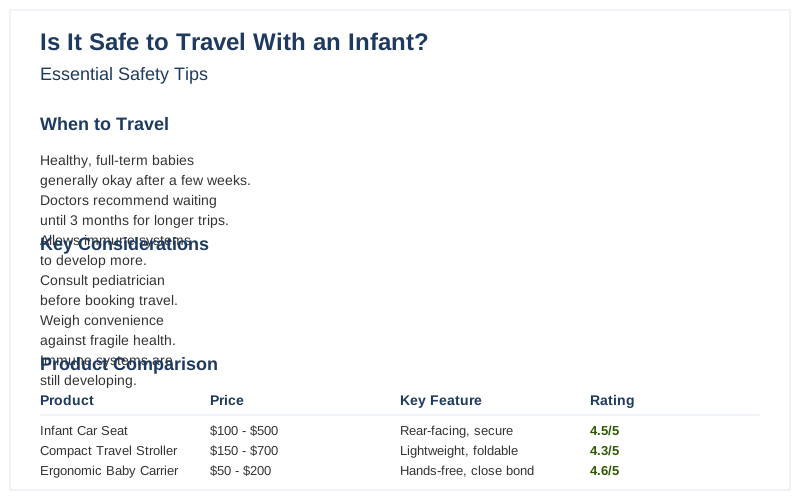
Traveling with a newborn means stepping into a whole new level of planning, and the biggest question on your mind is probably: 'Is this even safe?' It's not about whether you *can* take your baby somewhere, but how to do it without turning into a nervous wreck or, worse, risking their health.
Traveling with a newborn means stepping into a whole new level of planning, and the biggest question on your mind is probably: 'Is this even safe?' It's not about whether you can take your baby somewhere, but how to do it without turning into a nervous wreck or, worse, risking their health.
Think of it like packing for your first car camping trip with a foam pad from Walmart - you learn what's essential the hard way, and with an infant, the stakes are a lot higher. The real move is to understand the general guidelines and then talk to your pediatrician before booking anything. They've seen it all, and their advice is worth more than any fancy travel stroller.
Mayo Clinic says most healthy, full-term babies are generally okay to travel after a few weeks, but doctors often recommend waiting until they're closer to 3 months old for longer trips. Scripps Health backs this up, pointing out that their immune systems are still developing and you don't want to expose them to unnecessary risks. It's about weighing convenience against their fragile health, and that's a conversation you need to have with the experts.
The Core Answer
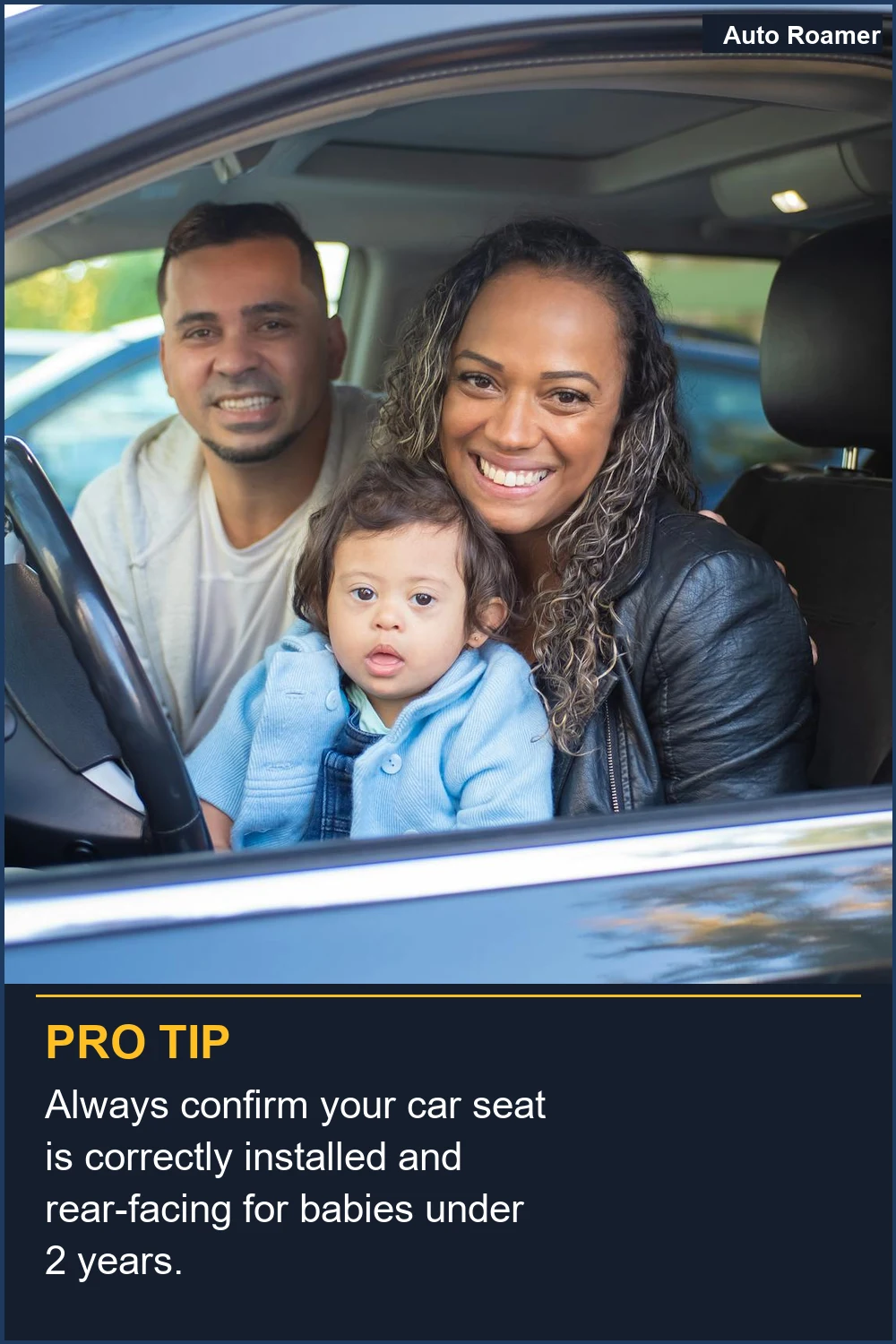
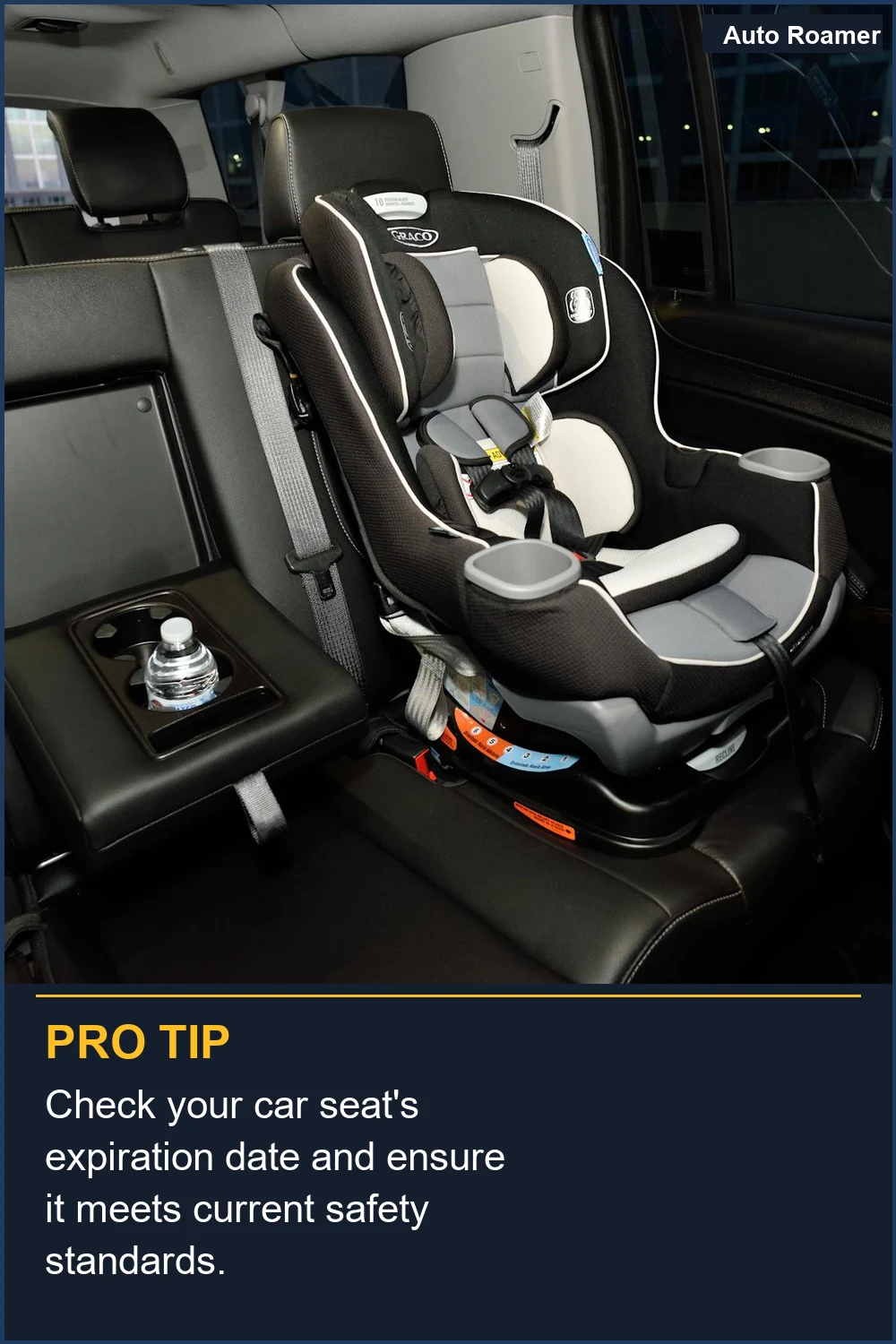
The honest version? Most healthy, full-term babies can travel after the first few weeks, but doctors usually recommend waiting until they're at least 3 months old for longer journeys. Scripps Health points out that this allows their immune systems to develop a bit more, making them more resistant to infections. Think of it like your first car camping trip - you wouldn't take a newborn out in freezing temperatures without a proper sleeping bag, right? Same principle applies here. Mayo Clinic notes that air travel is typically safe for most healthy infants, but premature babies might have issues with oxygen level changes. So, a healthy, full-term baby? Generally okay after a bit of adjustment time. Premature or sickly baby? You're looking at a longer waiting period, and definitely a chat with your pediatrician. The CDC's Yellow Book highlights that kids can face similar travel risks to adults, like diarrhea and respiratory issues, so preparation is key. This isn't about avoiding travel altogether, it's about being smart. Your pediatrician is your game-time coach here; they can assess your baby's specific health and give you the green light or advise you to hold off. They might also have specific advice for your destination, like whether certain vaccinations are recommended for international travel. The CDC also emphasizes that motor vehicle injuries are a major concern for child travelers, so if you're driving, that car seat needs to be installed perfectly. Remember my rookie mistake of not checking the car seat installation manual for my first kid? Yeah, don't do that. It's not rocket science, but it does require attention to detail. Reddit parents often share horror stories about travel, but also gems of wisdom. One recurring theme: plane travel can actually be safer than driving, statistically, for very young infants, which is counterintuitive but makes sense when you think about controlled environments versus roads. It's a wild thought, but something to consider.Ultimately, the 'when' is less important than the 'how' - and the 'how' always starts with your doctor.
Why This Matters for Your Setup
Okay, so why does any of this matter when you're just trying to get from Point A to Point B? Because if you rush it, you're setting yourself up for a miserable trip and potentially putting your baby at risk. The TSA has specific rules about baby food and liquids - you don't need to fit your breast milk in a quart-sized bag, which is a lifesaver. My first trip, I tried to cram everything into those tiny bags and ended up looking like I was smuggling contraband. Rookie mistake. They actually consider these medically necessary liquids. Also, car seats. If you're flying and planning to use your car seat on the plane, make sure it's approved for air travel. Kaiser Permanente recommends bringing a stroller that also includes a car seat if possible, so you can wheel your baby right to the gate. That's the kind of practical, real-world advice that saves you sanity. Holiday travel with a newborn is especially tricky, so packing wisely is paramount. Think extra diapers, wipes, and a change of clothes for everyone. NPR reported that nearly 40% of parents surveyed said extra diapers and changes of clothes were absolute must-haves. It's the $50 version of preparedness: skip the fancy gadgets, focus on the essentials.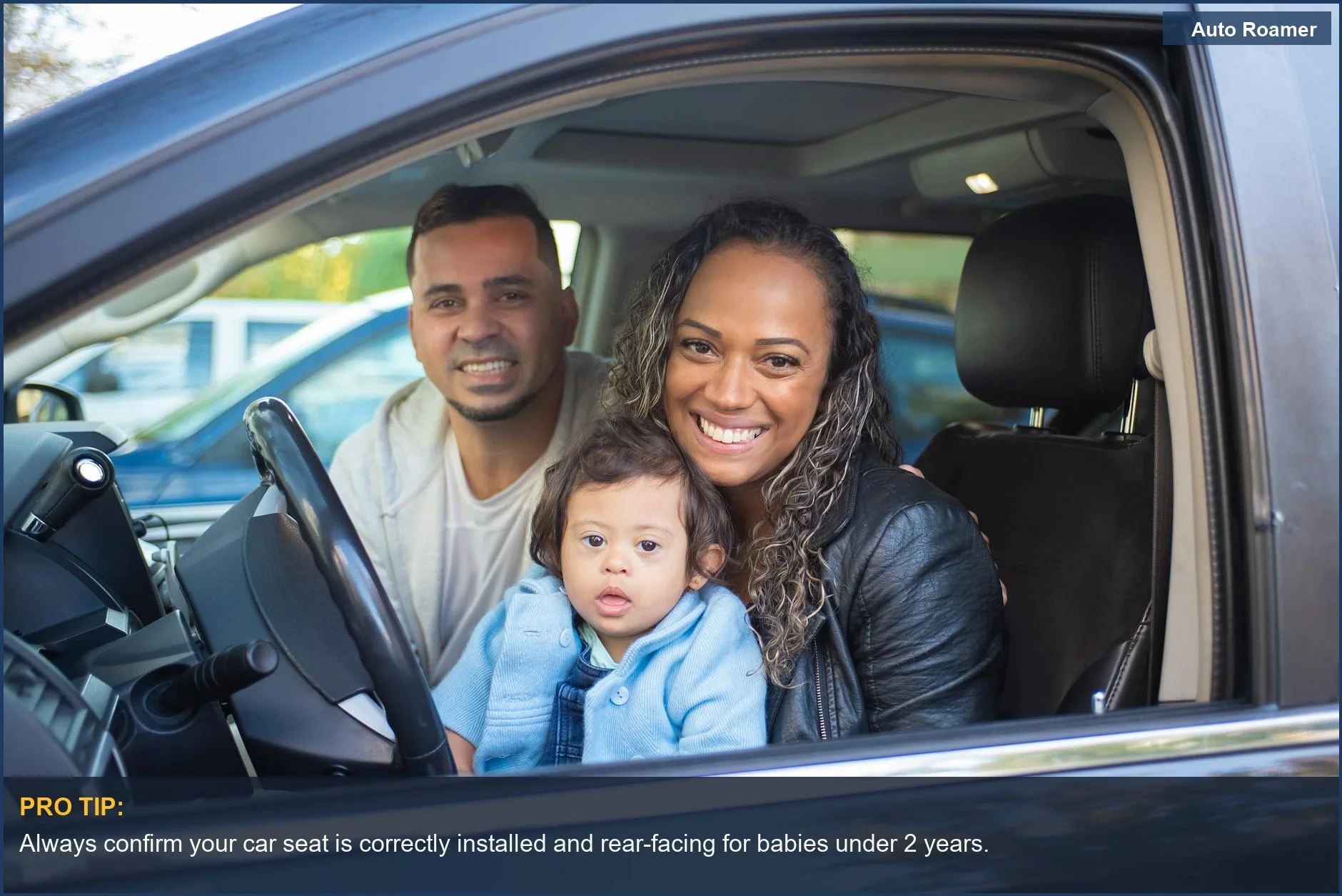
Making the Right Choice
Ultimately, traveling with your infant is a decision that needs careful consideration, not just a whim. It's about understanding your baby's specific needs and consulting with the professionals who know them best. Scripps Health reminds us that a pediatrician's advice is the starting point. Don't just guess. Your baby's immune system is still building itself, and exposing them to potential illnesses during long trips isn't worth the risk, especially in those first few months. Mayo Clinic agrees that for healthy, full-term babies, travel is usually safe after a few weeks, but the 3-month mark is often the sweet spot for longer journeys. Think of it like planning a challenging hike; you wouldn't attempt it without proper training and gear. This is your baby's 'training period' for the world. Parental advice often boils down to being overprepared with essentials like diapers and changes of clothes, and staying flexible. Babies are unpredictable, so a relaxed mindset is key. It's not about avoiding travel, it's about making informed decisions for your child's safety and well-being.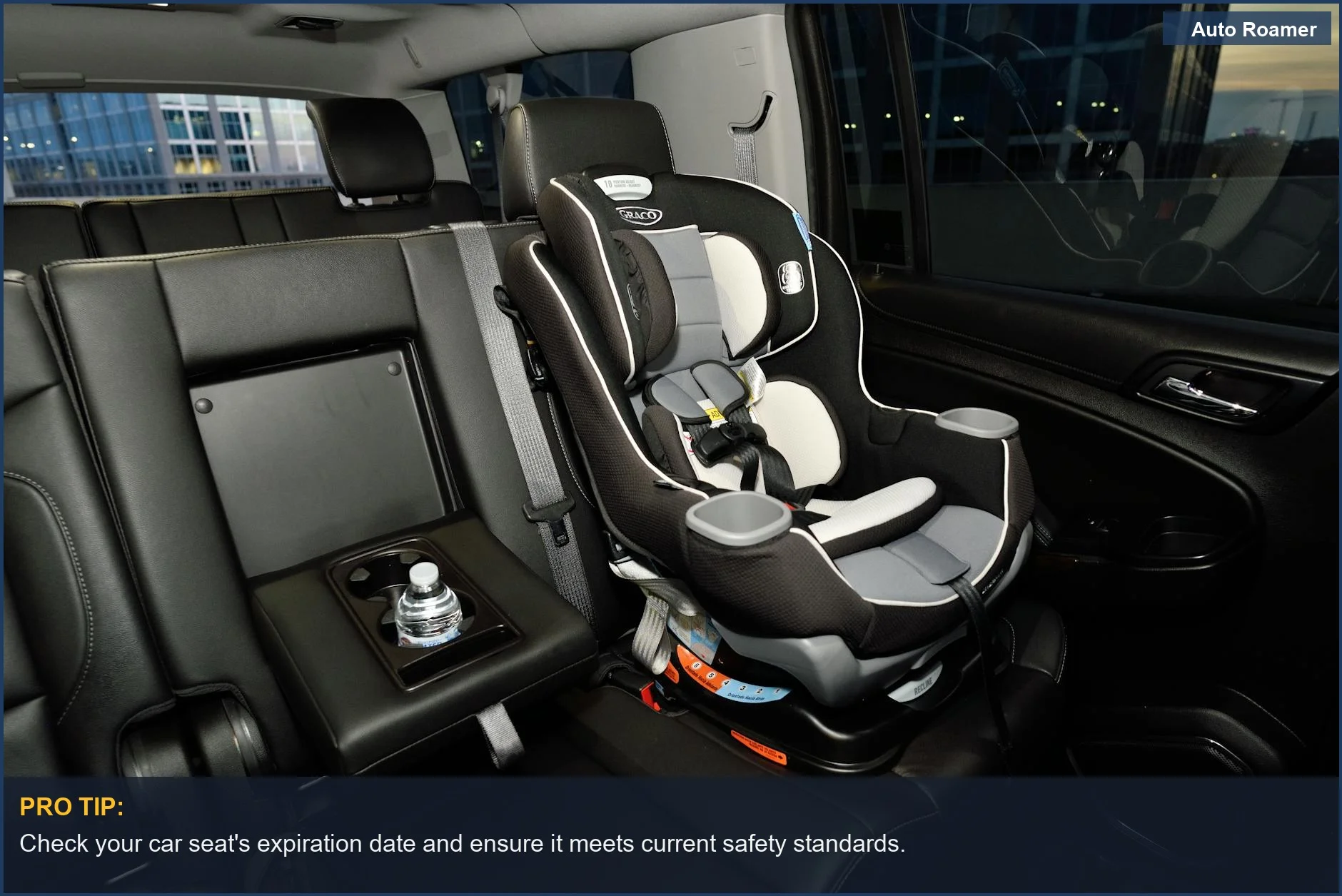
Frequently Asked Questions
Okay, so if I *do* decide to fly with my 2-month-old, and the doctor says it's okay, what's the actual cost difference between buying a plane ticket for them versus just holding them on my lap?
Do I really need to pack a special travel crib, or can I just, like, ask the hotel if they have one? I don't want to haul extra gear if I don't have to.
What if my baby freaks out and screams the entire flight? I'm going to be so embarrassed, and everyone will hate me. Is there a way to prevent that?
Can traveling frequently with a very young infant permanently damage their immune system or make them more susceptible to illness down the line?
I heard that babies under 6 months can't get sunburned. Is that true?
🏅 Looking for Gear Recommendations?
Check out our tested gear guides for products that work with this setup:
Sources
- Traveling with Children | Transportation Security Administration
- Traveling With an Infant or Toddler: Care Instructions
- Newborn Traveling Tips During Holiday and Guide for Parents
- Traveling Safely with Infants and Children | Yellow Book - CDC
- 29 parent-approved tips on traveling with babies and toddlers - NPR
- Air travel with infant: Is it safe? - Mayo Clinic
- Tell me all the lessons you've learned flying with an infant ... - Reddit
- Is It Safe to Travel with a Newborn? - Scripps Health