The short version
The 2025 Chevrolet Traverse is one of the more natural three-row SUVs to camp out of, and the reason is its 2024 redesign: Chevrolet walked the Traverse away from the rounded crossover it had become and gave it a boxier, more upright body with a squared-off cargo area. That boxiness is exactly what you want when the cargo box becomes a bedroom. Fold both rear rows and you open roughly seven to seven and a half feet of flat floor — enough for two adults to lie flat with no diagonal contortion, and among the most generous in the mainstream class.
This guide walks the Traverse aspect by aspect: the real cargo numbers with the seats down, how owners build a flat bed across the seatback seams, where the gear goes so the bed stays clear, how to keep the air moving and the glass dry overnight, how to run a fridge off-grid without killing the starter battery, and what the Z71 trim genuinely adds for reaching better sites. It leans on published reviews from Car and Driver and Consumer Reports and on owner reports from the Traverse forums — not on a pretend test drive I didn't take.
The hard numbers: dimensions, cargo and space
With the third and second rows folded, owners measure about seven to seven and a half feet of floor from the tailgate to the front seatbacks. That's the number that matters most: it's the difference between sleeping flat and sleeping curled, and it's where the Traverse beats most of the class. Two adults fit without sleeping diagonally, with room for bins along the wheel wells and a duffel or two at the foot.
Chevrolet quotes roughly 98 cubic feet of cargo volume with all the rear seats folded — near the top of the mainstream three-row SUVs — and the 2024 redesign's upright roofline gives more usable vertical room to sit up and change clothes than the swoopy model it replaced. The load floor is wide and fairly flat. The catch, as with every SUV, is that the folded floor isn't perfectly level: the third-row seatbacks leave a step, and there's a gentle slope toward the front. Every good Traverse sleeping setup is really a story about closing that gap.
One Traverse-specific note: the second-row configuration changes the bed. The bench gives a flatter, continuous folded floor; the available captain's chairs leave a center channel you have to bridge. The third-row release and second-row fold also sit at slightly different heights, so a thin foam topper or folded blanket across the seam pays off. Measure your specific trim's folded length and second-row layout before buying a platform — the difference between bench and captain's chairs changes how you build the bed.
Sleeping setups: mattress and platform options
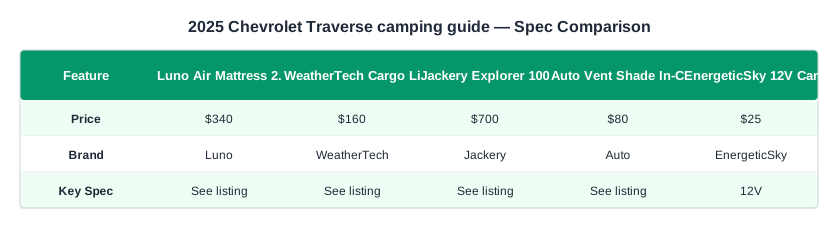
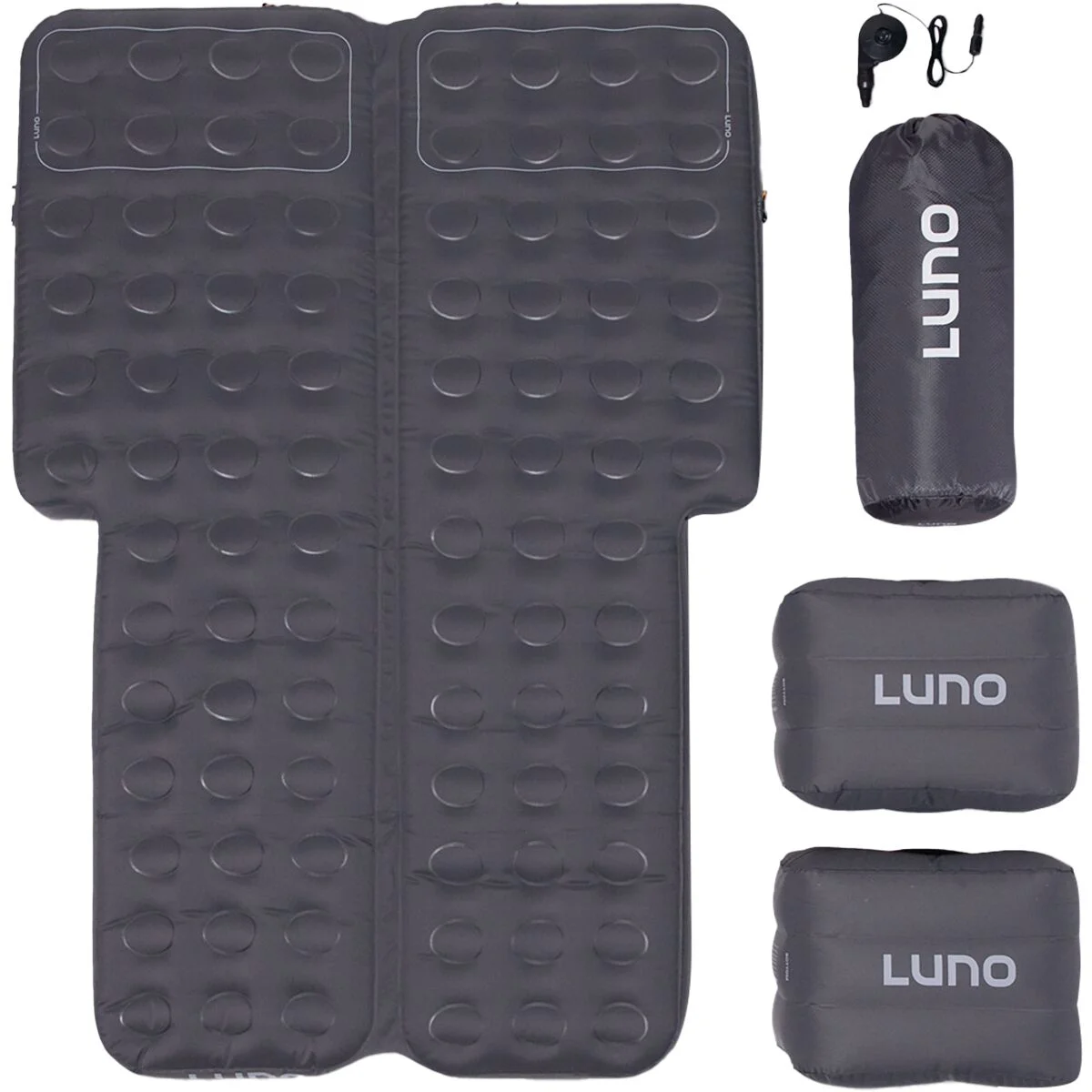
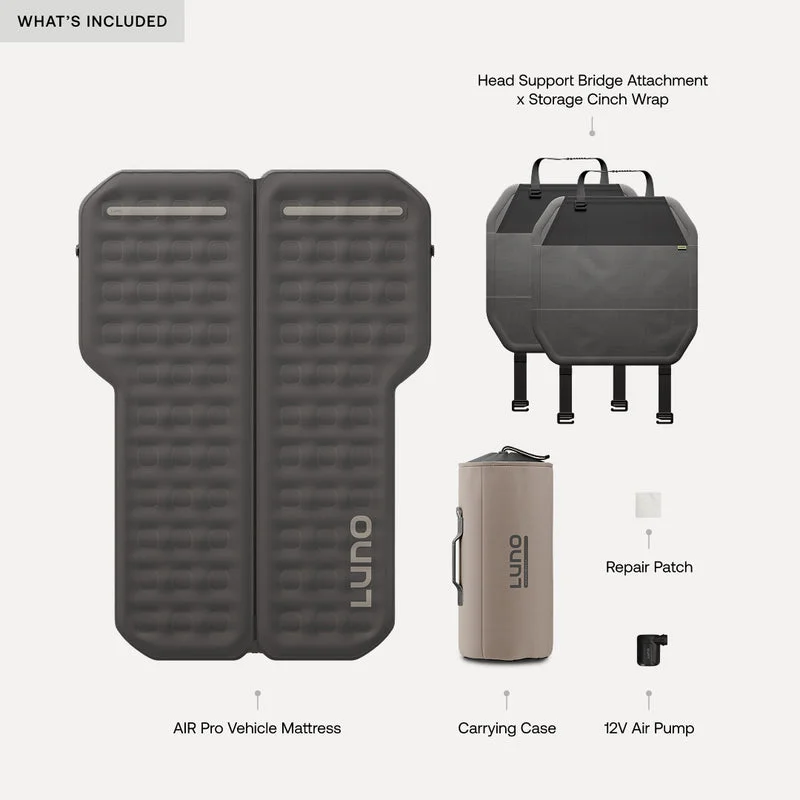
Two approaches dominate, and the right one depends on how often you camp. The simplest is a fold-flat SUV air mattress shaped for the cargo floor — the Luno Air Mattress is the one three-row SUV owners cite most because it bridges the seatback steps and fills the footwell, turning the uneven folded floor into a flat bed for two in about a minute, then deflating into a stuff sack so the cargo area is normal by day. It's the no-commitment option: nothing is permanent, and the Traverse is a daily family SUV again on Monday.
The other route is a plywood platform with foam on top, built so the space underneath becomes drawers or bins. It's more work and semi-permanent, but flatter, stronger for storage, and the choice for people who camp out of the Traverse often. The Traverse's seven-plus feet of length makes a platform genuinely comfortable — you're not trimming inches to make an adult fit, and there's real height underneath for a slide-out kitchen or gear drawers.
Whichever route you take, level first and decorate second: get the surface flat across the third-row seam (and the captain's-chairs center channel if you have them), then add a fitted sheet and a real pillow. Those cost almost nothing and transform the experience versus wrestling a sleeping bag on bare vinyl. Solo campers can skip the air mattress entirely and run a thick self-inflating pad down the floor; the Traverse's length leaves plenty of margin for one person to spread out with gear alongside.
Storage and gear organization
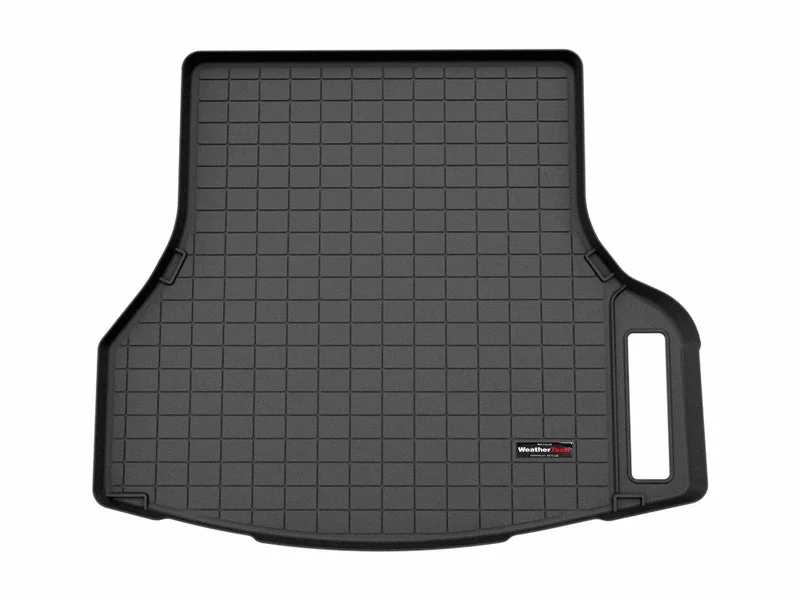
The trick to living in a vehicle is keeping the bed clear at night and the gear reachable by day, and that's purely a storage problem. A platform build solves it elegantly with under-bed drawers you pull from the tailgate. On the air-mattress route, owners use collapsible cargo bins or a trunk organizer that slide to the footwells and the front seats at night, then move back to center when you're driving. A laser-measured liner like the WeatherTech Cargo Liner earns its keep here — a camping cargo area gets muddy and wet, and a rubber liner you can hose off saves the carpet for resale day.
A few habits make the Traverse feel twice as organized. Use soft duffels, not hard cases — they squash into the footwells and wheel-well gaps that rigid bins waste. Hang a net or a hanging shoe organizer from a rear grab handle for the small stuff that always migrates into the bed: headlamp, charger, phone, glasses. And keep a dedicated 'night bag' (light, water, a layer, earplugs) within arm's reach so you're not digging through bins at 2 a.m.
The Traverse has genuinely good native storage to exploit. There's a large center console, deep door pockets, and the available under-floor cargo well in back, which is the natural home for the recovery strap, jumper pack and tools you want aboard but never need at night. Pack the heavy bins low and forward, over the rear axle, so the loaded SUV stays settled on washboard forest roads rather than wallowing.
Power and charging options
The Traverse gives you 12V sockets and USB ports throughout, and some trims add a 120V household-style outlet. That outlet is genuinely handy — but read the fine print, because it's typically a low-wattage outlet intended for charging laptops and small electronics, not for running a compressor fridge for a weekend. Treat it as a convenience, not your power plan.
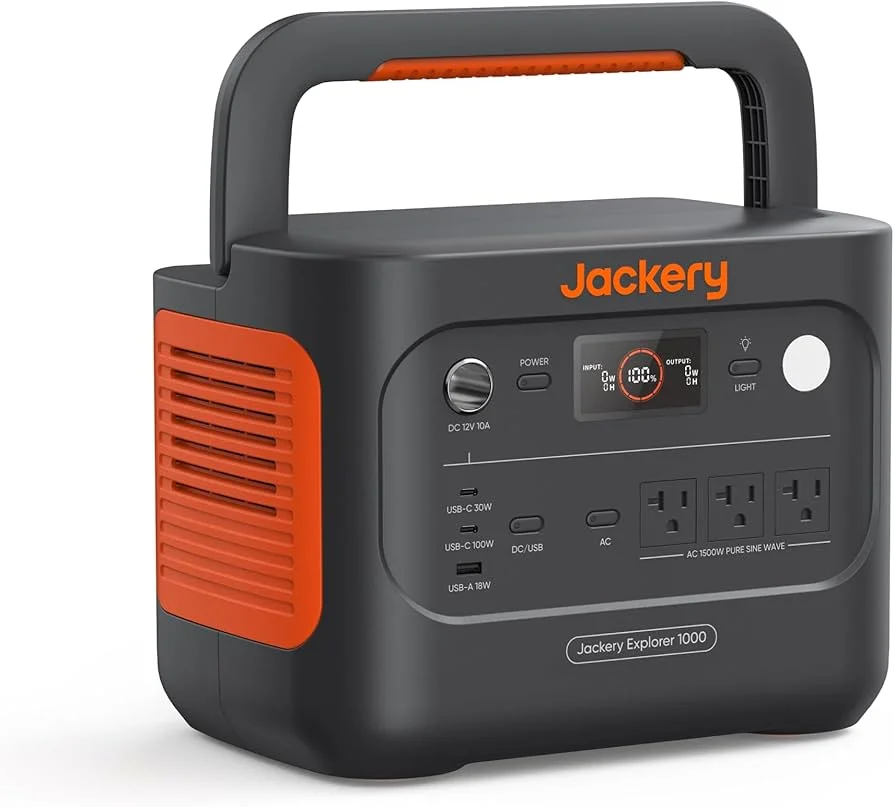
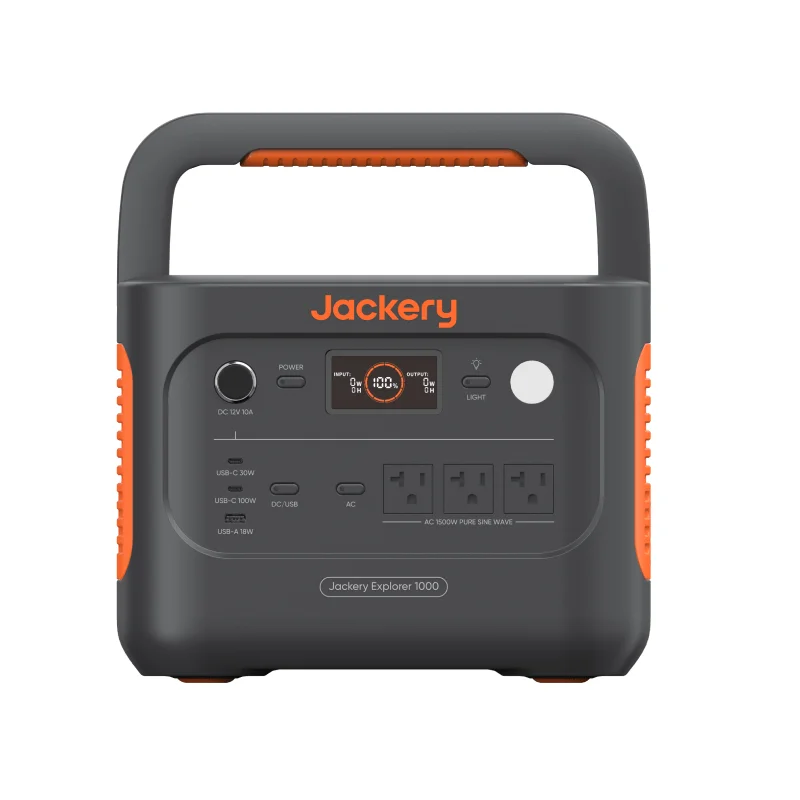
For a 12V compressor fridge or a laptop you work from, the right tool is a dedicated 500–1000Wh LiFePO4 portable power station that recharges from the car while you drive or from a folding solar panel at camp. A unit like the Jackery Explorer 1000 v2 Portable Power Station is a common owner pick because it runs a small fridge overnight and charges every device you own, all without touching the starter battery. Size the station to the load: a 500Wh unit handles lights, fans and phones for a weekend; a fridge that cycles all night wants 1000Wh or a way to recharge mid-trip.
Whichever path you're on, the golden rule of car camping is to keep heavy camp loads OFF the 12V starter battery so the car always cranks in the morning. A dead starter battery at a remote trailhead turns a great trip into a recovery call and a long wait. Run your lights, fans and fridge off the power station, charge the station while you drive between camps, and you'll never have to choose between a cold drink and a working ignition.
Ventilation and condensation control
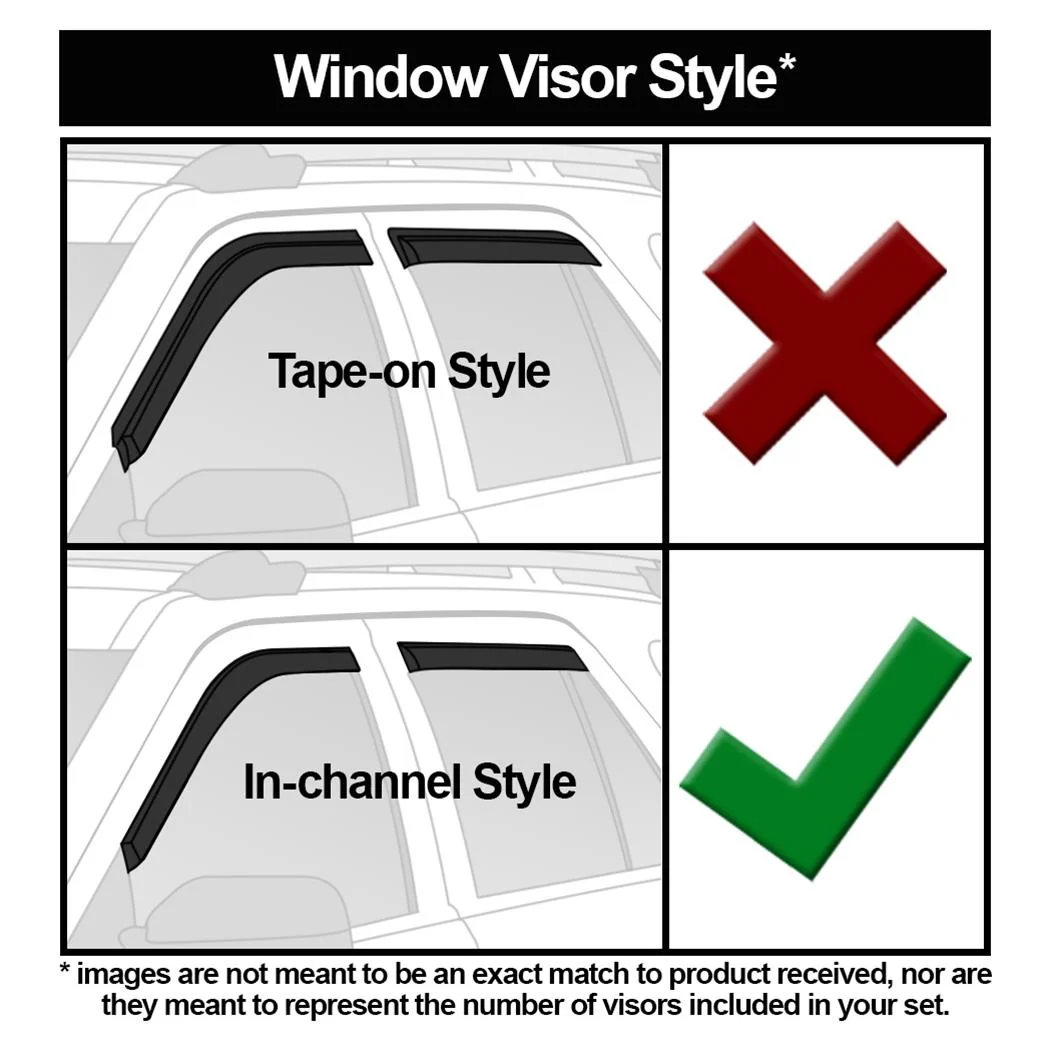
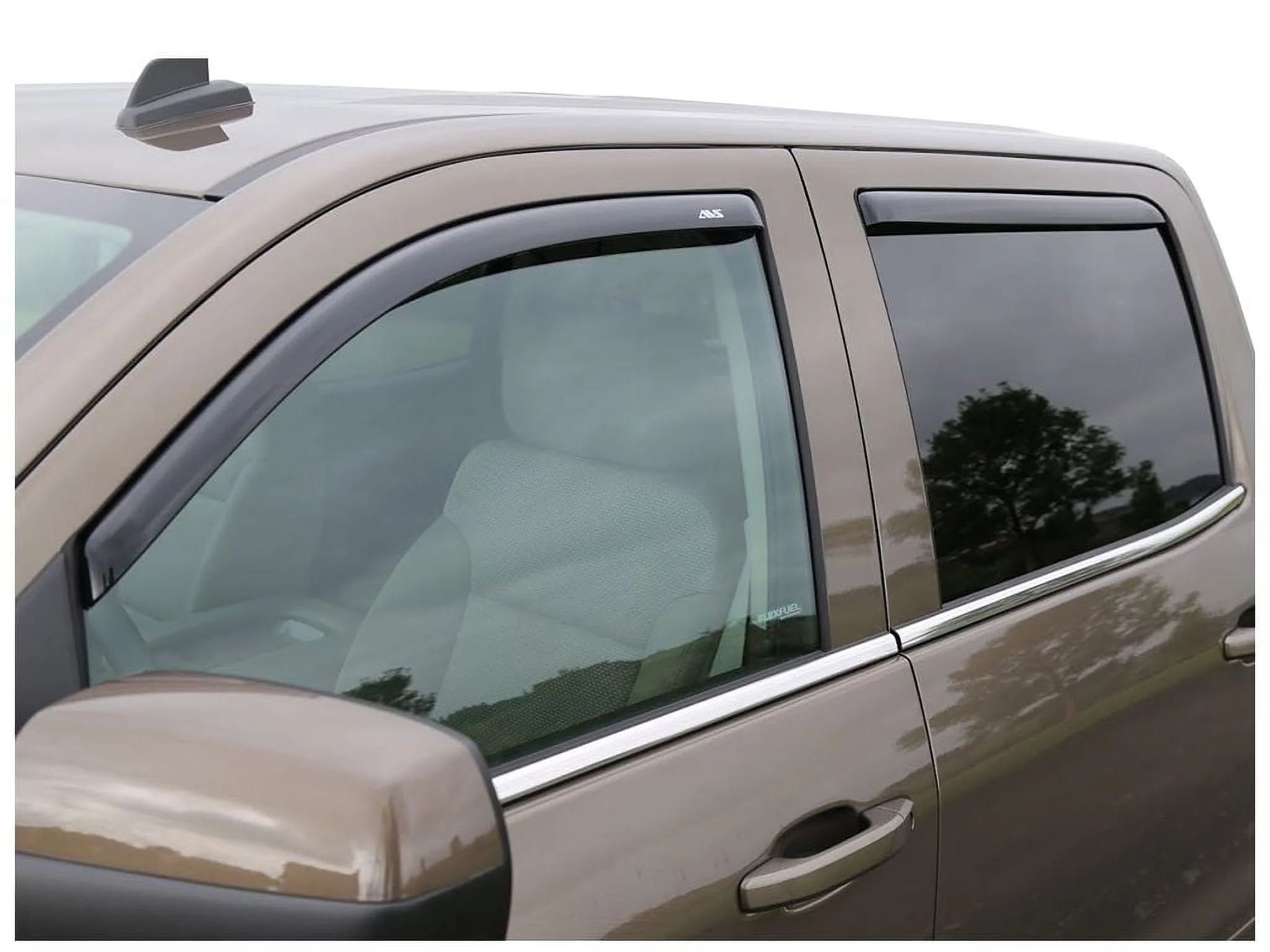
This is the part first-timers skip and regret on the very first cold morning. Two adults breathing for eight hours in a sealed SUV exhale enough moisture to fog every window and leave the bedding genuinely damp. The fix is cross-ventilation: crack two windows on opposite sides of the vehicle so air actually moves through rather than stagnating. In rain, in-channel window visors like the Auto Vent Shade In-Channel Window Visors let you leave the glass open an inch without water coming in — the single most effective condensation fix for the money.
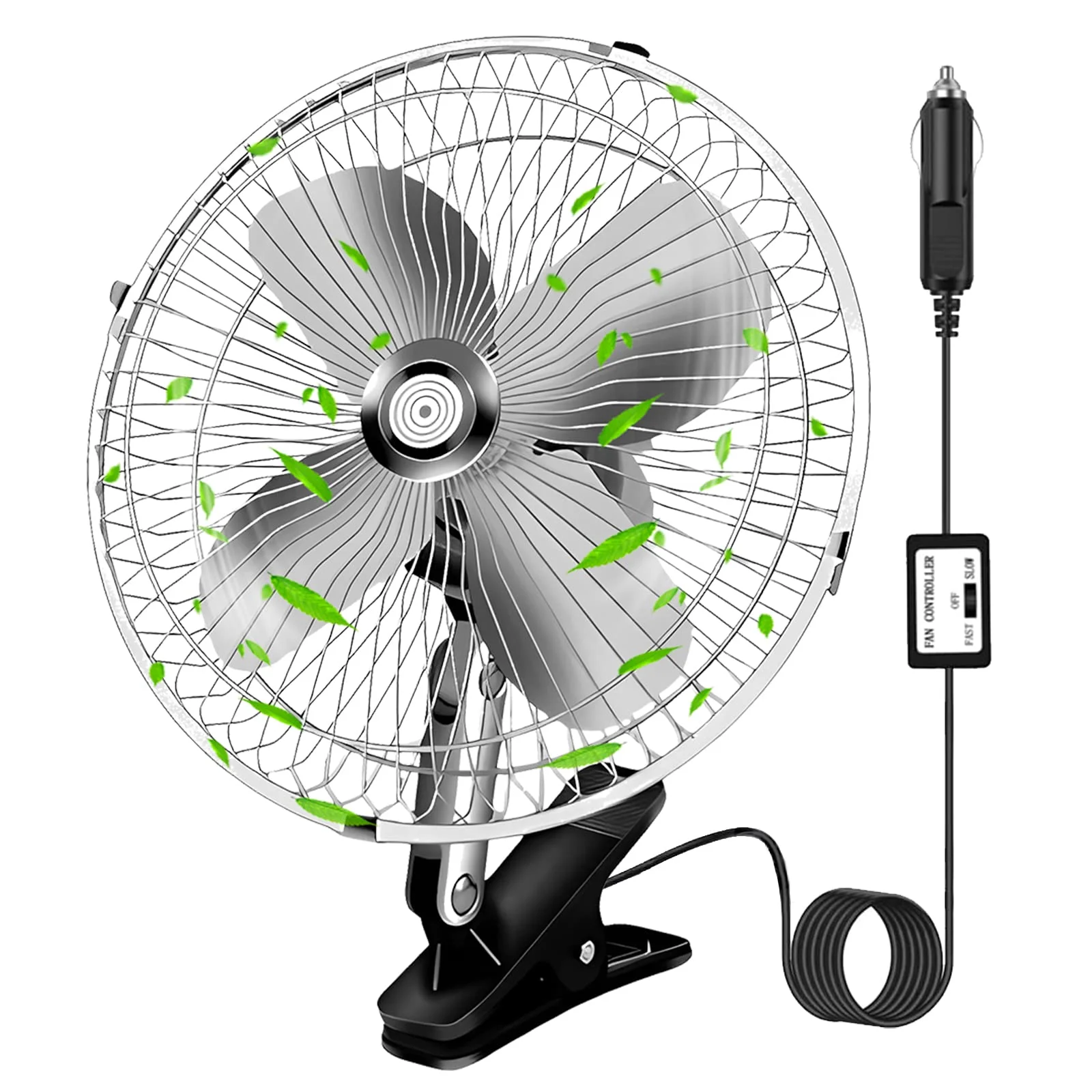
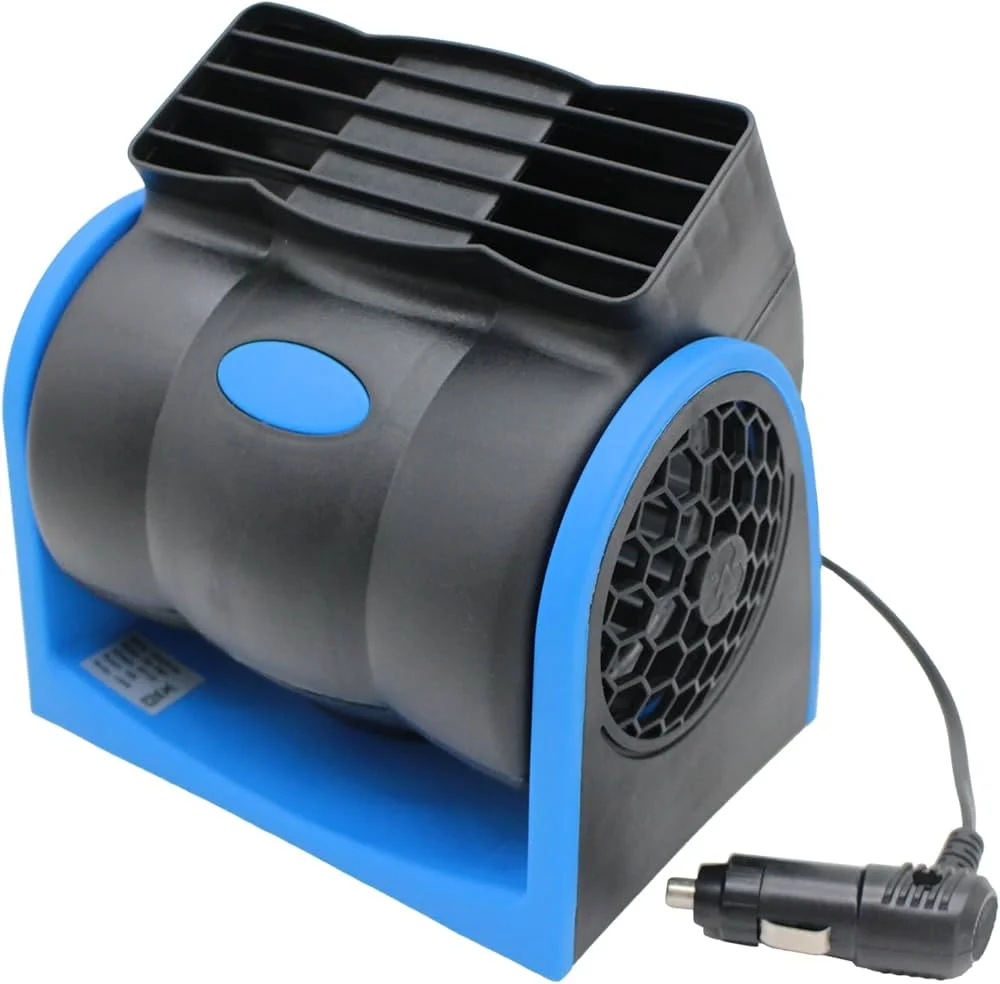
Add a small clip-on 12V fan like the EnergeticSky 12V Car Fan to push air across the cabin and you go from clammy to dry, and bug screens cut to the window openings keep the airflow honest in summer without inviting mosquitoes. The Traverse's large cabin volume genuinely helps here — there's more air to buffer two sleepers before it saturates — but ventilation is still non-negotiable, not optional.
On cold, still nights, when condensation is worst, run the small fan continuously on its lowest setting and wipe the inside of the glass before you sleep; a dry start beats fighting fog at 3 a.m. A moisture-absorber tub tucked under a seat pulls the worst of the damp out of a sealed cabin overnight, and a reflective windshield sunshade slows the heat loss through the Traverse's big front glass that drives a lot of that condensation in the first place.
Climate: staying comfortable hot and cold
The Traverse's glass area is a double-edged sword for camping. In summer it turns the cabin into a greenhouse if you're parked in the open, and in winter it bleeds heat fast on a cold night. Managing temperature is mostly about managing that glass. A full set of reflective window covers — store-bought magnetic panels or cut Reflectix — does more for comfort in both seasons than almost anything else: it keeps the afternoon sun out and traps your body heat in after dark.
In hot weather, park in shade, pop the visors for cross-flow, and run the 12V fan; a battery-powered fan aimed at the bed makes a sticky night survivable. Avoid idling the engine for the air conditioning while you sleep — it's a carbon-monoxide and dead-battery risk, and it's loud. In cold weather, the move is insulation, not heat: a four-season sleeping bag or a good quilt plus a closed-cell pad under your mattress (the cold comes up through the floor) keeps you warm down to freezing without any powered heater. Never run an unvented fuel heater inside the cabin.
Off-road and access: where the Traverse can and can't go
The all-wheel-drive Traverse handles exactly the access most car camping needs: gravel forest roads, packed dirt, muddy campsite entrances, light farm tracks and snowy lots. The Z71 trim is the camping standout — Chevrolet gave it all-terrain tires, a modest suspension lift, a twin-clutch AWD system that can send torque across the rear axle, unique underbody skid protection and a Terrain drive mode. That package genuinely widens the campsites you can reach: rutted two-track and slick boat-ramp entrances that stop a base crossover are within reach for the Z71.
Be honest about the limits, though. It's still a unibody three-row crossover, not a body-on-frame rock-crawler — deep ruts, boulder fields and serious technical trails are out, and the Traverse's long wheelbase makes tight turnarounds and steep break-over terrain harder than in a short SUV. For the gravel-snow-and-mud reality of most dispersed car camping, though, the Z71 reaches places the base trims and most rivals won't, and gets the whole family home reliably — which, for a family camper, is the entire point.
Real owner pitfalls: what Traverse campers learn the hard way
A few mistakes come up again and again on the Traverse owner forums, and every one is avoidable if you know it before the trip rather than after. The first is assuming the 120V outlet will run a fridge — owners plan a weekend around it, discover it's a low-wattage charging outlet, and end up with warm food. Bring a power station and treat the in-car outlet as a bonus for phones and a laptop.
The second is underestimating the seatback step. People buy a flat air mattress, throw it in, and wake up with a hip in the gap where the third-row seatbacks don't quite meet the second row. The fix is to level deliberately: foam blocks or a folded blanket in the low spots first, mattress second. The third recurring complaint is condensation — newcomers seal the Traverse up against the cold and wake to soaked bedding and dripping glass. Crack two windows with visors and run a small fan; it's counterintuitive but you sleep warmer dry than damp.
Finally, owners who skip window covers regret it twice: once when a parking-lot light shines in all night, and again when the big glass turns the cabin into an oven the next afternoon or bleeds heat the next cold night. A cheap reflective set solves privacy, light and temperature in one move. None of these are Traverse-specific failures — they're the universal car-camping lessons, and the Traverse just happens to have enough glass and a long enough floor that getting them right pays off more than in a smaller vehicle.
Pros and cons — the honest trade-offs
The balanced view, strengths and limits together, so you buy with eyes open:
- Pro: roughly seven to seven and a half feet of flat floor with both rear rows down — two adults sleep flat, no diagonal.
- Pro: the 2024 redesign's boxier shape gives a roomier, more upright cargo box and near-class-leading cargo volume.
- Pro: the Z71 trim adds all-terrains, a lift and a real AWD system for reaching dispersed sites.
- Pro: genuinely good native storage — big console, under-floor well, roof rails for a tent or box.
- Con: the folded floor has a third-row seam (and a captain's-chairs channel) that needs leveling.
- Con: the 120V outlet is low-wattage — you still bring your own power station for a fridge.
- Con: lots of glass means more condensation and heat transfer; window covers are close to mandatory.
- Con: long wheelbase and unibody clearance limit the rough trails even the Z71 will tackle.
None of these are dealbreakers — they're the reality of camping out of a comfortable, near-class-leading three-row family SUV rather than a purpose-built van.
Spec snapshot: the numbers that matter for sleeping
The figures a camper actually cares about, pulled together from published specs and owner measurements so you can plan the bed:
- Flat-floor length (both rear rows folded): ~7–7.5 ft — fits two adults flat.
- Max cargo volume (all rear seats down): ~98 cu ft — near the top of the mainstream three-row class.
- Second-row options: bench (flatter bed) or captain's chairs (center channel to bridge).
- Power outlets: 12V + USB throughout; available low-wattage 120V household-style outlet (charging, not a fridge).
- Drivetrain: FWD or AWD; Z71 adds all-terrains, a lift, twin-clutch AWD and Terrain mode.
- Roof: standard roof rails — ready for a cargo box or rooftop tent to extend sleeping/storage.
Use these to size your gear: the floor length tells you the mattress size, the outlet reality tells you to bring a power station, and the second-row layout tells you how much leveling the bed will need.
Final verdict
The 2025 Chevrolet Traverse is one of the easier and roomier three-row SUVs to camp out of, and its 2024 redesign is the reason: the boxier, upright cargo box plus seven-plus feet of flat floor means two adults sleep genuinely flat with no modifications, and there's near-class-leading volume left for gear. Spend on three things and it's transformed: a fold-flat SUV mattress to level the bed across the third-row seam, a LiFePO4 power station to run a fridge and charge devices, and window visors plus a fan to keep the air dry. Add a set of reflective window covers and you've handled privacy, heat and cold in one cheap move.
Choose the Z71 if dispersed camping on gravel and mild trails is your thing — its all-terrains and lift genuinely reach better sites. Do that, match your trips to what a comfortable unibody crossover can honestly do, and the Traverse does exactly what it's best at: carry the whole family in comfort to the edge of the map and be a long, dry, level place to sleep when you get there.