
What Are the Different Types of Car Seat Covers and Their Benefits?
Car seat covers are essentially slip-on protectors designed to shield your vehicle's original upholstery from the daily grind. Think of them as a durable, often stylish, second skin for your seats, guarding against everything from spilled coffee to Fido's muddy paws.
Car seat covers are essentially slip-on protectors designed to shield your vehicle's original upholstery from the daily grind. Think of them as a durable, often stylish, second skin for your seats, guarding against everything from spilled coffee to Fido's muddy paws. They can also be a budget-friendly way to completely change the look and feel of your car's interior without a full upholstery job.
Choosing the right material and fit is key to getting the most bang for your buck and keeping your ride looking sharp for years to come. types of seat covers often fall into two main camps: custom-fit and universal.
The Core Answer
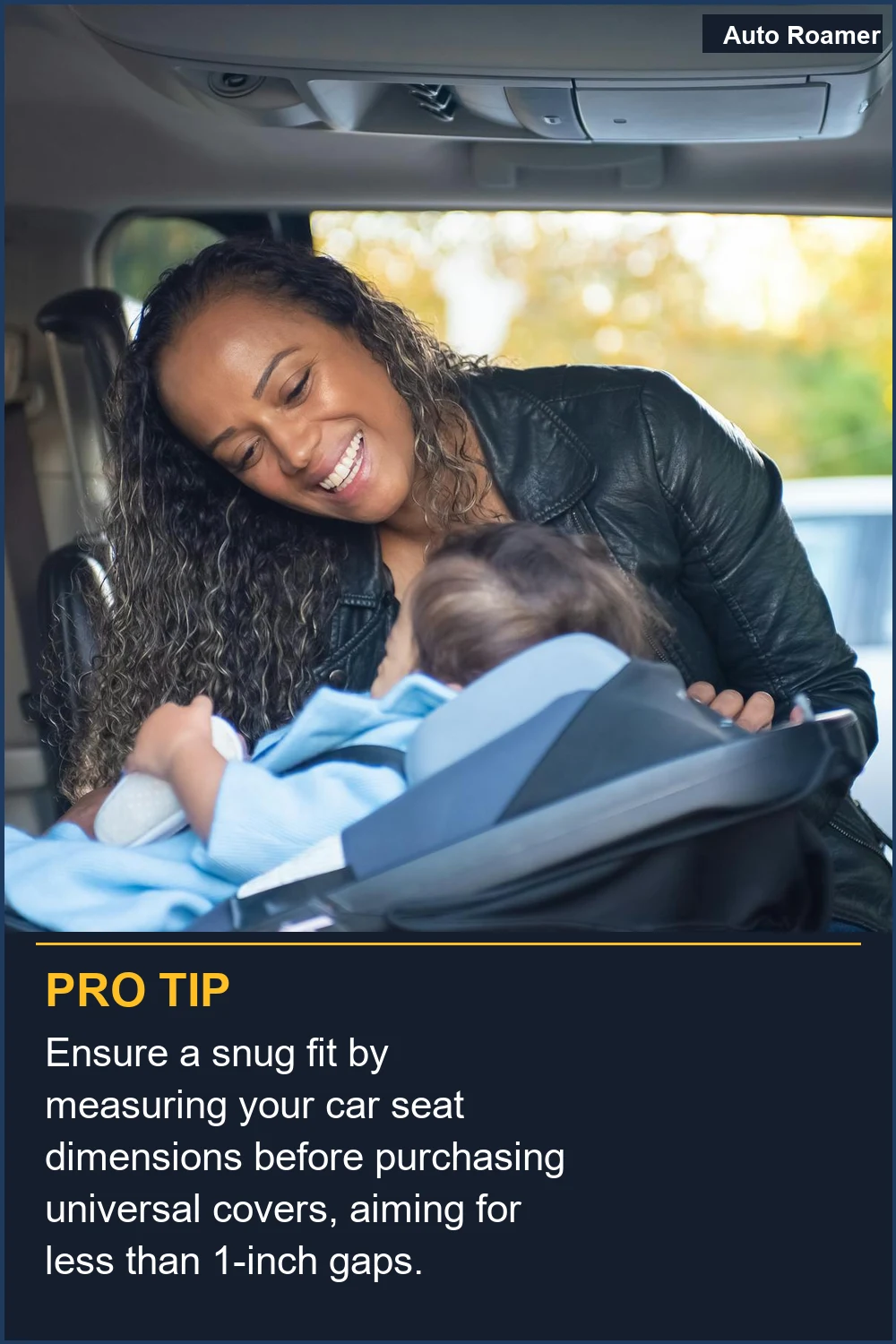
When you're looking at car seat covers, the first thing to wrap your head around is the fit. You've got your custom-fit options, which are basically tailor-made for your specific make and model. These are the ones that hug every curve and contour, leaving no weird gaps or baggy spots. I learned this the hard way when I bought a 'universal' set for my old Honda Civic and they looked like a deflated balloon. Custom covers are usually pricier, but they offer that factory-fresh look and feel, protecting every inch. tailored perfection. Then there are the universal-fit covers. These are designed to work with a wide range of vehicles, making them a more budget-friendly choice. They're easier to install, often just slipping over the headrest and tucking in. The trade-off is they might not fit as snugly as custom ones. For a first-timer who just wants some basic protection without breaking the bank, universal can be the way to go. I've seen some that look decent, and others... well, let's just say they looked like they were borrowed from a clown car. budget-friendly flexibility. Now, let's talk materials. This is where things get interesting. Polyester and canvas are workhorses. They're tough, resist rips and tears, and can handle a beating, which is great if you're hauling tools or have a couple of rambunctious kids. I once had to haul a bunch of lumber in the back of my truck, and the canvas covers saved my seats from getting shredded. rugged durability. Neoprene is another popular choice, often found in wetsuits. It's known for its water resistance and comfortable feel. If you live somewhere with a lot of rain or spend time at the beach, neoprene can be a solid option. It's not the toughest against sharp objects, though. I learned that when a metal bracket I was carrying poked a small hole in my neoprene seat cover. excellent water resistance. Then you have materials like faux leather or leatherette. These give you that premium look and feel without the astronomical price tag of real leather. They're generally easy to wipe down, which is a huge plus for spills. I've seen some leatherette covers that make a regular sedan feel a bit more upscale. Just make sure they have decent breathability, otherwise, you might get a bit swampy in the summer. Sof-Touch Leatherette. Some people swear by sheepskin covers for comfort and temperature regulation. They're naturally breathable and can feel cool in the summer and warm in the winter. I haven't personally tried sheepskin, but I've heard good things for long drives. The honest version is, if you prioritize comfort above all else, it's worth looking into. natural temperature regulation. Ultimately, the best material depends on your lifestyle. Are you a weekend warrior hauling gear? Do you have pets? Are you just trying to keep a commuter car looking decent? Think about what your seats go through on a typical week before you start shopping. unique benefits.
Why This Matters for Your Setup
Why does all this matter? Because your car's interior is basically your second home on wheels, and beat-up seats are like living in a rundown shack. Seat covers are your first line of defense against the everyday chaos. Spills from that questionable gas station coffee? Muddy boots after a hike? Dog hair that seems to multiply overnight? Seat covers can handle it. prevent stains, spills, crumbs. I learned this when my nephew decided to conduct a juice box experiment in the back of my car. Without a seat cover, my seats would have been permanently stained. The cover? I just wiped it down. Easy. It's about preserving the value of your car too. Nobody wants to trade in a car with ripped, stained seats. slower depreciation. Plus, let's be honest, sometimes the factory upholstery is just... boring. Seat covers let you inject some personality into your ride. You can go for a sporty look, a more luxurious feel, or just something that doesn't clash with your personality. It's a simple upgrade that can make your daily commute feel a little less drab. My second car had these really basic cloth seats, and a nice set of dark grey covers made a world of difference. customized appearance.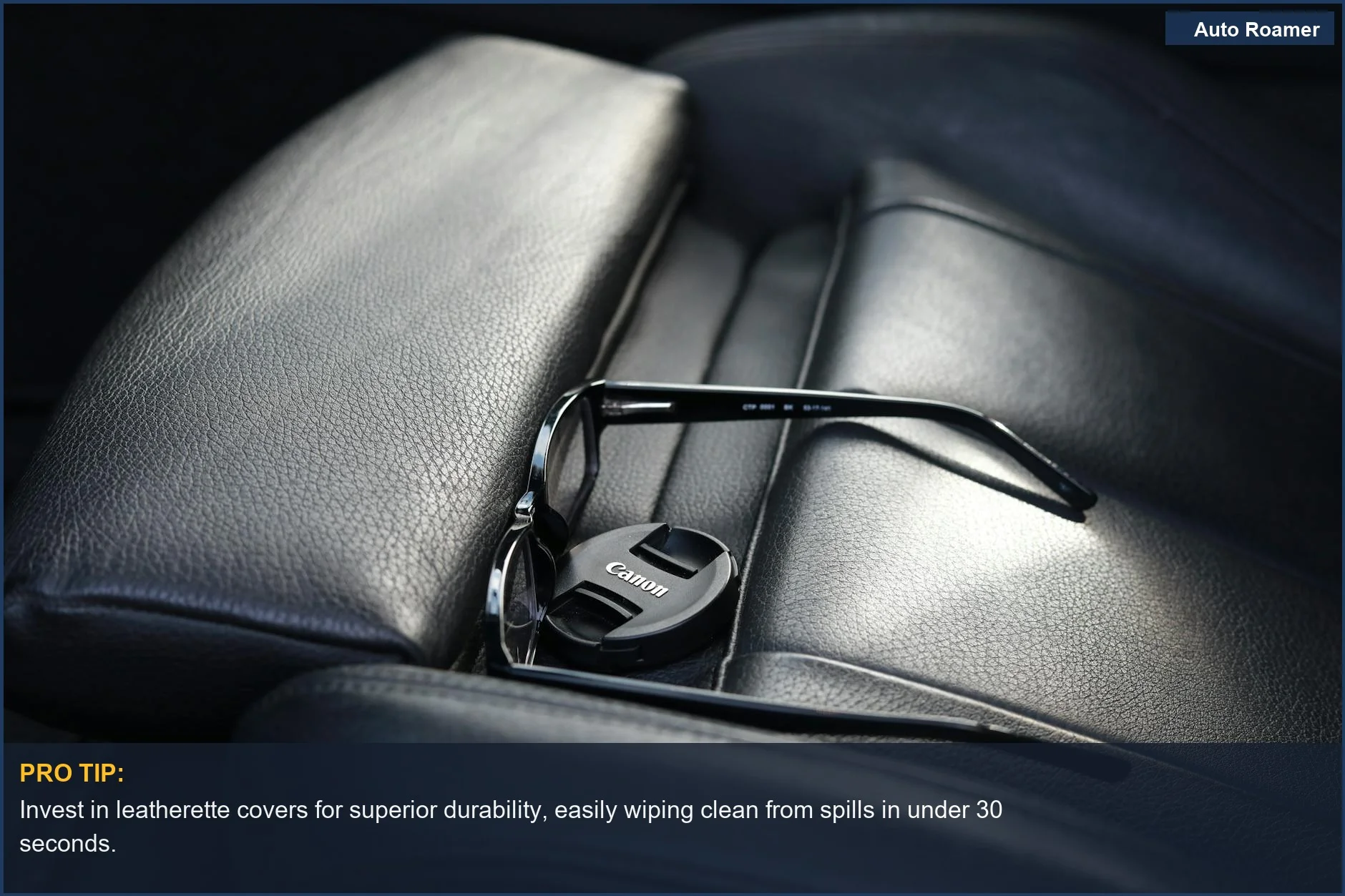
Making the Right Choice
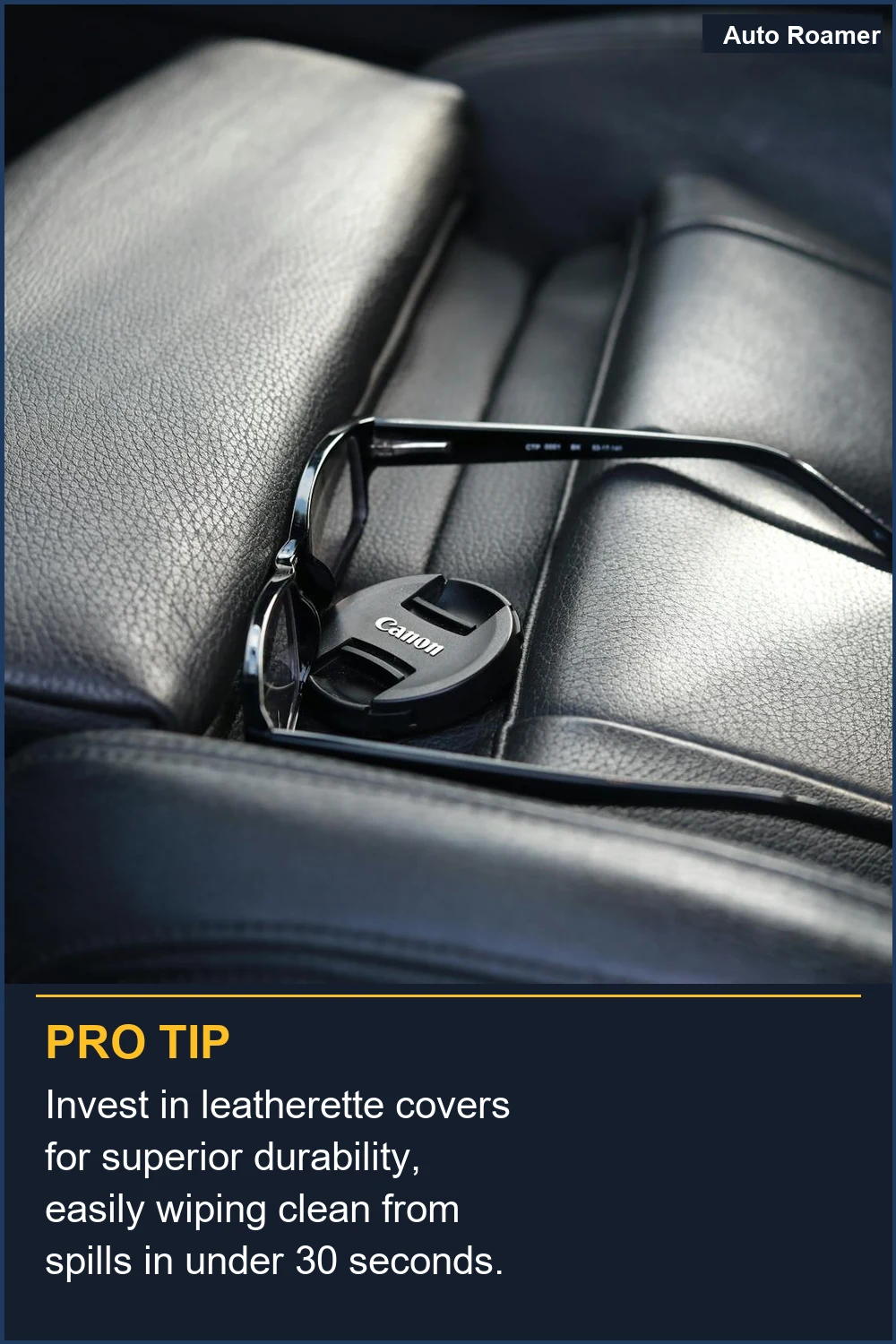
Choosing car seat covers can feel overwhelming, but it boils down to a few key things. First, decide if you need custom-fit for that perfect, snug look or universal for budget-friendly flexibility. Remember, a good fit means better protection and less annoyance. specifically designed for your car's make and model. Next, think about your lifestyle. If you're constantly dealing with water or mud, waterproof materials like neoprene or certain polyesters are your best bet. For maximum durability against rips and tears, canvas or heavy-duty polyester are solid choices. Comfort is also a factor, so don't discount materials like sheepskin if that's a priority. Leather, neoprene, canvas more. Finally, consider what you're trying to achieve. Are you protecting a brand-new car, trying to cover up existing damage, or just wanting a style refresh? The answer will guide you toward the right material and fit. It's not rocket science, but a little thought upfront saves you headaches later. preserve the beauty and value.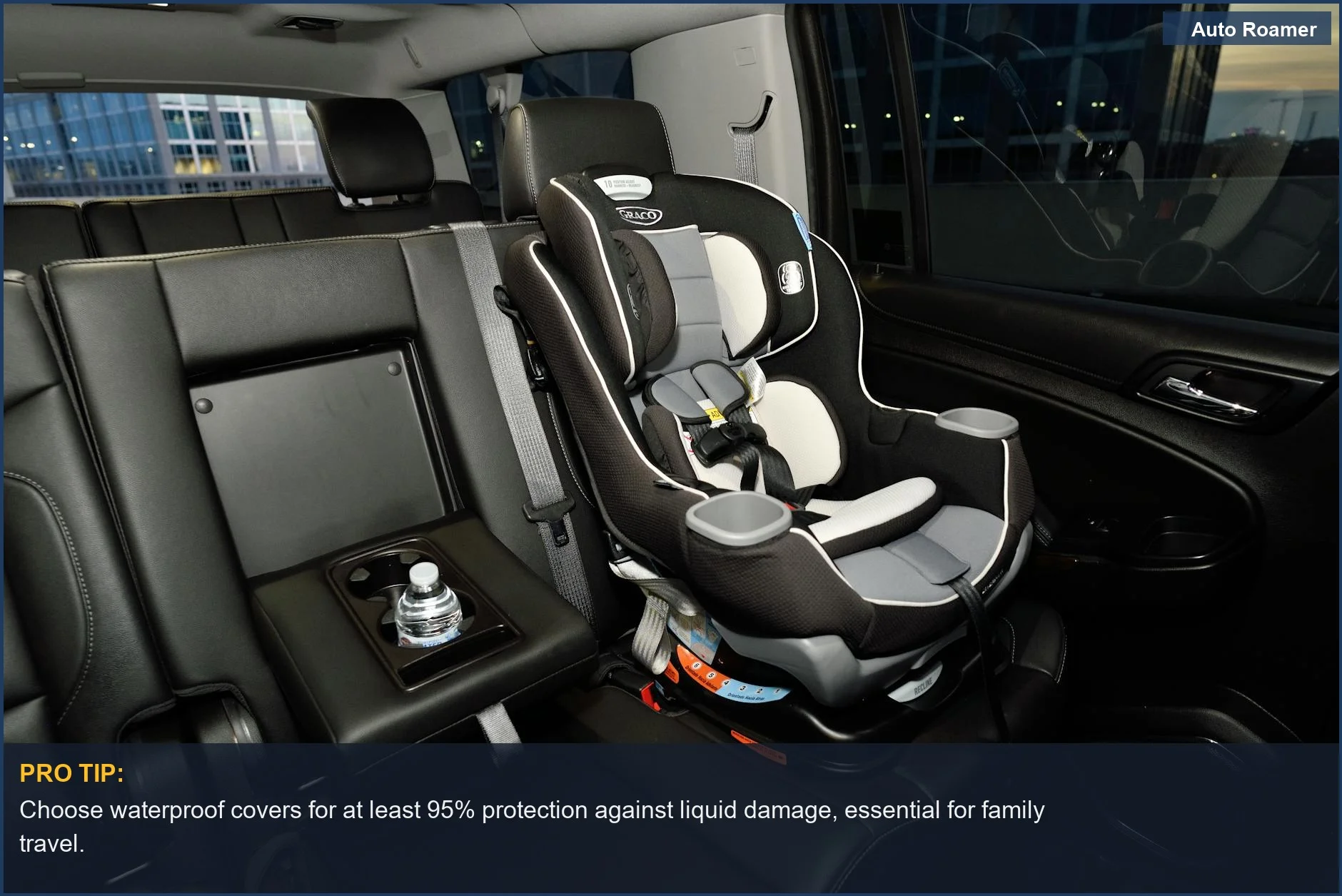
Frequently Asked Questions
If I get custom seat covers professionally installed, how much more is that going to cost me compared to just buying them and doing it myself?
Do I really need to measure my seats or can I just eyeball it with universal covers?
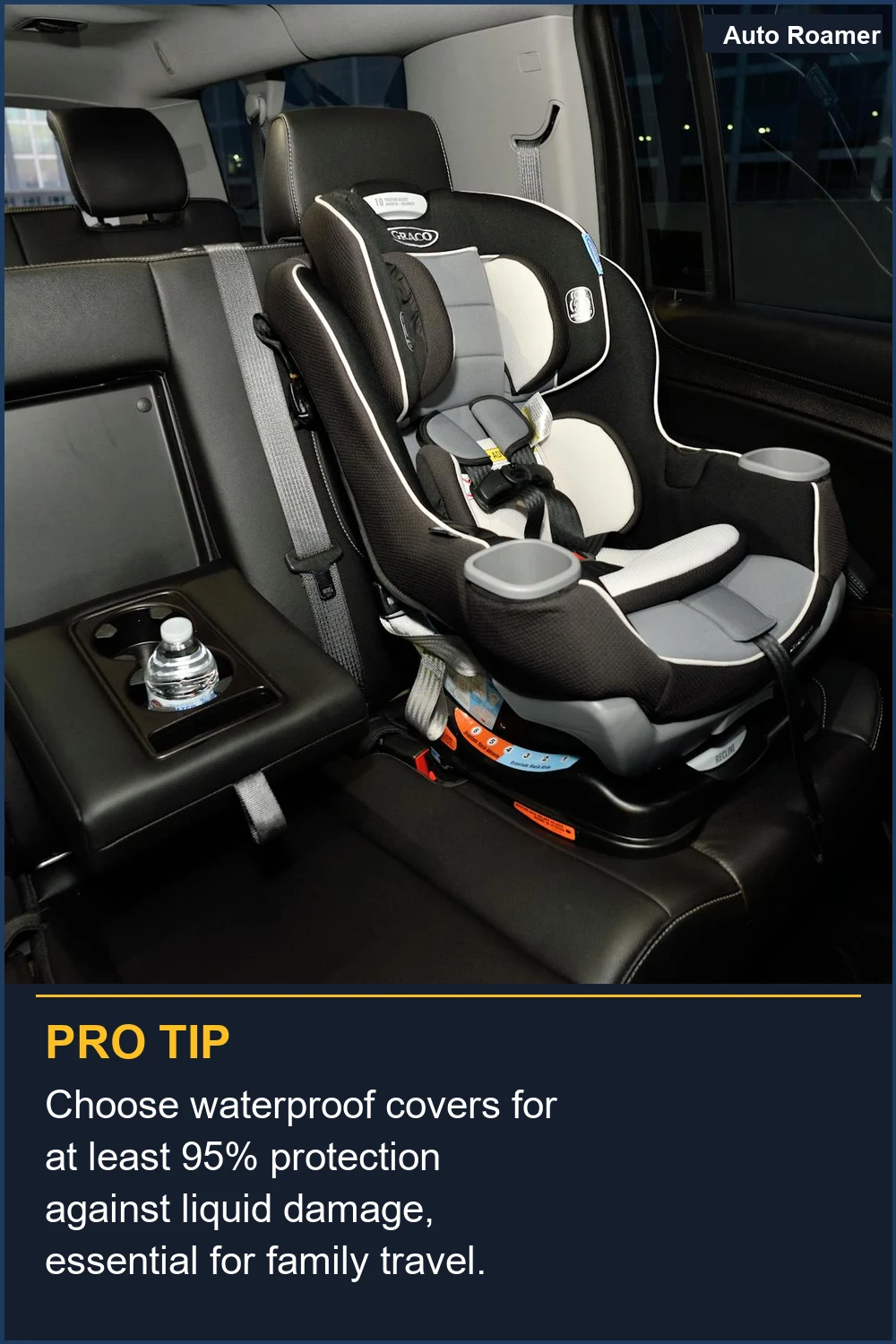
What happens if I buy seat covers that are supposed to be waterproof, and I still manage to spill something that seeps through?
Can having seat covers on for years permanently affect the original seats underneath?
I heard that some seat covers can actually make your seats hotter in the summer. Is that true?
🏅 Looking for Gear Recommendations?
Check out our tested gear guides for products that work with this setup:
Sources
- First-Time Car Owner? Here Are the Have-Must Car Seat Covers to ...
- Which Type of Car Seat Cover Is Best? Durability, Waterproofing ...
- Best car seat covers – types, benefits and materials - Prime EVA
- The Top 5 Car Seat Cover Materials and Which One is Right for You
- Car Seat Covers: Everything You Need to Know
- Car & Truck Seat Cover Guide: Best Materials for Durability & Style
- A Guide to the Different Types of Seat Covers