
How to Safely Secure a Pet Carrier in Your Car
Securing a pet carrier in your car isn't just about keeping your furry friend comfortable; it's a critical safety measure. I learned this the hard way on a trip to the mountains when a sudden stop sent my cat's carrier skidding across the backseat.
Securing a pet carrier in your car isn't just about keeping your furry friend comfortable; it's a critical safety measure. I learned this the hard way on a trip to the mountains when a sudden stop sent my cat's carrier skidding across the backseat. Thankfully, she was okay, but it was a wake-up call. Without proper restraint, an unsecured carrier becomes a projectile in an accident, posing a serious risk to both your pet and everyone else in the vehicle.
The honest version: your pet's life could depend on this one step. It's not just about the carrier, it's about how it's anchored. Petmate Academy
The Core Answer
The real move is to put your pet's carrier on the rear seat, and then use the seat belt to secure it. Don't just loop it around the handle if the handle isn't designed for restraint. I've seen people try to use just a bungee cord, and honestly, that's a rookie mistake. In a crash, those things stretch and fail spectacularly. Reddit What nobody tells beginners is that the location matters. Putting the carrier on the floor behind the front seat can work for smaller carriers, but it's not always the most stable. The backseat is generally better, especially if you can brace it. I once wedged a carrier between the front and back seats after realizing it was still sliding. Brilliant engineering, that. Petmate Academy For hard-sided carriers, look for one with a specific loop designed to thread a seat belt through. If your carrier doesn't have that, you might need to get creative, but always prioritize security. The Center for Pet Safety recommends this method. Trying to use the seatbelt over a soft carrier is like trying to hold a watermelon with a fishing net - it's not going to end well. Facebook If you have a larger crate, you might need to use the LATCH system if your car has it, similar to how you'd install a child car seat. Always consult your car's manual and the carrier manufacturer's instructions. The honest version: it takes a few extra minutes, but it's worth it to avoid a potentially catastrophic situation. Child Car Seats
Why This Matters for Your Setup
Why does this matter so much? Imagine a sudden stop. Without restraint, your pet's carrier can fly forward with incredible force. At 30 miles per hour, a 30-pound dog can feel like over 600 pounds. That's not a typo. The Car Seat Lady This unrestrained mass can cause serious injury to your pet, and even to you or other passengers. It's the 'human missile' effect, but with fur. I saw a carrier slide across my backseat once, and the sound alone was enough to make me re-evaluate everything. The Car Seat Lady Beyond immediate safety, a secure carrier prevents distractions. I've had pets try to bolt out the door after a minor fender-bender, and it's a nightmare. Proper restraint means they stay put, reducing the risk of them running off and getting hurt or lost. Firehouse Kyle It also makes it easier for first responders if an accident occurs. An injured, scared animal can be a hazard. Keeping them contained and secure means they're easier to locate and handle, getting them the help they need faster. The Car Seat Lady
Making the Right Choice
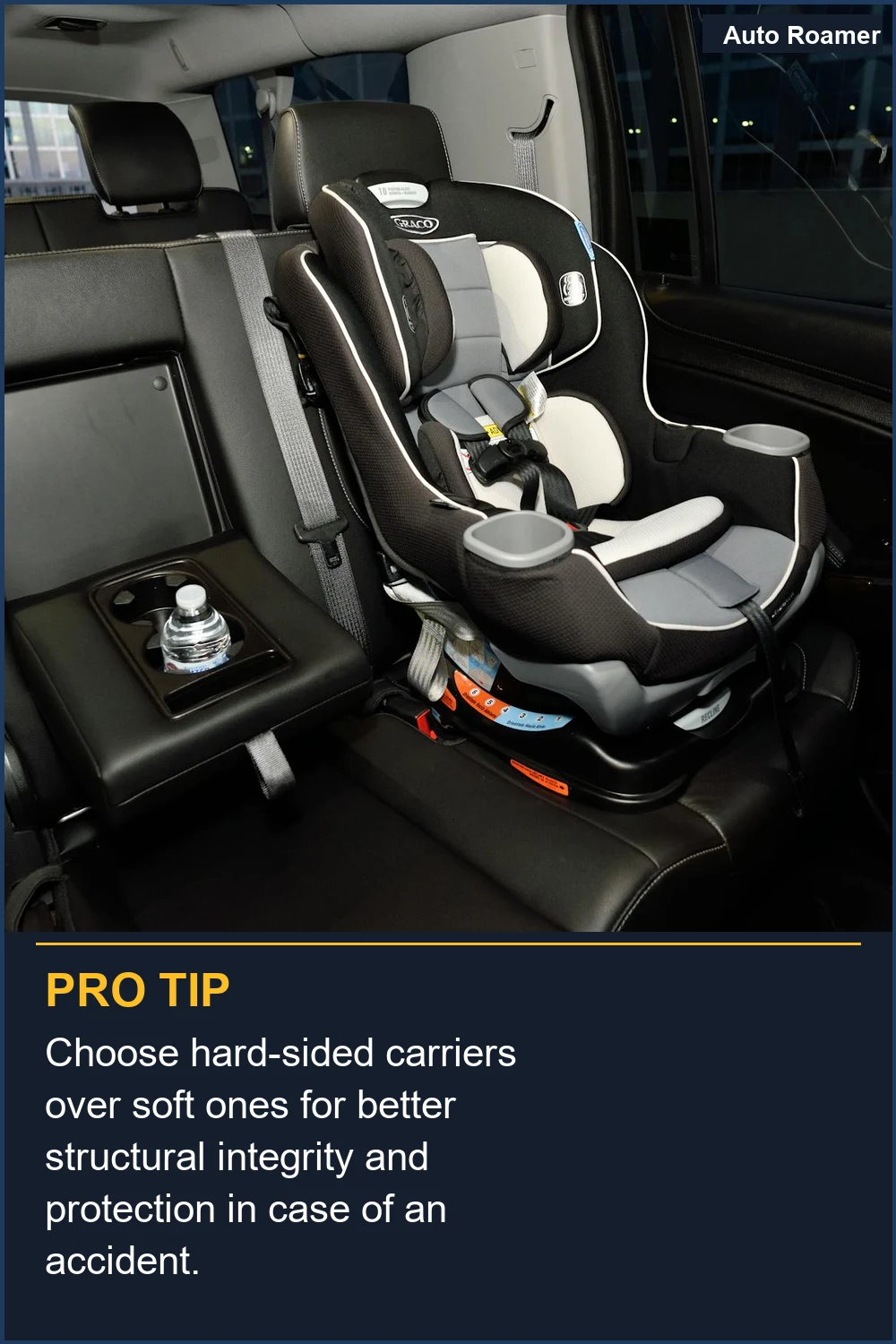
Making the right choice for securing your pet's carrier comes down to a few key things. Hard-sided carriers are generally safer than soft ones because they offer more structural integrity. YouTube Always ensure the carrier is the correct size for your pet. Too large, and they can be tossed around inside. Too small, and it's just cruel. The goal is containment and crash protection. Child Car Seats Don't be afraid to spend a little extra on a quality carrier and the right restraint system. The $50 version of a carrier might look similar, but it might not hold up in a real-world situation. My first carrier was a cheap fabric thing, and it barely survived a pothole. Reddit Ultimately, it's about treating your pet like a family member who deserves the same safety precautions you'd take for yourself. It might seem like overkill, but a few minutes of effort can prevent a lifetime of regret. Petmate Academy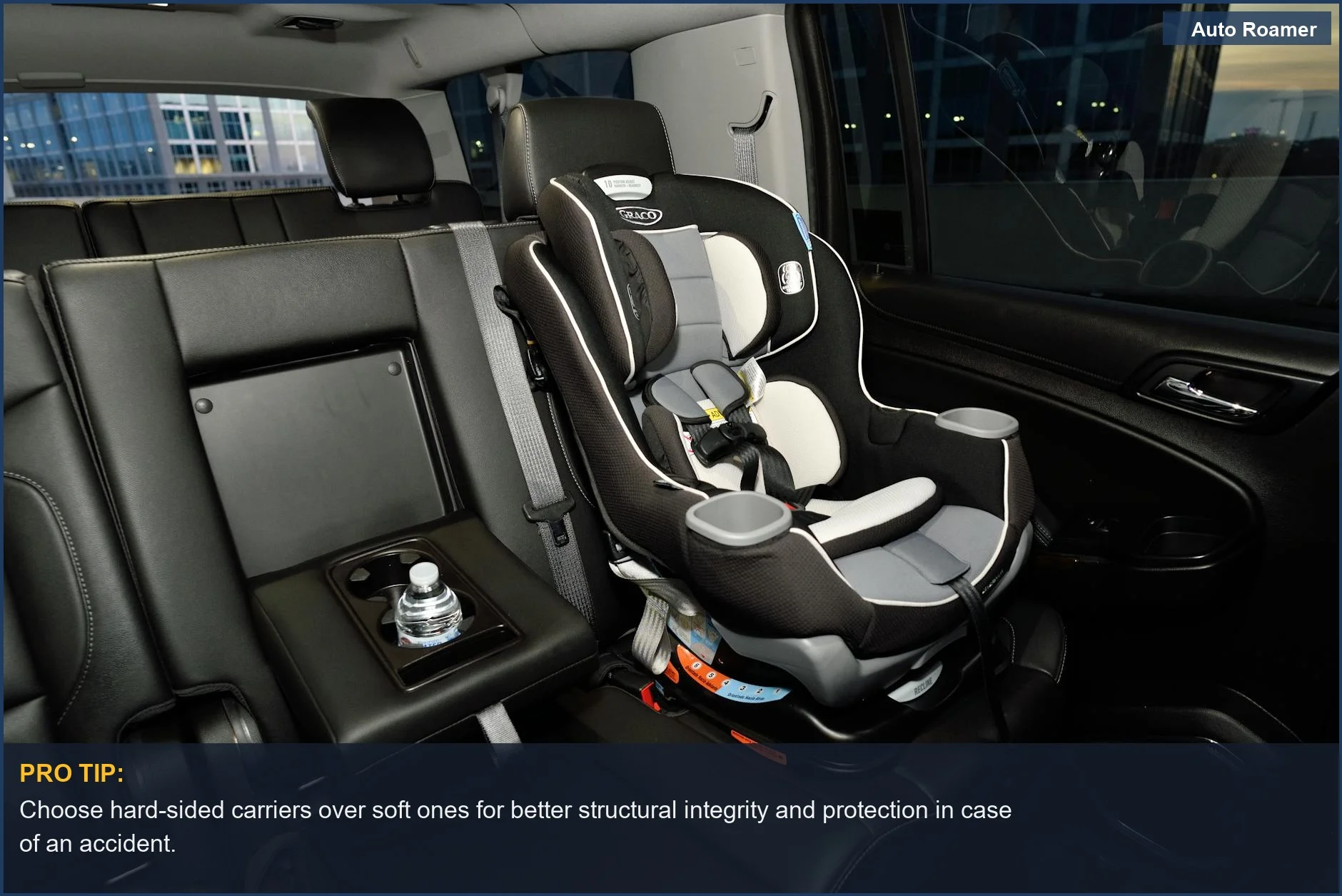
Frequently Asked Questions
I saw some people using bungee cords to secure their pet carriers. Is that a cheap way to do it safely, or am I better off buying a proper restraint?
Do I need a special tool to figure out if my pet carrier is secure, or can I just wiggle it around?
What if my carrier doesn't have a seatbelt loop? Can I just put it in the footwell and hope for the best?
If I secure my pet carrier really well, can it permanently damage my car's seats?
I heard you shouldn't put a pet carrier in the middle of the back seat. Is that true, or is it just a myth?
🏅 Looking for Gear Recommendations?
Check out our tested gear guides for products that work with this setup:
Sources
- How to buckle my cats up during a car trip, without spending ... - Reddit
- [PDF] Carrying Pets Safely - Child Car Seats
- How To Secure a Kennel in a Car - Petmate
- how-to-keep-your-cat-safe-on-car-rides
- Car Safety for Cats | Quick Carrier Tip #catsafety #cattok ... - YouTube
- Did you know this is the recommendation from the Center for Pet ...
- thecarseatlady.com