
Understanding Expiration Dates and Replenishing Your Camping First Aid Kit
My first car camping trip was a $47 experiment in a Honda Civic hatchback in Shenandoah Valley. Mid-October. I had a Walmart foam pad, a sleeping bag rated to 40F, and zero idea that the temperature drops 15 degrees after midnight in the mountains.
My first car camping trip was a $47 experiment in a Honda Civic hatchback in Shenandoah Valley. Mid-October. I had a Walmart foam pad, a sleeping bag rated to 40F, and zero idea that the temperature drops 15 degrees after midnight in the mountains. By 2AM I was wearing every piece of clothing in my bag and still shivering. The fix was a $12 fleece liner from Amazon that turned my 40F bag into a 25F bag.
Three years later I still use that same liner on every trip.
That first trip taught me a lot, mostly what NOT to do. One of the biggest lessons was about my first aid kit. I grabbed one off the shelf, figured it was good to go, and never thought about it again until I needed it.
Turns out, that little red box has a secret life cycle. And if you're not paying attention, you might find yourself in a bind with useless supplies when you actually need them. It's not just about having stuff; it's about having the right stuff, at the right time. The American Red Cross agrees, saying some contents are definitely date-sensitive.
The Core Answer
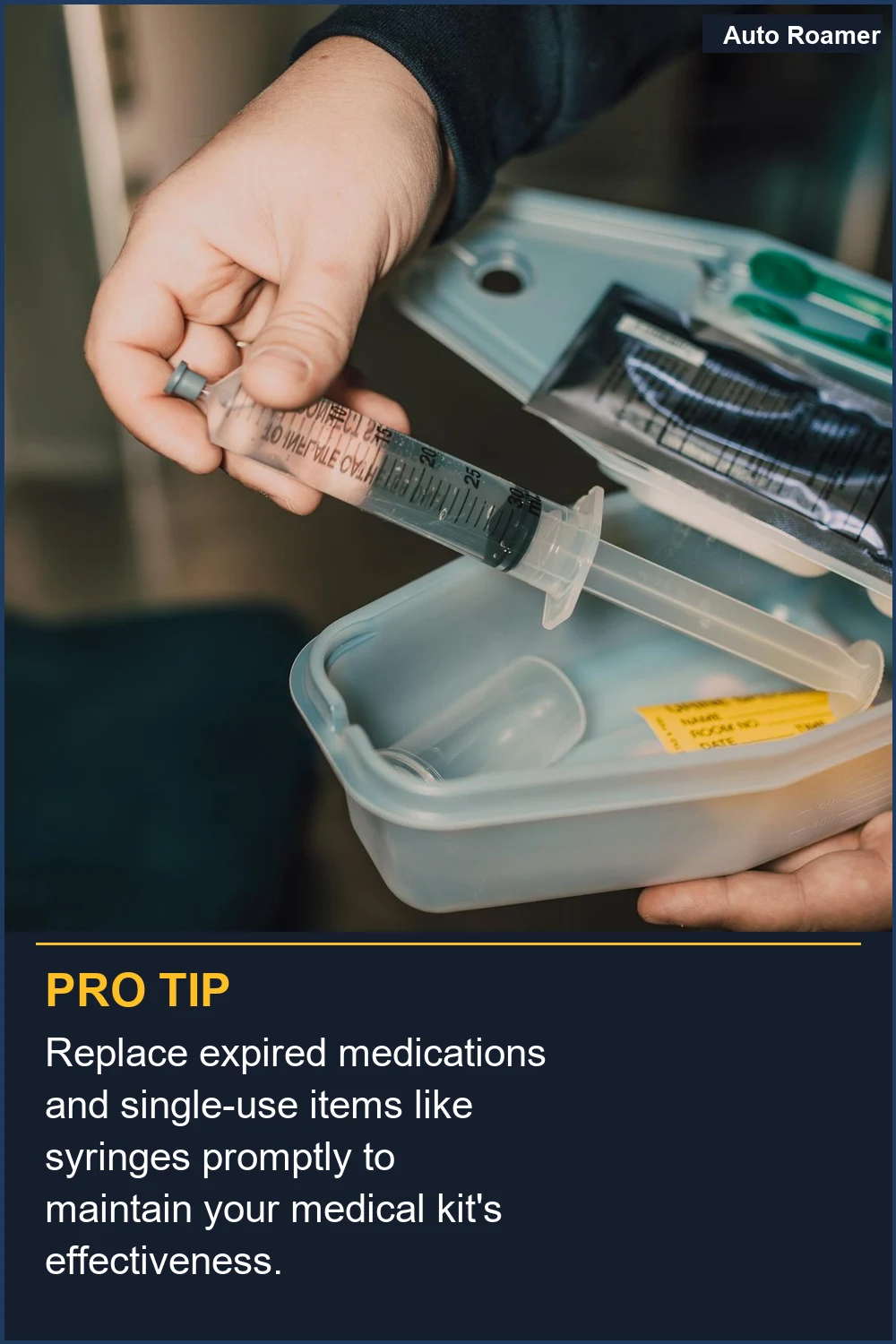
Here's the honest version: your first aid kit's contents don't last forever. Some things, like sterile bandages or gauze, might hang around for years if kept dry and clean. But anything with a chemical compound or a sterile seal? That's got a clock ticking. St John Ambulance confirms that expired items can be ineffective and even harmful. Think of it like your car's oil. It does its job, but eventually, it breaks down. Same with the goop in antiseptic wipes or the active ingredients in pain relievers. They lose their punch. The FDA even warns that expired medications can change their chemical composition, making them risky. Most pre-made kits have an overall expiration date, usually printed on the box, often between three to five years from the manufacture date Alsco Uniforms states. But here's the rookie mistake: that date is usually based on the *earliest* expiring item inside Dawn Breeze Trading explains. So, a kit might say it expires in 2028, but your antiseptic wipes might be shot by 2026. The real move is to check individual items. Look for printed expiration dates on bottles, packets, and blister packs. If it's a cream, ointment, or medication, it's almost certainly got a date. Even sterile items can lose their sterility guarantee after their date or if the packaging is compromised. I learned this the hard way at a campsite in the Poconos. My son scraped his knee, and I grabbed a bandage from my kit. The adhesive barely stuck, and the pad felt...off. Turns out, half the stuff in my kit was expired by over a year. Brilliant engineering, those kits. So, what's the game-time strategy? A quick check every 3 to 6 months is ideal American Preppers Network suggests. Pull everything out, check dates, and toss anything past its prime. Then, restock what you used or what expired. Don't just toss the whole kit unless most of it is expired. That's wasteful. Replace only what you need. It's cheaper and better for the planet. Survival First Aid Kits also notes you can often replace individual items. This isn't about being paranoid; it's about being prepared. An expired painkiller might just be a dud. An expired sterile pad could lead to a nasty infection miles from anywhere. That's not the kind of surprise you want on your weekend adventure.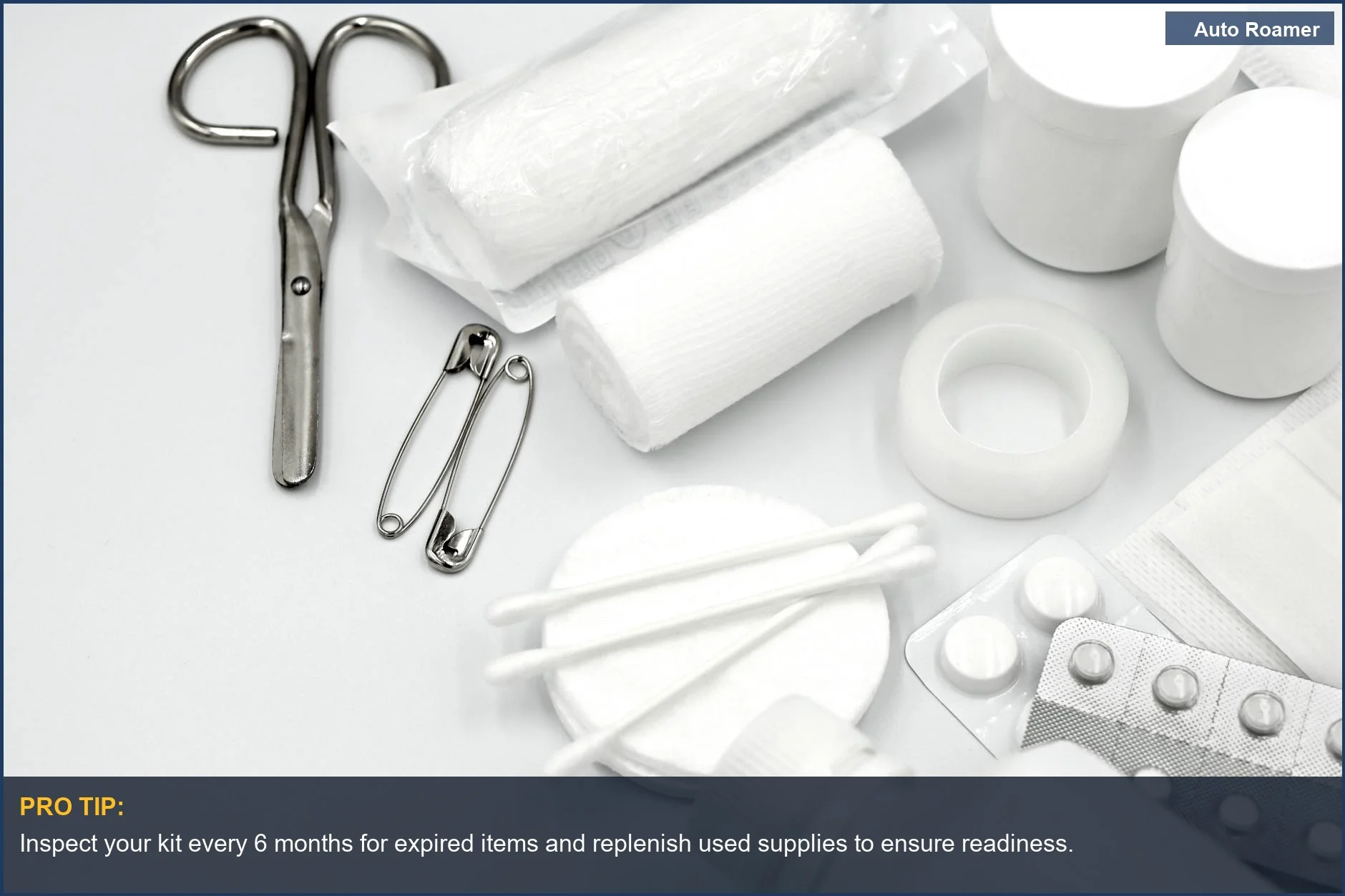
Why This Matters for Your Setup
Making the Right Choice
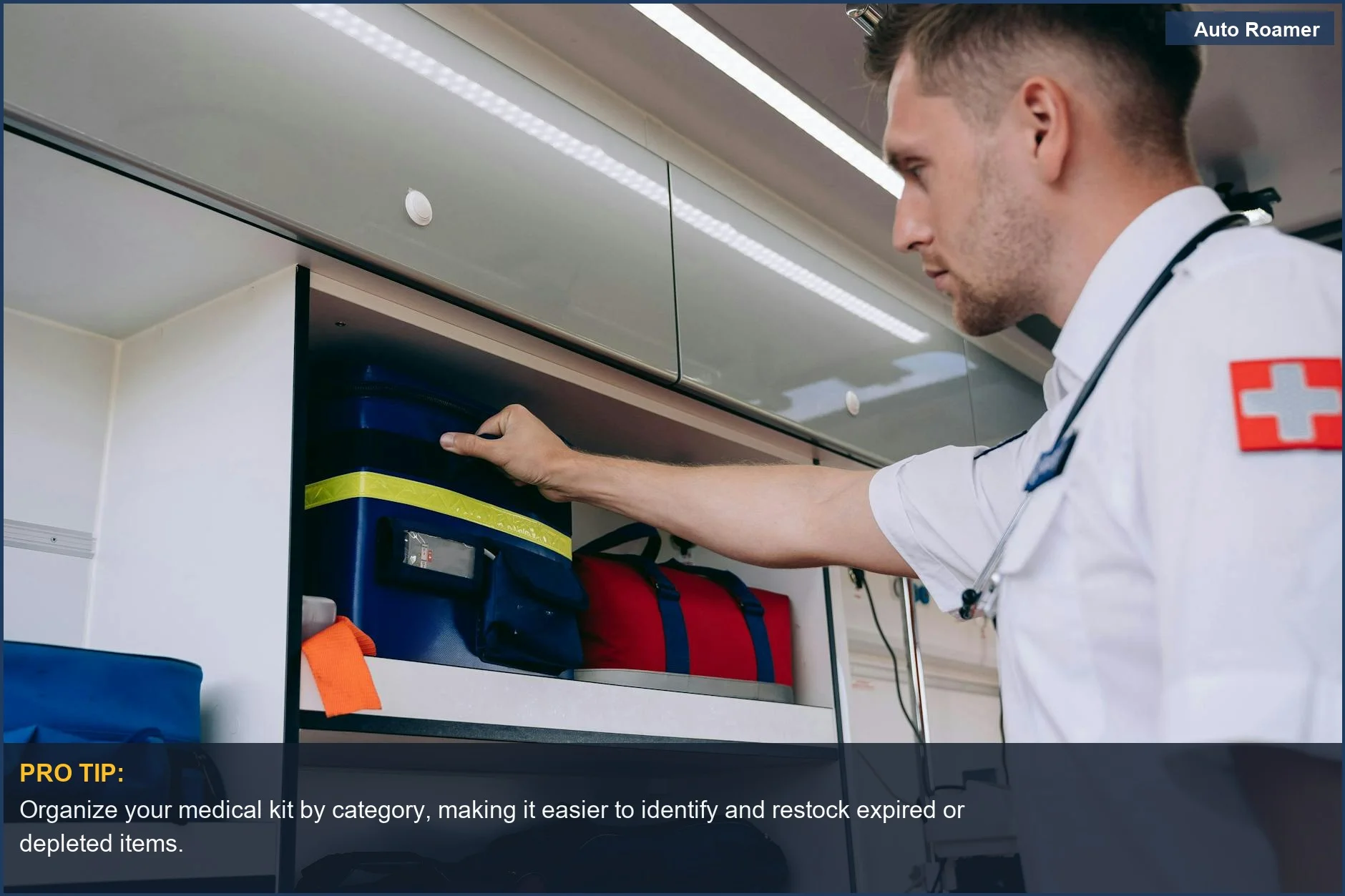
So, the real move is simple: don't just buy a first aid kit and forget it. Treat it like any other piece of gear that needs maintenance. A little effort goes a long way. Check your kit every 3-6 months. Toss expired meds and anything that looks questionable. Restock what you've used. It's the $50 version of preparedness, and honestly, it's worth way more than that when you're miles from nowhere. Your first aid kit is your backup plan when things go sideways. Make sure it's a plan that actually works. American Preppers Network recommends checking your box kit frequently. Don't be the person with a useless red box full of expired bandaids when you need them. Be the person who's ready for a scraped knee, a minor cut, or a headache. It's about being smart, not just stocking up. The Red Cross emphasizes that having the tools is crucial.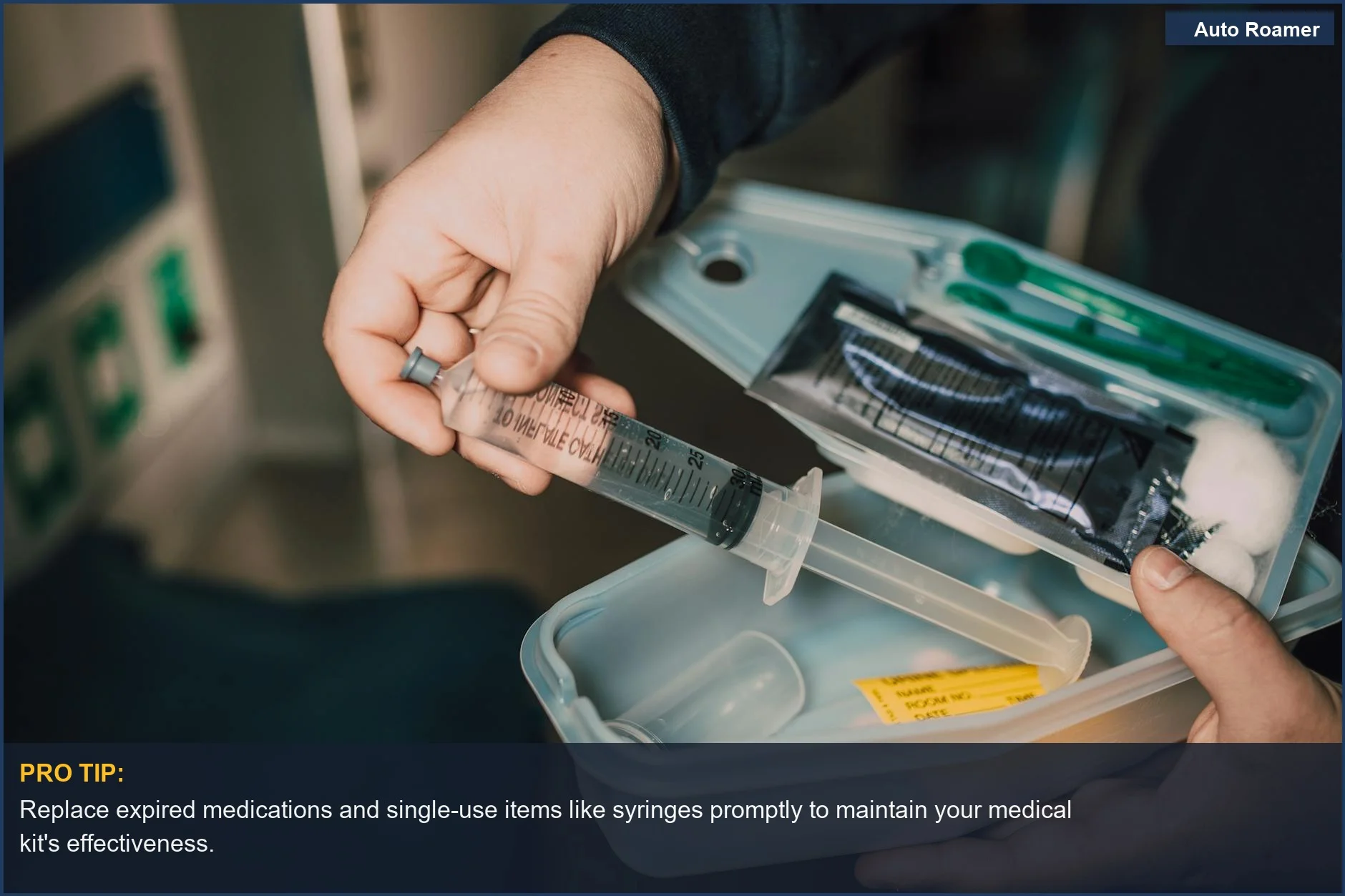
Frequently Asked Questions
My pre-made camping first aid kit cost $35. If I just replace the expired pills and bandages, how much would that typically cost compared to buying a whole new kit?
Do I really need to check the expiration dates on every single little thing, or can I just trust the main box date?
What if I check my kit and realize most of the stuff is expired? Should I just throw the whole thing away?
Can using expired bandages or antiseptic wipes permanently damage my skin or cause long-term issues?
I heard that if you store first aid supplies in a cool, dark place, they'll never expire. Is that true?
🏅 Looking for Gear Recommendations?
Check out our tested gear guides for products that work with this setup:
Sources
- What's in your first aid kit and how to check expiration dates?
- Shelf Life of First Aid Kits: A Comprehensive Guide to Checking and ...
- Do first aid kits expire? | St John Ambulance
- Do first aid kits expire? - American Red Cross
- Maximizing the Shelf Life of First Aid Supplies
- Is Your First Aid Kit up to Date? - Good Neighbor Pharmacy
- alsco.com