
Every Published GLE Cargo Figure, in One Table
Brochures sell cubic feet. Beds are built out of inches. Here is every dimension a GLE owner needs before deciding whether the back of the car is a place to sleep, with where each number comes from — because a figure you cannot source is a figure you should not build against.
| Dimension | Figure | Metric | Basis |
|---|---|---|---|
| Cargo volume, second row up | 33.3 cubic feet | 943 L | Mercedes-Benz published spec |
| Cargo volume, second row folded | 74.9 cubic feet | 2,121 L | Mercedes-Benz published spec, as listed by Edmunds |
| Cargo length behind the front seats | 67.8 in | 172.2 cm | Published spec — the sleeping-critical figure |
| Cargo-area width (widest point) | approx. 61.7–66.7 in | 157–169 cm | Published spec range across model configurations |
| Liftover height | 30.8 in | 78 cm | Published spec |
| Exterior width, mirrors folded | 76.7 in | 195 cm | Published spec — not an interior figure |
| Curb weight, GLE 350 | 5,060 lb | 2,295 kg | Published spec |
| Minimum ground clearance | 8.0 in | 20.3 cm | Published spec |
| Starting price, GLE 350 4MATIC | $66,100 | — | Car and Driver |
Two of those rows do most of the work and one of them is a decoy. The 74.9 cubic feet is the number the marketing leans on and the number that tells you least. The 67.8 inches is the number nobody quotes and the one that decides whether this works at all. The rest of this page is what each figure permits.
74.9 Cubic Feet Is Mostly Air Above Your Head
Volume is a three-dimensional figure being used to sell a two-dimensional decision. Do the arithmetic on the GLE's own published numbers and the point becomes obvious.
74.9 cubic feet is 129,427 cubic inches. Spread that over a floor 67.8 inches long and roughly 62 inches wide — about 4,200 square inches — and the average height of the space is close to 31 inches. That is the volume figure decomposed: a floor the size of a small dining table with two and a half feet of air stacked on top of it, measured all the way to the headliner.
Nobody sleeps in the top two feet. A person lying down occupies the first eight to twelve inches of that stack and not one cubic inch above it. So of the 74.9 cubic feet the brochure advertises, the portion relevant to sleeping is somewhere around a third, and the rest is storage volume you can only use by stacking gear over a sleeping person — which is exactly how loose gear ends up on someone's face at the first hard stop.
The seats-up figure behaves the same way. 33.3 cubic feet behind an upright second row is a genuinely useful load bay for luggage. It is not a bed at any length, because the seat backs terminate the floor well short of a human.
Rule of thumb for any SUV, not just this one: divide the published cargo volume in cubic feet by the published cargo floor area in square feet. What you get back is average height, and average height is the part of the number you cannot lie down in.
67.8 Inches: Which Bodies Fit Flat, and Which Do Not
67.8 inches is 5 feet 7.8 inches. That is the published length of the cargo floor behind the front seats with the second row folded, and it is the hard constraint on the whole idea.
Sorted by what it means for a body:
| Height | Fits flat in 67.8 in? | What it takes |
|---|---|---|
| Up to 5'6" | Yes, with room | Nothing special — a pad and a pillow |
| 5'7" – 5'8" | Yes, exactly | Head and feet touch trim at both ends; no pillow bulk to spare |
| 5'9" – 6'0" | Only by stealing length | Front seats slid forward and reclined, or feet in the footwell gap |
| Over 6'0" | No | Diagonal, knees bent, or sleep somewhere else |
The diagonal deserves a straight answer because it is the first thing people suggest. Across a rectangle 67.8 inches long and 62 inches wide, the corner-to-corner distance is about 92 inches. That is not available. The GLE's cargo bay is not a rectangle: the wheel arches intrude at the rear corners, the seat backs form a wall at the front, and the tailgate aperture cuts the far corner off. The usable diagonal is a good deal shorter than the arithmetic one, and the moment you angle a sleeping pad you also have to angle a person's shoulders across the wheel-arch step.
The honest version: the GLE lies flat for one adult up to about 5'8", and anything above that is a compromise you should test with a tape measure before you buy a pad.
The Width Mercedes Never Prints
The 76.7-inch figure that shows up in every GLE spec sheet is the exterior width with the mirrors folded. It measures the outside of the sheet metal. It has nothing to do with what fits inside, and quoting it as interior width — which plenty of pages do — is off by more than a foot.
Inside, the published cargo-width band runs roughly 61.7 to 66.7 inches at the widest point, and the widest point is not where you sleep. Between the rear wheel arches the floor pinches in, and that pinch is the number that decides whether two people fit side by side. Mercedes does not publish a between-the-arches figure for the GLE, so the only trustworthy way to get it is with a tape measure across your own car at arch height.
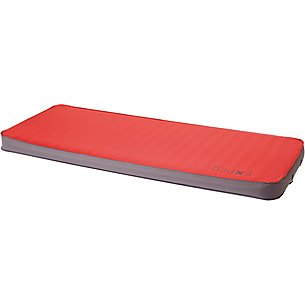
You can bracket it with gear dimensions instead of guessing. Two of the wide self-inflating pads people buy for exactly this job — the Exped MegaMat 10 LXW at a manufacturer-published 30.3 inches wide, the Nemo Roamer XL Wide at 30 inches — come to 60.6 and 60 inches respectively when laid side by side. That fits under the widest-point figure with about an inch to spare and does not fit between typical wheel arches on a two-row mid-size SUV. Two-across in a GLE means either narrower pads or accepting that one sleeper's hip sits on the arch step.
One person, on the other hand, has width to burn. A single 30-inch pad leaves roughly 30 inches of floor beside it for a duffel, a cooler and boots, which is the configuration this car is actually good at.

Liftover Height: How 30.8 Inches Changes the Load
Liftover height is the vertical distance from the ground to the load lip you have to hoist everything over. The GLE's is a published 30.8 inches — roughly waist height on an average adult, and around six inches taller than a wagon.
Nobody thinks about this figure until the second trip. It costs you nothing on a duffel bag and it is the single biggest constraint on hard, heavy gear:
- Compressor fridges are the classic casualty. A 35-to-45-litre 12 V compressor box is an awkward, handle-on-the-ends lift with the weight low and centred. Getting one over a 30.8-inch lip means a straight-arm hoist at full extension, and doing it twice a day for a week is how backs go.
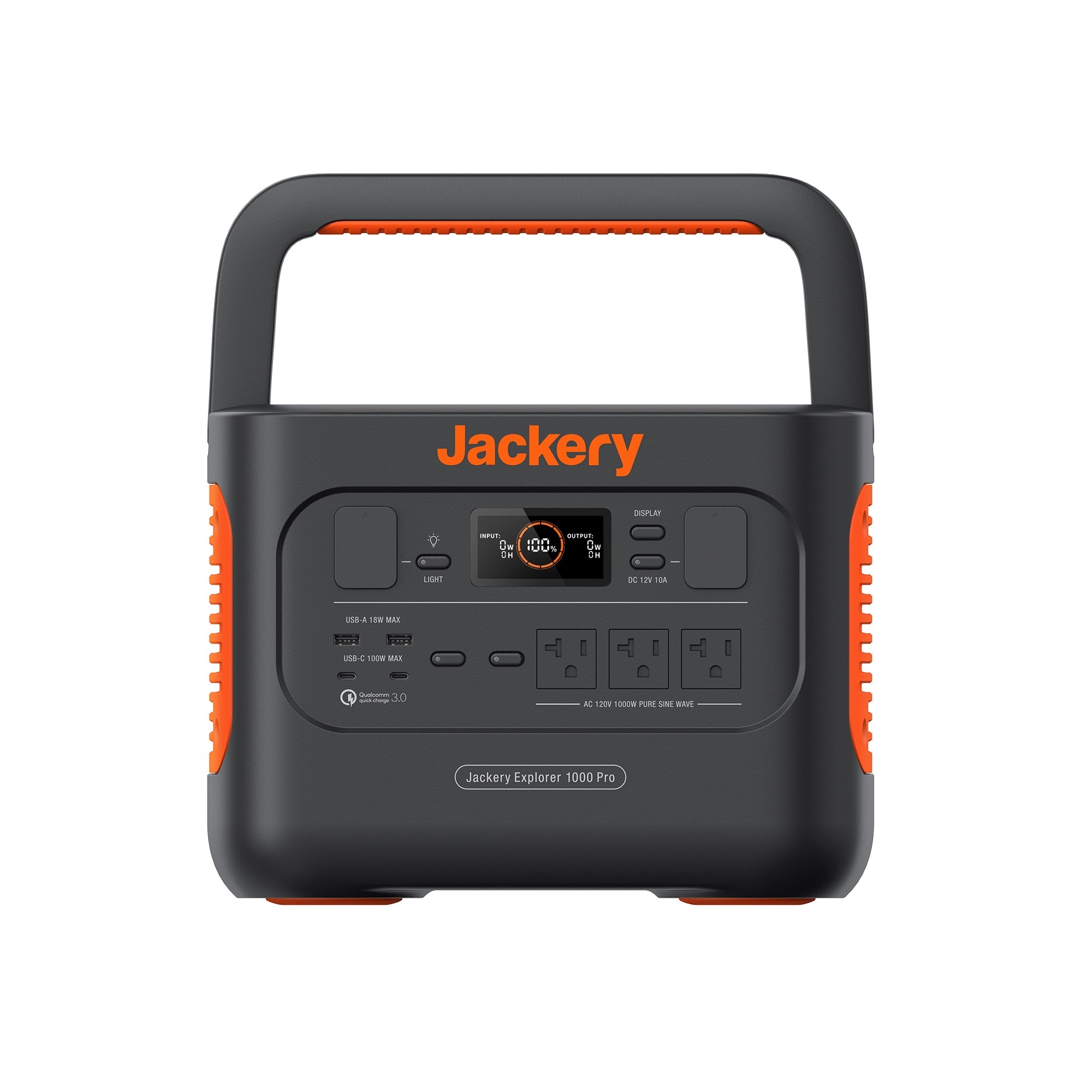
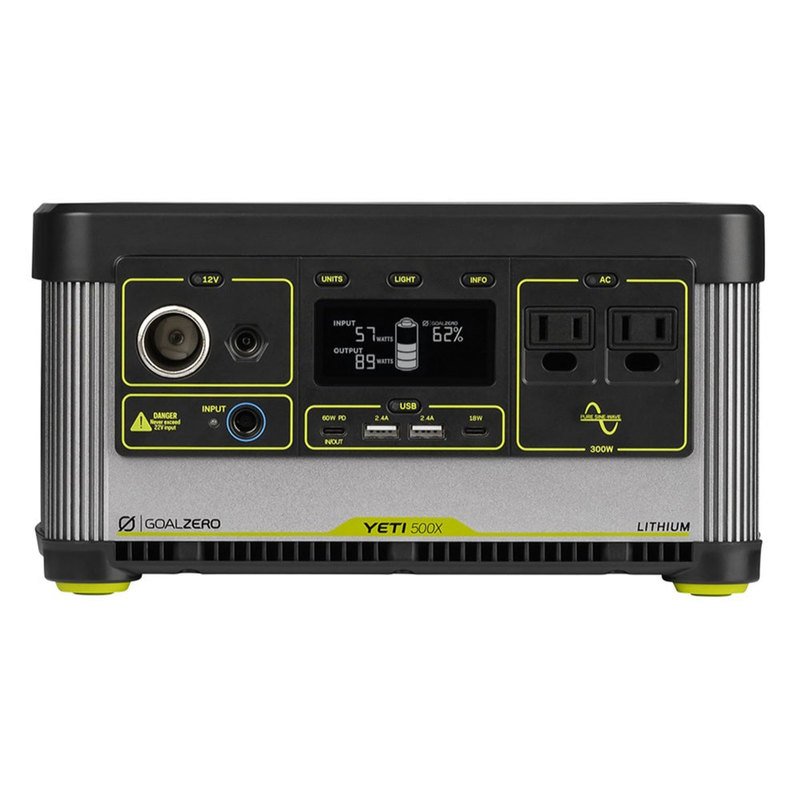
- Lithium power stations are worse per kilogram because the handle is on top and the mass is at the bottom, so the load swings as you clear the lip.
- Anything you slide instead of lift wins. A cargo tray or a piece of hardboard on the load floor converts the whole problem from a lift into a drag, and drops the effective liftover to the lip alone.
There is a second, quieter consequence. A high liftover almost always comes with a load floor that sits above the folded second-row seat backs, which is why the GLE's folded floor is not a true flat plane but a shallow step. The step is small enough to disappear under a 10 cm self-inflating pad and large enough to be uncomfortable under a thin one.

Four Measurements to Take Before You Buy a Pad
Published figures come from one configuration of one trim. The car in your driveway may have a panoramic roof that eats headroom, a spare-wheel well that raises the floor, or a subwoofer housing in a rear corner. Four measurements settle it, and they take about five minutes.
- Floor length, tailgate seal to folded seat back, at floor level. Not at hip height — the seat backs lean, so a measurement taken high reads longer than the bed you actually get.
- Width between the wheel arches, at the narrowest point. This is the number Mercedes does not print and the one that decides two-across.
- Height from load floor to headliner at the middle of the bay. This tells you whether you can sit up, which matters more than anyone expects on the second night.
- The step: floor height at the tailgate versus at the folded seat backs. Anything over about an inch needs either a thick pad or a levelling platform.
Write those four numbers on your phone before you shop for a pad. Every sizing decision on this car falls out of them, and every one of them is cheaper to take than to discover.
Bottom Line: What This Geometry Rules Out
A measurement page owes you the negative space as clearly as the positive. Given 67.8 inches of length, a pinched width and a 30.8-inch lip, here is what the GLE will not do.
It will not sleep two adults comfortably. Two 30-inch pads fit the widest point on paper and not the arch pinch in practice. Two people back there is a one-night arrangement, not a road-trip plan.
It will not sleep anyone over six feet flat. No amount of seat-sliding recovers five inches, and the diagonal that looks available in arithmetic is not available in sheet metal.
It will not carry a full expedition load and a bed at the same time. The 74.9 cubic feet is only 74.9 cubic feet when nobody is lying in it. Once a pad and a person occupy the floor, usable storage is the volume beside and above them, and above them is where loose objects become projectiles.
What it does well is the thing the numbers actually support: one adult up to about 5'8", on a thick pad, with the rest of the floor as a gear shelf, on graded surfaces the 8 inches of ground clearance can reach. That is a genuinely good vehicle-camping proposition. It is just a much narrower one than 74.9 cubic feet makes it sound.