
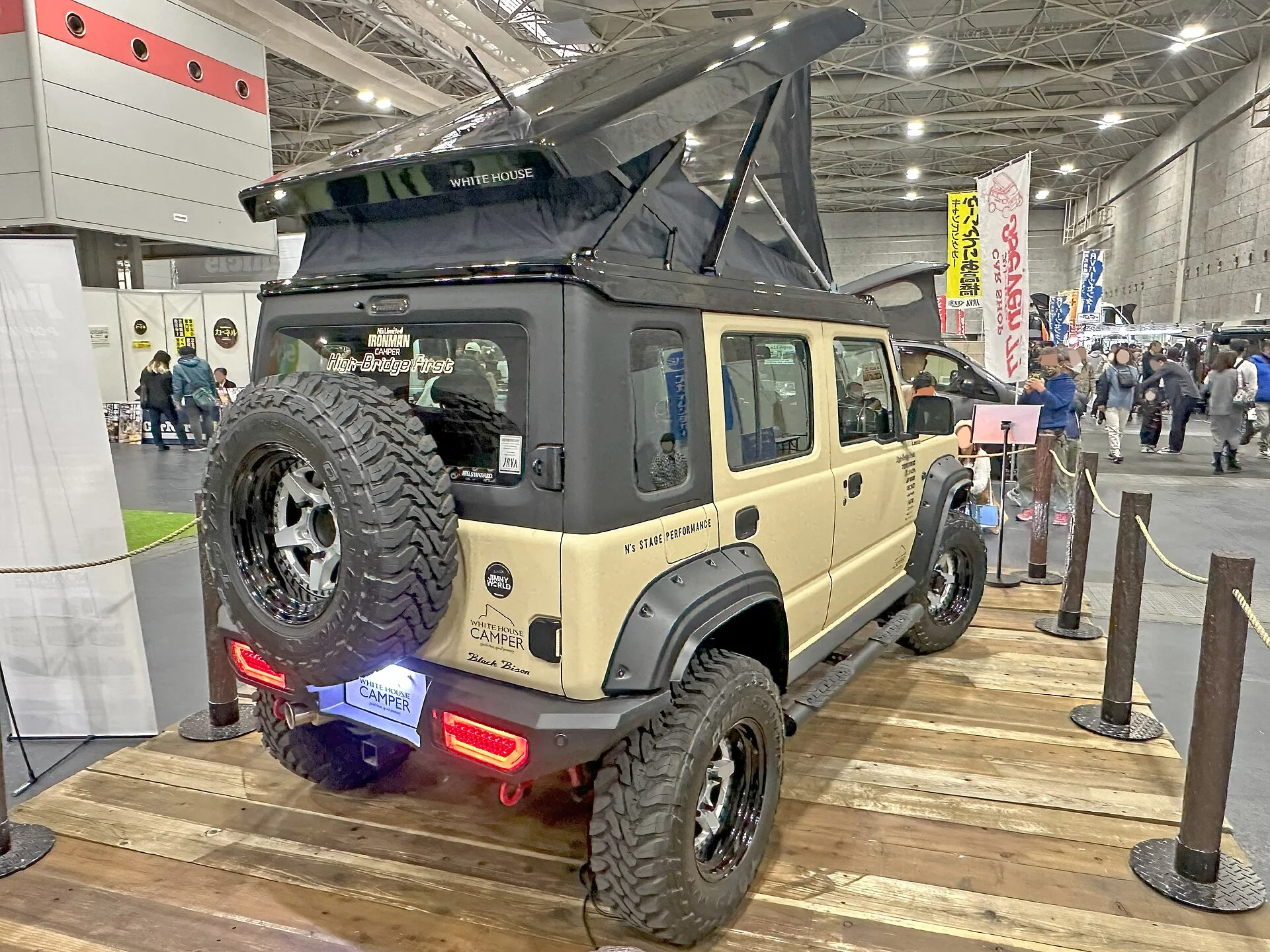
Two compact crossovers, one needs more room to sleep
The Mazda CX-5 and the Toyota Corolla Cross are both popular compact crossovers people consider for car camping — fold the back seats, throw down a pad, and sleep in the cargo area. But they aren’t the same size, and for sleeping in the vehicle, size is most of the story.
The CX-5 is the larger of the two, with noticeably more cargo room and interior space. The Corolla Cross is smaller and more efficient — especially as a hybrid — and cheaper, but it gives up real space exactly where a car camper needs it.
This comparison focuses on what matters when the crossover is your bed for the night: cargo dimensions, the sleeping area, how the seats fold, and the trade-offs in efficiency and price that might still tip you toward the smaller Toyota.
Cargo space and dimensions
The numbers tell the core story before you ever lie down. The CX-5 carries substantially more gear — and gives you more room to stretch out — than the Corolla Cross.
| Spec | Mazda CX-5 | Toyota Corolla Cross |
|---|---|---|
| Cargo, seats up | 33.7 cu ft | 21.5 cu ft |
| Cargo, seats folded | 66.5 cu ft | 46.9 cu ft |
| Liftover height | 28.5 in | 30.9 in |
| Rear-seat folding | Auto-fold via cargo handle | Manual |
| Rear legroom | +7.6 in vs Corolla Cross | — |
| Hybrid option | No (gas) | Yes |
That’s nearly 20 extra cubic feet of folded cargo space in the CX-5 — the difference between a cramped, knees-bent night and room to actually settle in. The CX-5’s lower 28.5-inch liftover also makes loading gear (and climbing in) a little easier.
The seats-up cargo numbers matter for camping too, even though you fold the seats to sleep. That 33.7-versus-21.5-cubic-foot gap is how much gear you can carry behind the rear seats while they’re still up for passengers on the drive out — coolers, totes, a stove, chairs — before you fold everything flat at the campsite. The CX-5 simply lets you bring more and stage it more easily, which is part of why it feels less cramped to live out of over a multi-day trip.
The sleeping area
Here’s the honest truth about both: neither is long enough for a tall adult to lie perfectly flat and straight with the seats folded. Both are compact crossovers, not vans. The question is how close each gets, and how comfortable the compromise is.
In the CX-5, the longer cargo floor and extra width give most people enough room to sleep with the front seats slid forward, or diagonally, or with the hatch cracked and a few extra inches of foot room. Two people fit if they’re friendly; one person can sprawl. The auto-folding rear seats also make setup quick — pull the handle and the seat drops.
In the Corolla Cross, the shorter, narrower floor is a tighter fit. A single camper can make it work with the front seats forward and a well-chosen pad, but a two-person setup is genuinely cramped, and taller campers will feel the length limit. It’s a one-person-and-gear vehicle more than a two-person bedroom.
A useful way to picture it: in either crossover you’re sleeping on a platform that runs from the back of the front seats to the closed hatch, and that length is the whole game. The CX-5 simply gives you more of it, plus more width to turn over without bumping the wheel wells. If you’re close to six feet tall, measure the folded floor of whichever you’re considering before you commit — it’s the single number that decides whether a night in the back is restful or a contortion.
Making either one sleepable
Whichever you choose, the same short list of gear turns a folded cargo area into a real bed.
- A mattress cut to the floor: a foam topper or inflatable SUV camping mattress bridges the gaps and seat seams so you’re not sleeping on ridges. This matters more in the CX-5’s larger but not-perfectly-flat floor.
- Window shades: a set of window shades for privacy, insulation, and blocking morning light — just as important in the smaller Corolla Cross.
- Smart storage: a trunk organizer or bins to move gear up front while you sleep — critical in the Corolla Cross, where space is tight.
The smaller the vehicle, the more disciplined your packing has to be. The CX-5 forgives a messy load; the Corolla Cross rewards a tidy system.
One trick that helps in both, and especially the Corolla Cross: reclaim the front-seat footwells and the front seats themselves as overnight storage. Sliding the front seats forward to make room for your legs also opens space behind them, and stacking your bins and bags up front while you sleep keeps the cargo floor clear for your body. In the tighter Toyota, that front-of-cabin storage is often what makes the difference between a workable bed and giving up and pitching a tent.
Efficiency, range and the case for the Corolla Cross
If the CX-5 wins on space, the Corolla Cross has a real answer: efficiency. Offered as a hybrid, the Corolla Cross returns notably better fuel economy than the gas-only CX-5, which translates directly into more miles between fill-ups on a road trip.
For camping that involves long drives to trailheads and back, better mpg means fewer gas stops, lower trip cost, and more range in remote areas where stations are sparse. A hybrid crossover you sleep in is a genuinely efficient way to road-trip, even if the bedroom is snug.
The Corolla Cross is also typically the more affordable vehicle to buy. So the trade is straightforward: the CX-5 gives you a better bed, the Corolla Cross gives you a cheaper, thriftier vehicle that you can still sleep in if you pack smart.
There’s an idle-power angle worth mentioning too. Car campers often run the engine or accessories for heat, cooling, or charging, and the Corolla Cross hybrid’s ability to top up its battery efficiently can be an advantage for keeping devices charged without burning much fuel. The CX-5, as a conventional gas SUV, doesn’t have that hybrid buffer — though neither vehicle should be relied on to idle all night, and a dedicated power bank or battery pack is the safer way to run a fridge or fan while you sleep.
Comfort and the daily-driver question
Both of these are also someone’s everyday car, and that colors the choice. The CX-5 leans upscale — a quieter, more premium-feeling cabin and more rear-seat room (over seven inches more rear legroom than the Corolla Cross), which helps whether you’re carrying passengers or just want a roomier space to live out of.
The Corolla Cross trades some of that polish and space for Toyota’s efficiency and a lower running cost. It’s the easier car to justify on a budget, and the hybrid’s economy is a daily-driving win, not just a camping one.
Neither is a wrong choice as a do-everything compact crossover. The tie-breaker for a car camper is simply how often you’ll actually sleep in it, and with how many people.
Be realistic about that frequency when you decide. If you’ll sleep in the vehicle a handful of nights a year, the Corolla Cross’s daily efficiency and lower cost probably outweigh the cramped occasional night, and you adapt with good gear. If car camping is a core reason you’re buying — weekends at trailheads, road trips where the vehicle is the lodging — the CX-5’s extra room pays you back on every one of those nights, and the space stops being a novelty and becomes the whole point. Buy for how you’ll really use it, not the trip you imagine taking once.
Which should you camp in?
Match the crossover to your camping reality:
- Choose the Mazda CX-5 if sleeping comfort is a priority — more cargo length and width, an easier liftover, quick auto-folding seats, and enough room for two in a pinch. It’s the better bed.
- Choose the Toyota Corolla Cross if you mostly camp solo, value hybrid efficiency and a lower price, and you’re willing to pack tight and slide the front seats forward to make the smaller space work.
- Two people, taller campers, or frequent trips? The CX-5. Solo, budget-minded, long highway miles? The Corolla Cross earns its keep.
The verdict
For car camping specifically, the Mazda CX-5 is the better vehicle. It has nearly 20 more cubic feet of folded cargo space, more interior room, a lower liftover, and convenient auto-folding rear seats — all the things that make sleeping in a crossover less of a compromise.
But the Toyota Corolla Cross isn’t out of the running. If you camp alone, want a hybrid’s fuel economy for long drives, and prefer a lower purchase price, it’s a perfectly capable solo camper — you just have to respect its tighter dimensions and pack accordingly.
Bigger bed or thriftier ride: that’s the call. Whichever you pick, a fitted mattress, window shades, and a smart storage system are what actually turn the cargo area into a comfortable place to spend the night — and with the right setup, even the smaller Corolla Cross can carry you through a great solo trip, while the CX-5 simply gives you more room to enjoy it.