How to Introduce Puppy to Car Rides: Tips for a Smooth Journey
Auto Roamer
9 min read
Includes Video
To learn how to introduce puppy to car rides, the most effective strategy is through gradual, positive exposure. Ensure each experience is stress-free and enjoyable, as a car is a strange environment for a young pup. This approach helps your puppy adapt comfortably, making future journeys smoother and more pleasant.
Bringing a new puppy home means introducing them to countless new experiences, and learning how to introduce puppy to car rides is a big one. For us, a car is familiar, but for a young pup, it's a sensory overload - strange sounds, movements, and confined spaces can be alarming How to Train Your Puppy for Car Rides. We've seen firsthand how a negative first impression can lead to lifelong car anxiety, motion sickness, or fear, turning essential vet trips and fun adventures into stressful ordeals for everyone involved Teach Your Dog to Ride in the Car: Preventing Anxiety.
That's why a thoughtful, positive introduction is critical. This guide cuts through the noise, offering proven strategies to ensure your puppy views car travel as a comfortable and exciting part of their life, not a dreaded chore. We'll cover everything from initial desensitization, even starting from 10 feet away while the car is parked, to creating positive associations through short, enjoyable trips How to Help Your Dog Enjoy Car Rides. Our goal is to equip you with practical steps, making sure your puppy isn't just tolerating the car, but genuinely loving the journey, paving the way for countless shared adventures.
The Short Answer: How To Introduce Puppy To Car Rides
The most effective strategy on how to introduce puppy to car rides is through **gradual, positive exposure**, ensuring each experience is stress-free and enjoyable. This foundational approach prevents future anxiety and motion sickness, cultivating a confident travel companion for years to come The Puppy Academy.
We begin by making the car a **positive, static environment**, never forcing interaction. Start with the engine off, allowing your puppy to explore the parked vehicle at their own pace, offering high-value treats and praise for calm curiosity Kastens Dog Training. This builds a happy association before any movement begins.
Always prioritize **safety by securing your puppy** in the back seat using a crash-tested crate, car seat, or harness. This prevents injury during sudden stops and eliminates driver distractions The Puppy Academy.
Next, introduce **very short trips to positive destinations**, such as a favorite park or a friend's house, not just the vet. Associate car travel with exciting outcomes, making each journey a rewarding adventure Purina. Gradually increase the duration and distance of these rides as your puppy's comfort visibly grows.
If your puppy shows any reluctance or fear, immediately revert to an earlier, more comfortable step, or even work from a distance, like **10 feet away from the parked car**. Continue reinforcing positive feelings with treats and play. Patience and consistent positive reinforcement are indispensable for success, ultimately making every car experience a positive one AKC.
To further ease your puppy's journey, consider techniques from our article on calming car anxiety.
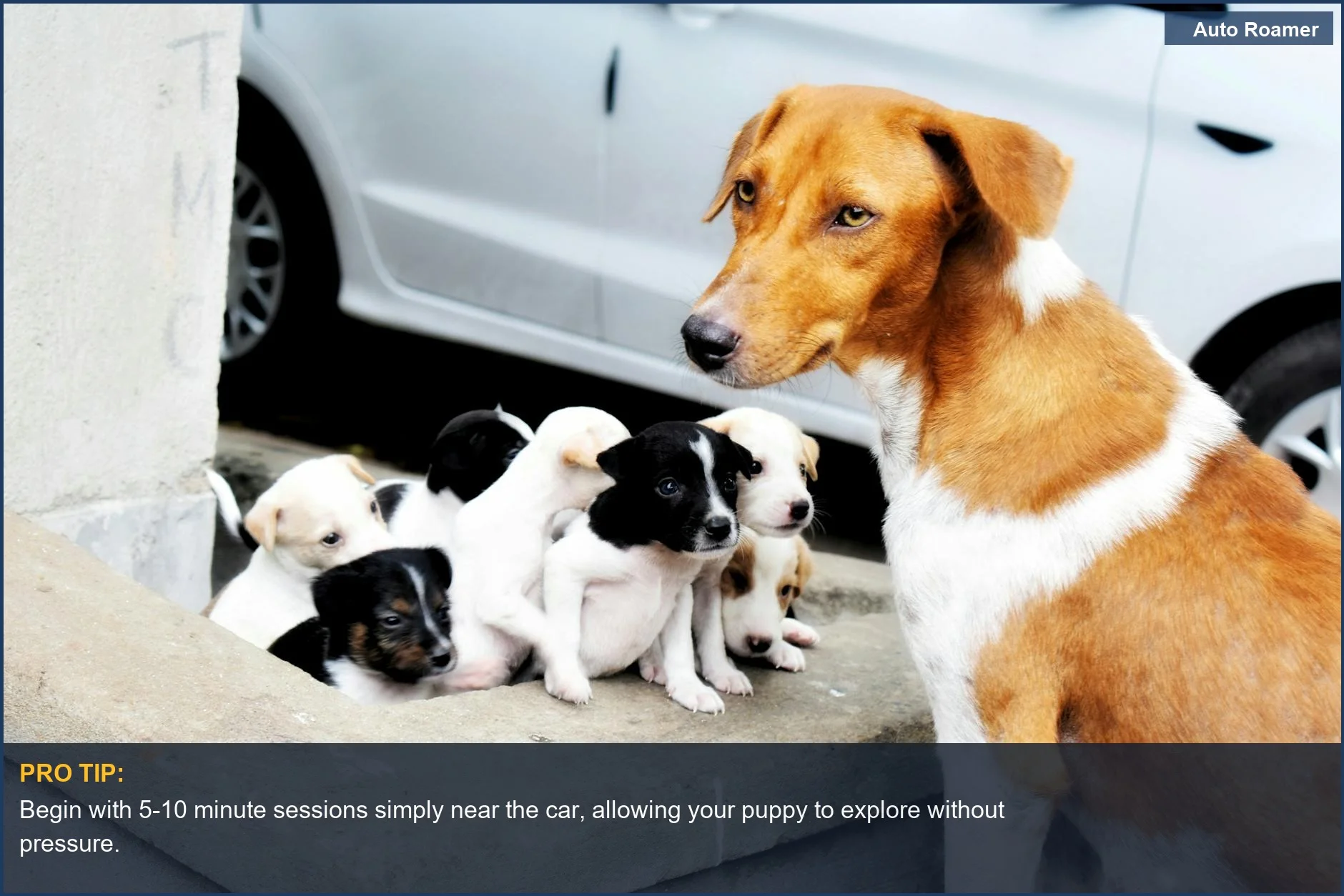
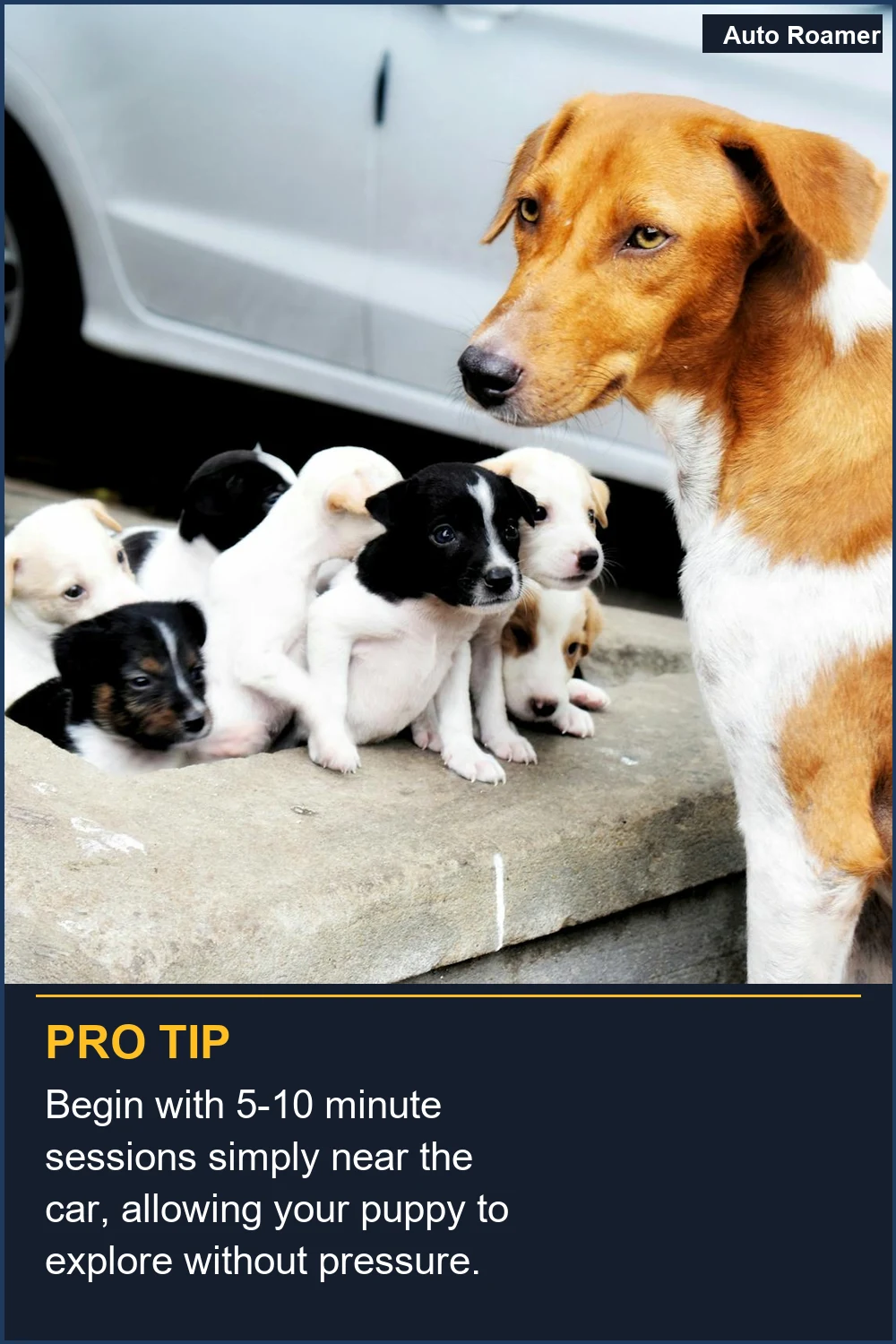
This heartwarming scene shows puppies near a car, highlighting the importance of early, calm exposure when introducing a puppy to car rides. Start with sessions lasting only 5 minutes.
| Photo by Debendra Das
This heartwarming scene shows puppies near a car, highlighting the importance of early, calm exposure when introducing a puppy to car rides. Start with sessions lasting only 5 minutes.
| Photo by Debendra Das
What You Need to Know
A car is a strange environment for a puppy. We know driving is second nature to us, but for a young pup, it's a completely new sensory experience The Puppy Academy. **Early positive experiences** are crucial to prevent adult anxiety and motion sickness AKC. Introducing puppies to car rides correctly makes them excellent travel companions.
Before any training, prioritize **safety in the car**. Never let your puppy wander freely or sit in your lap; this is a serious distraction and a danger in an accident The Puppy Academy. We always recommend securing your puppy in a **car crate, a dedicated car seat, or a puppy car harness** in the backseat. This is the safest spot, minimizing driver distraction and protecting the pup Purina.
1
Start with the car off - Begin by simply bringing your puppy near the parked car, engine off. Keep them on a leash, offering praise as they approach and sniff, working slowly around the vehicle Kasten's Dog Training.
2
Encourage entry with treats - With the car door open, place high-value treats on the threshold, on the car floor, and then on the seat or in their secured travel setup. Use a positive command like "hop in" and reward any calm entry, even if it's just a paw at first Kasten's Dog Training. Allow them to explore the interior while still parked.
3
Short, positive trips - Once comfortable inside the parked car (engine off, then on), progress to very short trips, like just backing out of the driveway or a quick spin around the block. Always end these initial trips with a **positive, fun destination** like a park or a pet-friendly store, never just the vet Golden Retriever Owners Group Facebook. We've seen this strategy build strong positive associations.
To prevent **motion sickness**, avoid feeding your puppy a full meal 2-3 hours before a car ride The Puppy Academy. Keep early car rides short and sweet, gradually increasing duration as your puppy's comfort grows. If your puppy shows fear, return to a previous step where they were relaxed; patience is key to **how to introduce puppy to car rides** successfully AKC.
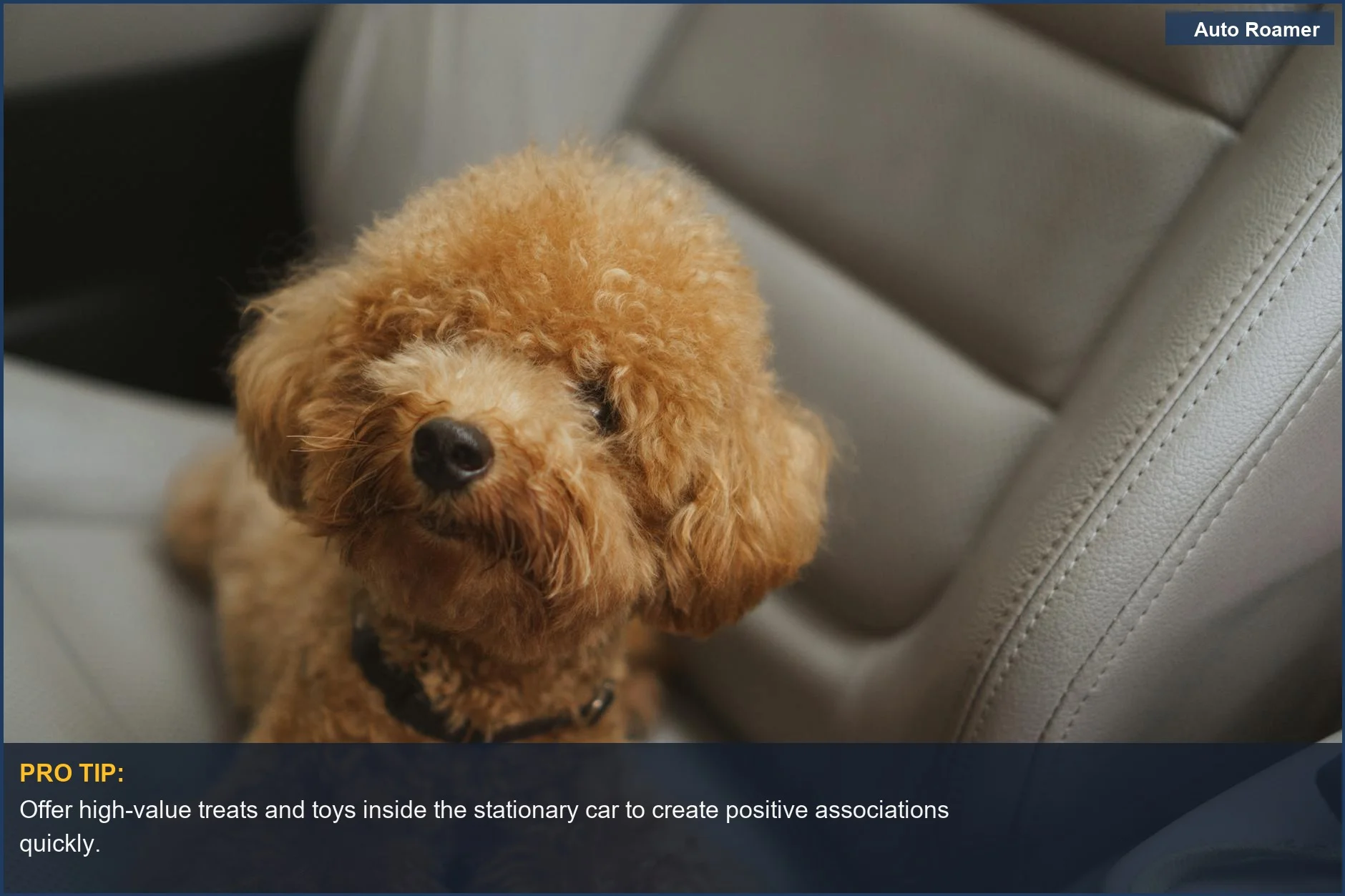
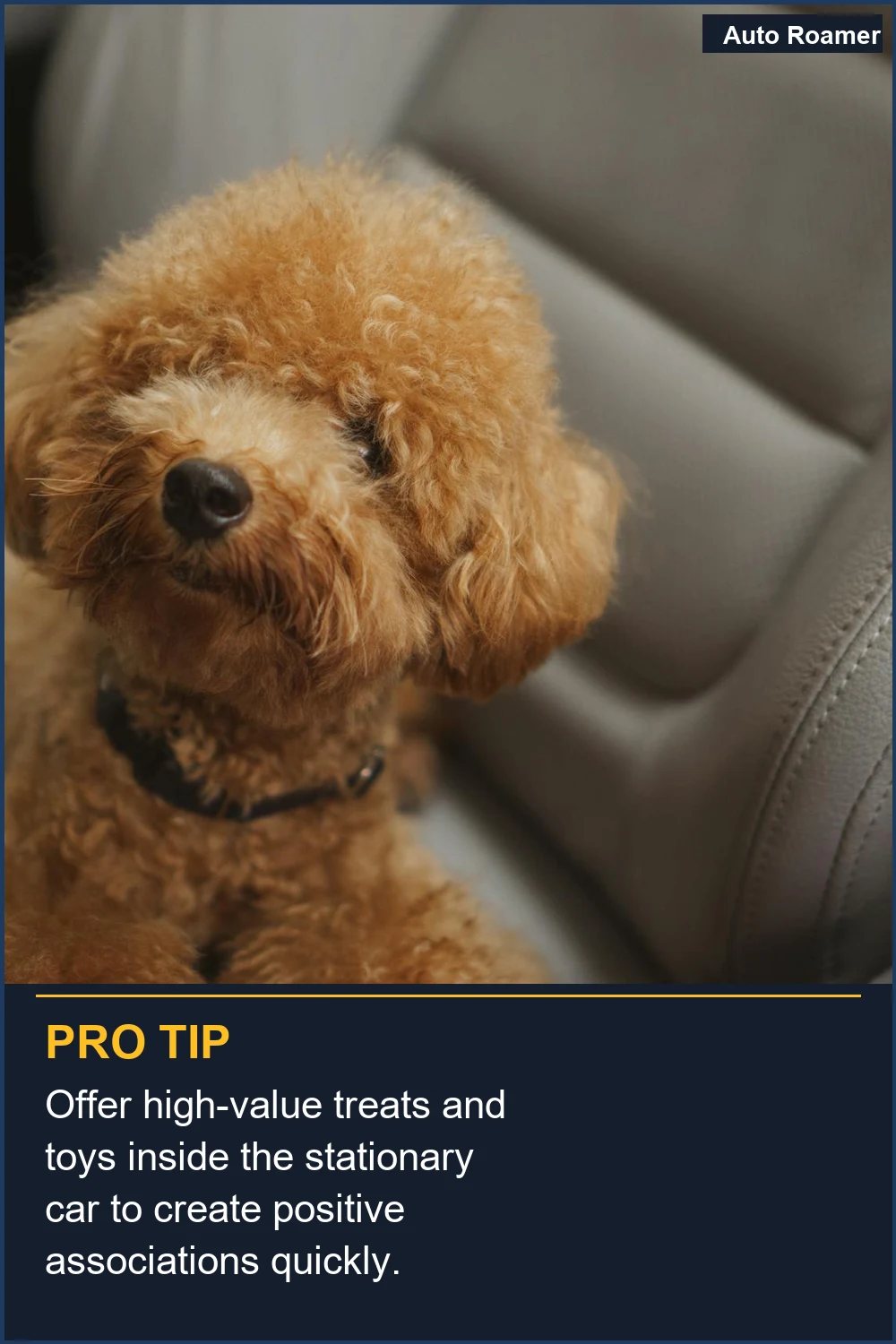
Seeing this adorable poodle puppy relaxed in a car seat emphasizes the impact of early positive experiences in getting a puppy used to car travel. Many puppies take over 10 short sessions to adjust.
| Photo by lizhnni
Seeing this adorable poodle puppy relaxed in a car seat emphasizes the impact of early positive experiences in getting a puppy used to car travel. Many puppies take over 10 short sessions to adjust.
| Photo by lizhnni
How to Handle This
1
Start with the car as a stationary, non-threatening object - We want the puppy to view the car as a normal part of their environment, not just something associated with stressful vet visits. Begin by simply having your puppy near the parked car, perhaps even starting from 10 feet away AKC. Offer praise and treats for calm behavior as they approach, gradually moving closer until they are comfortable beside it Kastens Dog Training. This foundational desensitization is crucial for preventing anxiety later on.
2
Encourage entry with positive reinforcement - Once your puppy is comfortable around the car, open the door and place treats inside, working towards them voluntarily hopping in. Let them explore the interior with the engine off, rewarding curiosity and calm behavior Kastens Dog Training. This helps build a positive association with the car's confined space before any movement occurs. We've found that using a secure crate or harness from the start normalizes it as part of the car experience The Puppy Academy.
3
Introduce the engine sound and vibrations slowly - With your puppy secured inside a crate or car seat, turn on the engine for short periods without driving Guide Dogs for the Blind. This step desensitizes them to the car's unique sounds and vibrations while eliminating the added stress of movement. We typically start by just sitting in the car with the engine running for a minute, then gradually increasing the time, always with treats and calm praise Purina.
4
Embark on very short, happy trips - The first actual drives should be brief, just around the block or to a nearby positive destination like a park or a favorite walking spot Facebook Group: Golden Retriever Owners. This teaches them that car rides lead to fun, not just vet visits, a key part of how to introduce puppy to car rides effectively. Keep these initial journeys under 5-10 minutes, always ending on a good note to solidify that positive association, building their tolerance slowly Golden Paws Dog Training.
Additionally, you might want to explore tips on keeping your dog calm during thunderstorms while traveling.
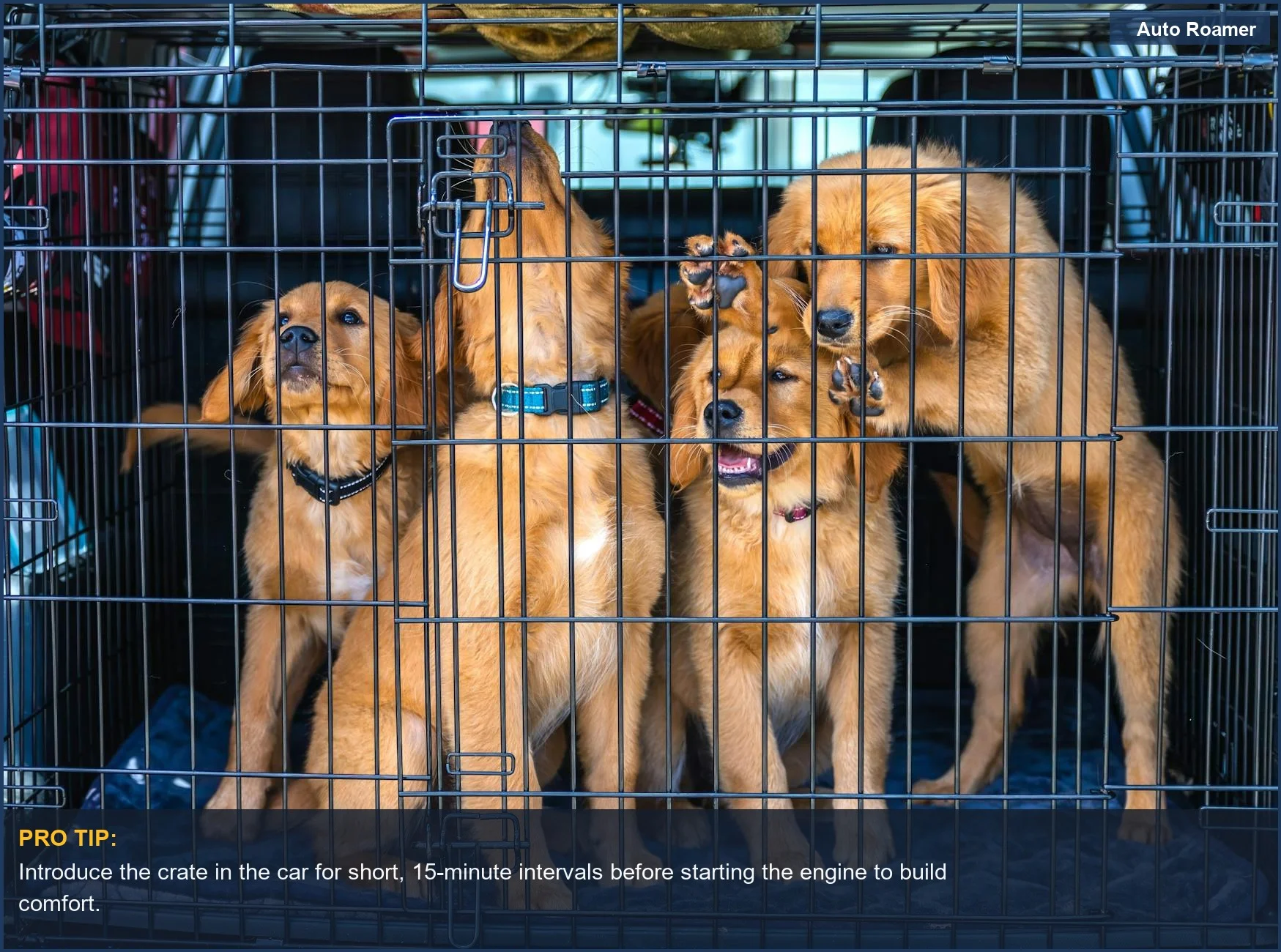
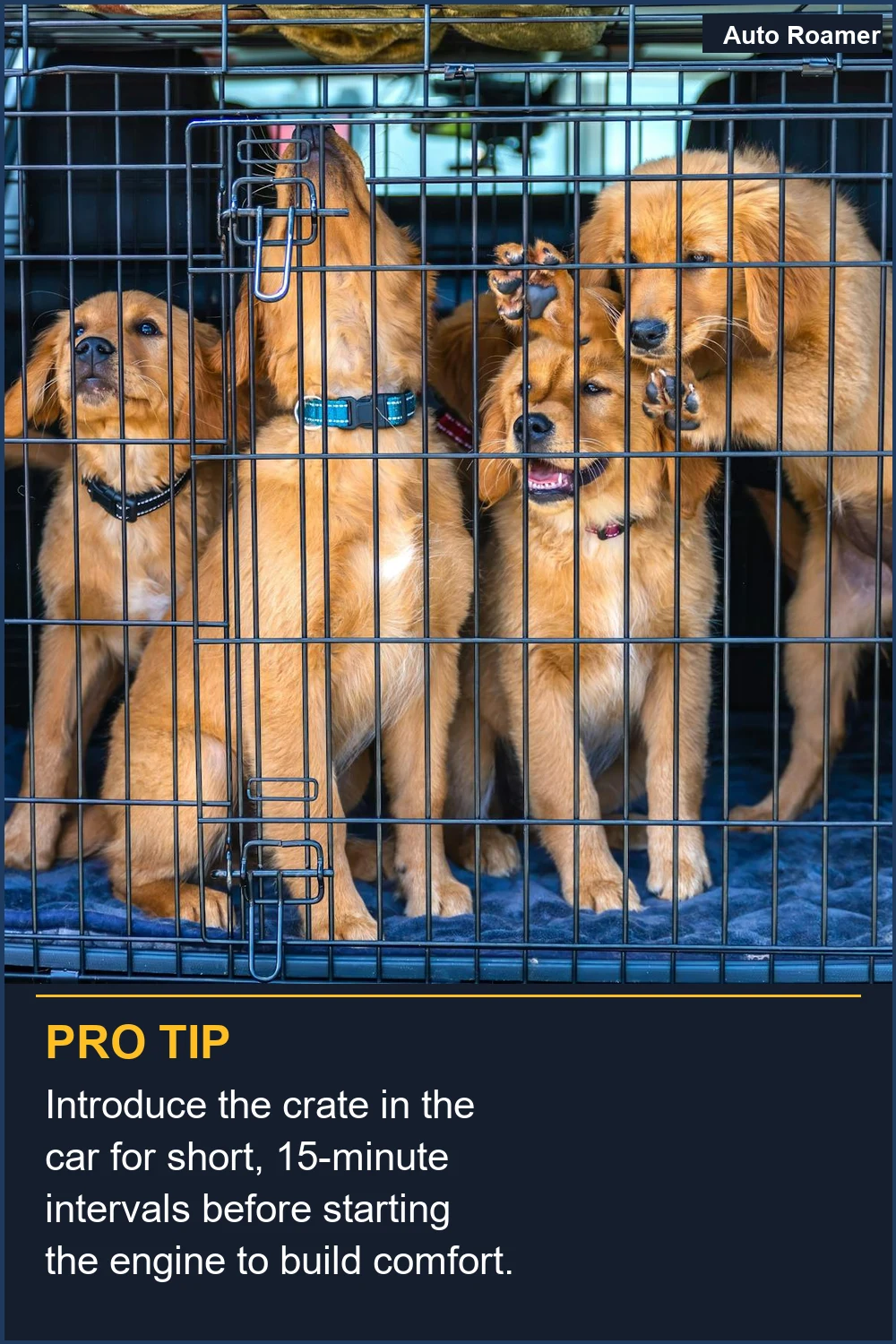
These adorable golden retriever puppies in a car crate illustrate the importance of safe containment when preparing a puppy for car trips. Start with 15-minute sessions in a stationary car.
| Photo by Robert So
These adorable golden retriever puppies in a car crate illustrate the importance of safe containment when preparing a puppy for car trips. Start with 15-minute sessions in a stationary car.
| Photo by Robert So
Safety Considerations
Introducing your puppy to car rides safely is paramount. Prioritize a positive experience; ignoring early signs leads to lifelong anxiety or dangerous situations. Always put safety first The Puppy Academy.
We confirm proactive measures prevent stress for both puppy and driver.
Symptom Puppy roams freely, jumps onto your lap, or interferes with car controls.
Signal An unrestrained puppy distracts the driver and risks injury as a projectile in accidents.
Fix Secure your puppy in a car crate, dedicated seat, or pet harness. The back seat is the safest location The Puppy Academy.
Symptom
Considering the safety of all pets, you might also find it helpful to learn how to keep cats calm during car travel with practical tips.
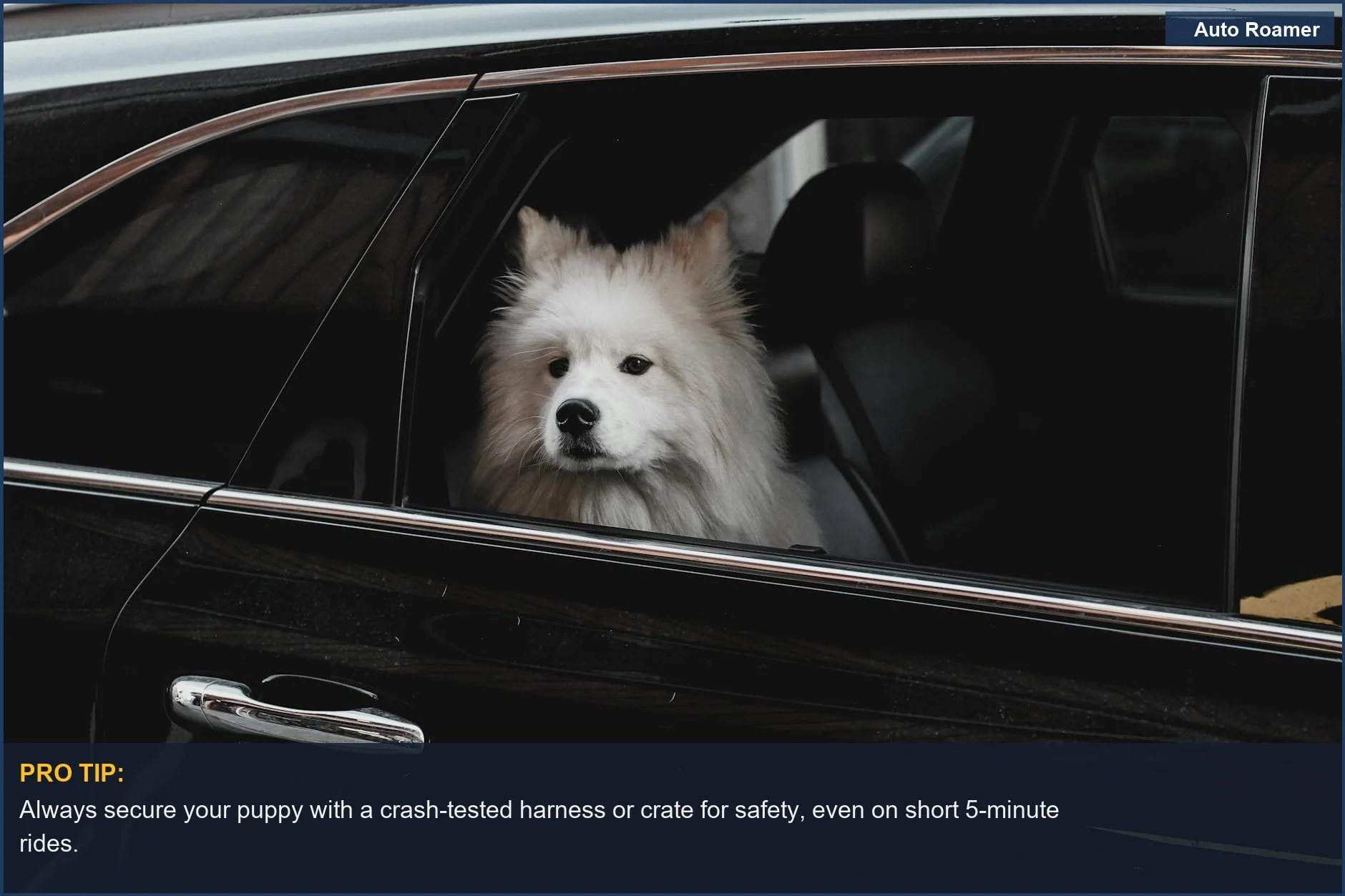
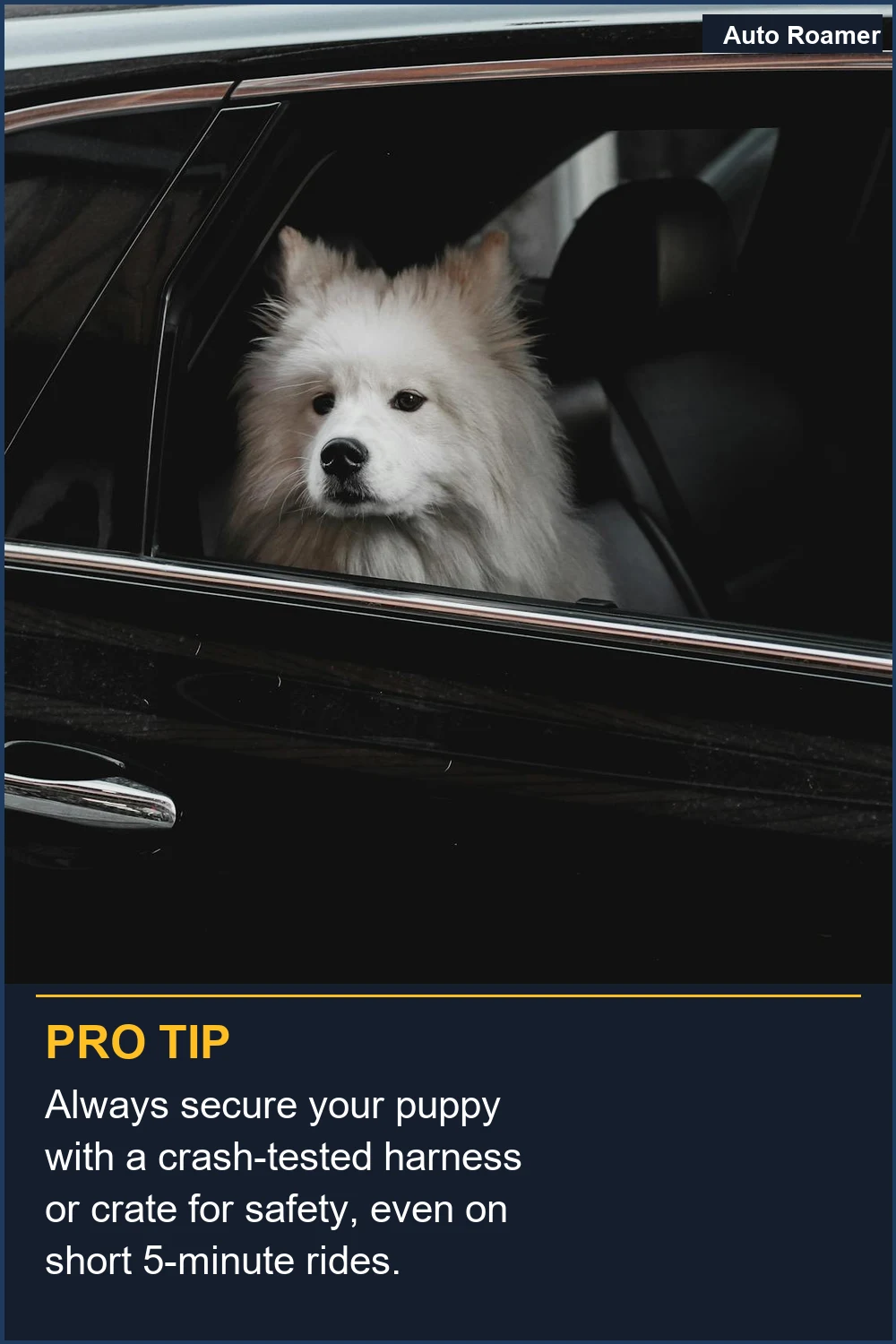
Watching this fluffy Samoyed puppy enjoy the view from a car window highlights the goal of making car rides enjoyable for puppies. Always prioritize safety with proper restraint, preventing 1000s of accidents yearly.
| Photo by Peyvand Pezeshki
Watching this fluffy Samoyed puppy enjoy the view from a car window highlights the goal of making car rides enjoyable for puppies. Always prioritize safety with proper restraint, preventing 1000s of accidents yearly.
| Photo by Peyvand Pezeshki
Common Mistakes to Avoid
Teaching your puppy to love car rides requires patience and strategy. We've seen owners make common, well-intentioned mistakes that accidentally create negative associations. Understanding these pitfalls is crucial for a smooth introduction to how to introduce puppy to car rides.
MistakeRushing the introduction to car rides.
Consequence The puppy can become overwhelmed, leading to fear, anxiety, or motion sickness AKC. This creates a lasting negative association, making future trips challenging. They may resist getting into the car entirely.
Solution Start incredibly slowly, with the car off and parked. Let your puppy explore the interior, offering treats and praise Kasten's Dog Training. Gradually introduce engine noise, then take very short trips, even starting by simply approaching the car from 10 feet away.
Mistake Only driving your puppy to **unpleasant destinations**, like the vet.
Consequence Puppies quickly associate the car with stress, fear, or discomfort AKC. This leads to apprehension or reluctance to enter the car when you need to travel.
Solution Balance necessary trips with frequent, short drives to fun places, such as a local park for playtime or a pet-friendly store. The car should lead to **positive experiences**, not just scary ones Purina.
Mistake Allowing your puppy to **roam freely or sit on a lap** while driving.
Consequence This poses a severe safety risk; in an accident or sudden stop, the puppy becomes a projectile, risking injury to themselves and occupants The Puppy Academy. It's also a major driver distraction.
Solution Always secure your puppy in a crash-tested crate, car seat, or proper harness in the backseat. This is a non-negotiable step for **everyone's safety** The Puppy Academy.
Mistake Giving your puppy a **full meal right before a car ride**.
Consequence Many puppies, especially young ones, are prone to motion sickness. A full stomach significantly increases the likelihood of **vomiting or excessive drooling** during travel.
Solution
To ensure a harmonious journey, you might also want to consider strategies for handling toddler meltdowns on long trips.
Key Takeaways
To effectively introduce puppy to car rides, start with slow, positive introductions, engine off, and reward heavily with praise and treats. Gradually build up to short trips to fun, positive destinations. Kastens Dog Training, Guide Dogs for the Blind
Always prioritize puppy safety in the car by securing them properly. Use a car crate, dedicated car seat, or a car harness in the back seat to prevent distractions and injury. The Puppy Academy, Purina
Prevent motion sickness by avoiding food or water right before a trip, allowing 2-3 hours after meals. Keep early car rides brief and increase duration only when your puppy is comfortable. The Puppy Academy, Facebook Group
Patience and consistency are crucial for helping your puppy love car rides. Move at their pace, never forcing them, and make every interaction around the car a positive experience to build confidence. AKC, Kastens Dog Training
If your puppy continues to show significant fear, anxiety, or severe motion sickness despite consistent efforts, consider seeking guidance from a professional dog trainer or veterinarian. This ensures they get the specific help they need. AKC, Golden Paws Dog Training
To ensure your puppy's comfort during car rides, consider exploring our tips on dog car sickness remedies.
Frequently Asked Questions
When can puppies start going on car rides?
From our experience, puppies can typically start riding in the car as early as 8 weeks old, right around when they join your family. The key is to make these initial experiences short, positive, and focused on building comfort and security in the vehicle. Source
What's the best way to keep my puppy safe in the car?
Securing your puppy properly is non-negotiable for their safety and yours. We always use a sturdy, crash-tested crate or a well-fitting pet seatbelt harness for our dogs, positioned in the back seat to prevent driver distraction and injury in case of a sudden stop. Ensure they have enough ventilation and aren't in direct sunlight. The Puppy Academy
My puppy gets car sick, what should I do?
If your puppy shows signs of motion sickness like drooling, whining, or vomiting, start by making trips extremely short-just pulling out of the driveway and back. Gradually increase the duration only when they're comfortable, keeping the car calm and well-ventilated. We've found that avoiding food or large amounts of water 2-3 hours before a trip can significantly help, as recommended by some trainers. The Puppy Academy
Are there specific laws about having a puppy in the car?
While specific laws for pet restraint vary significantly by state or country, it's widely required to keep pets secured in the vehicle. This isn't just for their safety in an accident, but also to prevent driver distraction, which can lead to hefty fines or worse. Always check your local Department of Motor Vehicles for exact regulations before you hit the road.
How can I make car rides more enjoyable for my puppy?
Creating a positive experience is paramount. We always ensure the car is at a comfortable temperature and set up a cozy spot with their favorite blanket or a safe chew toy that only comes out for car rides. Pairing the car with high-value treats and praise, even for just sitting calmly, builds a strong positive association over time. AKC
What's the first step to get my puppy used to the car?
Begin with the car parked and the engine off. We've found success by simply letting the puppy explore the car's interior, offering high-value treats and praise for calm behavior, without even starting the engine. You can even feed them a meal or play a short game inside the vehicle to build positive associations before any movement happens. Guide Dogs for the Blind
How long should initial car trips be for a puppy?
Initial trips should be incredibly short, ideally just a few minutes, even if it's just pulling out of the driveway and back. The goal isn't the destination, but to create a positive, uneventful experience. Gradually, over days or weeks, you can increase this to 5-10 minutes, then longer, always observing your puppy's comfort level. Facebook Group
My puppy only associates car rides with the vet. How do I change that?
This is a common challenge, but it's fixable with counter-conditioning and desensitization. We started taking our dogs on many short, fun trips to places like the park, a friend's house, or just for ice cream, ensuring they weren't always going to the vet. Pair the car with high-value rewards and positive experiences, slowly changing their emotional response from negative to positive. AKC
Should I use treats to encourage my puppy into the car?
Absolutely, high-value treats are a powerful tool for positive association. We place a trail of small, enticing treats leading into the car and reward heavily for calm entry and settling. This method, combined with plenty of praise, helps them connect the car with positive experiences rather than fear or uncertainty, making future trips much easier. Kasten's Dog Training