
Toyota 4Runner Camping Setup: Complete Guide to Sleeping in Your 4Runner
Introduction: Why the 4Runner is Perfect for Car Camping
The Toyota 4Runner has earned its legendary status among overlanders and car campers. Its combination of legendary Toyota reliability, serious off-road capability, and practical cargo dimensions makes it one of the best vehicles for car camping—period. Unlike crossovers that compromise capability for fuel economy, the 4Runner maintains body-on-frame construction and true off-road credentials while providing comfortable sleeping space.
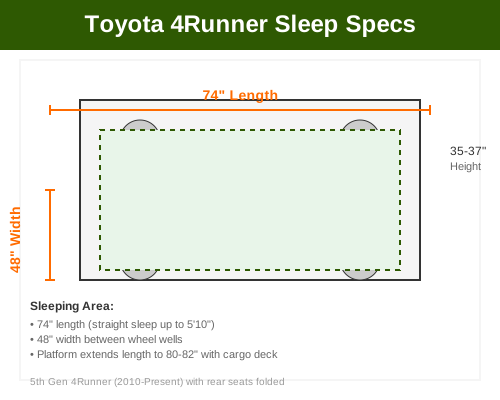
The 5th generation 4Runner (2010-present) offers a flat cargo area when rear seats are folded, measuring approximately 74" long by 48" wide—enough for comfortable sleeping. The sliding rear cargo deck (standard on some trims) extends this space, and the rear window that rolls down provides unique ventilation options.
This guide covers everything you need to sleep comfortably in your 4Runner: mattress selection, sleeping platform options, gear organization, ventilation, and tips from experienced 4Runner campers. Whether you're doing a weekend camping trip or extended overlanding adventure, your 4Runner can be your mobile bedroom.
4Runner Cargo Dimensions for Sleeping
Understanding your 4Runner's cargo dimensions is essential for planning your sleeping setup.
5th Generation 4Runner (2010-Present) Dimensions
With rear seats folded: - Length: 74" (from rear seats to tailgate) - Width: 48" (between wheel wells) - Height: 35-37" (to roof) - Floor width (max): 55" (above wheel wells)
With sliding cargo deck extended: - Additional length: 6-8" - Creates 80-82" total length - Deck rated for sitting, not heavy loads
Who Can Sleep Comfortably
- People up to 5'10": Sleep straight, head-to-tailgate
- People up to 6'2": Sleep diagonally or with slight knee bend
- Taller people: Need sleeping platform with rear hatch open, or rooftop tent
4th Generation 4Runner (2003-2009) Differences
Similar overall dimensions but slight variations: - Slightly less cargo length - Similar width between wheel wells - Sliding cargo deck less common
Trim Level Considerations
SR5/TRD Off-Road: Standard cargo area Limited: May have different cargo features TRD Pro: Standard cargo area, adds off-road capability
The crawl control knob and transfer case controls on TRD models don't affect sleeping area dimensions.
Best Mattresses for 4Runner Camping
The 4Runner's cargo dimensions accommodate several mattress options. Choose based on your priorities.
Air Mattresses
Luno Air Mattress 2.0 4Runner-Specific - Custom fit for 4Runner dimensions - Dual chambers for firmness adjustment - Includes 12V pump - Premium option: $250-300 - Best for: Those wanting perfect fit
AirBedz SUV Air Mattress - Universal fit works with 4Runner - Includes wheel well cutouts - More affordable: $80-120 - Best for: Budget-conscious campers
Foam Mattresses
4" Tri-Fold Memory Foam (Full Size) - Full size (54" × 75") fits with slight width trimming - Excellent comfort, no inflation needed - Stores folded when not camping - Cost: $120-180 - Best for: Maximum comfort priority
Custom-Cut Foam - Cut exactly to 4Runner dimensions - Order from foam suppliers - Include wheel well cutouts - Cost: $150-250 - Best for: Perfect fit enthusiasts
Self-Inflating Pads
Exped MegaMat Duo - 4" thick luxury sleeping - High R-value for cold camping - Excellent comfort/packability balance - Cost: $300-400 - Best for: All-season campers
REI Camp Dreamer XL - 3.5" thickness - Good value - Packs reasonably small - Cost: $120-180 - Best for: Value-focused campers
Mattress Size Recommendations
| Sleepers | Recommended Size | Width | Length |
|---|---|---|---|
| Solo | Full or Twin XL | 38-54" | 75-80" |
| Couple | Full | 54" | 75" |
| Couple (comfortable) | Need platform or trimmed queen | 48-54" | 75-80" |
4Runner Sleeping Platform Options
A sleeping platform elevates your mattress, creates organized storage underneath, and provides a level sleeping surface. For regular 4Runner camping, a platform is the most impactful upgrade.
Benefits of a Sleeping Platform
- Level surface (eliminates seat-fold gaps and floor irregularities)
- Storage for gear underneath (keeps sleeping area clear)
- Higher sleeping position (easier entry/exit)
- Can extend sleeping length (platform beyond folded seats)
- Insulation from floor (dead air space beneath)
DIY Platform Design
A basic 4Runner sleeping platform uses:
Materials: - 3/4" plywood (birch for lighter weight) - 2×4 or 2×3 lumber for frame - Carpet or fabric for top surface - Piano hinges (if adding access panels)
Design considerations: - Height: 10-14" provides good storage while maintaining headroom - Support at cargo tie-down points - Removable or folding design if you need cargo area - Access panels for storage below
Basic construction: 1. Build frame to fit cargo area dimensions 2. Cut plywood top(s) to fit 3. Add carpet padding for comfort and noise reduction 4. Include cutouts or removable sections for storage access
Commercial Platform Options
Goose Gear 4Runner Sleep Platform ($800-1,200) - Purpose-built for 4Runner - Quality construction - Includes storage solutions - Easy installation
Overland Gear Guy 4Runner Platform ($600-900) - Multiple configurations - Drawer options available - Fits specific 4Runner generations
DIY Kits from Various Suppliers ($200-400) - Pre-cut panels - Hardware included - Easier than full DIY
Simple No-Platform Alternative
If you don't want a permanent platform:
- Fold rear seats flat
- Fill gap between seats and cargo floor with bags/bins
- Lay plywood sheet over bins to create flat surface
- Add mattress
- Remove when cargo space needed
Cost: Under $100 for plywood and bins
4Runner Ventilation Strategies
The 4Runner has excellent ventilation options for car camping, including its unique roll-down rear window.
Rear Window Ventilation
The 4Runner's roll-down rear window is a unique advantage:
- Full open: Maximum airflow, great for mild weather
- Partially open: Good airflow with some weather protection
- Bug screen: Add aftermarket screen over opening
Caution: Don't sleep with rear window fully open in rain or leave completely open in bear country.
Side Window Strategies
Rear side windows: Crack open for cross-ventilation. Rain guards (weathertech or similar) allow windows open in light rain.
Window screens: Aftermarket bug screens fit in window frames, allowing windows fully open without bugs.
12V Fans
A 12V fan dramatically improves airflow:
- Position to pull air from rear window out through side windows
- Or reverse to pull outside air in
- Power from cargo area 12V outlet
- Rechargeable battery fans work if you don't want to drain vehicle battery
Hot Weather Tips
- Park in shade (critical in 4Runner with dark interior)
- Arrive at camp late when temperatures drop
- Open all windows and rear hatch during setup
- Use sunshade on windshield
- Consider light-colored window covers (reflect heat)
Cold Weather Tips
- Close all windows except small opening for fresh air
- Use insulated window covers
- The 4Runner's smaller interior warms from body heat faster than larger SUVs
- Never run engine for heat while sleeping (carbon monoxide)
4Runner-Specific Gear and Accessories
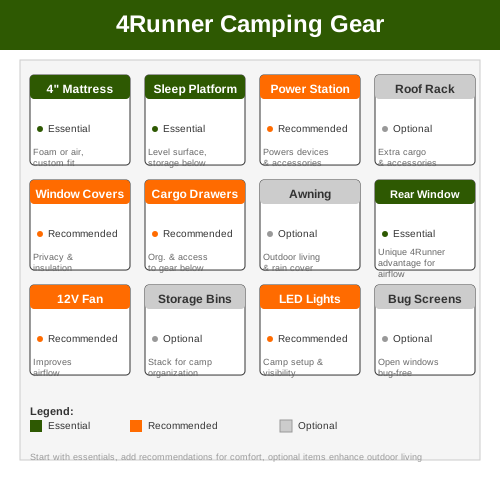
Several accessories enhance 4Runner camping specifically.
Window Covers/Shades
- WeatherTech window shades: Custom fit, good insulation
- Magnetic window covers: Easy on/off, good privacy
- DIY Reflectix covers: Budget option, cut to fit
Cargo Organization
Drawer systems: - DECKED drawer system (fits 4Runner cargo area) - Goose Gear drawers - DIY drawer builds
Cargo boxes and bins: - Plano storage boxes (stackable) - RTIC/Yeti coolers as seats and storage - Roof box for less-used items
Roof Racks and Rooftop Tents
The 4Runner's roof rack points support:
- Roof baskets: Yakima, Thule, Prinsu racks
- Rooftop tents: If you want more sleeping space
- Awnings: ARB, Rhino-Rack for outdoor living space
Power Setup
12V access: - Factory outlet in cargo area - Add auxiliary outlet wired to auxiliary battery - Many add dual-battery setups for overlanding
Portable power stations: - Jackery, Bluetti, EcoFlow options - Charge while driving, use while camping - Powers fans, lights, devices, small fridge
Exterior Accessories
Awning: Creates outdoor living space, shade, rain protection Recovery gear: Maxtrax, shovel, straps for off-road access Lights: LED light bars for camp illumination
4Runner Camping Tips from Experienced Campers
Tips from the 4Runner camping community:
Sleep Position
Most comfortable: Head toward tailgate, feet toward front - Easier to sit up - Roll-down window at head for ventilation - More privacy (feet toward windows)
Alternative: Head toward front, feet toward tailgate - Works if you want to watch the view - Slightly awkward for sitting up
Pre-Trip Preparation
- Test your setup at home before the trip
- Practice setup/breakdown to streamline the process
- Make a packing list of where everything goes
- Check tire pressure appropriate for terrain
- Test all electrical (fans, lights, outlets)
At Camp Setup
- Find level parking spot (or level with blocks)
- Set up window covers before it gets dark
- Organize gear before making bed
- Set up cooking area outside before you need it
- Keep headlamp and water within reach from sleeping position
Security Considerations
- Lock doors while sleeping
- Privacy covers prevent people seeing inside
- Valuables hidden even in locked vehicle
- Be aware of surroundings when choosing camp spots
- Never run engine while sleeping (CO risk)
Bathroom Logistics
- Keep small bag with toilet kit easily accessible
- Know where nearest facilities are
- Have plan B (portable toilet, cathole supplies)
- Pee bottle option for night (avoids leaving vehicle)
Morning Routine
- Open windows/doors immediately for fresh air
- Have coffee/breakfast system ready to go
- Don't rush pack-up (enjoy camp in morning)
- Pack methodically so you know where everything is
Frequently Asked Questions
Can you comfortably sleep in a Toyota 4Runner?
Yes—the 4Runner is one of the best SUVs for car camping. The cargo area provides approximately 74" × 48" of sleeping space with seats folded, adequate for most people. With a good mattress and setup, it's comfortable for regular camping.
How tall can you be to sleep in a 4Runner?
People up to about 5'10" can sleep straight. Those up to 6'2" can sleep diagonally or with slight knee bend. Taller campers need a sleeping platform that extends length, or a rooftop tent.
Do I need a sleeping platform for 4Runner camping?
Not required, but highly recommended for regular campers. A platform creates level sleeping surface, provides storage underneath, and extends sleeping length. For occasional camping, a mattress directly on folded seats works fine.
What's the best mattress for a 4Runner?
A 4" foam mattress or 4Runner-specific air mattress (like Luno) provides excellent comfort. Self-inflating pads work well if you need packability. The best choice depends on how often you camp and your storage priorities.
Can two people sleep in a 4Runner?
Yes, but it's cozy. The 48" width between wheel wells fits two people, but a full-size mattress is tight. For couples, consider a sleeping platform that uses full width above wheel wells, or sleep head-to-foot for more room.
Is the 4Runner good for overlanding?
Excellent. The 4Runner combines Toyota reliability, true body-on-frame off-road capability, and practical cargo space. TRD Off-Road and TRD Pro trims add serious off-road features. It's one of the most popular overlanding vehicles.
How do I stay cool sleeping in a 4Runner in summer?
Use the roll-down rear window for airflow, add a 12V fan, open side windows with screens, and camp in shade. The 4Runner's dark interior absorbs heat—light-colored window covers help significantly.
What's the cargo capacity of the 4Runner?
About 47 cubic feet behind second row, 89 cubic feet with seats folded. For camping, the practical consideration is floor dimensions: 74" × 48" (length × width).
Should I get a 4Runner or Tacoma for car camping?
The 4Runner offers enclosed sleeping space (no shell needed), easier daily driving, and climate-controlled interior. The Tacoma offers more sleeping length (with shell), more off-road capability in certain situations, and utility for hauling. 4Runner suits car camping; Tacoma suits truck bed camping.
Can you sleep in a 4Runner in winter?
Yes, with proper gear: insulated window covers, cold-rated sleeping bag (10-20°F below expected temps), insulated sleeping pad (R-value 4+), and warm layers. The 4Runner's smaller interior warms from body heat faster than larger vehicles. Never run the engine for heat while sleeping.
What year 4Runner is best for camping?
All 5th generation 4Runners (2010-present) work well for camping with similar cargo dimensions. TRD Off-Road or TRD Pro trims add off-road capability. 2020+ models have updated tech. 4th generation (2003-2009) 4Runners also work well with slight dimension differences.
Frequently Asked Questions
Can you comfortably sleep in a Toyota 4Runner?
How tall can you be to sleep in a 4Runner?
Do I need a sleeping platform for 4Runner camping?
What's the best mattress for a 4Runner?
Can two people sleep in a 4Runner?
Is the 4Runner good for overlanding?
How do I stay cool sleeping in a 4Runner in summer?
What's the cargo capacity of the 4Runner?
Should I get a 4Runner or Tacoma for car camping?
Can you sleep in a 4Runner in winter?
What year 4Runner is best for camping?
Auto Roamer
Experienced car camper and automotive enthusiast sharing practical advice and tested gear recommendations.