
What Fabrics Are Best for Baby Travel Clothes?
Choosing the right fabric for baby travel clothes isn't just about aesthetics; it's about keeping your little one comfortable and happy on the go. When you're packed into a car for hours or navigating a crowded airport, the material against their skin makes a massive difference.
Choosing the right fabric for baby travel clothes isn't just about aesthetics; it's about keeping your little one comfortable and happy on the go. When you're packed into a car for hours or navigating a crowded airport, the material against their skin makes a massive difference. I learned this the hard way on a 6-hour drive to the Grand Canyon with my nephew, who basically lived in a non-breathable polyester onesie.
By hour four, he was a sweaty, red mess, and I was Googling 'baby rash remedies' at a gas station. The key is understanding how different fabrics perform in fluctuating temperatures and against sensitive skin. woolino.com offers a rundown of options, but the real test is how they handle a car seat or a stroller on a warm afternoon. Gerber Childrenswear talks fall fabrics, but these principles apply year-round.
It's all about function over fashion when you're miles from home.
The Core Answer
The real move for baby travel clothes boils down to a few key fabric types that prioritize breathability and softness. Think natural fibers. Cotton, especially organic cotton, is king here. It's soft, breathable, and generally hypoallergenic, which is a lifesaver when your baby is strapped into a car seat for hours. I once tried a purely synthetic blend for a weekend trip to the mountains, and my niece ended up with a rash that looked like a roadmap of misery. Organic cotton is even better because it's grown without harsh pesticides and chemicals, making it gentler on sensitive baby skin. This is crucial for long stretches of wear. Bamboo fabric is another fantastic option. It's incredibly soft, often described as buttery smooth, and it's also very breathable and moisture-wicking. My sister swears by bamboo pajamas for road trips because they help keep her little one from getting clammy. RAI & CO highlights this softness. Wool, particularly merino wool, is also surprisingly great, especially for cooler weather travel. It's naturally temperature-regulating, meaning it can keep a baby warm without overheating them. Plus, it's naturally odor-resistant, which is a huge win on long trips. Just make sure it's a fine merino wool so it's not scratchy. I learned that the hard way with a wool sweater that felt like sandpaper on my nephew's delicate skin. The Sleepy Sloth mentions wool for its temperature control. Avoid heavily synthetic materials like pure polyester or nylon for extended wear, especially in warmer conditions. They don't breathe well and can trap heat and moisture, leading to discomfort and potential skin irritation. I made this rookie mistake on a summer trip to the beach, and my son was basically a walking sauna. Stick to natural or natural-blend fabrics for the best results. It's the $50 version of comfort versus the $5 version that leaves you with a grumpy, sweaty baby. Halo Sleep also points to cotton and bamboo as top choices. Durability is also a factor; cotton and linen weaves tend to hold up well to frequent washing and wear, which is essential with babies. Reddit's r/sewing community often discusses fabric durability for baby clothes. Ultimately, you want fabrics that are soft, breathable, and easy to care for. Anything less is just asking for trouble on the road.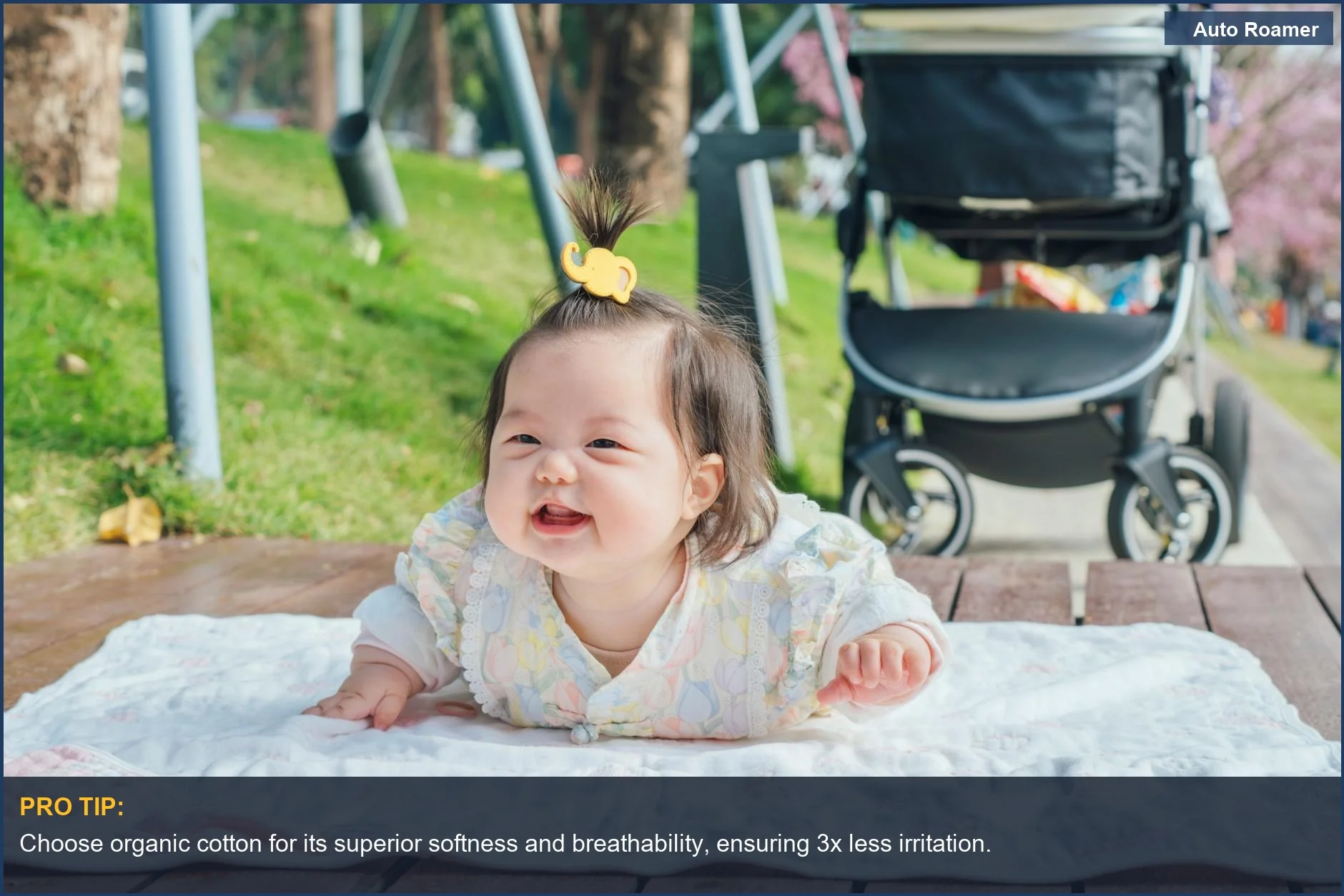
Why This Matters for Your Setup
Why this matters for your setup is pretty straightforward: a comfortable baby means a less stressed parent. When you're trying to focus on driving or navigating a new place, you don't need a fussy, overheated, or irritated child. The right fabric choices prevent those melt-downs before they start. It's about simplifying your travel experience.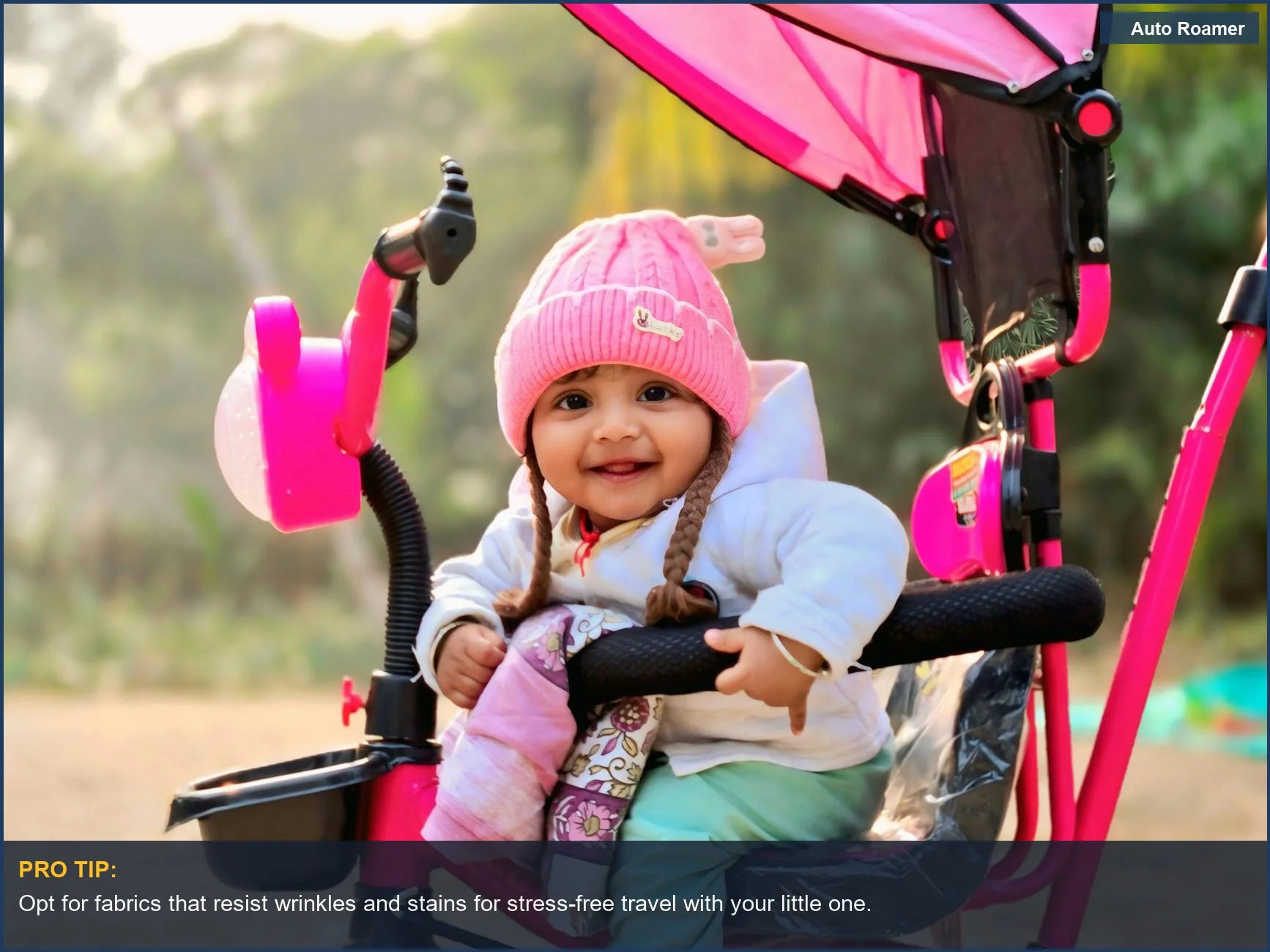
Making the Right Choice
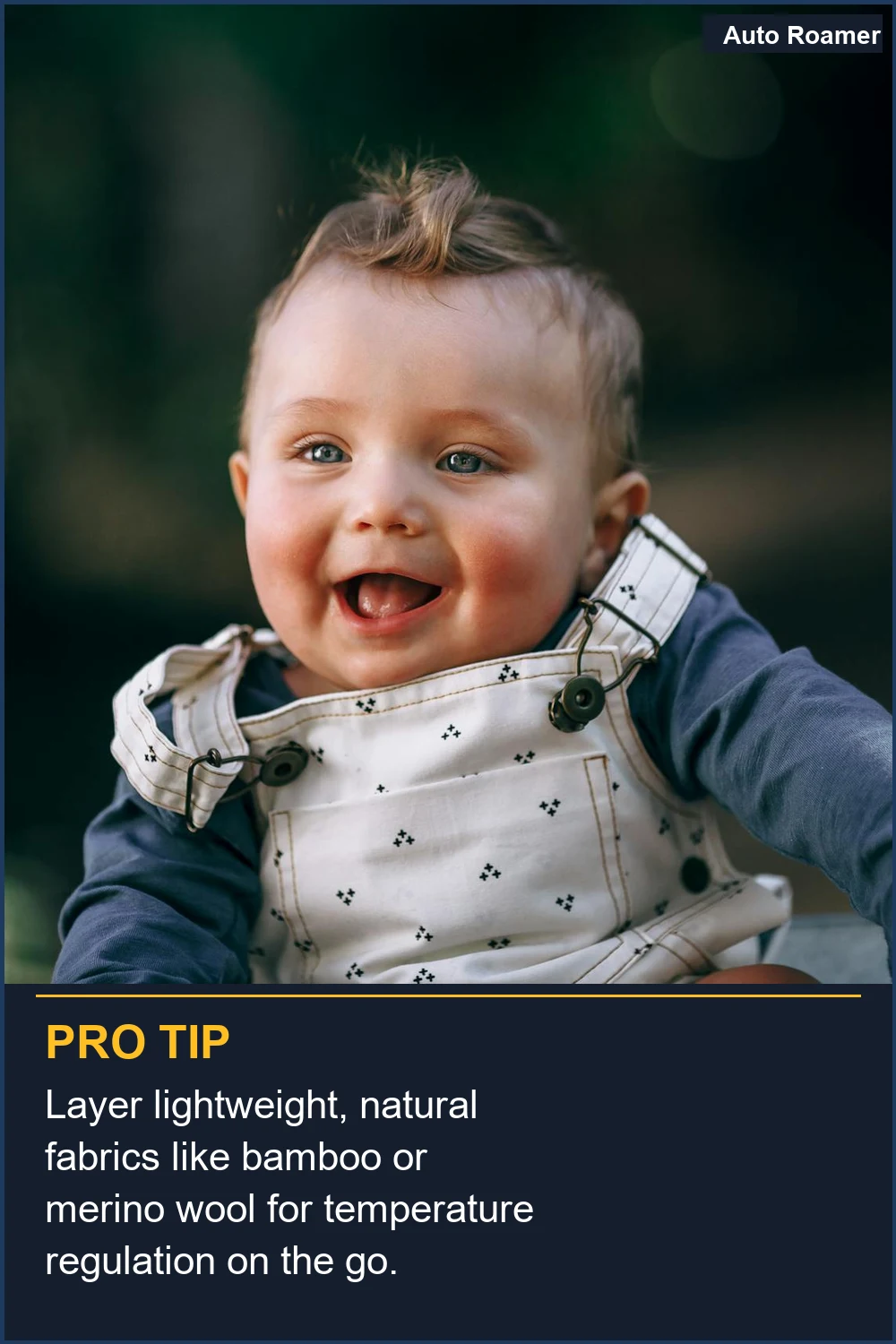
Making the right fabric choice for baby travel clothes is all about prioritizing comfort and practicality. It's not the most glamorous part of packing, but it has the biggest impact on your trip.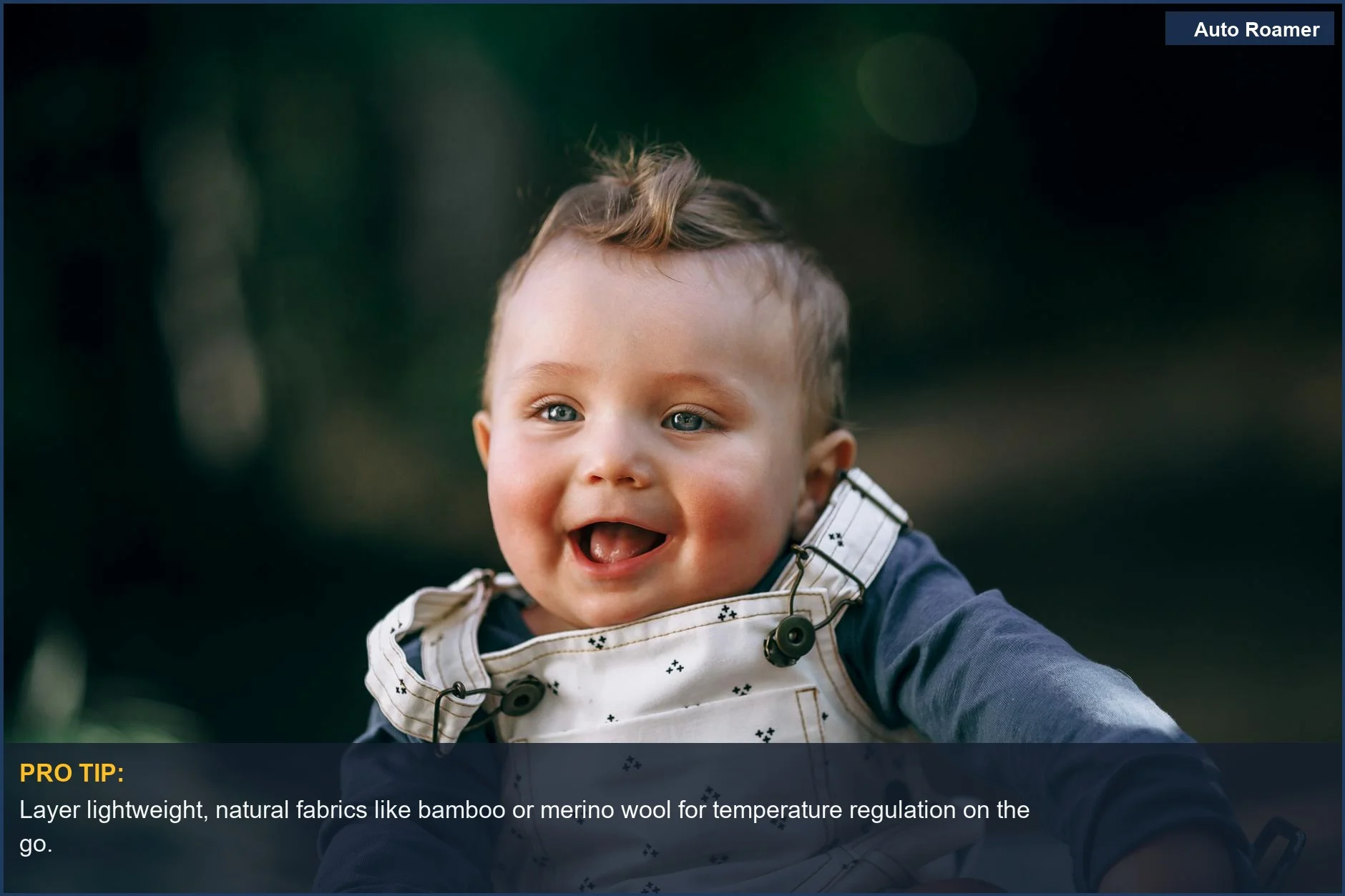
Frequently Asked Questions
If I buy a 5-pack of cotton onesies for $25, is that cheaper than buying one fancy bamboo onesie for $30?
Do I really need to check the exact weave of the cotton fabric, like poplin or twill, for travel clothes?
What if my baby still gets fussy and sweaty even in cotton clothes during a long car ride?
Can wearing too many synthetic fabrics for travel permanently damage a baby's skin?
Is it true that fleece is bad for babies in cars because it doesn't breathe?
🏅 Looking for Gear Recommendations?
Check out our tested gear guides for products that work with this setup:
Sources
- Best Fabric for Baby Blankets and Clothes - Halo Sleep
- Choosing The Best Fabric For Baby Clothes: A Comprehensive Guide
- What fabric is suitable for baby clothes? : r/sewing - Reddit
- Travel Friendly: Best baby clothes for airplanes and long car rides.
- Best Fall Fabrics for Babies & Toddlers - Gerber Childrenswear
- A Baby Travel Outfit Guide: Travel-Friendly Wardrobe Selections for ...
- choosing-the-best-fabric-for-baby-blanket-and-baby-clothes?srsltid=AfmBOor7PPD53ZMSJC1MCSv7Z2wAtRyT4_OIqQARZ9LvYiuKZovwzqPL
- What Are the Best Fabrics for Newborn Clothes? - RAI & CO